Plants make fruit only after a flower is fertilized. Once a pollen grain fertilizes the ovule, repressor proteins like SlIAA9 and DELLA break down, and genes such as AGL62 switch on. These genes ramp up the hormones auxin and gibberellin, which tell the ovary to swell into the fleshy fruit around the seeds.
What’s better than a juicy mango on a hot summer day? Nothing in the world can replace it, I would say.
Everyone has a fruit that they believe is the best, but have you ever wondered where these yummy fruits come from? If you thought of flowers, then you’re right, but let’s try a more profound question: How do plants know when to make fruits from their flowers?
The Function Of Fruits In Plants
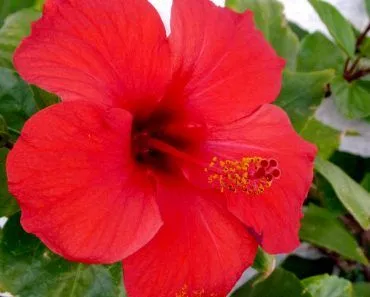
Some plants reproduce with the help of flowers. The flowers contain ovules and an ovary within the pistil. When this pistil is pollinated by a compatible type of pollen, the fertilization process begins.
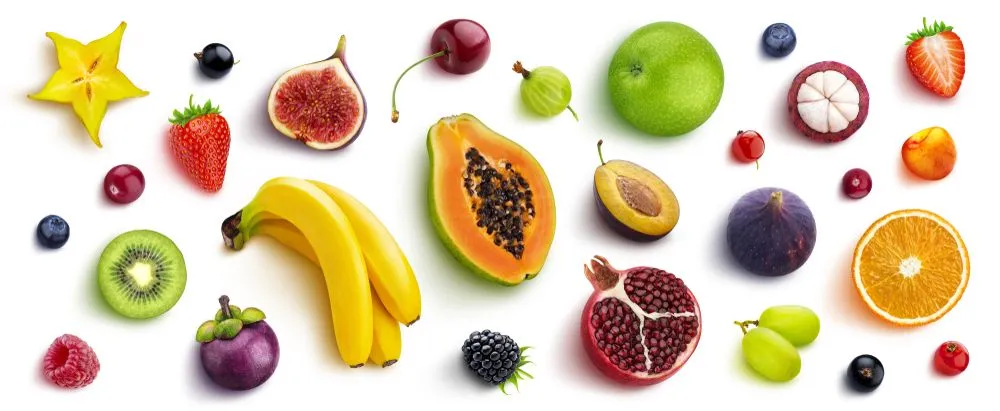
After fertilization, the flower with the fertilized zygote will form seeds, often surrounded by the fleshy, pulpy tissue we call the fruit.
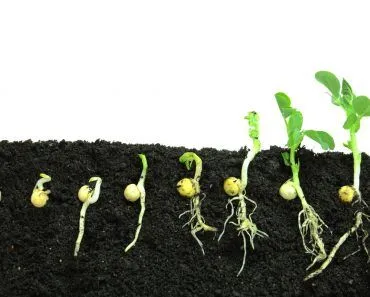
Seeds do not germinate into a new plant the moment they’re formed. They need an optimum environment to develop into seedlings. In the meantime, the seed faces certain dangers from its environment.
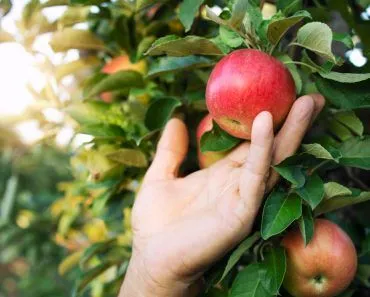
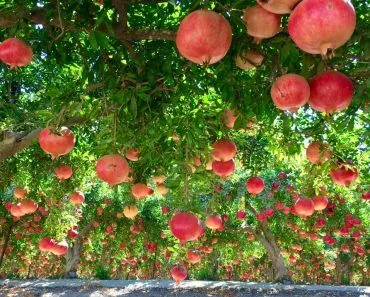
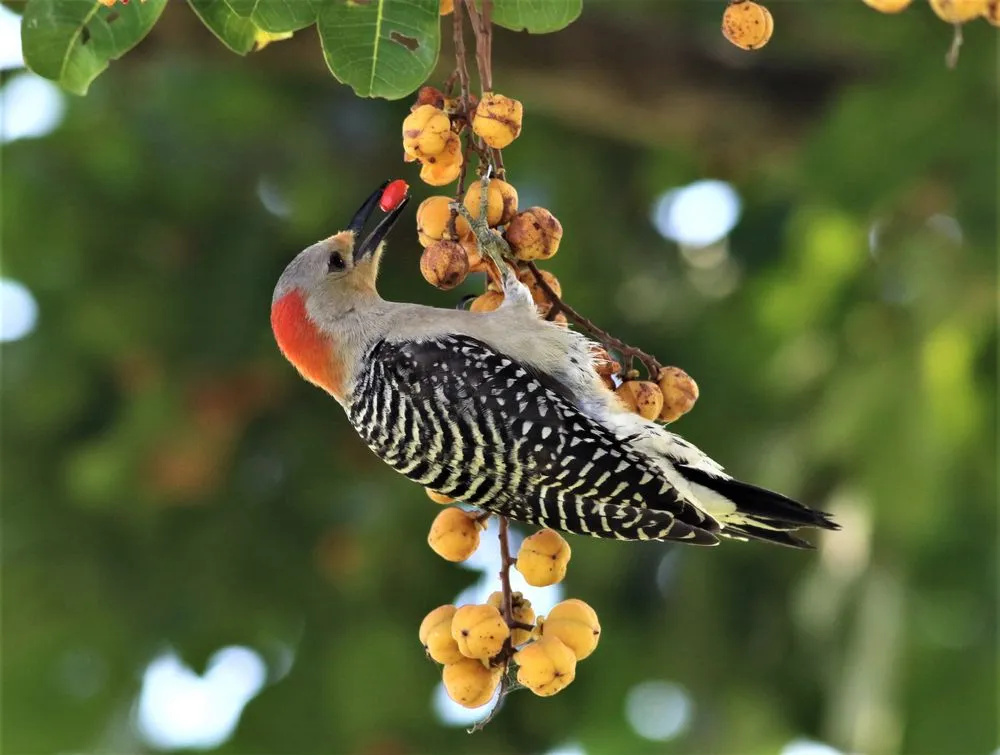
The fruit (the mature ovary) protects the seeds until the right conditions to germinate arise. To help those right conditions arrive, the colors and sweet flavors of fruits attract animals, such as birds, that help disperse the seeds.
Even the word fruit comes from the Latin ”fructus,” meaning “produce, enjoyment, or proceeds,” which is a fitting name for something a plant invests so much energy into making.
Fertilization
Flowering starts before the fruiting season.
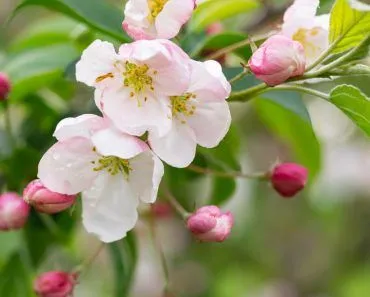
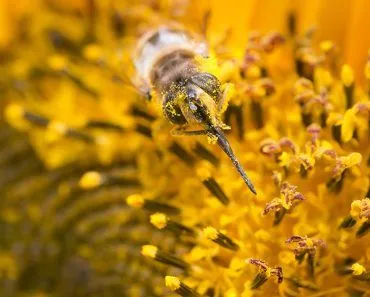
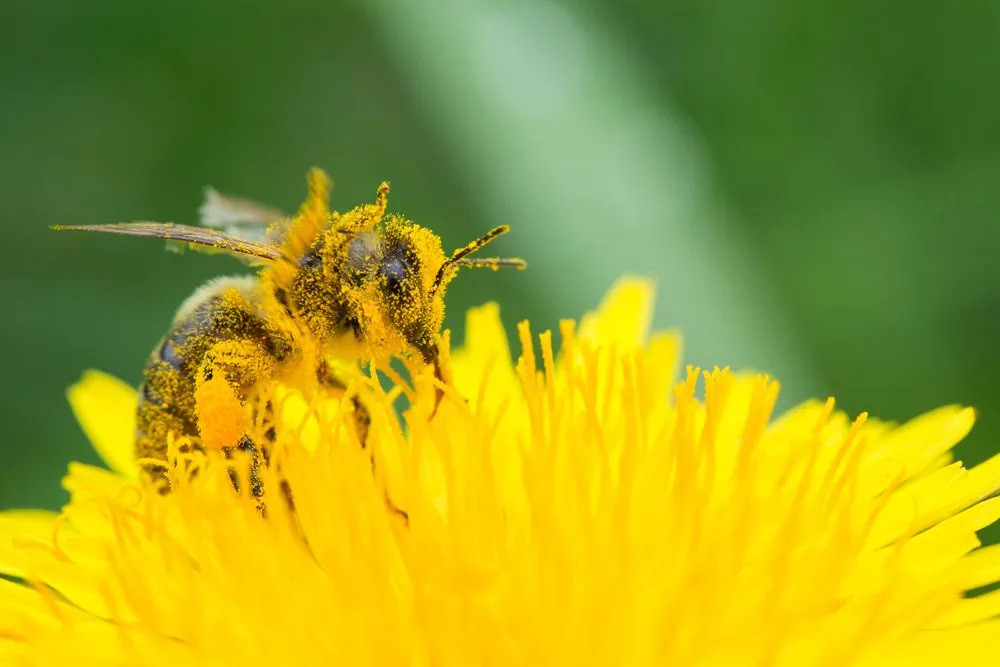
Once the flower blooms, pollination can take place. Pollination can occur by natural elements of wind and water or through animals, such as birds and bees.
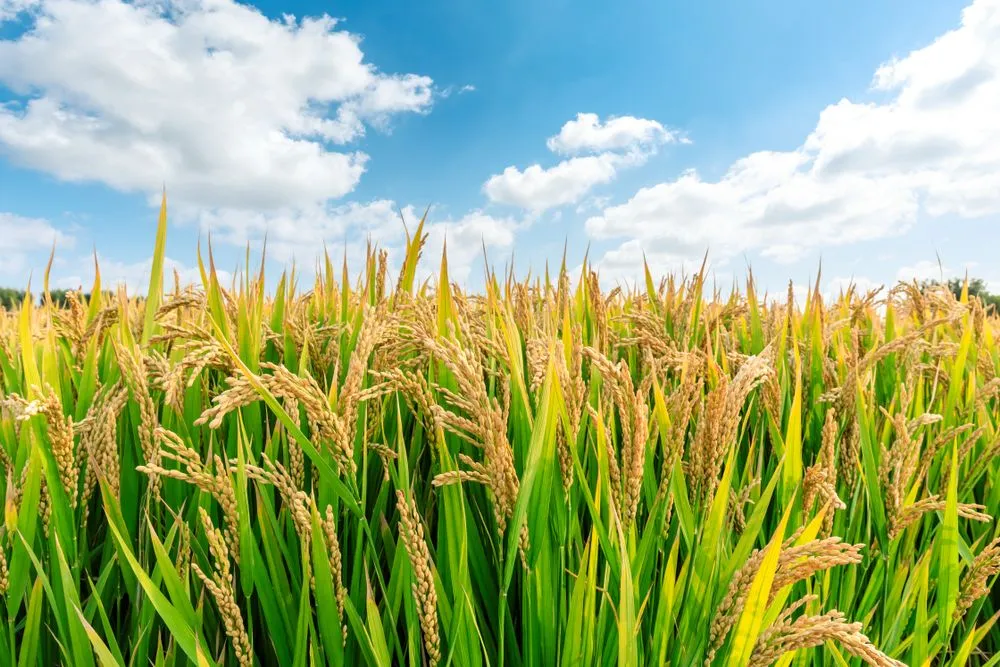
In either case, the pollen grain that lands on the stigma germinates a long pollen tube that grows down to the ovule, delivering two sperm cells. This is the famous "double fertilization" unique to flowering plants: one sperm fuses with the egg to form the embryo, and the other fuses with the two polar nuclei to form the endosperm, the nutrient tissue that feeds the embryo.
For many plants, this fertilization event is the chief trigger to turn the flower into a fruit. The exceptions to this are parthenocarpic fruits, fruit formed without fertilization, which we’ll come to at the end of this article.
Genetic Factors That Control Fruiting
Before fertilization, certain genes actively keep fruit from forming. In tomatoes, for example, the auxin-response repressor SlIAA9 teams up with the gibberellin-response repressor DELLA (through the transcription factor ARF7) to silence the genes that would otherwise make auxins and gibberellins, the two hormones that drive fruit set.
However, once fertilization occurs, genes such as AGL62 are activated. This gene elevates the level of a plant hormone called auxin. Auxin, in turn, triggers the synthesis of its fellow growth hormone, gibberellin.
The rising hormones trigger the breakdown of the repressor proteins (SlIAA9 and DELLA) that had been holding fruit set in check; put more simply, they unlock the genes that control fruit formation. Auxin and gibberellin then coordinate to transform the flower into a fruit.
Hormones In Fruit Production
Auxin promotes cell division and induces the fruit set, which means that the ovary can begin to convert into fruit. At the same time, the pistil enlarges to accommodate growing seeds. Additionally, auxin elevates gibberellin hormone levels.
Later, gibberellins, along with auxins, drive cell expansion, thus promoting fruit growth.
The Unfertilized Fruits
Now what about the parthenocarpic fruit I mentioned earlier? Those fruits aren’t the result of fertilization. Earlier, we mentioned that fertilization was the core trigger, so how do unfertilized fruits form?
Well, think of the end product that triggers fruit development… Hormones!
These clever plants run their own internal high-hormone environment, so they don’t need any external trigger like fertilization. Their genetic make-up keeps auxin and gibberellin elevated before and after anthesis (the flower-opening stage). Fertilization, in other words, is not a prerequisite.
For example, some varieties of watermelon, banana, and cucumber exhibit parthenocarpy.
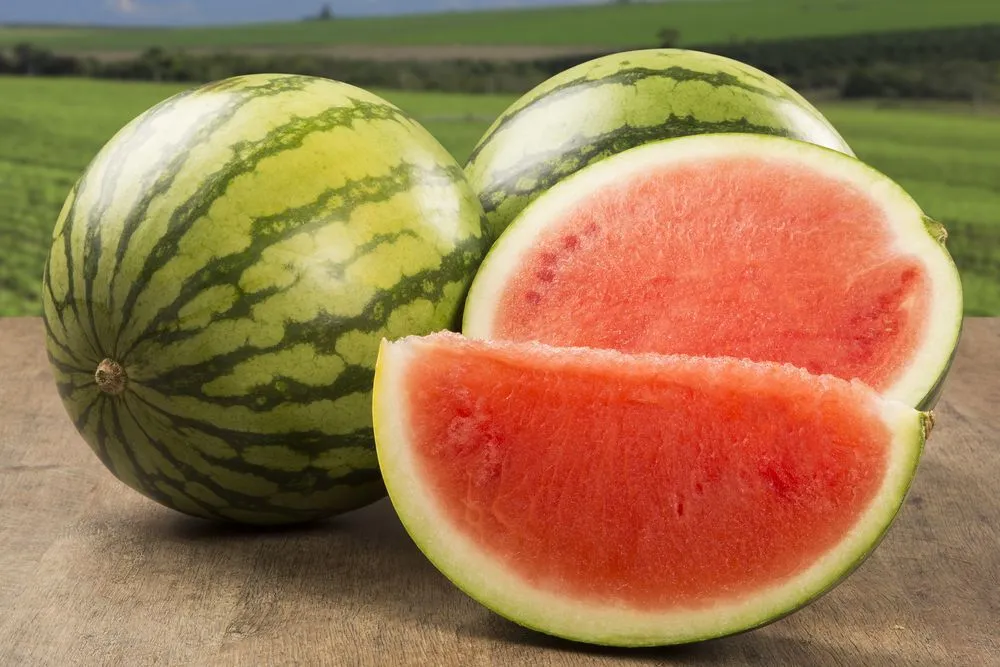
It is also possible to introduce artificial parthenocarpy. We can apply growth hormones and artificially elevate auxin and gibberellin levels. These conditions trigger the production of unfertilized fruits. For example, certain cultivated varieties of tomatoes and grapes respond to gibberellin application, resulting in grapes and tomatoes that are seedless!
Conclusion
Fruits protect the internal seeds and attract birds, insects, and mammals that help in seed dispersal. These fruits form as the result of fertilization in plants, except in the case of parthenocarpic fruits.
The fusion of gametes activates genes that result in elevated hormone levels. The pistil also elongates to accommodate the seeds. The increased levels of auxins start the fruit setting process, and the auxins trigger gibberellins. Both of these hormones maintain fruit and seed development.
In the case of parthenocarpic fruits, the plants maintain high levels of hormones, so they don’t need any promoting events, such as fertilization. Another exciting technique consists of producing unfertilized fruits from non-parthenocarpic plants. This is possible through the artificial application of auxins, gibberellins, or some combination of the two.
References (click to expand)
- Physiology of Fruit Development. ijcmas.com
- Double fertilization. Encyclopaedia Britannica
- Scientists identify mechanism responsible for fruit and seed .... The National Science Foundation
- (2009) Fertilization‐dependent auxin response in ovules triggers fruit .... John Wiley & Sons, Inc.
- Parthenocarpy - an overview | ScienceDirect Topics. ScienceDirect