Over-watering kills plants by suffocating the roots. Soggy soil pushes air out of the soil pockets the roots rely on, so the roots can no longer respire. Long exposure also encourages root rot pathogens like Pythium and Phytophthora that cause irreversible decay of the roots.
One of the first things that you learn when you first start to garden is that you should never over-water plants, unless you want to see them die. However, what is so dangerous about over-watering that it deals a death blow to young plants and saplings?
Why Does Over-watering Kill Plants?
Short answer: Over-watering severely limits (or even cuts off) the supply of oxygen that roots depend on for respiration, so the plant slowly suffocates. It also encourages root rot pathogens that cause irreversible decay of the roots, which is usually fatal.
Over-watering Adversely Affects The Availability Of Oxygen To The Roots
This is the primary reason why too much water can kill a plant. You see, every living plant cell respires and consumes oxygen, not just the leaves. Leaves can exchange gases freely through tiny pores called stomata, but roots have no direct access to the atmosphere, so they must draw their oxygen from the tiny air pockets between soil particles.
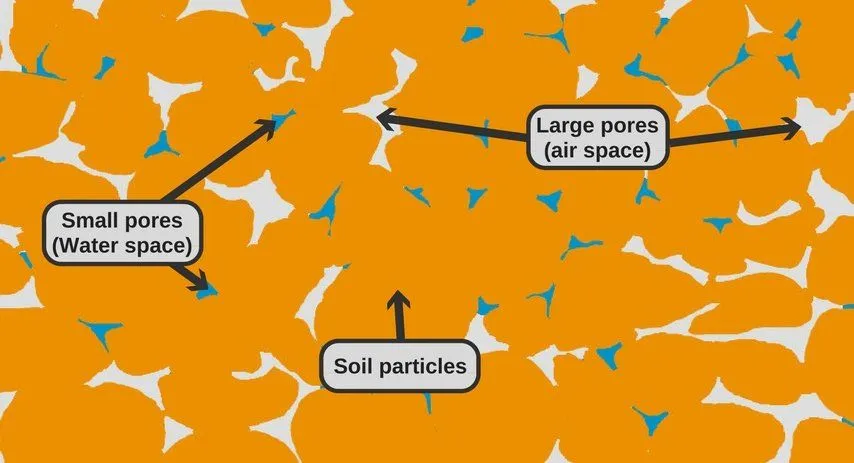
As you can see in the image above, oxygen sits in tiny air pockets in the soil around the roots. When you over-water, those pockets fill up with water, and waterlogged soil quickly turns oxygen-starved: oxygen diffuses through water about ten thousand times slower than through air, and any dissolved oxygen left over is rapidly used up by the roots and soil microbes.
Root Rot
As the name clearly implies, root rot is the rotting of roots, typically caused by waterlogging or poor drainage. Several soil pathogens take advantage of soggy soil, including the true fungus Rhizoctonia and the water molds (oomycetes) Pythium and Phytophthora. The water molds are particularly nasty: they actually need free water in the soil so their swimming spores (zoospores) can reach and infect the roots. The condition is more common in houseplants than outdoor ones, and often leads to the death of the plant, because the decayed roots can no longer supply essential nutrients and water to the rest of it.
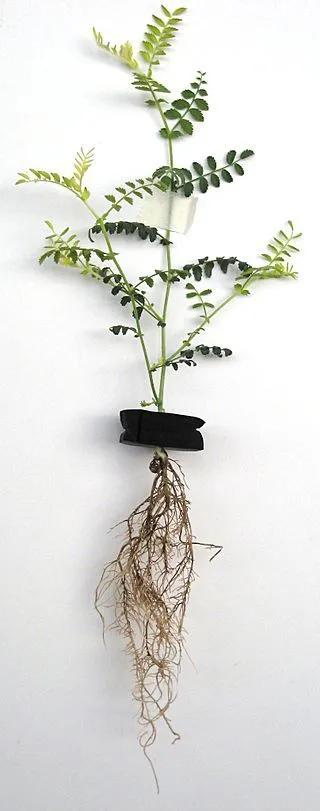
As there is no way to reverse root rot, it’s generally recommended to water a plant (especially a houseplant) only when the surrounding soil becomes dry, as this minimizes the risk of waterlogging.
Not Enough Water
It might seem counterintuitive at first, but over-watering a plant can deprive it of the very thing it has an excess of: water. You see, plants have root hairs that absorb water (and dissolved mineral nutrients) from the soil and ferry that water to the rest of the plant. Continued exposure to waterlogged, oxygen-starved conditions causes these root hairs to die off. The plant then loses the very structures it relies on to take up water and nutrients (a cruel irony, since the damage was caused by giving it too much water in the first place).
Excess Water Washes Out Fertilizers
Fertilizers are added to soil to supplement its nutritional profile and aid the growth of the plant within it. Over-watering can potentially wash out these fertilizers, which can deprive plants of certain essential nutrients.
What Are The Signs Of An Over-watered Plant?
Here is the cruel twist: an over-watered plant often looks exactly like a thirsty one. According to the University of Maryland Extension, the primary symptom of excess moisture is wilting or yellowing of the lower and inner leaves. That is the trap, because most of us see a droopy plant and reach straight for the watering can, which only deepens the problem. The tell-tale clue is the soil: if the leaves are limp and the soil is still wet, the roots are drowning, not parched.

As the waterlogged condition drags on, the symptoms widen. The same source notes that the plant may go on to show scorch, leaf drop, and eventually death, all of which look paradoxically like drought damage because the dying roots can no longer pull water up to the leaves. The base of the stem can turn soft and brown, and a film of green algae or moss may appear on the constantly damp soil surface.
One symptom is unique to over-watering: edema (sometimes spelled oedema). The University of Maryland Extension describes it as a physiological disorder that strikes when the water absorbed by a plant's roots exceeds the amount lost through its leaves. The trapped pressure ruptures cells on the lower leaf surface, leaving wart-like or crusty raised bumps and blisters (pictured above) that often turn brown. It shows up most when soggy soil meets cool, overcast, humid air with poor circulation, and it is common on houseplants like fiddle-leaf figs, geraniums and jade.
Can You Save An Over-watered Plant?
Often, yes, as long as you catch it before root rot has consumed the whole root ball. The first and most important move is the hardest one for an anxious plant owner: stop watering. Let the soil dry out before you even think about adding more, and tip out any water pooling in the saucer beneath the pot so the roots are not left standing in it.
Next, check that the plant can actually drain. The University of Minnesota Extension stresses that a pot with poor or no drainage is essentially doomed, so make sure there is at least one open drainage hole. If the roots already smell sour or the lower leaves are collapsing, it is worth lifting the plant out to inspect them. As Iowa State University Extension explains, healthy root tissue is firm and white with plenty of fine feeder roots, while rotted roots are mushy and brown or reddish. Snip away the dead, mushy roots with clean scissors and repot the plant in fresh, well-drained potting mix.
Going forward, the cure is simply better watering habits. Both extension services make the same point: do not water on a fixed calendar schedule. Instead, feel the soil first and water only when the top few centimeters (an inch or two) have dried out, which gives the roots the air they need between drinks.
How To Avoid Over-watering Of Plants?
The first thing you should do in order to avoid over-watering plants (especially indoor ones) is check the surrounding soil and determine whether it needs more water.
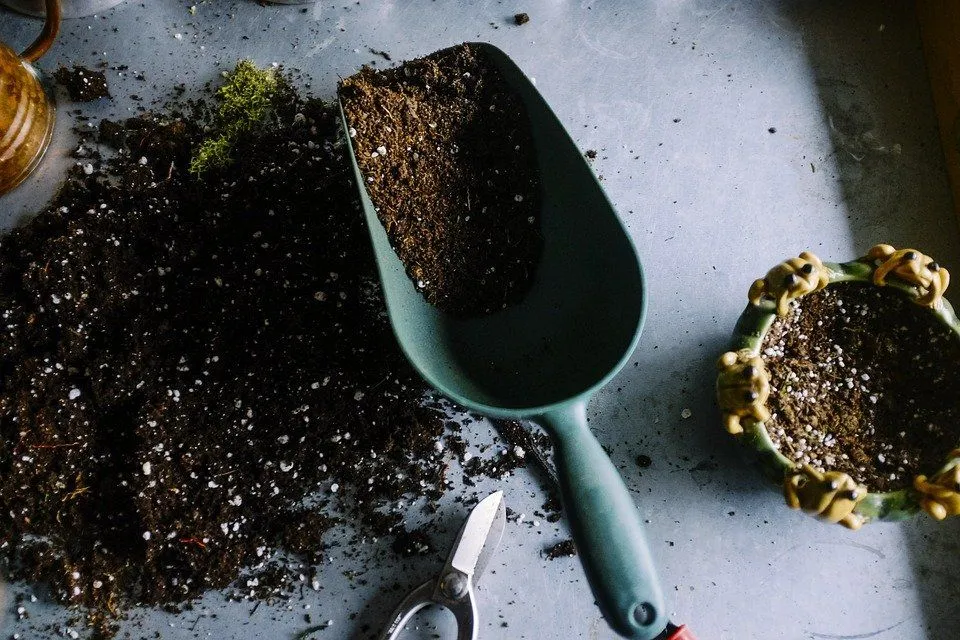
Don’t judge the wetness of the soil just by looking at the surface – you can use a soil probe or a hand trowel to get a better idea of the moisture of the soil. People also try lifting their pots to estimate the water content based on its weight (a heavy water pot usually indicates an excess of water).
There are certain gadgets (like indoor/outdoor moisture sensors, soil water monitors etc.) that can help you ascertain the amount of moisture the soil needs or has at a given time.
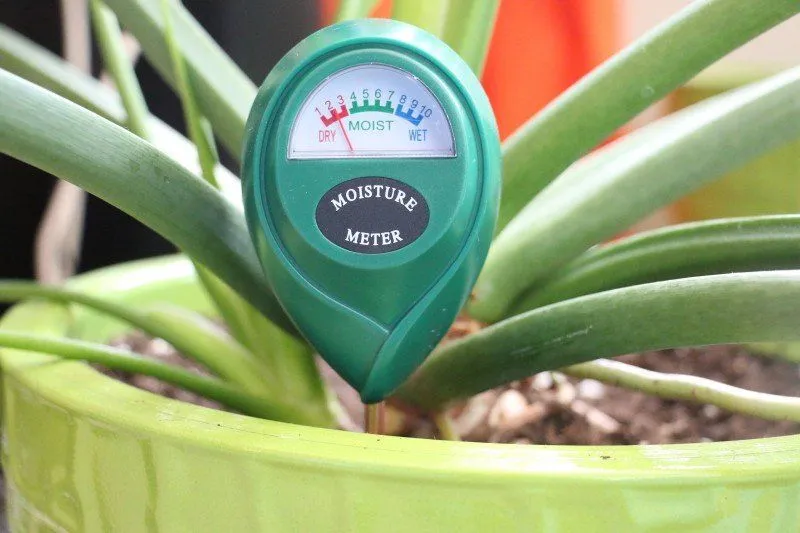
For more tips and precautions regarding the optimum watering of plants, you can check out this article.
Needless to say, optimal watering of plants is a very important aspect of gardening and should be understood carefully, since it has the potential to ruin your plants or help them stay healthy for years!
References (click to expand)
- The Virginia Gardener - www.hort.vt.edu:80
- Watering tips for Trees & Shrubs - UNL Water. The University of Nebraska–Lincoln
- Watering newly planted trees and shrubs. University of Minnesota Extension.
- Water Molds, Wet Weather, and Root Rots. UConn Integrated Pest Management.
- Pan, J., et al. (2021). Mechanisms of waterlogging tolerance in plants. Frontiers in Plant Science.
- Overwatered Indoor Plants. University of Maryland Extension.
- Edema of Indoor Plants. University of Maryland Extension.
- Root Rots of Houseplants. Iowa State University Extension and Outreach.
- Watering houseplants. University of Minnesota Extension.