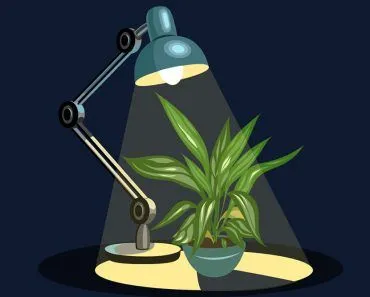
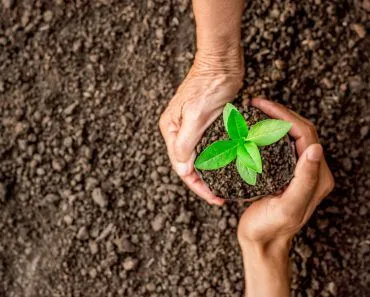
Plants affect our wellbeing mostly through how they make us feel, not by scrubbing the air clean. Being around plants eases stress by calming the body's "fight or flight" response, and greener offices are linked to better mood and higher productivity. Plants also cool and humidify the air around them through transpiration. (Houseplants do little to purify the air in a real, ventilated room.)
Have you ever had one of those tough days at work where your computer is overwhelmed with countless Excel sheets that need to be handled? The stress of tight deadlines gets heavier with every hour, it seems. However, you catch a glimpse of a shady tree outside your office window and you feel inclined to breathe a sigh of relief.
The natural world, even for an instant, helps to calm you down, at least enough to get through the day.
If you’re wondering what magical effect plants could possibly have on us, this article has everything you need to know about how plants affect humans and our surroundings.
Plants Can Act As Air Purifiers And Air Coolers
We are well aware that the air we breathe is filled with important gases (see: oxygen). However, it’s also filled with other gases and dust suspended in the air that are considered “pollutants”. Indoors (in our homes, offices, and schools), furniture and other items often release these suspended particles, volatile organic chemicals (VOCs), and other similar pollutants. This decreases the Indoor Air Quality (IAQ), as these particles act as respiratory irritants, toxicants, and are the major causes of allergies.
Plants do tinker with the air in a couple of ways. First of all, plants perform photosynthesis, wherein they take up carbon dioxide and release oxygen back into the atmosphere. This is part of why a walk in the park leaves you feeling refreshed. It’s worth being honest about the limits here, though: a few potted plants barely nudge the oxygen level in a room, so don’t expect them to sharpen your thinking. That said, in controlled settings where people breathe highly concentrated oxygen, researchers have measured better performance on memory, visuospatial and verbal tasks, which hints at just how sensitive the brain is to its oxygen supply.
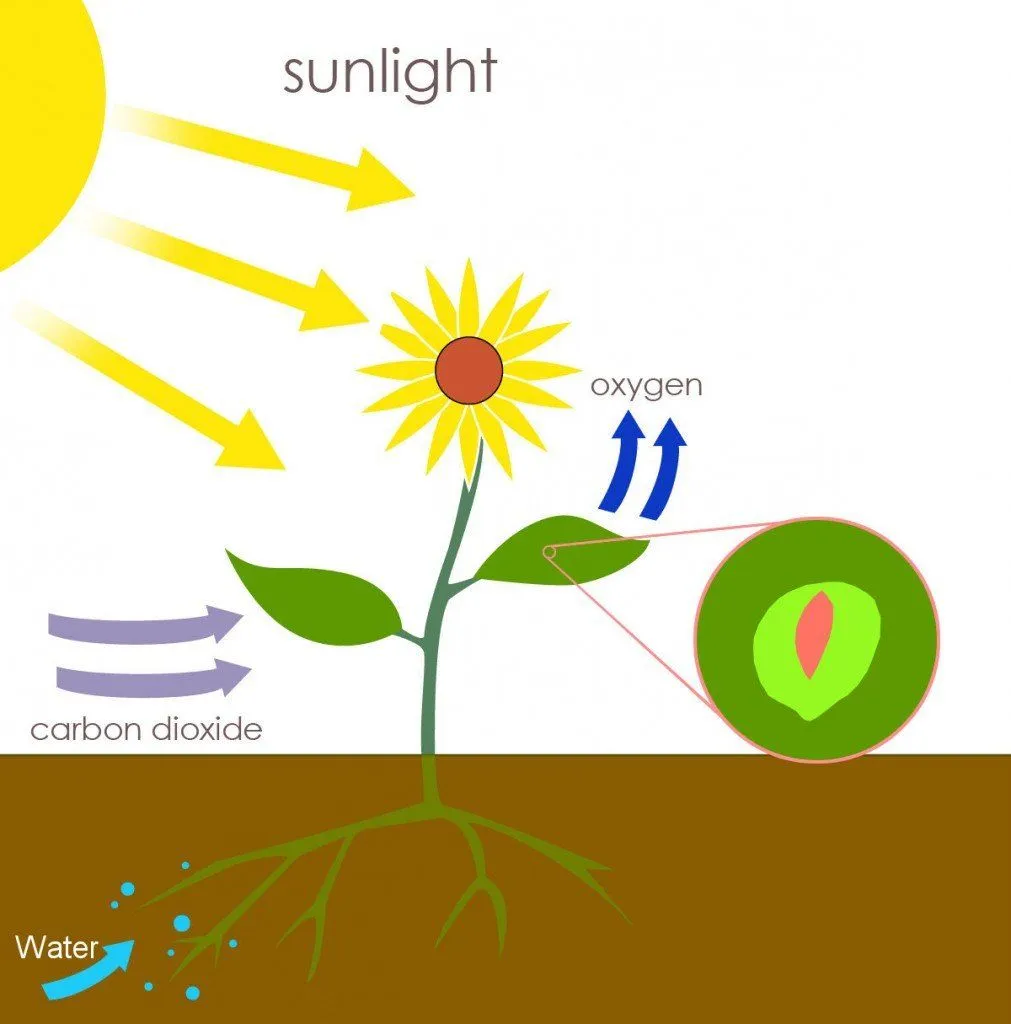
Along with releasing O2, photosynthesis occurring in the leaves of the plants leads to the production of Negative Air Ions (NAIs). NAIs play a crucial role in absorbing suspended particulate matter and thereby purify the air. However, very small amounts of NAIs are generated by indoor plants, so their effect is limited.
You may have read that a houseplant can soak up toxic volatile organic chemicals (VOCs) and slash them by a third or more. That figure is real, but it comes from plants sealed inside tiny test chambers, and it doesn’t survive contact with an actual room. A 2020 review in the Journal of Exposure Science & Environmental Epidemiology pooled 196 such experiments and found that, once you account for normal air exchange (an open window, a vent, a door swinging), the rate at which plants clear VOCs is orders of magnitude too slow to matter. By their math, you’d need somewhere between 10 and 1,000 plants per square meter (roughly 1 to 90 per square foot) to rival what cracking a window already does for free.
So while it’s lovely to imagine a windowsill fern purifying your home, the honest verdict is that plants are not meaningful air cleaners indoors. Their real gifts, as we’ll see, are about how they make us feel and what they do to the climate immediately around them.
Plants As Air Coolers And Humidifiers
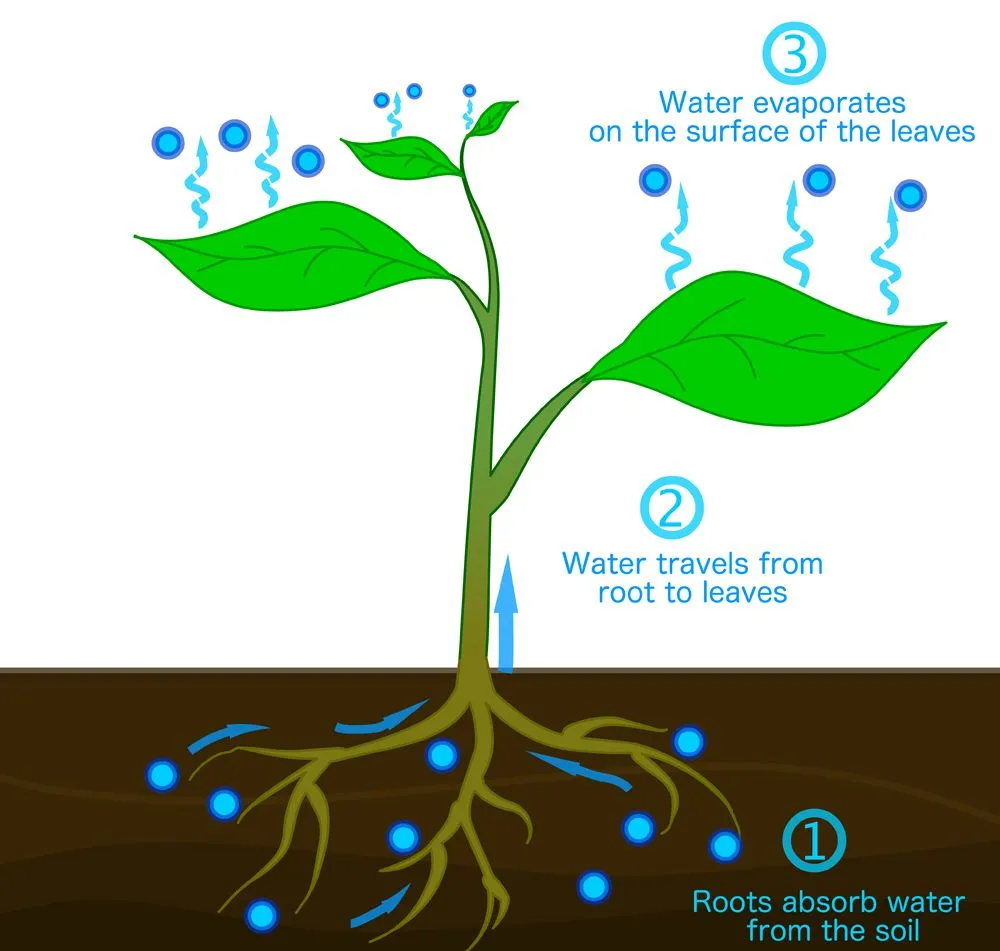
Plants also help in thermoregulation and act as natural humidifiers, thanks to the process of transpiration. Transpiration is defined as the process of water movement through the plant, and its evaporation from aerial parts (leaves, stem, flowers containing stomata) of the plant in the form of water vapor. As water vapor is released, it reduces overheating and cools the region surrounding the plant.
Thus, transpiration helps in cooling the temperature around the plant. This also helps to increase the moisture content in the atmosphere. High transpiration rates lead to more cooling around the plant’s surfaces. Evidence shows that green facades on buildings can noticeably lower wall surface temperatures and trim the heat load on the structure, through a mix of shading, transpiration, and an insulating layer of cooler air.
Plants Help Reduce Stress
Plants also help in reducing physiological and psychological stress. They do this by acting on the sympathetic division of the autonomic nervous system (ANS). The sympathetic division activates what we commonly know as ‘fight or flight’ responses.
Under stressful conditions, the sympathetic division of the ANS is activated, which leads to a series of actions like elevated blood pressure, increased heart rate, increased sweating, and pupil dilatation. Plants affect the ANS by suppressing actions of the sympathetic division, thus reducing the negative effects on the body caused by stress.
Plants Help Boost Cognitive Ability And Creativity
Plants are also linked to sharper cognitive performance, particularly creativity and problem-solving. In a set of three field experiments run in real offices in the UK and the Netherlands (a team that included researchers at the University of Exeter), simply adding plants to a bare workspace improved staff concentration and well-being and lifted productivity by around 15%, as reported in the Journal of Experimental Psychology: Applied. Giving children time around plants and trees is likewise associated with better concentration and memory.
Role Of Plants In Healing
Plants are generally seen to have an overall positive effect on individuals. Those benefits have led us to fold plants into the way we heal. In a classic study published in Science in 1984, Roger Ulrich tracked gallbladder-surgery patients and found that those whose hospital windows looked out on trees had shorter stays and needed fewer strong painkillers than matched patients whose windows faced a brick wall.
Medical science is incorporating more green interactions to promote the wholesome healing of patients. ‘Horticulture Therapy’ is an intervention that involves engaging an individual in gardening and plant-associated activities to achieve therapeutic goals. It is believed that horticulture activities may have a positive effect on cognitive abilities and brain volume in the hippocampus, thus reducing the risk of cognitive impairment and depression.
Horticulture Therapy is prescribed to those with cases of diagnosed emotional illness, chronic mental conditions, as well as physical disabilities. This intervention has resulted in pain alleviation, attention improvement, reduction in stress, and a lower need for medications, especially in older patients.

And it isn’t only the plants. The bacteria in the soil they grow in may help too.
If you take a walk in the park, then you’re in for an even bigger treat, as not only plants, but also the soil that holds them, is known to have a beneficial effect on relieving stress. Soil contains a bacterium called Mycobacterium vaccae, and it appears to act against inflammation while easing stress. The exact mechanism is still being worked out. Studies in mice show that exposure to M. vaccae activates serotonin-producing neurons and produces antidepressant-like effects, making the animals more resilient to stress.

Thus, it is believed that the soil bacterium helps by acting as a natural antidepressant, exhibits a long-lasting anti-inflammatory effect on the brain, and elevates one’s mood by secreting cytokines. Cytokines are molecules produced and secreted by immune cells that interact with various other molecules to execute bodily functions. One such target of cytokines is the hormone ‘serotonin’, which imparts a feeling of well-being and happiness.
Conclusion
Since time immemorial, we have known that plants and trees are useful to human life. Owing to our often sedentary modern lifestyle, many of us spend more time indoors than out in the open. Due to this, we miss out on so many rewarding interactions with plants! However, keeping in mind that plants not only affect our environment, but also our bodies and minds, we should try our best to increase our interactions with green settings.
The easiest way to do this is to bring home a few plants, care for them, and make your own space a bit greener, and healthier!
References (click to expand)
- Deng, L., & Deng, Q. (2018, November 1). The basic roles of indoor plants in human health and comfort. Environmental Science and Pollution Research. Springer Science and Business Media LLC.
- Cummings, B. E., & Waring, M. S. (2020). Potted plants do not improve indoor air quality: a review and analysis of reported VOC removal efficiencies. Journal of Exposure Science and Environmental Epidemiology.
- Effects of oxygen concentration and flow rate on cognitive ability and physiological responses in the elderly. PMC, National Center for Biotechnology Information.
- Thermal performance evaluation of vertical greening systems for residential buildings in hot arid climates. Journal of Umm Al-Qura University for Engineering and Architecture. Springer.
- Lee, M.-S., Lee, J., Park, B.-J., & Miyazaki, Y. (2015, April 28). Interaction with indoor plants may reduce psychological and physiological stress by suppressing autonomic nervous system activity in young adults: a randomized crossover study. Journal of Physiological Anthropology. Springer Science and Business Media LLC.
- Nieuwenhuis, M., Knight, C., Postmes, T., & Haslam, S. A. (2014). The relative benefits of green versus lean office space: Three field experiments. Journal of Experimental Psychology: Applied. American Psychological Association (APA).
- Ulrich, R. S. (1984). View through a window may influence recovery from surgery. Science, 224(4647), 420-421.
- Why dirt may be nature's original stress-buster. CU Boulder Today, University of Colorado Boulder (research on Mycobacterium vaccae).