If we had twice the amount of oxygen we have now, animals would grow larger, Neutrophils would have an increased capacity to fend off harmful viruses and bacteria, and plant life would speed up processes like respiration and combustion. However, too much oxygen can lead to something called ‘oxygen toxicity’, which would cause rampant harmful oxidation in cells and lead to exhaustion and death.
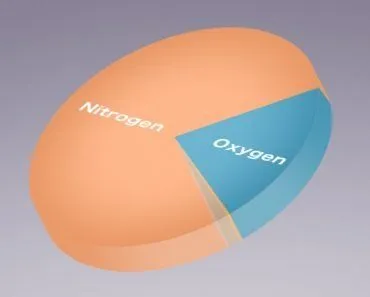
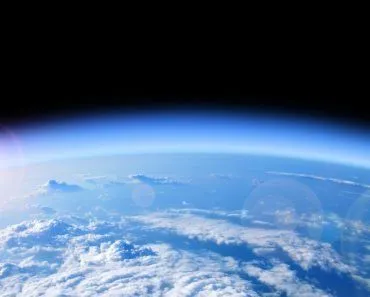
Oxygen is the most essential gas for the existence of biological life forms on Earth, even though it comprises only 21% of the air in our atmosphere. Oxygen is used for respiratory processes in animals to produce energy, for burning fuel to produce heat and light, as a coolant in high processing computers, and for providing a safe environment for newborns in pediatric incubators. Clearly, oxygen is a highly employed commodity in the world.
While oxygen is not a heat-capturing greenhouse gas, its concentration in our atmosphere (as ozone, which is the trioxygen form) affects how much sunlight reaches the ground, thereby altering and regulating the climate of our planet.
If the oxygen from our planet were to disappear, all life would burn to a crisp in the scorching heat of the unshielded UV rays from the sun. Our inner ears would explode due to the change in atmospheric pressure, all metals would weld together due to an absence of oxide layers, and all concrete structures would lose their rigidity and collapse due to the lack of the oxygen molecule in CO2. Everything containing water would evaporate as hydrogen into space, while everything above Earth’s crust would plummet into a free fall towards the Earth’s core, as oxygen makes up roughly 46% of Earth's crust by mass and is locked into the rocks and minerals beneath our feet.
With all that in mind, it would seem appropriate to assume that oxygen is the driving force of everything on this planet. However, have you wondered, what would happen if oxygen levels were doubled on Earth?
Effects Of Doubling The Oxygen In The Atmosphere
Well, that will be for you to decide. Here are the most significant effects that such increased levels of oxygen would have on our planet.
Effects On Animals
Spiders, roaches and many other creepy crawlers you may have dreaded all your life will grow even larger in size. These tiny beings breathe through tiny tubes called tracheae, so with more oxygen entering these tubes, their bodies could potentially expand and grow in size. This is exactly what happened during the Carboniferous period (~300 million years ago), when atmospheric oxygen reached an estimated 30–35% and giant insects like Meganeura (a dragonfly-like creature with a wingspan of up to 65–75 cm) ruled the skies. (More recent research has questioned whether oxygen alone can explain this gigantism, but it was almost certainly a major contributing factor.) Dragonflies could grow to the size of hawks, while spiders might have a large enough appetite to gobble down pigeons.

However, you won’t have to worry about your safety from these monsters, as you will be able to outrun them all. Due to the availability of more oxygen to the lungs, with every breath you take, your stamina would increase tremendously. Oxygen-rich blood would pump through your veins, fueling your muscles with energy, while better blood circulation will give you greater agility and concentration. Speed records of athletes would improve drastically, shattering previous world records so new ones could be set in the oxygen-rich future.

Neutrophils are a type of white blood cell that forms a critical part of our immune system by using oxygen to fight disease. These cells will have an increased capacity to fend off harmful viruses and bacteria, due to the higher availability of oxygen, leading to fewer and less frequent diseases and sicknesses.
It seems pretty fun up to this point, but just wait until this excess oxygen starts weighing you down. Too much oxygen can lead to something called ‘oxygen toxicity’. The excess oxygen at a higher partial pressure (concentration and partial pressure are directly proportional) will cause rampant harmful oxidation in your cells causing them to die.
Increase in oxygen will also speed up metabolism. This could cause over-exertion of your bodily organs will lead to exhaustion and fatal consequences for your body, literally dropping you in your tracks. Deaths from exhaustion will be more common than death from the disease.
Effects On Plant Life
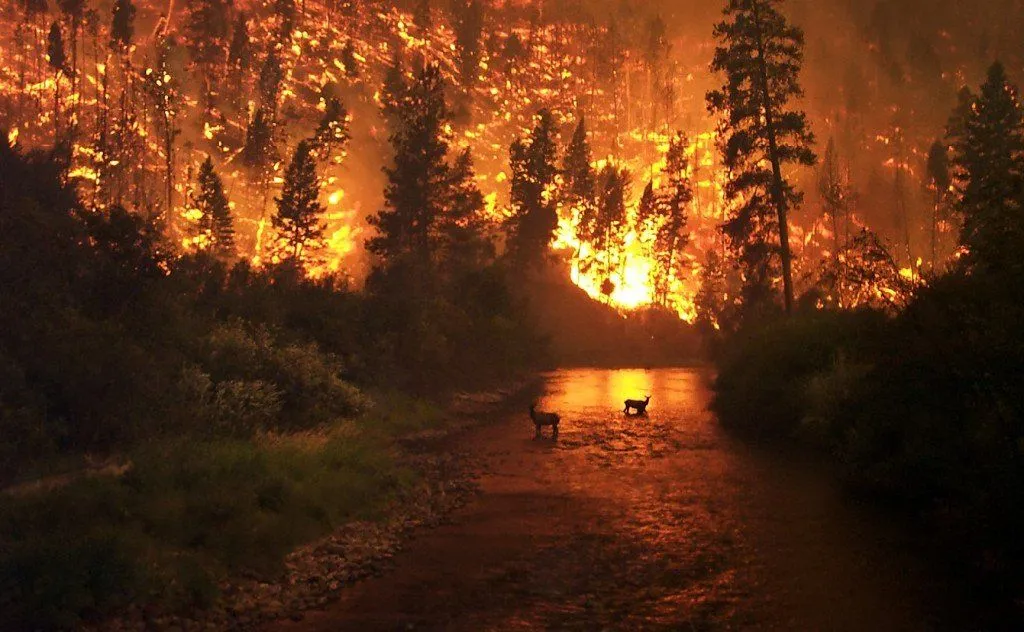
In the event of doubling the oxygen levels on Earth, the most significant changes would be the speeding up of processes like respiration and combustion. With the presence of more fuel, i.e. oxygen, forest fires would become more massive and devastating. Wet vegetation would not provide protection either. Anything and everything would burn more easily.
At the same time, processes like photosynthesis would be sedated due to lower concentrations of carbon dioxide in the atmosphere. Green vegetation would give way to a more prehistoric landscape, thronged with mosses and mushrooms.
Effects On Mountainous Regions
For all the backpackers and wanderers who dream of castles beyond the clouds, or of living on the peaks of the highest mountains, but the low oxygen levels there don’t make life easy, here’s some good news. With double the oxygen levels in the atmosphere, breathing problems would be the least of their problems, and living at higher altitudes would no longer pose any real problem.

This would soon lead to taking over mountainous regions and making them into habitable zones, ultimately deteriorating these natural formations and soil quality. Ice cover on mountain peaks would reduce significantly with plant and animal life thriving there.
Effect On Earth’s Atmosphere
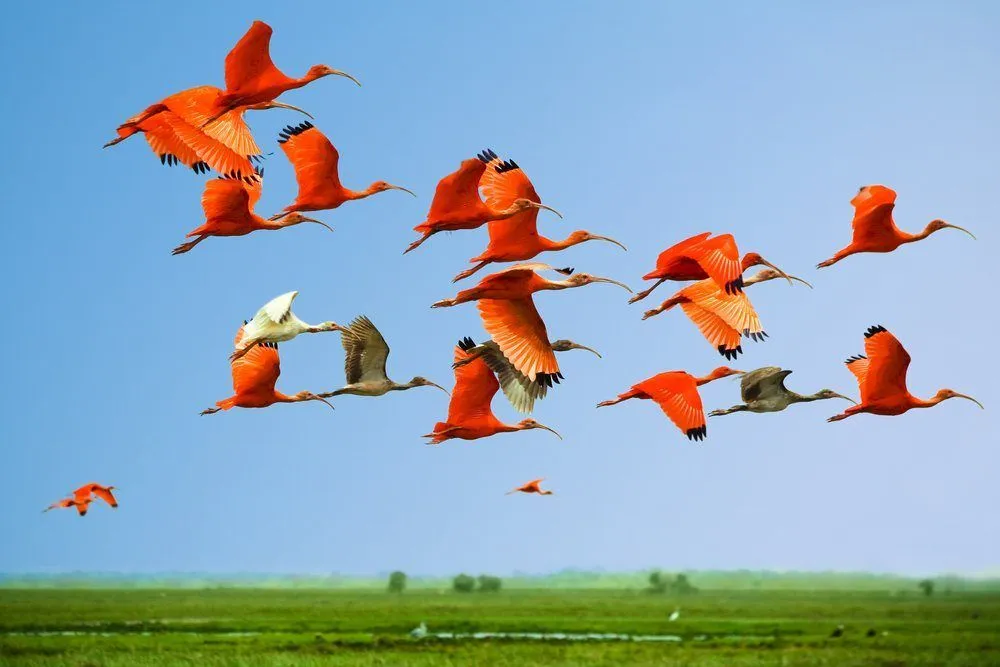
With increased oxygen levels, the air density in the atmosphere would also increase. This, in turn, would enable aeroplanes, gliders, parachutes and birds to fly higher up in the sky and stay in flight for longer periods. A higher oxygen concentration would lead to a thicker atmosphere, which would scatter more sunlight, make the sky look bluer and lower the air temperature.
Effects On Machines And Engineering
Oxygen in fuel improves engine performance by reducing the amount of nitrogen entering the engines, which causes them to heat up. Less heat would mean improved performance, as well as lower fuel consumption levels. This would definitely lead to better and more efficient industries and automobiles in the world.
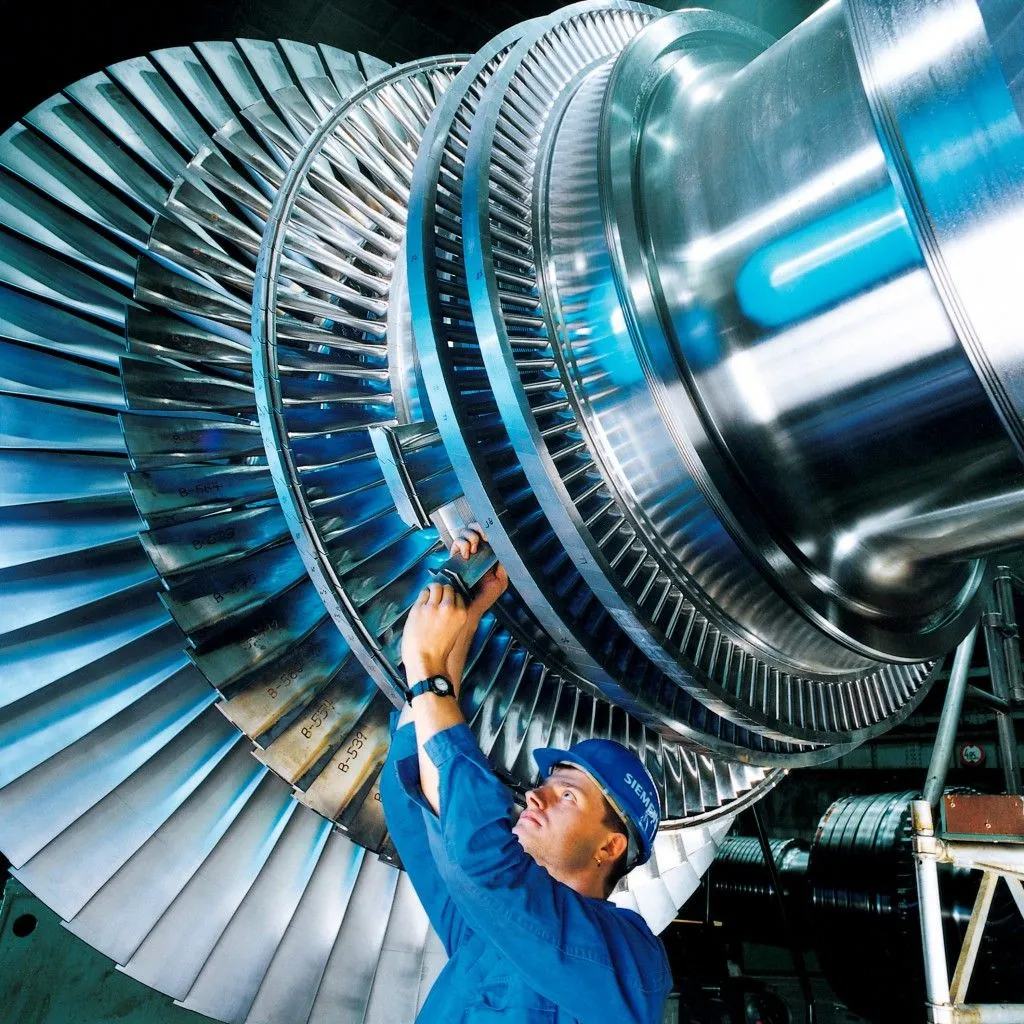
However, the greater combustion of fuel will release more exhaust gases, eventually crippling the atmosphere.
What If The Atmosphere Were Pure Oxygen?
Doubling our oxygen pushes the air to roughly 42%, but plenty of people wonder about the extreme version: what if the atmosphere were pure, 100% oxygen? The honest answer hinges on keeping two very different things apart. How easily you can breathe the air depends on the partial pressure of oxygen, while how easily everything burns depends on the proportion of oxygen.

Start with fire. The higher the fraction of oxygen, the more readily things ignite, the hotter the flames burn, and the faster they spread. NASA learned this in the cruelest way imaginable. On 27 January 1967, during a launch-pad rehearsal, a spark inside the Apollo 1 command module set off a flash fire in its pure-oxygen cabin, which had been pressurized to about 16 psi (110 kPa). The blaze engulfed the capsule in seconds and killed astronauts Gus Grissom, Ed White and Roger Chaffee. The tragedy forced NASA to rebuild the cabin around a safer mixed-gas atmosphere of 60% oxygen and 40% nitrogen for launch-pad operations. In a world of pure oxygen, a dropped match or a frayed wire could trigger the same kind of runaway combustion everywhere.
Breathing is the second catch. Astronauts could safely breathe pure oxygen in orbit, but only because it was held at a low pressure of around 5 psi (34 kPa), which keeps the partial pressure close to what your lungs already see at sea level. Fill a room with pure oxygen at full sea-level pressure, however, and you slide into oxygen toxicity. Even 100% oxygen can be tolerated for only about 24 to 48 hours before it begins injuring the lungs, and very high partial pressures can trigger acute effects on the nervous system, including seizures. A pure-oxygen world, in short, would be a tinderbox you could only breathe in for a day or two.
Would Humans And Large Animals Get Bigger Too?
If giant insects once ruled an oxygen-rich planet, would a future of doubled oxygen turn us into giants as well? Almost certainly not, and the reason comes down to plumbing. Insects have no lungs; they pipe air straight to their tissues through a branching network of tiny tubes called tracheae, and oxygen finishes the trip by simply diffusing through them. Diffusion gets sluggish over distance, so for decades biologists argued that only an oxygen-rich atmosphere (the Carboniferous reached an estimated 30–35%) could force enough oxygen through those tubes to sustain a dragonfly the size of a hawk.

Vertebrates like us play a completely different game. We have lungs and a closed circulatory system, where hemoglobin actively grabs oxygen and delivers it wherever the body needs it. Our size is set by genetics, nutrition, skeletal mechanics and a host of other factors, not by how much oxygen happens to be drifting around. Pile on extra oxygen and your blood is already almost fully saturated, so you would gain stamina, not stature.
There is a twist worth knowing. A 2026 study in Nature, led by Edward Snelling at the University of Pretoria, used electron microscopy to show that tracheoles occupy only about 1% of an insect's flight-muscle volume, even in the largest extinct griffinflies. That implies diffusion was never really the size cap researchers had assumed, and that oxygen alone may not explain the ancient giants after all. Other limits, such as predation by early vertebrates and the mechanics of supporting a heavy exoskeleton, were probably just as important.
Conclusion
As history shows us, bad outcomes often follow good situations. The perks of having twice the amount of oxygen on Earth are intriguing, but it would be at the cost of a shorter life span and a more unpredictable planet.
We should count ourselves lucky that our planet is the perfect mix of just the right amount of everything. 21% oxygen might seem pretty low when considering the lives of billions hanging in the grasp of this dephlogisticated air, yet you now know how fatal it could have been if the universe had decided to write a different recipe for our planet!
References (click to expand)
- Rise in oxygen levels links to ancient explosion of life .... Phys.org
- What would happen if the air was pure oxygen? - Rhodium Zone. I'm a Scientist, Get me out of here!
- Oxygen - Element information, properties and uses. rsc.org
- Atmospheric oxygen - Energy Education. energyeducation.ca
- Oxygen - UCAR Center for Science Education. The University Corporation for Atmospheric Research
- 50th Anniversary of NASA Deciding on a Mixed-Gas Atmosphere for Apollo, a Direct Result of the Apollo Fire. NASA
- Oxygen Toxicity. StatPearls. NCBI Bookshelf.
- Oxygen supply through the tracheolar muscle system does not constrain insect gigantism. Nature.
- Massive insect body size 300 million years ago may not have been due to high atmospheric oxygen. Phys.org