Radium (element 88) was isolated by Marie and Pierre Curie in 1898 and earned Marie her second Nobel Prize in 1911. Because the metal glowed in the dark and seemed to give off mysterious âenergy,â the early 20th century plastered it into everything â watch dials, toothpaste, face creams, drinks, even âradium heatersâ and cigarettes. Then the âRadium Girls,â young women painting watch dials and licking their brushes, began dying of bone cancer and jaw necrosis. By the 1930s the craze collapsed; today radium is one of the most tightly regulated radioactive elements there is.
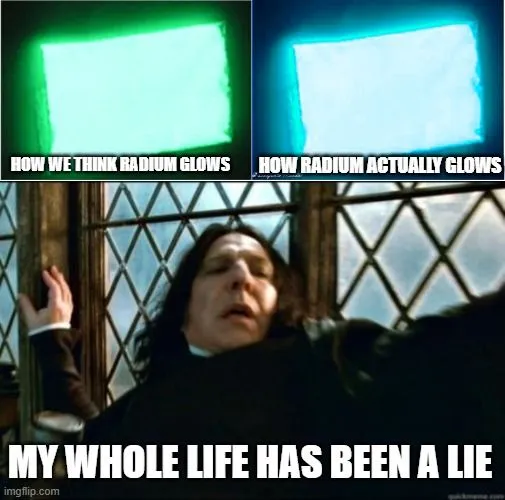
Radium is synonymous with a faint glow-in-the-dark green color, but what if I told you that radium actually gives out a light blue aura, and not a green glow? Even though it sounds implausible, it’s the truth!
Ever since its discovery, the 88th element on the periodic table and its spooky radioactive rays have been a part of many unbelievable trends and events. Some of them are responsible for how the world still treats radioactive elements today!
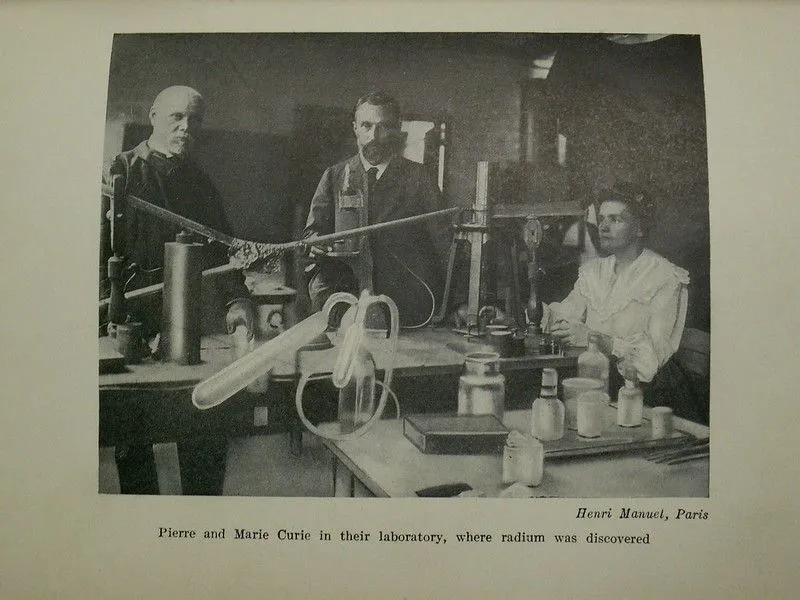
Marie Curie And The Discovery Of Radium
Marie Curie’s journey in science was well on its way when French physicist Henri Becquerel started tinkering with his collection of luminescent salts (a collection he inherited from his father).
During a few days of overcast skies in Paris, Becquerel discovered the unusual rays emitted by uranium salts. These rays, which he later named Uranic rays, could expose a photographic plate and create silhouettes.
Around this same time, Marie Skaldoswska Curie was working on magnetism with her husband, physicist Pierre Curie. She was in search of a topic for her doctoral thesis. The mysterious uranic rays caught Pierre’s eye, who suggested she take up the subject for her work.
Marie then carried forward Becquerel’s torch and started investigating the properties of Uranium rays. After closely studying the rays and their electrical effects, she concluded that uranium rays were an inherent property of the Uranium atom. The behavior of the rays only depended on the atomic structure and the concentration of uranium atoms and was independent of any other external factor. This realization gave birth to the term Radioactivity.
Her curiosity about pitchblende (the oxide ore of uranium) did not end with the discovery of radioactivity. She observed that the radioactivity shown by the ore was 4 times greater than the level of uranium metal, which meant that something more radioactive was hidden in the ore.
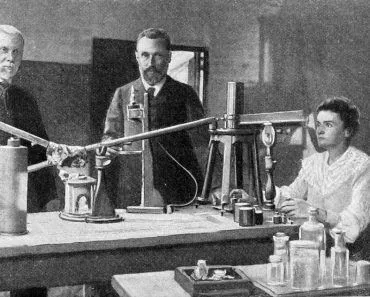
The Curies then shouldered the herculean task of isolating the radioactive elements out of an old abandoned shed that had previously been used in the dissection room by the school of medicine.
They boiled almost 20 kgs of the ore in cast-iron cauldrons, dissolving them as necessary with solvents or acids for separating, and what they found was 30 different elements. After years of extensive trial and error, Marie and Pierre Curie discovered Polonium, which was named after Marie’s homeland, Poland, and was determined to be 60 times more radioactive than Uranium.
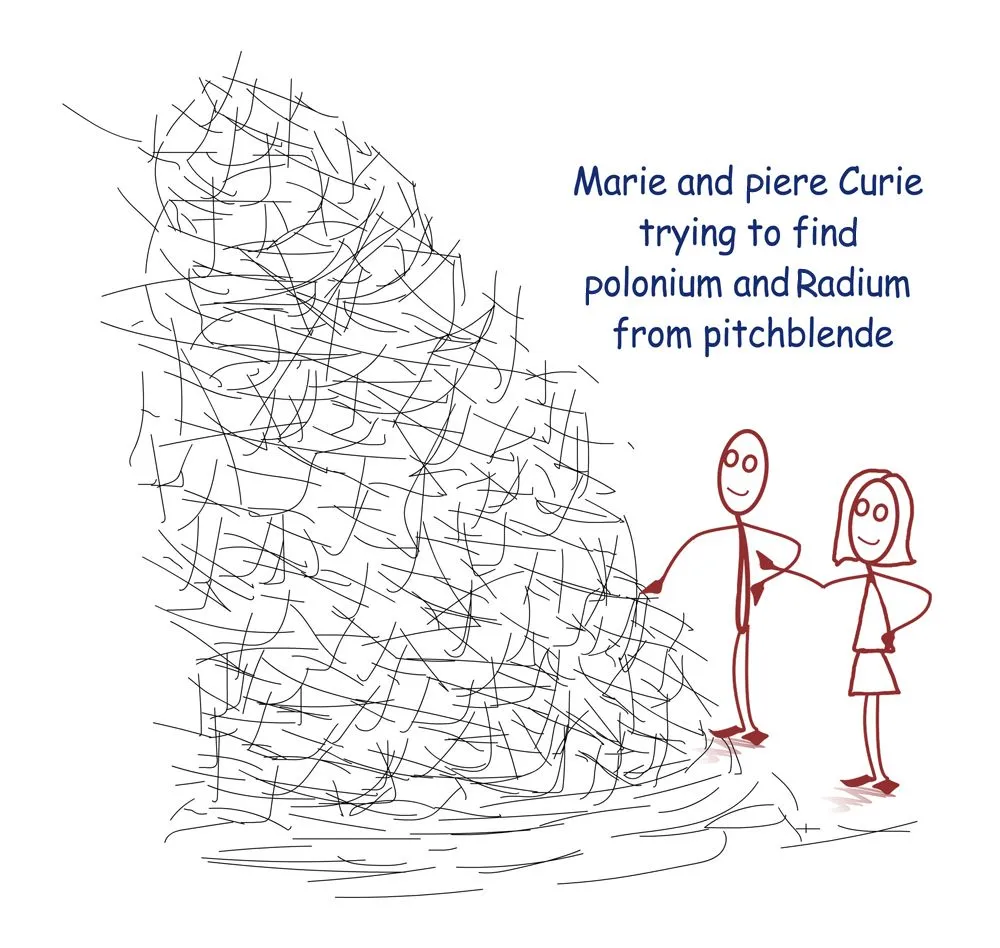
However, the only radioactive element they successfully isolated was Radium (a salt of radium, actually), which was an element ~400 times more radioactive than Uranium. This discovery marked the beginning of a new epoch in chemistry.
What Color Is Radium?
Ask most people to picture radium and they will imagine an eerie green glow. The reality is more surprising. In its pure metallic form, radium is a silvery-white metal, much like its alkaline earth cousins calcium and barium. It does not stay shiny for long, though, because on contact with air it reacts with nitrogen and quickly darkens into a black coating of radium nitride.

So where does the glow come from? Radium is so intensely radioactive that its rays ionize the surrounding air and excite the atoms nearby, giving freshly prepared radium compounds a faint, pale blue shimmer. That is exactly why Marie Curie described the vials in her lab glowing like faint fairy lights. The vivid green we link with old watch dials, however, is not radium’s own color at all. That color belongs to the phosphor (zinc sulfide, usually doped with copper) mixed into the paint; the radium merely supplies the energy, and the phosphor converts it into green light.
It also explains a strange quirk: a century-old radium dial can still set off a Geiger counter yet sit completely dark in a drawer. Radium keeps emitting radiation for thousands of years (its half-life is roughly 1,600 years), but the delicate phosphor crystals are slowly wrecked by that same radiation, so the green glow fades long before the radioactivity does.
The Radium Rage: How Radium Became So Popular
Marie Curie, in her autobiography, reminisces on the joyous feeling of going back to their lab at night. The sight of the luminous bottles and vials in which they stored the isolated radium was something very lovely and new. They glowed in the dark like faint, fairy lights; that beautiful glow and the substance’s ability to destroy tumors without tearing the skin made Radium one of the greatest obsessions of the western hemisphere in the early 1900s.
Radium was treated like an elixir that could treat any ailment known to mankind. This school of thought became popular when eminent scientific minds made statements like, “Radioactivity prevents insanity, rouses noble emotions, retards old age, and creates a splendid youthful joyous life”. A new form of chemotherapy was developed, called the “sipping cure”, where patients suffering from cancer were given water infused with radium.
Since radium was very expensive and rare, the elites of society supposedly hosted exclusive “sunshine dinners”, where the guests were served “liquid sunshine” cocktails with small vials of radium in them. The guests claimed that the consumption of the cocktails filled them with great vigor.
Ridiculous Radium Products
The radium trend quickly translated into quackery as it entered the commercial world. Companies started selling radium-based consumer products that made truly bizarre claims.
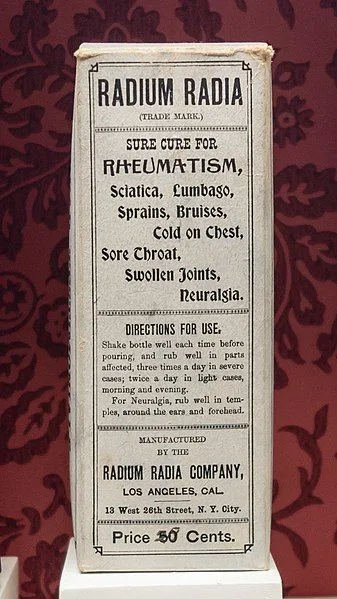
The market was filled with products like cigarette holders with radium that could eliminate the harmful effects of smoking. There were radium-laced solar heating pads for recharging the blood and nervous system with a life-giving radioactive current. Radium soaps, creams, and cosmetic products for radiant skin (they took the term glowing skin quite literally) were all the rage.
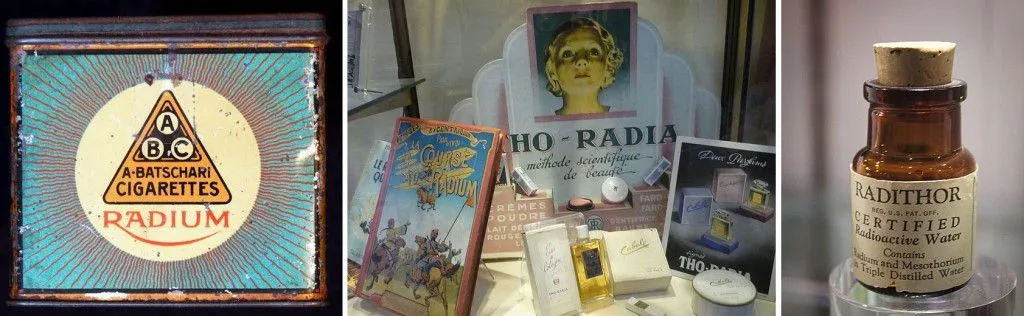
The food industry was also involved; people could enjoy the benefits of radium in food in the form of chocolates, butter, bread, and beer. The most popular range of products was radium-enriched bottled water or ceramic jugs laced with traces of radium, as these products claimed to gift mankind the wealth of radiating health.
To read about more radium products from the past, click here.
Were “Radium Heaters” Actually Radioactive?
Among the oddest items of the craze were the so-called “radium heaters”, and the name hides two very different kinds of gadget. The first kind really was radioactive, but it was not a room heater at all. It was a small pad you strapped to your body. One bestseller, Degnen’s Standard Radio-Active Solar Pad (made by the Radium Appliance Company of Los Angeles and sold from about 1915 to 1930), held purified radium in its early versions and cheaper uranium ore in later ones. Buyers were told to “charge” the pad in sunlight and then wear it so it could, in the company’s words, discharge a “life-giving current” through the blood and nervous system. More than 150,000 were sold. Ward’s Radium Ore Healing Pad made near-identical promises. In reality these pads did nothing but bathe the wearer in a steady dose of radiation.
The second kind borrowed the fashionable word without the element. Around 1900, the Novelty Manufacturing Company of Jackson, Michigan, sold an “X-Radium” foot warmer advertised as needing no fuel. The surviving example at The Henry Ford museum turns out to be a carpet-covered foot rest holding a special patented brick that a traveler heated before a journey; it kept feet warm by storing heat from that brick, not through any radioactivity. The word “radium” was simply too good a selling point to pass up.
So how did radium heaters “work”? The genuine ones worked only as continuous radiation sources, which made them quietly hazardous, while the buzzword versions were ordinary heat-retaining devices cashing in on a glamorous name. That is also why the name alone cannot tell you whether an antique “radium heater” or “radium stove” is dangerous; some craze-era devices truly held radium or uranium ore, others borrowed only the label, and only a radiation survey settles the question.
Radium Girls
Radium reached its peak of popularity during the first world war. Tactical products like glow-in-the-dark compasses, ropes, flashlights, and watch dials were in high demand. These items were painted using radium-based paint called “Undark”.

Undark was a mixture of a tiny amount of radium, zinc sulfide, and gum Arabic adhesive, which when painted on surfaces, gave off the characteristic green glow that we relate to radium. Again, radium has a blue glow, but its interaction with zinc sulfide gives it a green hue!
In 1917, the US Radium corporation hired young girls and women to paint watch dials with Undark. The painters were encouraged to shape the tip of the paintbrush with their lips, to make the tip of the brush as precise as possible. The media was constantly pushing the positive effects of anything containing radium, leading women to sometimes even paint their lips, teeth, and nails with glowing paint.
Radium Poisoning
Little did anyone know that the women ingesting radium day after day while wetting their brushes were becoming ill; the radium was eating them up from inside. Our body mistakes radioactive radium for calcium when ingested, so the body keeps replacing the calcium in our body with radium, which leads to necrosis in the bones and teeth.
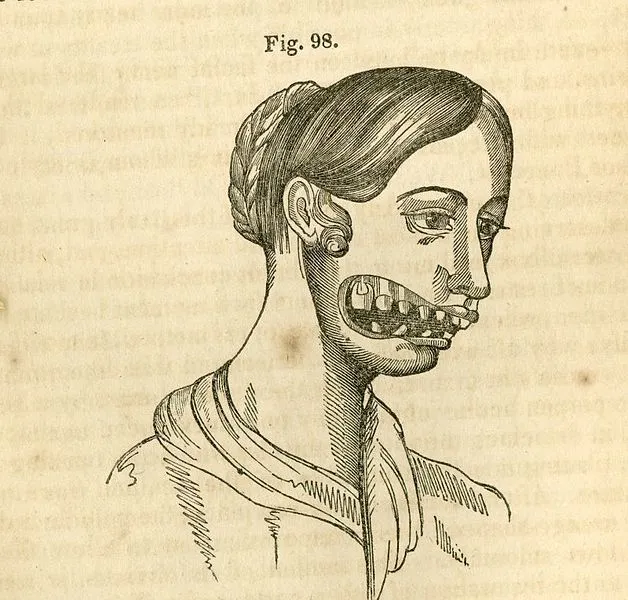
Eventually, some of them started developing symptoms, such as decaying teeth, anemia, weak jawbones, and for some… even death. They complained to their employer about it, but no action was taken.
Their plight and the harmful effects of radium didn’t receive much media attention until the demise of a millionaire due to radium poisoning. Eben Byers, a wealthy industrialist, died in 1932 after consuming Radithor (radium-infused water) multiple times a day for its supposed health benefits.
The Radium corporation tried to deny the claims of their employees for a very long time, but in the 1950s, they started receiving backlash from different parts of the country. Women who worked with radium-based paints were suffering from unforeseen ailments and many of them had succumbed to the side effects.
These events led to historical litigation between the US Radium Corporation and the Radium Girls. They sued the company for medical compensation for the victims, and also demanded strict safety standards for the handling and usage of radioactive materials. Their fight for justice has made our world a much safer place when it comes to radioactivity. The clicking sound of a Geiger counter over their lead-lined coffins is a reminder of how their actions saved thousands of lives that came after them.
Radium Jaw vs Phossy Jaw
The crumbling, infected jawbones of the dial painters had a name: radium jaw, or radium necrosis. The dentist Theodor Blum first described it in 1924 after treating painters whose mouths simply would not heal. Because the body treats radium like calcium, the ingested radium settled into the jaw and other bones, and its radiation then destroyed the bone from the inside out, producing necrosis, abscesses, loosened teeth, anemia, and, years later, bone tumors.

Radium jaw was eerily similar to an older industrial disease called phossy jaw. Through the 19th century, “matchgirls” working in poorly ventilated factories breathed in white phosphorus fumes used to make strike-anywhere matches. The phosphorus attacked the same bone, causing a disfiguring necrosis so striking that the affected jaw was said to glow a greenish-white in the dark.
The two diseases left the same grim signature on the same bone, but the culprits were entirely different. Phossy jaw was a chemical poisoning largely confined to the jaw, and the outcry over it led to the white phosphorus ban under the international Berne Convention of 1906. Radium jaw was a radiation injury with body-wide effects such as anemia and bone cancers, and the fight over it helped build the modern rules for handling radioactive materials.
Conclusion
Once so popular that it inspired Broadway musical pieces like “Radium Dance”, radium now invokes nothing but fear. The only modern use of radium is the targeted treatment of prostate cancer cells, a procedure that is carried out under highly regulated conditions.
People’s reactions to radium back then might sound foolish to those of us in the 21st century, but today’s society is just as prone to falling prey to a trend based on a few anecdotal pieces of evidence. So, with that in mind, let the journey of radium be a cautionary tale, reminding us of the dangers of following a fad with little or no research/data to back it up!
References (click to expand)
- J Yoon —. Radithor: A Brief Study of Radioactive Quackery. Stanford University
- Liquid Sunshine – Thinking Food - thinkingfood.org
- Marie Curie: Discovery of Radium - BRIEF Exhibit. The American Institute of Physics
- Cantrill, V. (2018, July 20). The realities of radium. Nature Chemistry. Springer Science and Business Media LLC.
- Radium Historical Items Catalog - Final Report.. The Nuclear Regulatory Commission
- Editor) K. M. (. A. (2017). The Radium Girls: The Dark Story of America's Shining Women. Sourcebooks, Incorporated
- Radium - Element information, properties and uses. Royal Society of Chemistry
- Radium. Wikipedia
- Degnen's Standard Radio-Active Solar Pad. Museum of Radiation and Radioactivity, ORAU
- X-Radium Footwarmer. The Henry Ford
- Radium jaw. Wikipedia
- Phossy jaw. Wikipedia