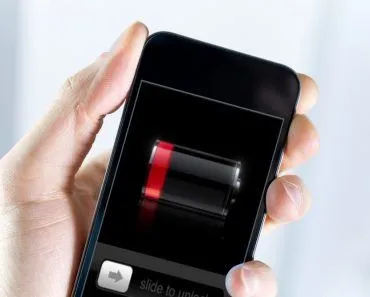
No. There is not a single documented case of a cellphone causing a fire or explosion at a gas station. A phone's radio signal is far too weak to ignite fuel vapor, and the FCC and Petroleum Equipment Institute have never confirmed such an incident. The real refueling fire hazard is static electricity, not your phone.
If you own an automobile and happen to frequent gas stations (petrol pumps) quite often, you have almost certainly come across warning signs in those particular spots. Aside from prohibiting smoking, these bills often advise you to keep your cellphones switched off, and some may even suggest that the use of cellphones can cause an explosion at the gas station.
Is there any truth in that? Can using a cellphone at a gas station cause an explosion?
Why Are We Told To Switch Off Cellphones At A Gas Station?
In order to figure out if using cellphones at a gas station is dangerous or not, it’s important that we first understand the reason behind this omnipresent warning.
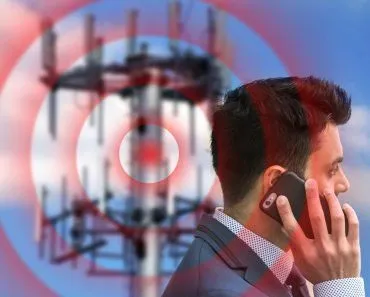
Cellphones: Wireless Devices That Communicate With Network Towers
Although this may seem like a silly question to start with, it’s important, so… what is a cellphone exactly?
A cellphone is a wireless tool that keeps you connected to the entire world, but how does it do that, you may ask? It’s such a cute little device, but as they say, appearances can be deceiving. Under their thin external skin, cellphones contain a myriad of tiny electronic components that help them communicate with network towers wirelessly.
Even though there are no wires involved, there is still an exchange of information between your cellphone and the network tower. How does that happen?
Electromagnetic Radiation
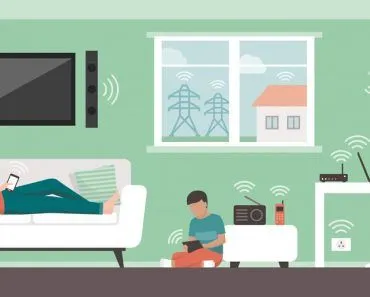
The two-way communication between your phone and the network tower takes place through electromagnetic waves – invisible waves that race to the network tower and return to your phone in seconds! These are radio waves, which sit at the low-energy end of the electromagnetic spectrum. A single photon from a phone operating around 1 GHz carries roughly 4 microelectronvolts (4 millionths of an electronvolt) of energy, billions of times too feeble to knock an electron loose or break a chemical bond. The popular fear is that this radiation could somehow throw a spark and ignite fuel vapor, causing monumental damage in a place like a gas station. So is there any basis to that worry?
Can Cellphones Really Cause Explosions At A Gas Station?
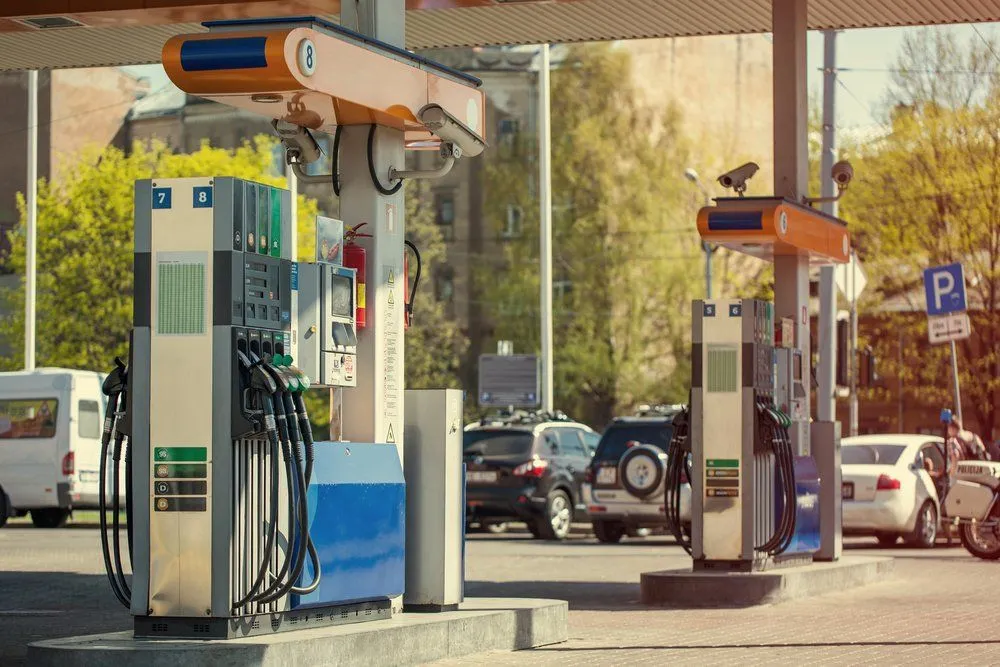
As far as science is concerned, no. There is no documented connection between fires at gas stations and the use of cellphones. The Petroleum Equipment Institute (PEI), which has logged refueling fires for decades, says it has never been able to attribute a single one to a mobile phone, and the U.S. Federal Communications Commission reaches the same conclusion. Researchers (including the team on the TV show MythBusters) have even tried hard to ignite gasoline vapor with a phone and failed. Mobile phones run on low-voltage batteries and emit weak, non-ionizing radio waves that are simply not ‘potent’ enough to throw an igniting spark.
A probable cause of fire (related to a cellphone) may be a defective battery in a phone. However, that is very unlikely, as there is a much smaller chance of you using your phone if it has a defective battery! Also, if we’re talking about defective batteries, then not only your phone, but even your vehicle’s battery, could be defective and potentially cause a fire.
So what actually does start those rare pump fires? In a word, static. When you slide out of your seat and back in mid-fill on a cold, dry day, your body can build up a static charge of several thousand volts. Touching the nozzle can then release a tiny spark, and unlike your phone, that spark sits right where the fuel vapor is. PEI has documented well over a hundred such static-related refueling fires, and almost all involved a driver re-entering the vehicle while the nozzle was still running. The fix is simple: stay outside the car while you pump, and if you do get back in, touch a metal part of the car body (away from the nozzle) to discharge yourself before reaching for the pump again.
Should You Turn Off Your Engine While Pumping Gas?
If your phone is mostly off the hook, you might be wondering about the one warning that almost never gets questioned: keeping the engine running while you fill up. Here the advice is the opposite of the cellphone scare, because this rule is not a myth at all. In the United States, switching the engine off is actually written into law. Most states adopt the International Fire Code, and Section 2305.4 of that code states plainly that "the engines of vehicles being fueled shall be shut off during fueling." The same section is why the dispenser carries those small placards, which Section 2305.6 requires to read "No smoking" and "Shut off motor."

The logic is the same one that lets cellphones off the hook: it is all about keeping ignition sources away from fuel vapor. A running engine is a far more credible spark factory than a phone. It carries live electrical systems, and parts of the exhaust, such as the catalytic converter, run hot enough to be a genuine concern if they ever met a pocket of vapor. None of this means cars routinely burst into flames at the pump, but unlike a phone's whisper-weak radio signal, a running engine is exactly the kind of energetic, heat-and-spark source the code is written to eliminate.
The fire statistics back up where the real risk lives. According to a 2020 U.S. report from the National Fire Protection Association, local fire departments responded to an average of about 4,150 fires a year at service or gas stations between 2014 and 2018, and more than half of them (56 percent) were vehicle fires, driven by mechanical and electrical faults rather than anything a customer was holding. Notably, only 4 percent of the building fires at these sites started with gasoline igniting at all. So the sensible pump routine is simple: cut the engine, leave the phone in your pocket so you are not distracted, and stay outside the car to avoid building up the static charge that causes the rare fires that do happen.
A Word Of Caution
Using a cellphone at a gas station, even if it doesn’t cause a fire, is still not a healthy practice. You may not realize it, but using your phone (talking, texting, or merely skimming through notifications) may distract you and potentially cause accidents, such as being hit by another vehicle or running over pedestrians etc.
It may not seem like it, but putting gas in your vehicle is an important task that requires your undivided attention. Therefore, it’s in your own best interest that you put your phone away for a few moments and keep yourself safe from any nasty accidents.
References (click to expand)
- Wireless Devices at Gas Stations. Federal Communications Commission (FCC)
- Static Electricity. Petroleum Equipment Institute (PEI)
- Will using a cell phone at a gas pump make it explode?. HowStuffWorks
- Can Cell Phones Cause Fires at Gas Pump? - ABC News. ABC News
- Motor Fuel-Dispensing Facilities and Repair Garages, Sections 2305.4 and 2305.6 (International Fire Code, NY State Fire Code 2020). UpCodes
- Service or Gas Station Fires (Marty Ahrens, December 2020). National Fire Protection Association (NFPA)