Table of Contents (click to expand)
Family systems theory, developed by psychiatrist Dr. Murray Bowen in the 1950s, describes how the emotional transmission and interdependence between family members shape an individual’s personality, behavior and life choices. Because a family functions as a single emotional unit, no member can really be understood in isolation. Bowen’s theory is built on eight interlocking concepts — triangles, differentiation of self, nuclear family emotional process, family projection process, multigenerational transmission process, emotional cutoff, sibling position and societal emotional process.
Have you wondered why you were happy as a child when your father got a promotion? Did you just follow the cue that you needed to be happy? No, you really were happy. You saw your mom and dad were happy and their happiness in some form touched you as well. You might not have realized the potential benefits that your father’s increased income could be on your lifestyle; all you can remember is how happy the house seemed.
Family systems theory explains why you felt happy when you did. It also explains why you are so different from your siblings. It also helps you understand why you enjoy spending time with some members while you stay away from others. This theory answers all the questions you may have about your thinking, your relationships and everything in between. Family systems theory describes the transmission and interdependence of family members’ emotional states onto other members of the family, which means that a family is a unit and a single member cannot be studied independently without the other members being considered.
The Emotional Skin
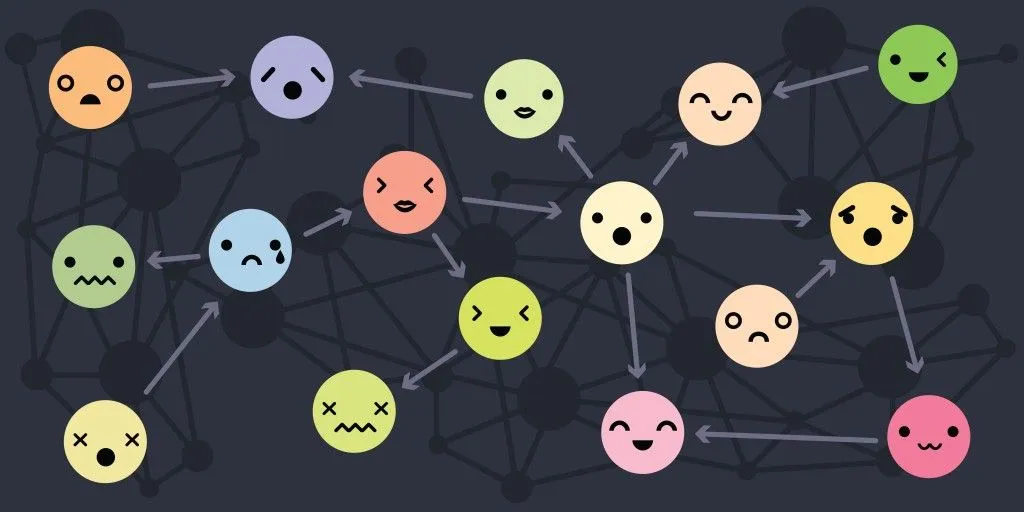
Dr. Murray Bowen, who first proposed this theory in the 1950s, argued that interdependence and connection within a family is a deeply rooted, biologically grounded trait. According to the Bowen Center, this emotional system evolved over millions of years and continues to govern human relationships in much the same way it shapes those of other social species. Our hunter-gatherer past, in which group bonds were essential for food, protection and shelter, simply reinforced what was already a biological necessity.
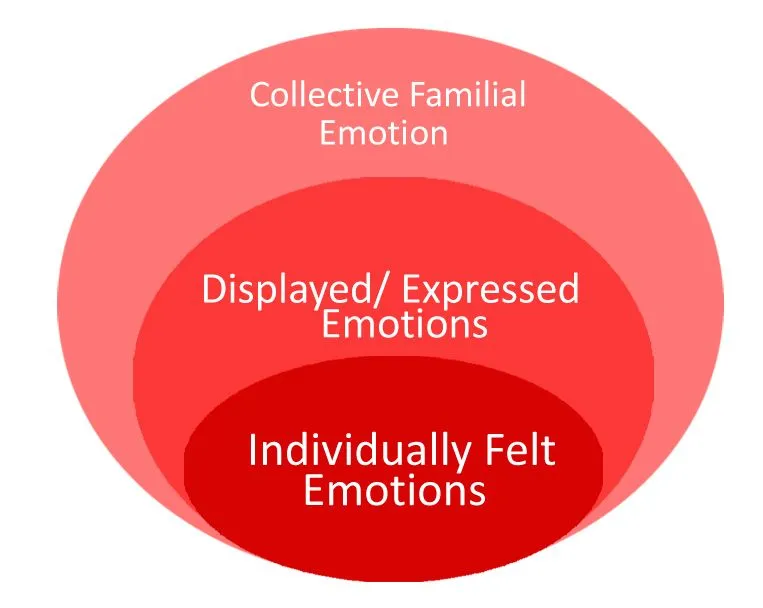
This means that the feelings of every single person create ripples that affect the whole family as a unit. This holds true even when you think you don’t have a great relationship with some members.
Simply put, a child in a loving and caring family tends to progress, while a child in an abusive or dysfunctional household may experience setbacks in their growth. Even though the degree of interdependence varies from one family to another, the family always has a profound effect on individuals and shapes their behavior.
Aim Of The Family Systems Theory
Dr. Murray Bowen formulated this theory and its eight interlocking concepts with the intention of helping people heal therapeutically with active support from their families. Emotions are involved in almost every aspect of human interaction, and most of these emotions are shaped by family; therefore, the family’s involvement is often what helps the healing most. Bowen identified eight interlocking concepts that together describe how the emotional bonds within a family operate.
Triangles
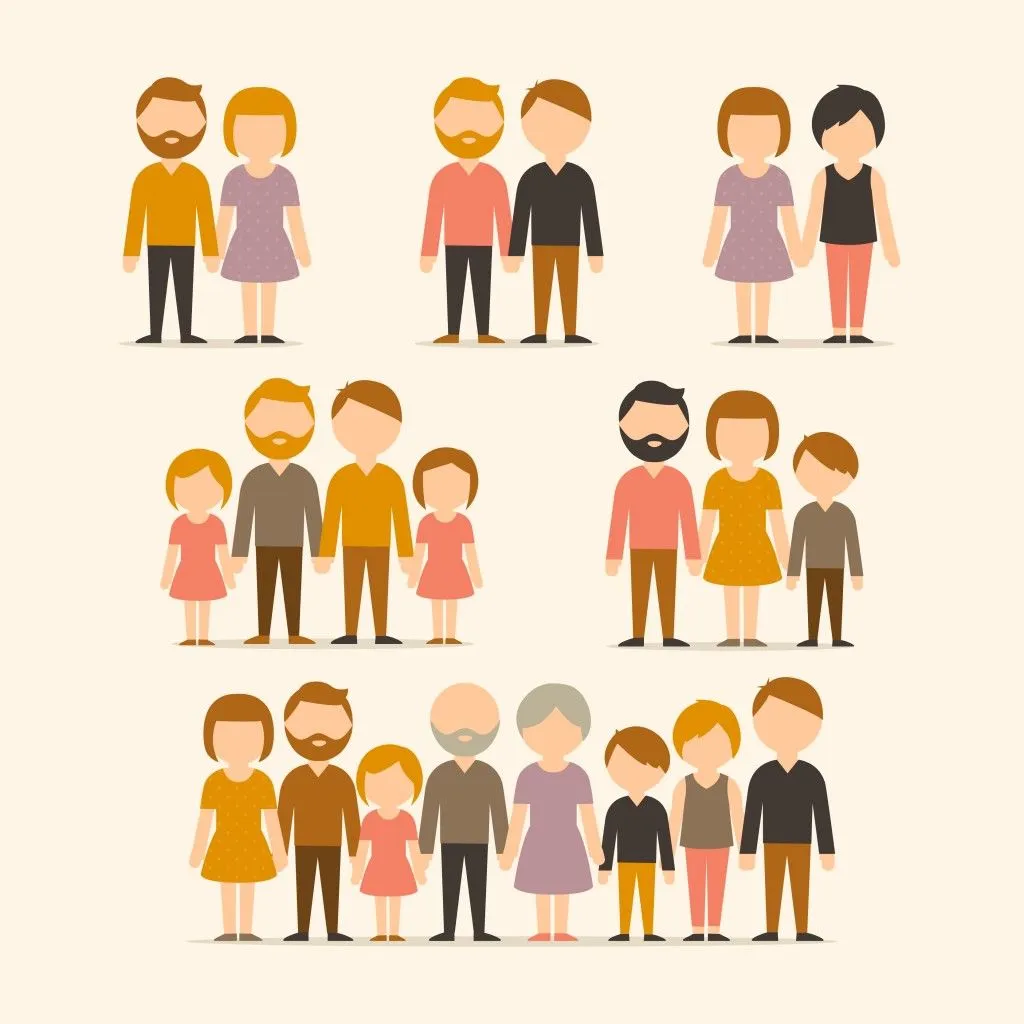
A two-person relationship tolerates very little tension before it pulls in a third person, forming a triangle. A triangle is a more stable configuration than a pair, but it is precariously balanced and known to experience friction every now and then. Consider a group of three friends as a triangle.
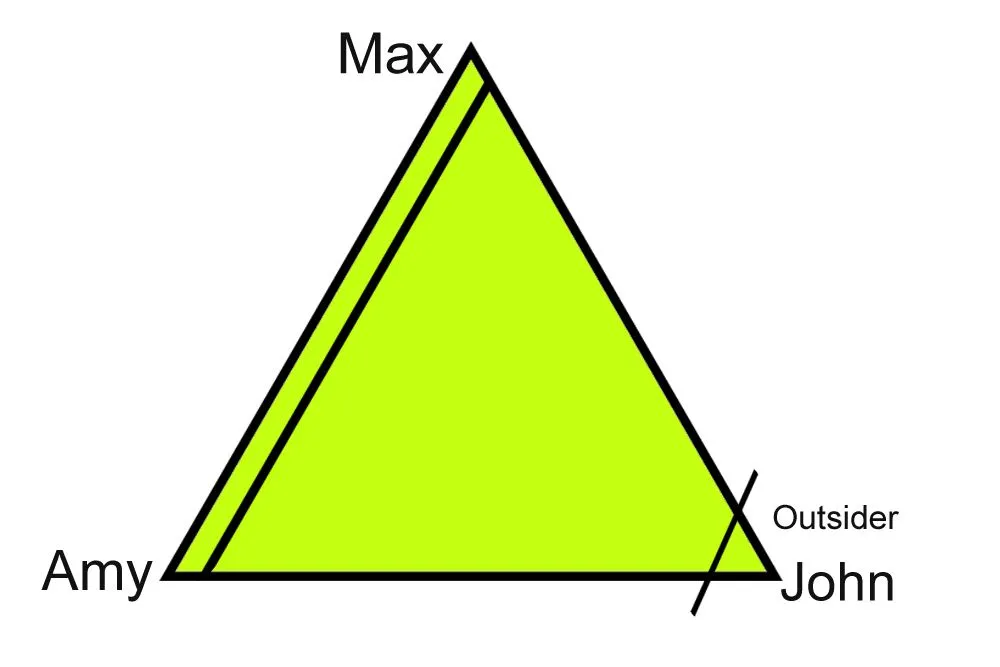
Max and Amy are closer to each other. John feels like an outsider at times, but in the case of conflicts, Amy often sides with John for support, thus making Max the outsider. The tension of the relationship is shifted to Max and Amy’s relationship in the case of conflicts. This tension shifts to John and Max’s relation if there is a conflict between them. At any given time, there are 2 relationships that balance the third conflicting one, so in a triangle the side carrying tension continuously shifts among the three sides, keeping the overall system balanced. Bowen also noted that under high tension, the outside position can actually become the most desirable one, with each pair maneuvering to push the conflict outside themselves.
Differentiation Of Self
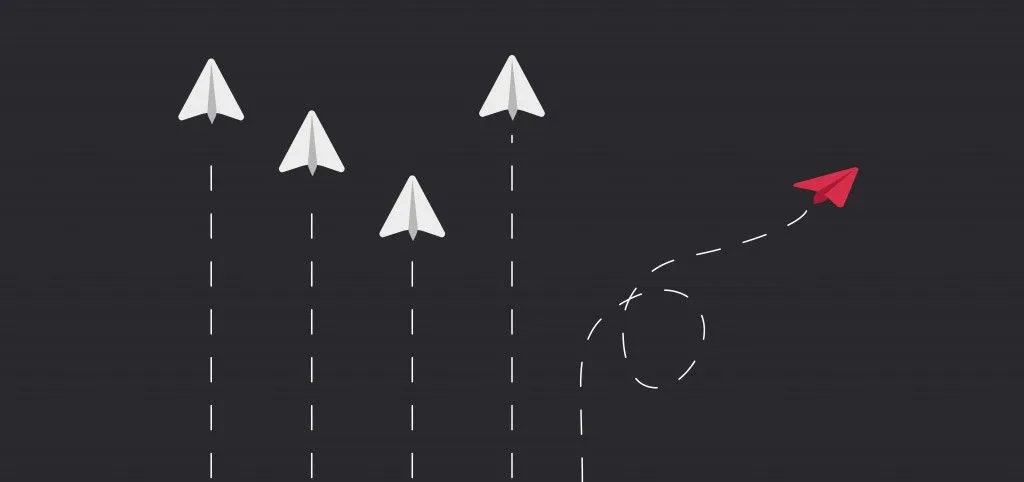
Every person in a family is unique. In spite of being a part of the same unit, people develop their personalities differently based on their own perceptions. The manner and the depth of an individual’s development define how different they are from the collective thinking of the family.
A person who has developed a strong sense of ‘self’ is not likely to give up on their thoughts under the influence of a group. She/he would be calm and level-headed in the face of conflicts or criticisms. Such a person can clearly understand his/her dependence on the family but is also confident enough to take a stand when necessary.
A person with a less developed sense of ‘self’ often has a higher regard for what the crowd thinks and therefore may try to please others. They are prone to be self-conscious and under-confident. Differentiation of self relates more to an individual’s ability to maintain his/her own originality without succumbing to outside pressures.
The more interdependent a family is, the weaker the sense of ‘self’ that is present in the members, and the more one person’s issues raise the whole family’s stress levels. According to the Bowen Center, the basic building blocks of differentiation are largely set during childhood and adolescence and rarely shift much in later life unless a person makes a structured, long-term effort.
Nuclear Family Emotional Process
As the name suggests, this system is defined especially for nuclear families. A nuclear family includes single-parent as well as step-parent dynamics. This process is governed by four relationship aspects.
Marital Conflict
When partners face conflicts outside the family, they tend to vent their frustrations on each other, which causes stress and anxiety.
Dysfunction In One Spouse
Marriage is about balance and understanding between spouses, but when one of the partners becomes obsessive or critical about the other, a tense situation arises. The harmony is lost because one of the partners refuses to accommodate the other, which often leads to conflict and emotional stress.
Impairment Of One Or More Children
When a child develops some bad habit, parents often chide them, but if parents worry excessively and obsessively about one child, there are serious conflicts, causing the self-esteem and confidence of the child under pressure to crumble. Oftentimes, the child may become a target for parents to vent their own frustrations on, which further complicates the situation.
Emotional Distance
When a family is suffering from a crisis, members sometimes try to handle their anxieties by distancing themselves from some member of the family, which creates voids. The distance gradually increases if matters are not sorted out at the onset and may change the family dynamic permanently.
People sometimes get away from their partners or parents in order to remove ‘toxicity’ of their life, without taking the effort to talk to the respective members which cause emotional stress to all the parties involved.
Family Projection Process
Parents may have emotional and mental stresses, which they often transmit to their children in some way. This process follows 3 steps:
- The parent fears that the child has some issue and therefore pays extra attention to that particular child in order to solve the ‘feared’ issue.
- The child behaves in a way that confirms the parent’s fear of the child having some issue.
- The child is then treated by the parent as if there is actually an issue with the child.
Here, the primary task of scanning, diagnosing and treatment is all done by the parent due to their own fear of the issue. The child may not even have any problem, but the constant fear of parents treating the child in a certain way and he/she reacting in a certain way could confirm the alleged suspicion.
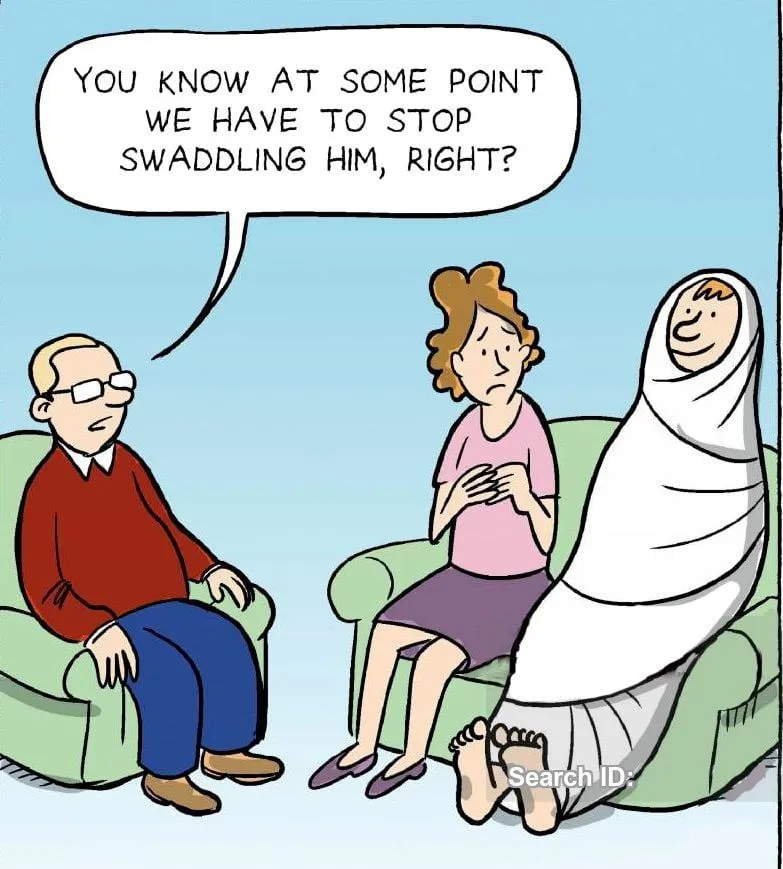
If a parent thinks that a child lacks a certain quality that they deem essential, they may go out of their way to instill this quality, which breaks the natural process and makes the child severely dependent on parental guidance and encouragement. This ultimately leads to a child that has a lower developed sense of ‘self’.
Multi-generational Transmission Process
The involvement of parents in a child’s life, the response of the child to the parent’s effort, and the conscious teaching of values by parents to their children tend to significantly affect a child’s ‘differentiation of self’. The development of ‘self’ of a child is similar to that of his/her parents, but there are slight variations.
When the member marries, a person with a different sense of ‘self’ may enter the family, and hence the offspring will be under the influence of two individuals. This will continue transitioning as the family grows, so there is a larger difference in the ‘differentiation of self’ as generations progress.
For example, if a child sees that his/her grandparents are held in contempt by their parents, the child may perceive this as normal. To a child, this would be the ideal way to treat parents, so he/she may develop a sense of ‘self’ that aligns with their parents’ behavioral patterns and values. This behavior may span multiple generations!
The difference in the ‘differentiation of self’ affects various aspects of an individual, including health, education, marriage, and occupation. One mechanism Bowen highlighted is that people tend to choose partners whose level of differentiation roughly matches their own, which is what allows small differences to compound across generations into noticeable divergences between different branches of the same extended family.
Emotional Cutoff
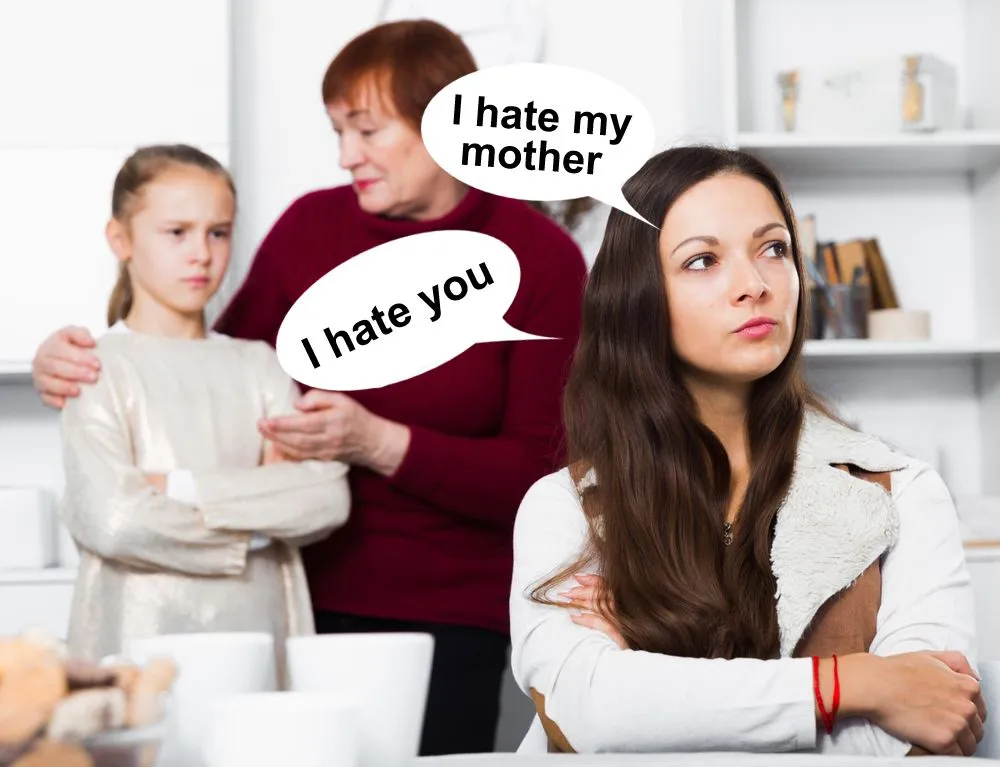
Where there is a family, there are bound to be problems for various reasons that can put an emotional or mental strain on a person. To relieve this stress, people sometimes choose to cut off emotionally from the family or distance themselves from some of the members. People may move out of the house or begin a life in a distant place to be away from the pressure. Whenever the member visits the family, old memories and issues resurface, which cause undercurrents that drive members of the family to grow tired.
Also, a person who has distanced themselves emotionally from the family may burden other relationships in order to satisfy the emotional void. Such a person tries to form a family-like bond with other people who may or may not reciprocate those sentiments. Additionally, there is extra pressure on his/her other relationships to make him/her feel complete.
An important Bowen point worth flagging: cutoff doesn’t actually resolve anything. Relationships may look better after a cutoff, but the underlying problems are simply dormant, not dealt with. They tend to resurface in new relationships — marriages, friendships, even working relationships — which is why the cycle often repeats.
Sibling Position
This concept was originally based on the research of psychologist Walter Toman — specifically his 1961 book Family Constellation — which Bowen found so thorough and consistent with his own thinking that he folded it into the family systems theory.
According to this theory, the position of the siblings also plays a major role in the development of their’ self’. The oldest sibling is more likely to be in the leadership position, while the youngest one is often the ‘follower’. The middle one has characteristics of both, to some extent. There are also cases wherein the roles are reversed due to a different development of ‘self’.
This position also affects other aspects of individuals, like their choices regarding marriage. The oldest sibling of a family married to the youngest one of another family will often work in harmony because they are two individuals who have had complementary roles in their respective families.
Similarly, if two spouses are the oldest in their respective families, there are chances of conflict, because both of them were leaders in their previous roles and therefore try to assume the same role in their married life, which may often lead to conflicts and differences.
There is also a different evolution of ‘self’ when there are siblings of opposite genders and when there are siblings of the same gender. When a brother has a sister, he is comfortable being around a female presence, which might not be the case had his sibling been a brother instead.
Societal Emotional Process
The Bowen theory does not limit the development of an individual to the family alone; there are also cultural and societal influences that affect families, and the reaction of families to such changes shapes entire generations. While there are anxiety and tension in society as a whole, parents try to monitor children, but give in to their demands to relieve the temporary stress.
These children then learn to identify that their parents are in an uncertain position and become more and more rebellious, which leads to an increase in crime rates, violence, divorce rates, etc. Such a situation leads to a period of regression for society as a whole. Conversely, when principled disciplinary action is taken by parents, there are periods of progression. Parents with a lesser developed sense of ‘self’ are more prone to let their kids get away with acting out without correcting them.
Family systems theory helps individuals understand themselves while resolving their conflicts and gaining better emotional interdependence. The whole family comes together to support a member. This theory is used by psychologists, family therapists and social workers all over the world to help people suffering from emotional setbacks. A 2022 scoping review in Clinical Psychology Review covering nearly 300 studies confirmed that Bowen’s ‘differentiation of self’ remains a robust predictor of psychological health, marital quality, physical health and intergenerational relationships — and a 2024 critique in the Australian and New Zealand Journal of Family Therapy revisited the theory’s strengths and limits, reaffirming its continued clinical relevance more than seven decades after Bowen first proposed it.