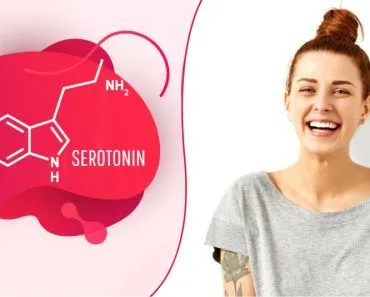
Yes. The dopamine hypothesis holds that schizophrenia involves too much dopamine activity in key brain pathways, which is why the positive symptoms (hallucinations and delusions) ease when antipsychotics block dopamine receptors. But dopamine is not the whole story: glutamate also plays a major role, and in 2024 the first non-dopamine antipsychotic was approved.
Schizophrenia is a complex mental disorder with symptoms that include delusions, hallucinations, disorganized speech, and disorganized behavior. Over the years, several theories have emerged in an attempt to unravel the intricate nature of schizophrenia. However, one hypothesis that has gained considerable attention and has significant research backing it is the dopamine hypothesis.
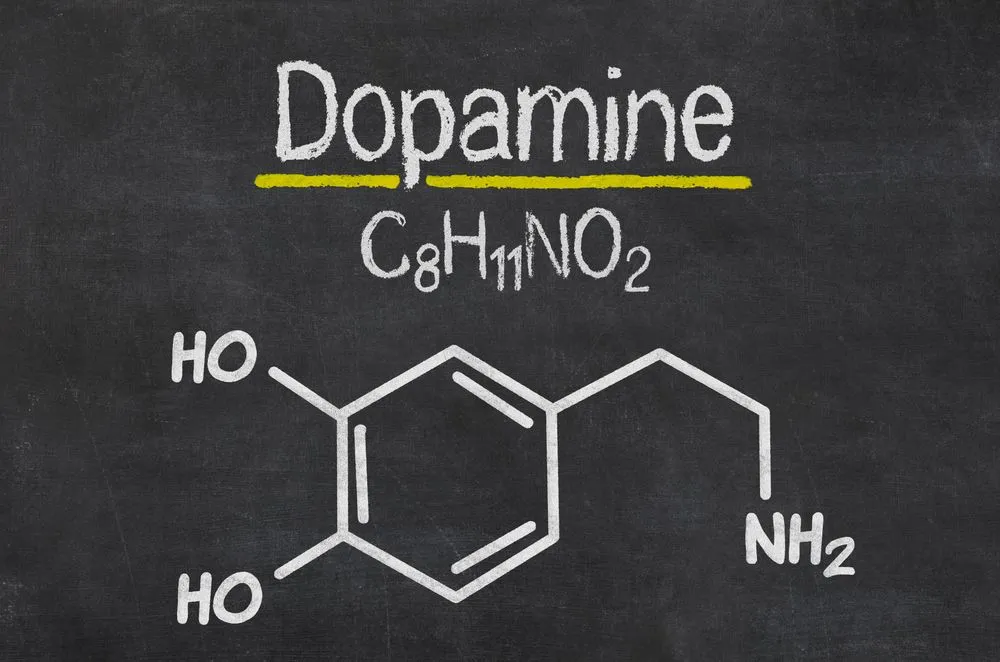
The idea behind this hypothesis is that when it comes to schizophrenia, there’s a problem with the balance or regulation of dopamine in a person’s system. Specifically, the positive symptoms (like hallucinations and delusions) are tied to too much dopamine activity in certain brain pathways, rather than too little. Dopamine is a chemical messenger in the brain that helps with various functions, such as motivation, pleasure, and energy. This hypothesis has not only given us valuable insights into how the disorder works in the brain, but has also influenced the development of antipsychotic medications that specifically target dopamine receptors.
Study of Involvement of Dopamine in Schizophrenia
For years, scientists have been puzzled about what causes schizophrenia. Is it caused by genetics, a chemical imbalance in the brain, or environmental conditions and traumatic experiences? Though we don’t have a conclusive answer to this question, a lot of research on schizophrenia has implicated dopamine as a significant factor. This understanding comes from three major pieces of evidence (observations).
In 1952, a French surgeon named Henri Laborit recognized the calming effect of a newly synthesized drug called chlorpromazine (Thorazine), which soon proved to reduce hallucinations and delusions in patients with schizophrenia. Researchers later worked out that the drug acts by blocking dopamine receptors in the brain, consequently dampening dopamine’s effects.
The second piece of evidence came from the discovery that amphetamines cause psychosis. Amphetamines increase dopamine in the brain. This over-stimulates the brain with the available dopamine, which induces schizophrenia-like symptoms. For instance, a study found that consistent use of LSD can lead to paranoid-schizophrenia-like symptoms.
The third observation comes from studying Parkinson’s disease, which is caused by low levels of dopamine. It was observed that when Parkinson’s patients were given a drug known as L-DOPA, which the brain converts into dopamine and thereby raises dopamine levels, it sometimes led to patients experiencing schizophrenia-like symptoms.
All of this circumstantial evidence points toward the role of dopamine in inducing schizophrenia-like symptoms.

How does dopamine affect schizophrenia?
The activity of the dopaminergic system can influence how much attention a person pays to both internal and external events. Dysregulated dopamine transmission can lead to individuals paying more attention to and attaching more importance to stimuli that are not relevant. This is referred to as “aberrant salience,” a framework proposed by psychiatrist Shitij Kapur.
This helps explain why people may develop delusions or experience hallucinations, as they almost always report high levels of sensory awareness (e.g., “My senses were heightened” or “I developed a fascination with the seemingly insignificant details around me”), or they report an increased significance of the events around them (“I felt that this situation had an overwhelming importance”).
These individuals struggle to make sense of experiences that had previously existed in the background, but have now (seemingly) become extremely important. For example, they may perceive the white noise hum of a refrigerator as a voice speaking to them, or they may think that a package arriving at an inopportune time is a viable threat.
The functional excess of dopamine occurs when there is a lot of dopamine available in the synapse. This can happen through an increase in synthesis (less absorption of dopamine), an increase in the production of dopamine, when the brain releases too much dopamine in the synapse directly, or the slowing down of the rate at which dopamine is broken down once it is in the synapse. It can also occur if there is a blockage in the neuronal re-uptake of dopamine. As mentioned before, sometimes the receptors on which the dopamine acts are either very dense or very sensitive, which makes the brain react as if there is too much dopamine, when only a normal amount of it is actually present. More recent research has sharpened this picture: rather than a simple flood of dopamine everywhere, the core problem appears to be excess dopamine synthesis and release in the striatum, a deep brain region, while activity may actually be reduced in parts of the prefrontal cortex.
Is Dopamine the only neurotransmitter involved in schizophrenia?
No. Schizophrenia is a complex disease and a single neurotransmitter isn’t the exclusive cause. Research has also implicated the involvement of glutamate, which is a key excitatory neurotransmitter. This evidence comes from the observation that phencyclidine (PCP or angel dust), a drug that blocks NMDA-type glutamate receptors, causes schizophrenia-like symptoms in healthy people. The same is true of ketamine, another NMDA-receptor blocker. Moreover, when people diagnosed with schizophrenia take PCP, their symptoms seem to worsen.
The heart of this idea is not simply that glutamate is low, but that one of its receptors does not work as it should. Neurocognitive researchers Olney and Farber proposed that several types of glutamate receptors (NMDA receptors) are underactive in people who have schizophrenia. This can result in the loss of neurons in critical brain regions and cause symptoms resembling schizophrenia. Subtle brain injury may happen if the NMDA receptors aren’t ordinarily activated.
All in all, this glutamate hypothesis, along with the dopamine hypothesis, continues to gain traction in schizophrenia research. Both are promising, and they are leading to the development of newer drugs that can offer better treatment for countless people around the world. The clearest sign of this shift came in September 2024, when the U.S. Food and Drug Administration approved Cobenfy (xanomeline-trospium), the first schizophrenia drug in decades that works without blocking dopamine receptors. Instead, it acts on a different system entirely, the brain’s cholinergic (muscarinic) receptors, a striking reminder that dopamine is an important part of the schizophrenia story, but not the only one.
References (click to expand)
- KA Hewitt. (2002) LSD and changing ideas of mental illness, 1943–1966. search.proquest.com
- Kunz, E. (2014, March 31). Henri Laborit and the inhibition of action. Dialogues in Clinical Neuroscience. Informa UK Limited.
- Rognli, E. B., & Bramness, J. G. (2015, September 28). Understanding the Relationship Between Amphetamines and Psychosis. Current Addiction Reports. Springer Science and Business Media LLC.
- Nieoullon, A. (2002, May). Dopamine and the regulation of cognition and attention. Progress in Neurobiology. Elsevier BV.
- Seeman, P. (1987). Dopamine receptors and the dopamine hypothesis of schizophrenia. Synapse. Wiley.
- Vincent, J. P., Kartalovski, B., Geneste, P., Kamenka, J. M., & Lazdunski, M. (1979, September). Interaction of phencyclidine ("angel dust") with a specific receptor in rat brain membranes. Proceedings of the National Academy of Sciences. Proceedings of the National Academy of Sciences.
- Uno, Y., & Coyle, J. T. (2019, March 6). Glutamate hypothesis in schizophrenia. Psychiatry and Clinical Neurosciences. Wiley.
- Olney, J. W. (1995, December 1). Glutamate Receptor Dysfunction and Schizophrenia. Archives of General Psychiatry. American Medical Association (AMA).
- Hu, W., MacDonald, M. L., Elswick, D. E., & Sweet, R. A. (2014, October 14). The glutamate hypothesis of schizophrenia: evidence from human brain tissue studies. Annals of the New York Academy of Sciences. Wiley.
- LSD Statistics - LSD, Mushrooms, Mescaline & Other .... Foundation for a Drug-Free World
- Fuentes, J. J., Fonseca, F., Elices, M., Farré, M., & Torrens, M. (2020, January 21). Therapeutic Use of LSD in Psychiatry: A Systematic Review of Randomized-Controlled Clinical Trials. Frontiers in Psychiatry. Frontiers Media SA.
- Vardy, M. M. (1983, August 1). LSD Psychosis or LSD-Induced Schizophrenia?. Archives of General Psychiatry. American Medical Association (AMA).
- Mahmood, D., Alenezi, S. K., Anwar, M. J., Azam, F., Qureshi, K. A., & Jaremko, M. (2022, May 23). New Paradigms of Old Psychedelics in Schizophrenia. Pharmaceuticals. MDPI AG.
- Krebs, T. S., & Johansen, P.-Ø. (2013, August 19). Psychedelics and Mental Health: A Population Study. (L. Lu, Ed.), PLoS ONE. Public Library of Science (PLoS).
- Seeman, M. V. (2021). History of the dopamine hypothesis of antipsychotic action. World Journal of Psychiatry. PMC, National Library of Medicine.
- Kapur, S. (2003). Psychosis as a State of Aberrant Salience: A Framework Linking Biology, Phenomenology, and Pharmacology in Schizophrenia. American Journal of Psychiatry.
- NDA 216158 Approval Letter for COBENFY (xanomeline and trospium chloride), September 26, 2024. U.S. Food and Drug Administration.
- Cobenfy (Xanomeline-Trospium Chloride): A New Frontier in Schizophrenia Management. PMC, National Library of Medicine.