Table of Contents (click to expand)
Colloquially called “magic mushrooms”, psilocybin mushrooms can trigger hallucinations, mood changes and other “trippy” effects on the brain. The mushrooms contain psilocybin, which the body converts into psilocin. Psilocin closely resembles serotonin and switches on the brain's serotonin 5-HT2A receptors, producing the altered perception of a psychedelic trip.
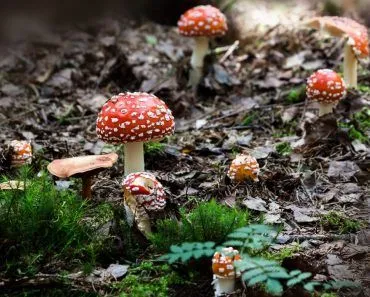
“Shrooms”, “magic mushrooms”, “gold caps”, “mushies” and on and on. All of these are slang terms referring to a certain psychedelic mushroom. If you are familiar with these terms, then you might have guessed the particular mushroom I’m talking about…Psilocybin mushrooms.
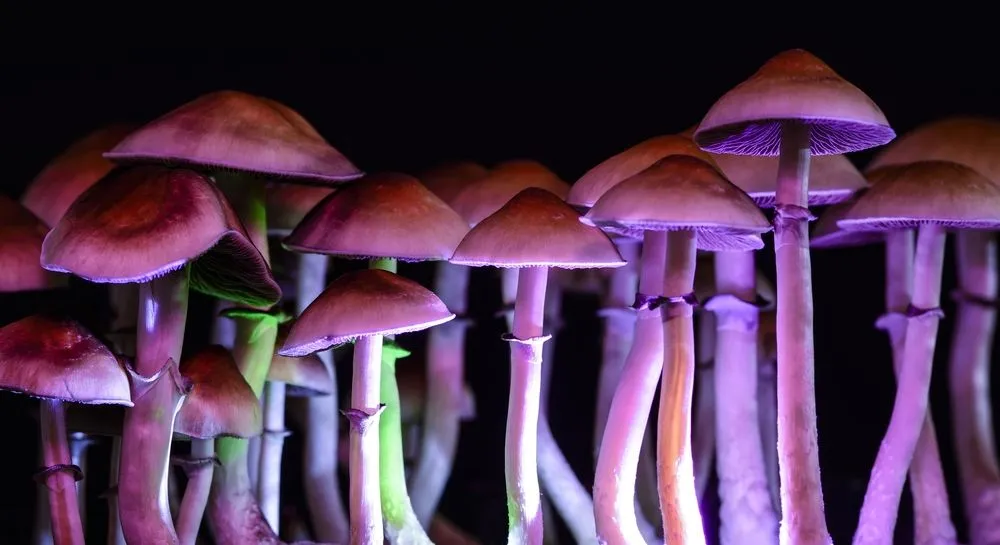
Psilocybin mushrooms can trigger hallucination, changes in mood and other decidedly trippy symptoms. Don’t be fooled by their ordinary appearance, as they are capable of making us go through some truly mind-altering experiences. Thus, it comes as no surprise that they are described as “magic” mushrooms.
What makes psilocybin a magical mushroom? How does it affect your brain and are they safe to consume?
The Magical Elements Of Mushroom
Psilocybe cubensis has been used by some cultures for centuries, like the native Mexican and American cultures. Magic mushrooms are consumed fresh or dried by either cooking or smoking them.
The reason behind the psychotropic (or magical) nature of the psilocybin mushroom is the presence of two tryptamine alkaloids: psilocybine and psilocin.
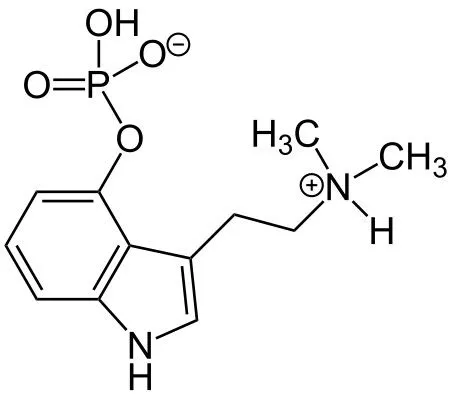
Psilocybine (4-phosphoryloxy-N,N-dimethyltryptamine) is the major psychedelic compound found in psilocybe mushrooms. Apart from being a hallucinogen, they also act as a serotonergic agonist. Serotonergic agonists are agents that have an affinity towards serotonin receptors, and can also mimic the effects of serotonin. They do so by stimulating the physiological activity at the cell receptors.
Serotonin is a hormone that stabilizes our mood and the feeling of well-being. A serotonergic agonist acts like antidepressants and anxiolytics (anti-anxiety drug).
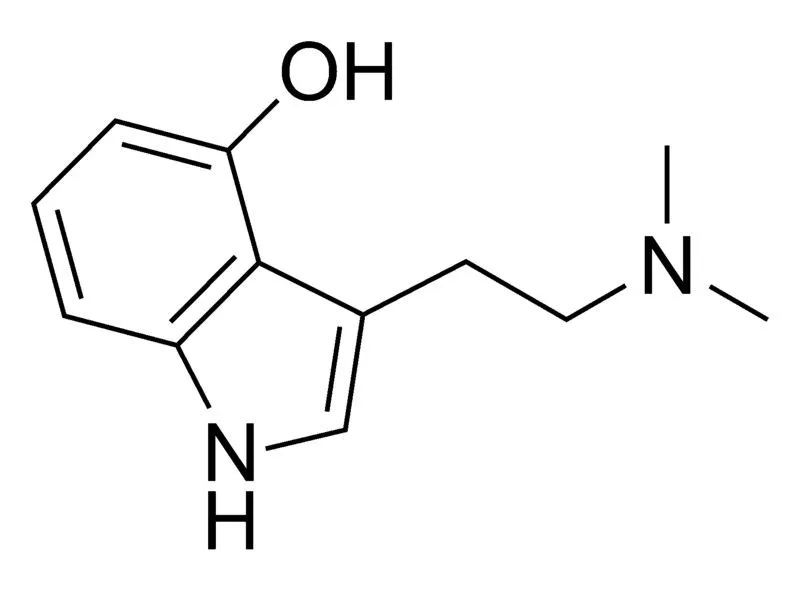
After ingesting the magic mushroom, the psilocybine acts as a prodrug. Meaning, it undergoes chemical changes in the body (enzymes strip off a phosphate group, a step called dephosphorylation) to turn into a pharmacologically active drug called psilocin. Psilocin (4-Hydroxy-N,N-dimethyltryptamine) is present in the mushroom, but only in trace quantities. Just like psilocybine, it acts like a hallucinogen and a serotonergic agonist.
Apart from these two tryptamines, some species of psilocybe can have baeocystin and norbaeocystin, which are thought to be less active. The amount of psilocybin in Psilocybe cubensis varies a great deal from one mushroom to the next, but typically falls in the range of roughly 0.4 to 1.3% of the dried weight, with most of it concentrated in the cap rather than the stem.
How Does It Affect Our Brain?
In terms of their chemical structure, both psilocybin and psilocin closely resemble serotonin itself. Because of that resemblance, psilocin slots into the brain's serotonin receptors, chiefly the serotonin 2A (5-HT2A) receptor, and switches them on, acting as an agonist. This receptor activation is what produces the tripping effect, along with the anti-depressant and anti-anxiety effects reported in research.
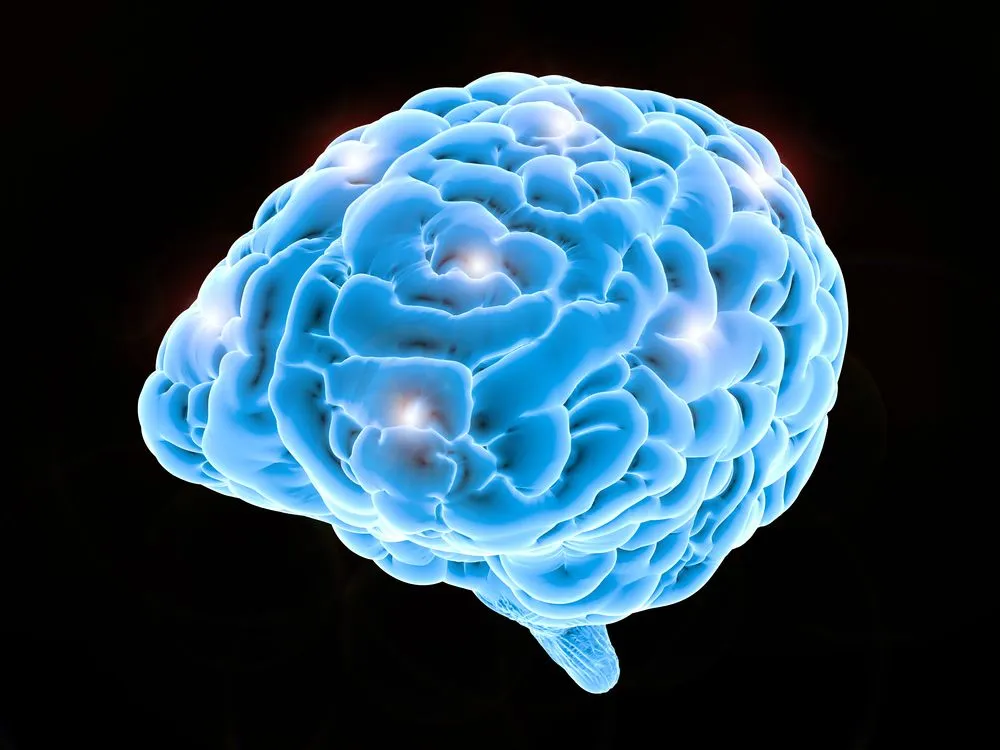
A 2020 brain-imaging study from Johns Hopkins found that psilocybin reduces neural activity in the claustrum by roughly 15 to 30%. The claustrum is a thin, sheet-like band of neurons that connects the cortical and subcortical regions of the brain and is densely packed with the 5-HT2A receptors that psilocin targets. The study linked this drop in claustrum activity to the stronger subjective effects of the drug, the wild emotional, mystical and visual experiences that people report.
The same study also found that psilocybin alters the way the claustrum communicates with different parts of the brain. These parts include the hearing, attention, remembering and decision-making parts of the brain.
The “Tripping” Effect
The extent to which the magic mushrooms affect an individual depends on their body type (weight, metabolism power) and their level of tolerance to the hallucinogen. Apart from these, the concentration and the species of mushroom consumed also affects the experience.
It takes around 30-60 minutes for a detectable psychedelic effect from a low to moderate (2-10g) amount of psilocybin. However, the effects of the shrooms last for about 3 to 6 hours.
The tripping effect of the magic mushroom has a lot in common with LSD (Lysergic acid diethylamide), which is also a psychedelic drug that affects the nervous system to distort the perception of reality. The psychotropic effects of the mushroom range from feelings of relaxation, euphoria, seeing colors, patterns and optical illusions to giddiness, delusions, altered perception of time and real hallucinations.
If these experiences seem adventurous to you, then let me tell you the not-so-adventurous side of this drug. All these exciting feelings may also be coupled with what people refer to as “bad trips”, when the substance is used under an uncontrolled setting, just for recreation. A bad trip may include feelings of restlessness, incoordination, fear, panic attacks, traumatic flashbacks, paranoia, short-term psychosis and tingling sensations. And to add to the misery, many people also experience nausea, dilation of their pupils, vomiting, headaches, chills and drowsiness. Still sound appealing?
At high doses, people can also have “mystical-type” experiences, which involve ego dissolution, the notion of self and a sense of connection with the universe. Such experiences can result in long-term changes in personality traits and towards a person’s overall life outlook.
Are Magic Mushrooms Dangerous?
Any drug that affects our nervous system and interferes with bodily functions carries some risk. That said, compared to many other recreational drugs, Psilocybe cubensis has low physiological toxicity, and a fatal overdose from the psilocybin itself is extremely rare. The bigger hazards are behavioral: because the drug distorts perception and judgment, carrying out activities such as driving or swimming while under its influence sharply raises the risk of accidents.
The most serious real-world danger comes from misidentification. Several deadly poisonous species look a great deal like harmless psilocybin mushrooms, and eating the wrong one can cause severe poisoning that may lead to gastrointestinal illness, swings in heart rate and blood pressure, and in the worst cases liver or kidney failure. Psilocybin can also trigger a frightening "bad trip," and it is not considered safe for people with a personal or family history of psychosis.
Conclusion
Though magic mushrooms are commonly used for recreational purposes, scientists believe that psilocybin may also help treat various mental health conditions. In a landmark 2016 trial at Johns Hopkins Medicine, a single high dose of psilocybin given to patients with life-threatening cancer produced substantial relief from depression and existential anxiety, and about 80% of them were still better off six months later. Findings like these have moved psilocybin into mainstream drug development: the US Food and Drug Administration granted it "breakthrough therapy" status for treatment-resistant depression in 2018 and for major depressive disorder in 2019, and a 233-person trial published in The New England Journal of Medicine in 2022 reported that a 25 mg dose eased treatment-resistant depression.
This psychedelic drug might be capable of something more than just providing a mind-altering experience. However, more research is required to confirm its effectiveness for a diverse range of ailments and to ensure the substance is safe to consume for a long period of time without causing any adverse side effects.
References (click to expand)
- Neuroscience for Kids - Hallucinogenic Mushrooms. The University of Washington
- Lowe, H., Toyang, N., Steele, B., Valentine, H., Grant, J., Ali, A., … Gordon, L. (2021, May 15). The Therapeutic Potential of Psilocybin. Molecules. MDPI AG.
- Kargbo, R. B. (2020, March 2). Psilocybin Therapeutic Research: The Present and Future Paradigm. ACS Medicinal Chemistry Letters. American Chemical Society (ACS).
- Hallucinogenic mushrooms drug profile. European Union Drugs Agency (EUDA)
- Barrett, F. S., et al. (2020). Psilocybin acutely alters the functional connectivity of the claustrum with brain networks that support perception, memory, and attention. NeuroImage.
- Hallucinogenic drug found in “magic mushrooms” eases depression, anxiety in people with life-threatening cancer. Johns Hopkins University.