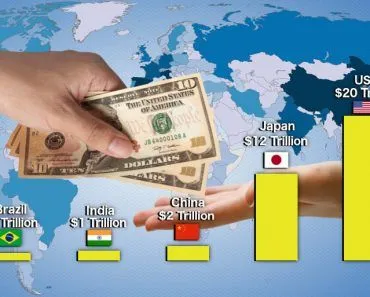
Worn or torn US bills are pulled from circulation by the Federal Reserve, shredded, and mostly recycled into compost or building materials (no longer dumped in landfills). A damaged note is still legal tender and spendable if clearly more than half of it survives. Badly mutilated cash (burned, soaked, or shredded) can be mailed to the Bureau of Engraving and Printing for free redemption.
In 21st century society, we often feel like slaves to the almighty dollar. Economic downturns and paychecks dictate so much of what we do, think and buy. Our pockets jangle with loose change and our wallets bulge with cash, if we’re lucky!
Cash is something that we still can’t live without for many services, and it is a popular form of currency around the world – relatively inexpensive to make, easy to carry, and accepted everywhere. The average currency note can change hands hundreds of times in the course of its life, and at some point along the line, it’s almost bound to get torn, ripped, shredded, burned, or any other type of damage that simply can’t be fixed.
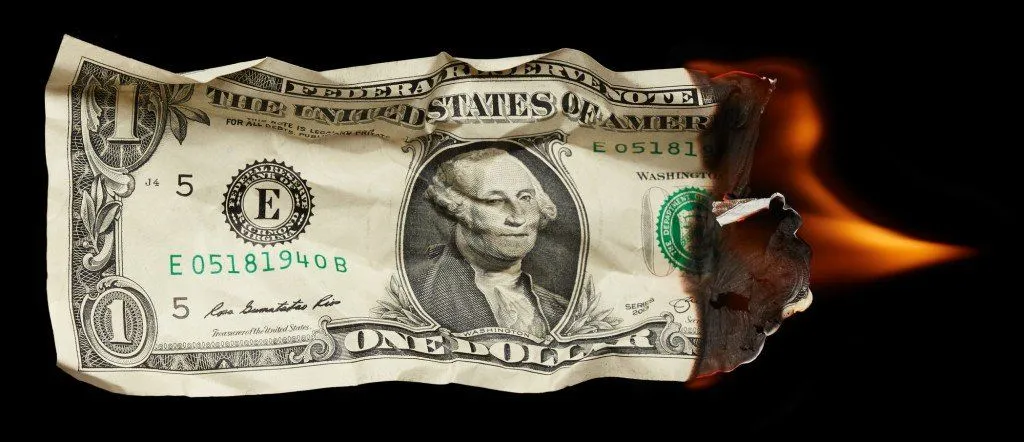
When currency is torn, it is usually taken “out of circulation”, but what does that really mean? What happens to currency once it’s damaged?
The Life Of A Banknote
Every year, in the US alone, billions of banknotes are printed. The Federal Reserve’s 2024 print order, for instance, called for roughly 5.3 to 6.9 billion notes, worth somewhere north of $180 billion. Most of those bills aren’t expanding the money supply at all. They’re replacements, because worn-out notes are constantly being pulled out of the system. Imagine that you’re a $1 bill being passed around a dozen times a year (at least), being stuffed in pockets, slid through vending machines, dropped on the floor, folded in a wallet, etc. Your average lifespan would be about 7 years, because you go through a lot of wear and tear.
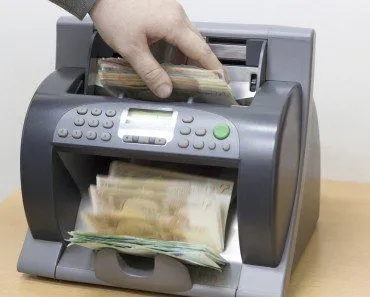
However, higher-value banknotes that get handled far less often, like a US $100 bill, can stay in circulation for two decades or more (the Federal Reserve currently estimates around 24 years for a $100 note, versus about 7 for a $1). The better condition a bill stays in, the longer it will remain in circulation. When bills pass through any Federal Reserve bank (there are 12 scattered throughout the US, handling hundreds of billions of dollars each year), they must go through a quality or fitness check. This is to ensure that the bills are in appropriate condition to be used in things like vending machines and ATMs. If a bill is too dog-eared, folded, soiled, or limp, the bill is separated from the rest by a high-speed sorting machine such as the Banknote Processing System 3000 (BPS 3000), which can scan and sort on the order of 100,000 notes an hour.
If a bill is deemed unfit to be put back into circulation, it is immediately sent to a shredder, while the denomination of the bill is noted. Billions of banknotes are destroyed this way every year in the United States alone, and are subsequently replaced, helping to keep the currency in circulation crisp, usable and clean. Those shreds don’t simply get buried anymore, though. The Federal Reserve used to dump most of this confetti in landfills, but today it recycles roughly 90% of it, turning retired money into compost, insulation, cardboard, and other building materials.
This is how the government passively controls the quality and amount of paper money in circulation. The government uses the figures reported from the Federal Reserve Banks as a guide for how much new money needs to be printed, in addition to considerations of bills that had been destroyed, inflation, foreign exchange loss, etc.
So Are Damaged Bills Useless?
Absolutely not. Currency in the United States is managed by the US Treasury, its Bureau of Engraving and Printing (which prints the bills), and the Federal Reserve (which puts them into circulation). By their rules, an ordinary damaged bill is definitely still valid, provided that CLEARLY more than 50% of the note is intact and the denomination can be identified without any intense investigation. In other words, if you drop your bill in the toilet, dry it out, let your dog chew on it, and then singe the corners, as long as you can still make out George Washington’s face and clearly more than half of the paper survives, you can spend that $1 bill. These are called non-mutilated bills, and are still considered valid currency by law.
Many people claim to have problems spending damaged currency, and it is true that a number of retail establishments and businesses don’t want to accept money that is torn or soiled. However, they don’t like accepting them because other customers don’t typically want to receive damaged currency as change! You can always go to your local bank and exchange this currency, provided it falls within the guidelines of non-mutilated bills.
The same logic applies on the other side of the Atlantic. As a general rule, the Bank of England will reimburse the face value of a damaged genuine banknote as long as you still have at least half of it (Scottish and Northern Irish notes are handled the same way by their issuing banks), and most claims are assessed within about a month.
Furthermore, many businesses pass along their earnings directly to banks, which will accept damaged money and pass it along the chain to a Federal Reserve bank (explained above).
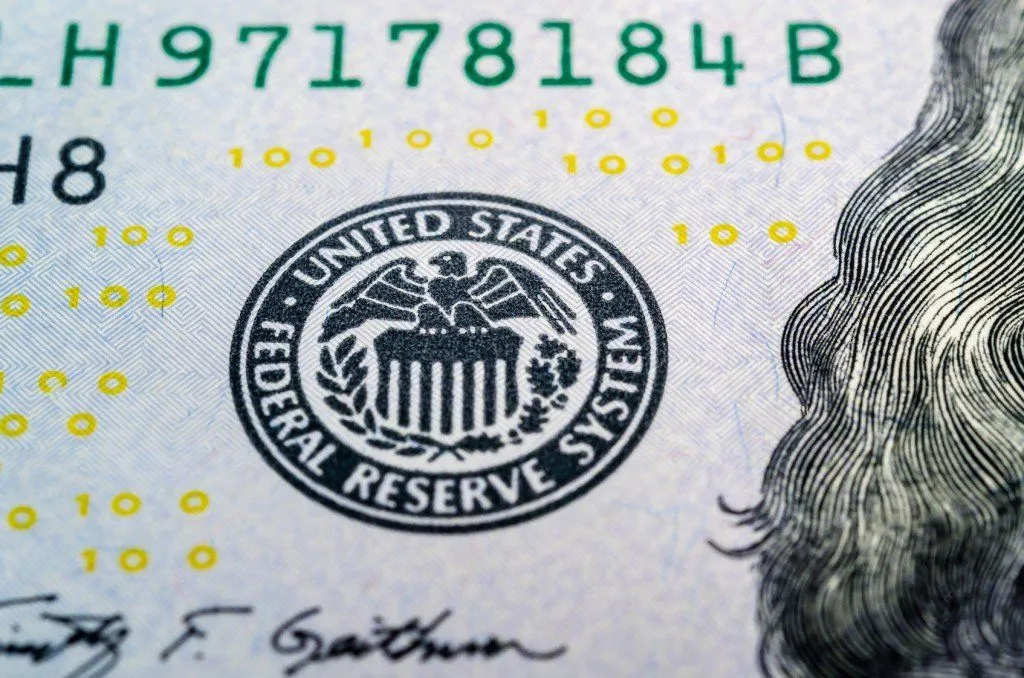
Can You Tape A Ripped Bill And Still Spend It?
Almost certainly, yes. A genuine United States note is still legal tender and can be spent as long as clearly more than half of it survives and the denomination is easy to identify, so a bill that has ripped in two does not suddenly turn into confetti. Taping the pieces back together to keep using it is perfectly fine.

Federal law does make it a crime to mutilate, deface, or cement a note together, but only when someone does it with the intent to render the bill unfit to be reissued, an offense that carries a fine or up to six months in prison. Patching up a torn bill so you can keep spending it is the opposite of that, so a strip of tape will not land you in trouble.
The practical snag is not the law, it is other people. Shops and restaurants are private businesses and can refuse a note they find too tattered, mostly because they would rather not hand a ripped bill back to the next customer as change. If you get stuck with one, any bank will swap it, provided clearly more than half of the note is there. If your bill has torn into two pieces, hold on to both halves, make sure they clearly belong to the same note, and take them to the bank together rather than trying to pass them separately. Half a note spends like half a note, which is to say not at all.
How Much Of A Bill Has To Survive To Be Worth Anything?
The magic number is one half. If clearly more than 50% of an identifiable note survives, along with enough of its security features to show it is real, the money is redeemable at full value. You can spend such a bill or exchange it at a bank, and the Bureau of Engraving and Printing (BEP), the agency that examines badly damaged cash, will honor it too. This is also where the difference between a soiled note and a mutilated one starts to matter.
A soiled or unfit note is a genuine bill that is simply too dirty, limp, worn, or torn for the sorting machines to send back out, yet is still clearly more than half there and easy to read. Dirty or worn currency like this can be exchanged at any commercial bank, which passes it up to the Federal Reserve to be shredded and recycled. A mutilated note is a different animal: one where half or less of the bill remains, or the damage is severe enough that its value is genuinely in doubt.
So what if less than half is left? You are not automatically out of luck, but the bar is higher. The BEP will pay out on a note of which 50% or less survives only if you can show, to its satisfaction, that the missing portion was totally destroyed. And there is no reward for cheating: if a submission looks like deliberate mutilation or an attempt to defraud, the BEP pays nothing and may keep the pieces as evidence.
What About REALLY Damaged Bills?
There is a point where a business can refuse to accept a bill, primarily when there is less than 50% of the original currency, or if the bill is so faded, soiled, torn, or bleached that it is impossible to accurately determine the value. Bills in this sad state of affairs are called mutilated currency, and the damage commonly comes from fire, flood or water, chemicals, animals, insects, or explosions. You might think that a stack of banknotes that gets caught in a fire and singed around the edges would be worthless, but in fact, mutilated currency can be redeemed! It’s important that you not disturb the mutilated currency more than necessary, particularly if it is in a container, folded in a specific way, or has been damaged to the point of fragility (like in a fire).
You can’t simply walk into a bank with them, but you can mail your mutilated banknotes (for free) directly to the Mutilated Currency Division of the Bureau of Engraving and Printing, where a currency expert will examine the “remains” of your money and do a thorough investigation to determine its precise value. The BEP fields more than 22,000 of these claims a year, worth over $35 million all told. The examination can take months, and there is no guarantee that you will be reimbursed with precisely how much you lost, but there’s definitely a chance!
As you might expect, once the worn-out remnants have been counted and reimbursed, they meet the same end as the unfit bills at the Federal Reserve: shredded, then mostly recycled. So as the old saying goes, money doesn’t grow on trees, but with any luck it ends up back in the compost.
References (click to expand)
- Mutilated Currency Redemption. Bureau of Engraving and Printing (bep.gov).
- What Should I Do If I Have Damaged Or Mutilated Currency? Board of Governors of the Federal Reserve System.
- How Long Is The Lifespan Of US Paper Money? Board of Governors of the Federal Reserve System.
- 2024 Federal Reserve Note Print Order. Board of Governors of the Federal Reserve System.
- Damaged And Contaminated Banknotes. Bank of England.
- Currency and Coins. U.S. Department of the Treasury.
- 18 U.S. Code § 333, Mutilation Of National Bank Obligations. Legal Information Institute, Cornell Law School.