Governments levy taxes to raise revenue for public services such as healthcare, education, defense, roads and pensions. Taxes also redistribute income through subsidies and benefits, and steer the economy by encouraging or discouraging certain behaviors, for example, higher taxes on tobacco and alcohol or tax breaks for favored industries.
“In this world, nothing can be said to be certain, except death and taxes,” wrote Benjamin Franklin in a 1789 letter, soon after the new US Constitution had taken effect. Truer words have never been spoken!
No historical records tell us when exactly taxation started being imposed. For a long time, since there was no separation of the powers between God and the monarch, a payment to the king was seen as a contribution to God. Taxes, as a result, were seen as a tribute, rather than a charge. Think of the ancient Greek, Chinese, Incan and Mesopotamian economies.
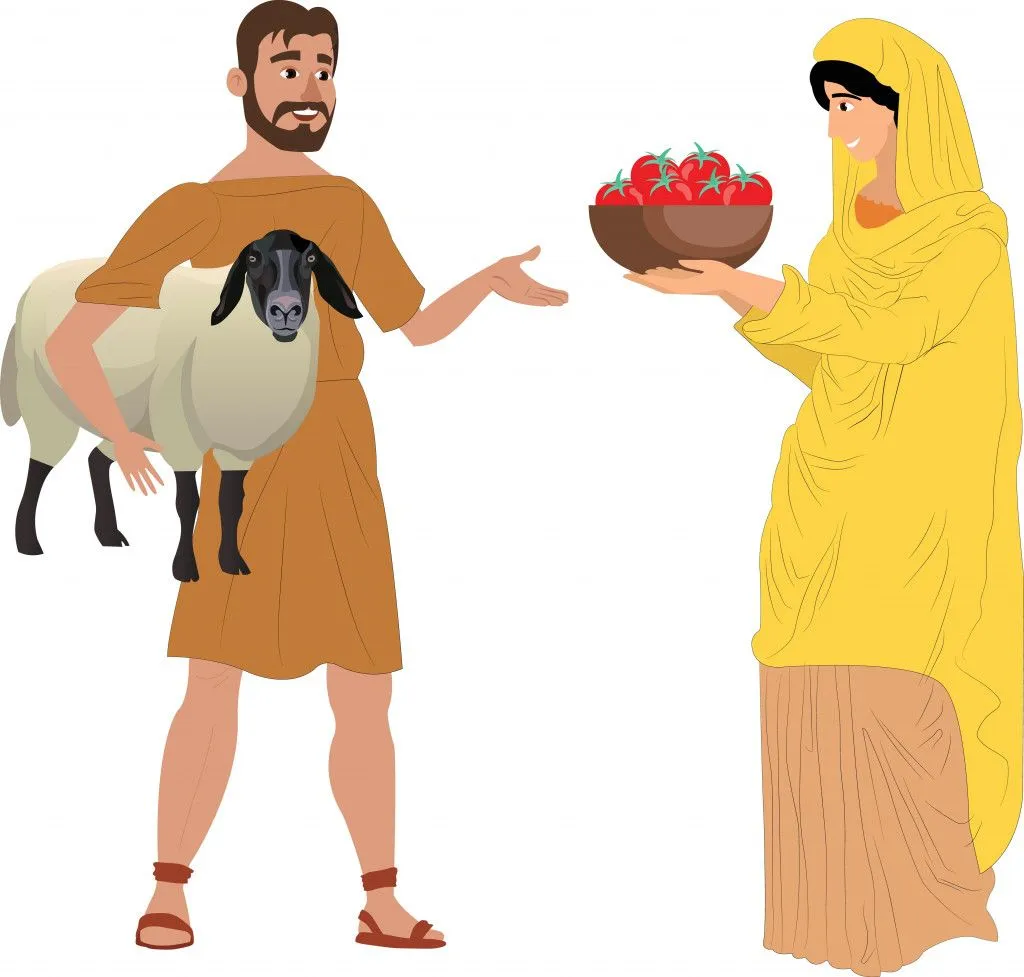
The innovation in taxation during ancient times was only conducted to meet rising war expenses. These modifications or impositions were also primarily accepted by the citizens as they were during cases of national emergencies. Only when the tax burden became extreme did a rebellion occur. The result of such a lively history is why modern taxation today is built on the edifice of equitable distribution.
There are two broad forms of taxation: direct and indirect. A direct tax is paid straight to the government by the person or company it falls on, while an indirect tax is collected by a middleman (a shop, for instance) from the consumer who ultimately bears the cost.
Direct taxes, of which income tax is the most familiar example today, were not always so widespread. In the modern system, income tax is a mass tax that reaches almost every category of earner.
Among indirect taxes, customs duties and excise taxes were some of the earliest adopted by most countries. This was simply because it was easier to identify goods crossing a border than to track every supply chain for a sales tax levied within the country.
The pattern of evolution in levying taxes continues today, as tax developments in one nation influence others. However, the primary purposes of levying taxes are listed below:
1 – Tax Is A Tool For Funding Expenditure
Governments incur two kinds of expenditure: revenue and capital expenditure. The government runs up operational costs when paying salaries to public employees working across its various departments; pensions also fall under revenue expenditure.
Additionally, interest paid on past debt and subsidies handed out to the targeted population belong in this category too. All of these recurring outlays incurred by the government are known as revenue expenditure.
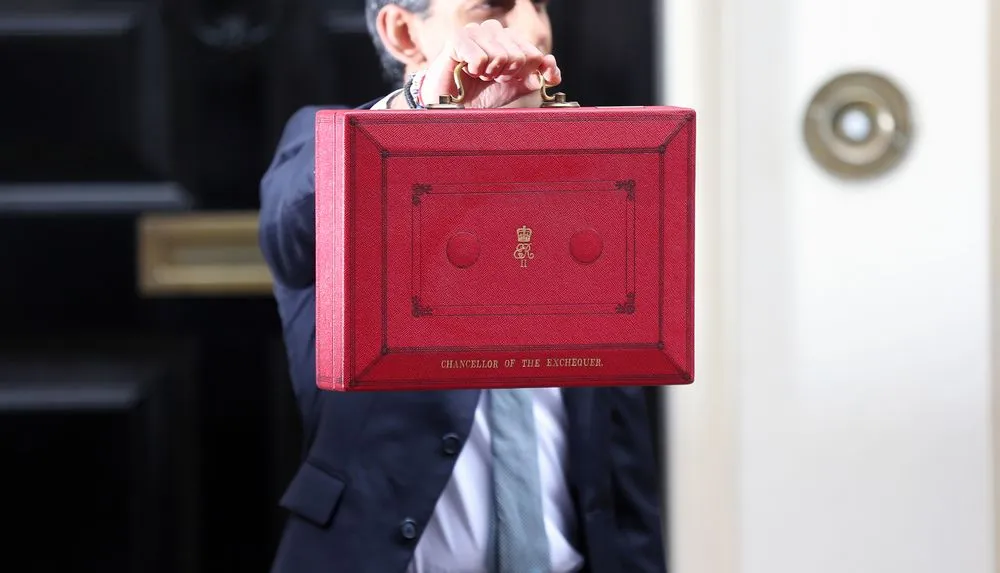
Capital expenditure refers to any spending incurred to create an asset in the economy, such as buildings, roads, dams or any other project for public benefit. Investments made by the government, or its purchases of precious metals and foreign currencies, also fall under this category.
While capital expenditure does have a fixed definition, any expenditure that does not lead to the creation of assets is categorized as a revenue expenditure by the government.
Governments have to meet both these expenditures annually.
2 – Tax Is A Tool For The Redistribution Of Resources
Apart from running daily affairs and building productive resources for the economy, taxes are also used to fund subsidies. Although most economies today are market economies, the government still plays a crucial role in reallocating funds to pay for subsidies. These supports take the form of free or subsidized education, unemployment benefits, fee waivers and food assistance for the targeted population.
An economy cannot be entirely subjected to market forces, as this will result in inequality. No economy exists today that has no government intervention.

Therefore, it is necessary to ensure that taxes are used to meet the above expenses and that growth is equitable. Poverty is often a vicious cycle. Once someone falls into it, they can stay trapped for a long time, and it usually takes an outside push to pull them out.
Government support, such as food assistance, unemployment benefits or subsidized healthcare, acts as exactly that kind of external intervention. Without it, a person mired in poverty tends to slide further downhill, as the strain spills over into their job prospects, physical health, housing, mental health and more.
3 – Tax Is A Tool For Incentives
Apart from funding expenditures and ensuring equitable growth, taxes also play a critical role in encouraging and discouraging certain behaviors of any economy.
Sin goods, as their name suggests, are considered harmful to society. Think of tobacco, alcohol and gambling. The idea behind a heavy tax is to discourage people from consuming these items, though that does not always happen in practice.
Even so, these goods are taxed on principle, partly to compensate the government for the health costs that such habits tend to create. Economists call this kind of levy a Pigouvian tax, named after the British economist Arthur C. Pigou, who argued that an activity imposing a hidden cost on society (a negative externality) should be taxed to reflect it. The cost of polluting the air is one such factor weighed when taxing smokers.
Incentives can also work in the opposite direction. If a government wants to build up a particular industry, it may grant that sector a tax holiday, a temporary break from certain taxes meant to encourage investment.
It can also offer tax rebates or credits, effectively refunding part of the tax bill, to attract both foreign and domestic investors.
4 – Tax Is A Tool For Oppression
The modern taxation system collects taxes from citizens based on their ability to pay, in most cases. However, this was not always the norm.
Older regimes levied taxes merely to fill their coffers, regardless of their implication on the commoner. These regimes also had poor tax collection infrastructure, which resulted in a predatory system of taxes.
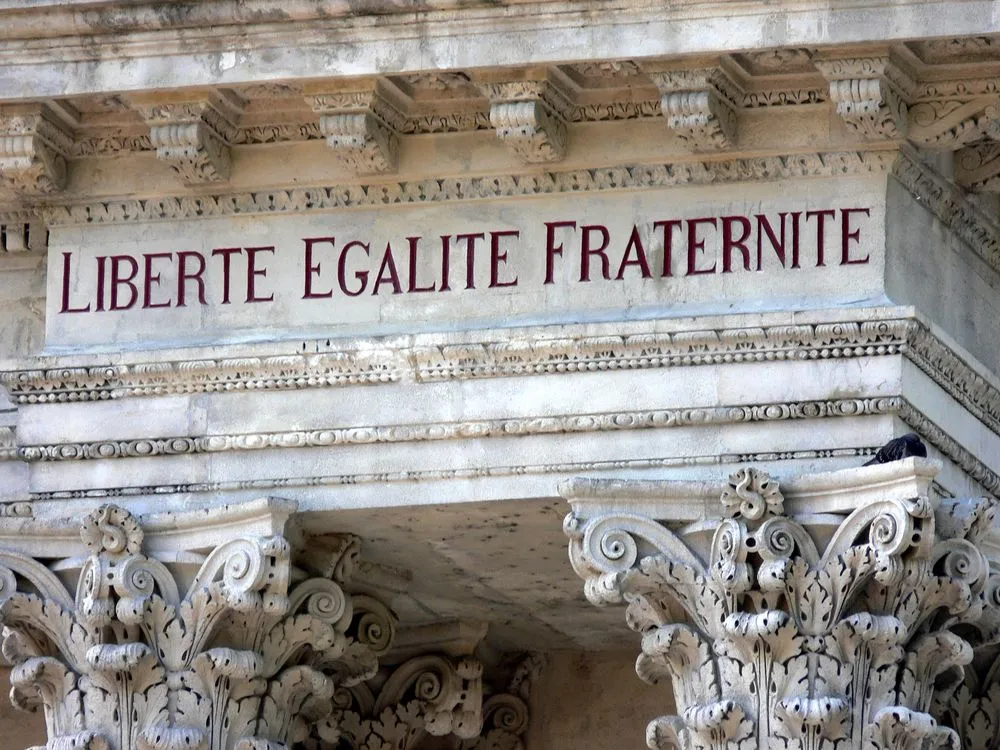
One example from history is the 1789 French Revolution. Almost the entire tax burden fell on the commoners, known as the Third Estate, while the clergy and nobility, who together made up only a tiny slice of the population, were largely exempt. The unfairness of such a system, combined with a fiscal crisis and a desire for more efficient tax collection, helped push the masses into revolt. The intellectual seeds of reform had been sown earlier by Enlightenment thinkers such as John Locke and Jean-Jacques Rousseau.
The king was no longer seen as a direct conduit to God; government came to be viewed as a human-led institution that ought to work toward the ideals of liberty, equality and fraternity. King Louis XVI and his wife, Marie Antoinette, were eventually executed in 1793. A decade after the Revolution began, in 1799, a young general named Napoleon Bonaparte seized power, and he later crowned himself emperor, an ironic turn for a revolution fought against absolute rule.
Conclusion
Unlike its older counterpart, the modern taxation system focuses on ensuring equitable standards of living. While equity may not always be the result for every citizen, the system of modern taxation is built on these principles. Levying taxes is also an art; it is a tool that governments can use to make, break or shape the future of their economy.