Climate change is a classic tragedy of the commons: the atmosphere is a shared resource no one owns, so each nation gains from emitting while everyone shares the harm. Because the costs and benefits of cutting emissions are unevenly spread, no country has a strong individual incentive to act, and the collective effort needed to mitigate climate change keeps falling short.
The Intergovernmental Panel on Climate Change (IPCC) was formed in 1988. This was the first time it was formally recognized that climate change had become a global issue and required collective efforts to be resolved. The IPCC was jointly established by the United Nations Environment Programme (UNEP) and the World Meteorological Organization to collaborate on monitoring and evaluating climate change.
It has been more than three decades and many conferences on climate change since 1988, yet the problem only seems to get more severe every year. Atmospheric carbon dioxide has now climbed to roughly 430 parts per million, the highest level in over 2 million years, and 2024 became the warmest year on record at about 1.55°C (2.79°F) above pre-industrial levels, according to the World Meteorological Organization. Whether it is rising temperatures, forced migration, erratic storms or rising sea levels, the problem has seeped into our day-to-day vocabulary and lived experiences.
It is estimated that a temperature rise of 1°C in a given country and year causes per capita income to fall by, on average, 1.4 percent. That said, this decline is not necessarily linear, nor does it uniformly impact every individual’s income.
What Is The Tragedy Of The Commons?
The phrase was popularized by ecologist Garrett Hardin in a 1968 essay in the journal Science. He imagined a shared pasture open to all herders: each one gains the full benefit of adding another animal, but the cost of overgrazing is spread across everyone, so the rational move for each individual is to keep adding livestock until the pasture collapses. In economics, the tragedy of the commons is applied when a resource does not have clearly defined property rights. Due to a lack of ownership, the resource tends to get overused and mismanaged. Moreover, since there is no one to safeguard its usage, it commonly leads to depletion or degradation due to over-usage.
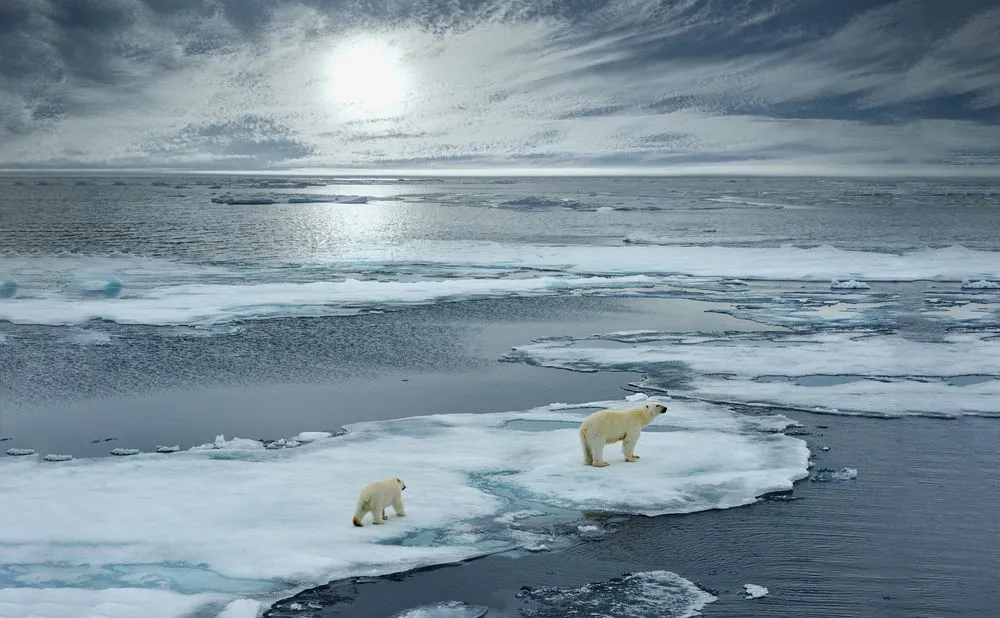
Think of a resource such as a lake. A lake is usually not owned by one individual or entity. That lake would usually be subjected to multiple people using it for different purposes, which could range from bathing to releasing effluents. Since there is no control over who does what, so long as everyone benefits in the short run, no one bothers anyone else. Poor maintenance further worsens this situation, which often leads to either the drying up of lakes or of a space being unfit for human use.
The tragedy of the commons is commonly used in environmental economics to describe similar situations, especially in the case of natural resource management, as there are no clearly defined property rights. These resources’ typical end is being depleted or being made unfit for use by humans and animals, which further threatens sustainability.
The outcome is not always inevitable, though. Political economist Elinor Ostrom, who shared the 2009 Nobel Memorial Prize in Economic Sciences, showed in her 1990 book Governing the Commons that communities can and do manage shared resources sustainably when they set clear rules, monitor each other and enforce them locally. The catch is that her conditions are hardest to meet precisely where the stakes are highest, as we will see with the global atmosphere.
What Is The Link Between Climate Change And The Tragedy Of The Commons?
There are no property rights in nature! All commonly owned resources are susceptible to the phenomenon of climate change, whether it’s a raging river or vast swaths of grazing land. Combine the entire ecosystem, and this becomes Nature!
From a very individualistic standpoint, there is no incentive for anyone to pause their consumption, unless it is expensive for them to continue doing so. Any step towards climate change must be consistent, and the change itself will still take years to reflect.
Greenhouse gas (GHG) emissions are the leading cause of climate change. Even in GHG, there is a specific focus on the reduction of carbon dioxide. Even if everyone decides to stop producing emissions today, climate change would not cease immediately; only its pace would slow down. The damage is done.
Years of emitting these gases have trapped them in our atmosphere, the impact of which we will still need to withstand. Therefore, any effort in this direction calls for long-term commitments.
Any single nation promising to take steps would be insufficient unless there is a collective step by all countries in the same direction. Here is where the politics of climate change enters the story, as all nations do not face the consequences of climate change equally. Moreover, every nation does not have the same capacity and knowledge to mitigate the consequences. Developed nations are far more equipped to deal with the problem, as compared to developing nations.
Therefore, it becomes imperative for everyone to have an equal foot in solving this issue. Collective action requires cooperation, monitoring, collective enforcement and the contribution of funds to manage this issue. The 2015 Paris Agreement, signed by nearly 200 countries, tries to do exactly this by committing nations to hold warming well below 2°C (3.6°F) and to pursue efforts to limit it to 1.5°C (2.7°F) above pre-industrial levels. Yet because each country sets its own voluntary targets and no central authority can enforce them, the agreement runs straight into the same incentive problem.
Reducing emissions will also mean a hit to most countries’ GDP. This is a risk that developing countries are not willing to bear. However, since the beginning of the 21st century, developing countries have become the highest emitters of GHG due to growing populations and the concentration of manufacturing-intensive activities. China alone accounted for roughly 30 percent of global emissions in 2023, with India among the fastest-rising contributors.
Transitioning to greener practices requires technology and research, which requires funding. Mitigating the effects of climate change, while not hurting job seekers and economic growth, has thus far been a challenge that developing countries are not willing to take on. Developed nations had their period of growth during the era of industrialization, the gains from which they continue to reap, as compared to developing nations.
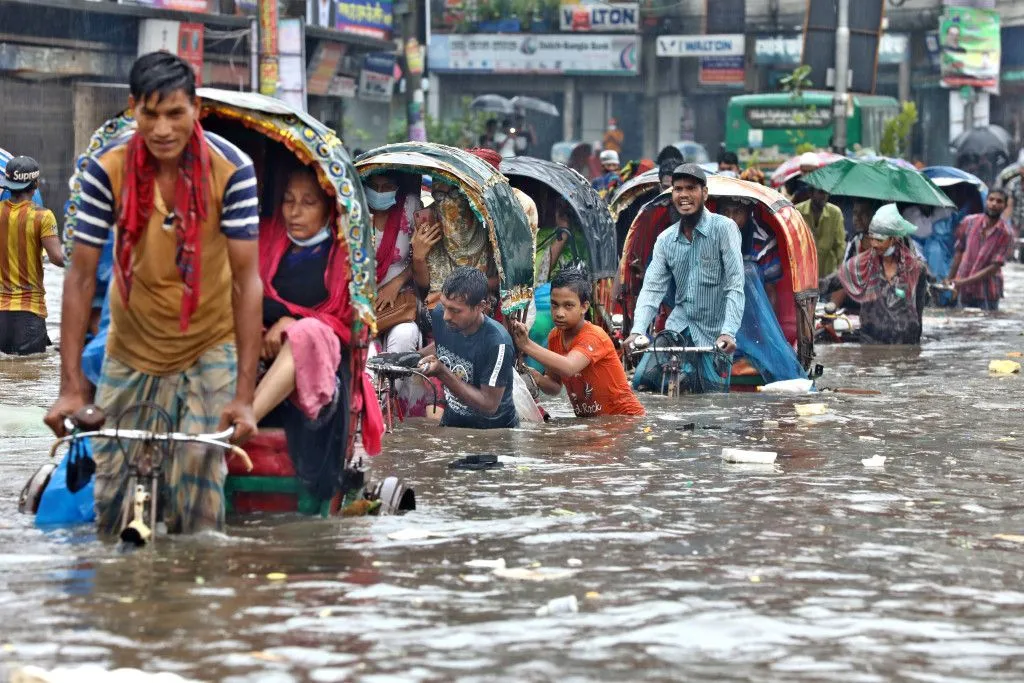
Most democratic governments last for about five to six years in a country. Other commitments, such as fulfilling short-term electoral promises, will therefore take priority over long-term sustainability concerns. Since it is also a multipolar world, negotiations between countries to start managing an issue take longer than expected.
Additionally, since mitigation has lagged behind effects, countries have no strong incentive to tackle climate change as an immediate problem. The costs and benefits of mitigation and conservation would also be unevenly borne and shared. Taking collective action with the required momentum thus becomes a hefty and seemingly impossible task.
What Is The Impact Of Market-oriented Approaches Towards Climate Change Mitigation?
Most standard policies and approaches towards climate change mitigation have been primarily done through carbon pricing, whether through a carbon tax, carbon credits or carbon permits. All three are different ways of using price signals via markets to tackle the leading contributor of climate change–carbon.
Various empirical studies have shown governments the benefit of charging a price to emitters in order to discourage emissions. Market-oriented policies via pricing are also comparatively better than government-regulated policies, as it adds to the administrative burden and increases costs.
Since the effects of climate change are distributed unevenly, large emitters are able to pay the price and get away with their actions. This has a disproportionate effect on households with low income or industries with low capital. This further widens the gaps between haves and have-nots. The “polluter pays” principle tends to worsen inequality, as there would be no negative impact on the generator, so long as they are paying the price for it.
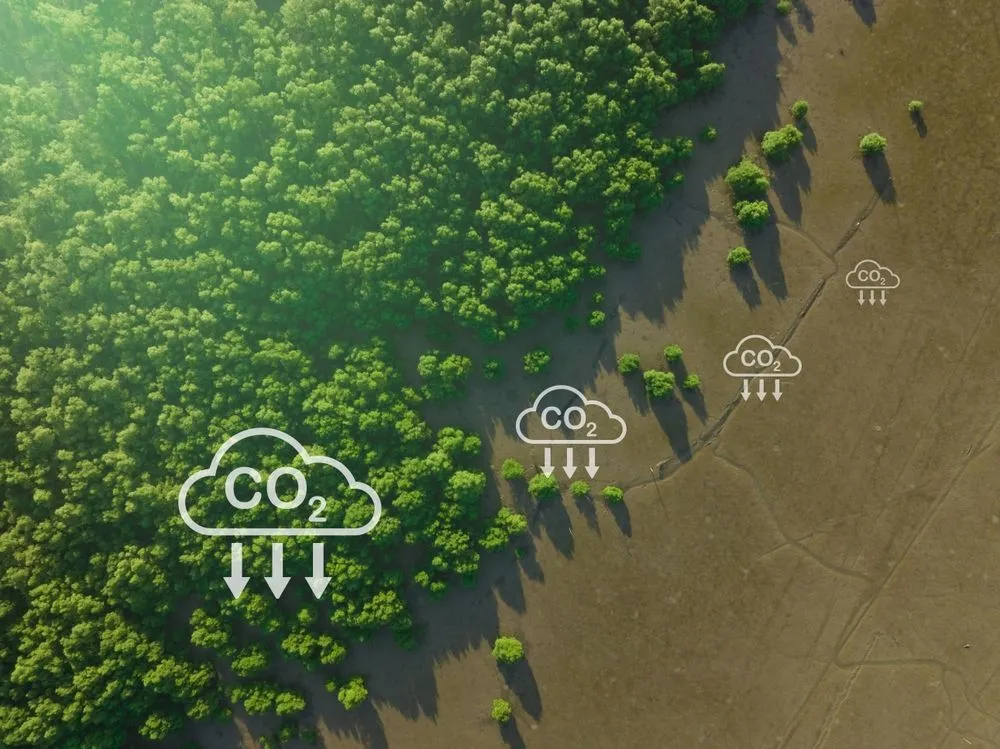
Powerful industries can get away with this and continue conducting business as usual. At the same time, since it persists in the atmosphere, the effects will still be borne by anyone who cannot pay to bear it.
Since the consequences of climate change cannot be predicted, it is imperative to find better measures to tackle the problem. The underlying belief in any market-based approach is that costs and benefits can be ascertained. Climate change is a type of problem for which the scale and magnitude of the consequences are entirely unknown. Hence, quantifying and monetizing it will not solve the problem, as that sort of capitalist-minded approach is what got us into this mess in the first place.
While pricing may portray a sense of free markets, does it really hold the solution? On the other hand, while pricing may not be the best solution, it’s the only predominant solution we currently have. Hence the quandary, and the tragedy, of the commons.
References (click to expand)
- Hardin, G. (1968). The Tragedy of the Commons. Science.
- Elinor Ostrom - Facts. The Nobel Prize.
- GHG emissions of all world countries - 2024 Report. EDGAR.
- Economic Development in an Era of Climate Change. Carnegie Endowment for International Peace.
- WMO confirms 2024 as warmest year on record at about 1.55C above pre-industrial level.