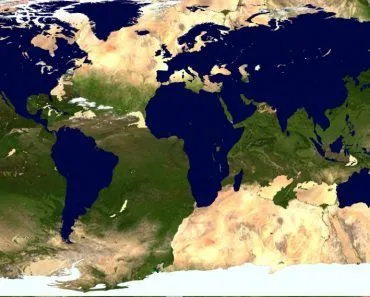
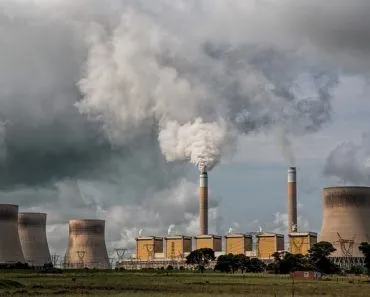
The 1.5°C rise is how much warmer Earth has become compared to pre-industrial times (1850-1900). Scientists treat 1.5°C as a critical limit because past it, extreme weather, sea-level rise, and ecosystem loss grow far more severe. It is a long-term average, so 2024 (the first year above 1.5°C) does not mean the target is permanently breached.
All of us are experiencing the effects of climate change each and every day with increasing intensity. The unpredictable weather, the hotter and hotter summers, and even more bitterly cold winters. All of these scenarios are making it harder to enjoy life. And throughout this spiral into climate chaos, scientists keep warning us about a 1.5°C rise in temperature as the barrier we cannot breach.
However, do you know what this 1.5 rise is all about? I mean, the temperature fluctuates every day, so why is this particular rise of such importance? Let’s dive into the significance of this crisis-point number.
What Is The 1.5°C Rise?
The 1.5-degree rise refers to an increase in the Earth’s average temperature compared to the pre-Industrial period (1850-1900).
The Earth’s average temperature is measured using a combination of ground-based weather stations, ocean buoys, satellites, and other monitoring systems. In order to calculate the average temperature, measurements from various locations and sources must be collected and combined.
To understand the 1.5-degree rise a bit better, let’s consider an example. Say the pre-Industrial average temperature was 14°C (57.2°F). If the present average were 15°C (59°F), that would indicate a one-degree rise in average temperature. The number you hear in the news is always this difference from the 1850-1900 baseline, not the planet’s actual temperature.
Why Is 1.5°C Such A Specific Limit?
You might wonder why this specific number has been chosen, rather than a one- or two-degree rise. To clarify, this choice of 1.5°C as a target for limiting global warming was not arbitrarily chosen.
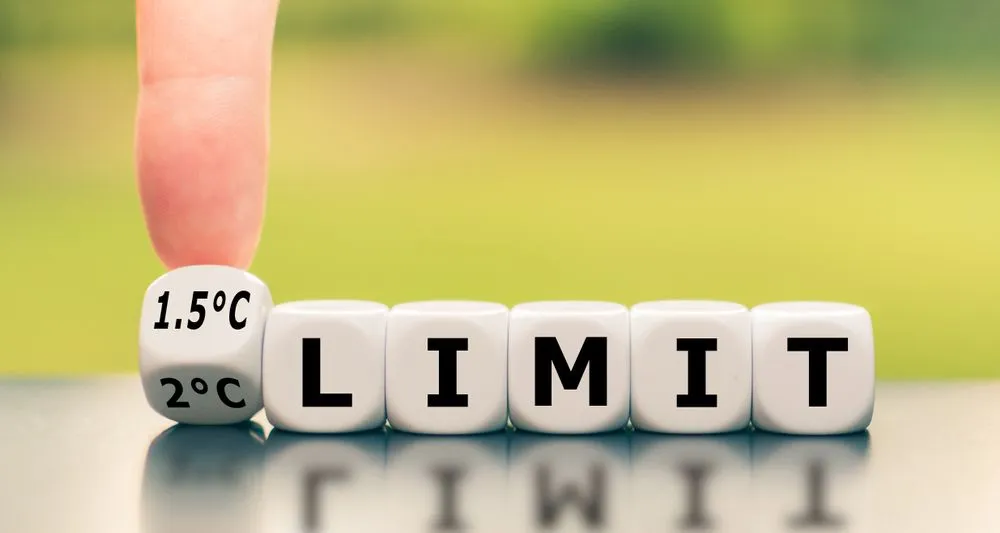
In 2015, the decision to keep 1.5°C as the focal limit was further solidified during the Paris Agreement. It aimed at strengthening the global response towards climate change, pursuing efforts to limit the temperature increase below 2 degrees Celsius, and striving for a limit of 1.5°C.
Later, in October 2018, the Intergovernmental Panel on Climate Change (IPCC) released an assessment called the Special Report on Global Warming of 1.5°C (SR15). It laid out the impacts of global warming and the importance of limiting the temperature rise to the 1.5°C mark, as compared to pre-Industrial levels.
One crucial detail often gets lost: the 1.5°C limit refers to a long-term average, measured over two or three decades, not the reading for any single month or year. Individual years swing up and down with natural factors like El Niño. So when 2024 became the first calendar year to land above 1.5°C (about 1.55°C above pre-Industrial levels, per the World Meteorological Organization), that did not mean the Paris target had been permanently missed. Long-term warming as of the mid-2020s sits closer to 1.3°C. The line is only considered crossed once that multi-decade average stays past 1.5°C.
This IPCC study concluded that limiting global warming to 1.5 degrees would have significant benefits, as compared to allowing temperatures to rise by 2 degrees or more. While a 2-degree increase was previously considered an acceptable target, the report highlighted that even half a degree of additional warming could lead to more severe consequences.
What Would Happen If We Surpass This 1.5°C Mark?
There are a number of catastrophic things that will almost certainly happen if we surpass the 1.5-degree mark and allow the global temperature to rise further.
Extreme Weather: The rising temperatures contribute to an increase in the frequency and intensity of extreme weather events, including heatwaves, droughts, hurricanes, and storms. These events will have severe impacts on human communities, agriculture, infrastructure, and ecosystems.
Increase in sea levels: As temperatures rise, ice sheets in polar regions and glaciers around the world will melt. This will result in an increase in sea levels. If we surpass the 1.5-degree mark, the rate of sea-level rise could accelerate further. As a consequence, there will be significant risks to coastal cities and communities. Increased coastal flooding, erosion, and the displacement of millions of people will be inevitable.
Disruption of Ecosystem and Species Loss: There are many species that are highly sensitive to changes in temperature and climate. With further warming, multiple ecosystems could face disruptions, including shifts in habitats, changes in migration patterns, and increased stress on various species. This could result in species loss, reduced biodiversity, and imbalances within ecosystems.
Negative Health Impacts: Increased temperatures and changing climate patterns have adverse effects on human health. Heat-related illnesses will become more prevalent, especially in vulnerable populations. Additionally, changing climate conditions can influence the spread of diseases carried by vectors like mosquitoes and ticks, potentially leading to the expansion of certain infectious diseases.
What Is The Doomsday Clock And Does It Include Climate Change?
The Doomsday Clock was created by the Bulletin of Atomic Scientists in 1947. It tells us how close the world is to the end, where midnight marks the theoretical annihilation point. It takes into account various threats to our existence, including nuclear weapons, climate change, and emerging technologies. Alarmingly, the clock was set to 85 seconds to midnight in January 2026 (moved up from 89 seconds the year before), the closest it has ever been.
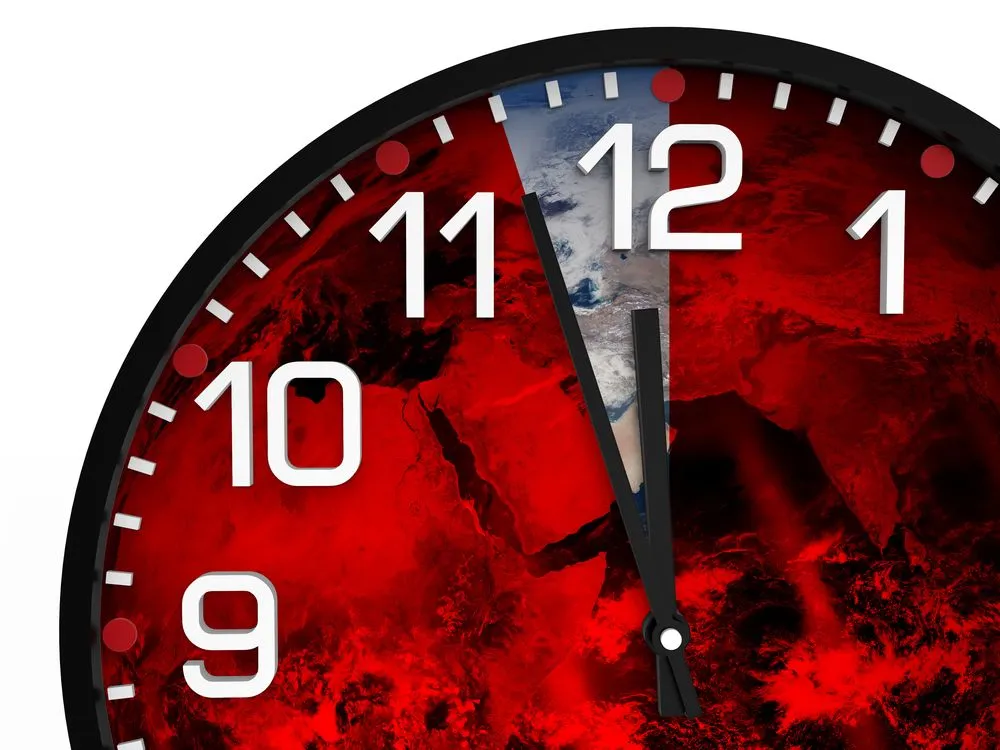
Climate change is one of the key reasons the clock keeps inching forward. The world has already warmed by roughly 1.3°C since the Industrial Revolution, and scientists warn that pushing the long-term average past 1.5°C would bring far more punishing consequences. These include more extreme weather events, rising sea levels, and mass extinctions.
The 1.5°C rise is a major concern for the Doomsday Clock, as it is a tipping point. Once we reach 1.5 degrees Celsius, it will be challenging to stop the Earth from warming further, as crossing the threshold will trigger a series of feedback loops that will make the Earth warmer and warmer.
The Doomsday Clock is a warning to the world that we need to take action on climate change now. If we don’t, we will all have to face the consequences of our inaction.
In addition to the Doomsday Clock, there are a number of other indicators that the world is on a dangerous path. The rate of deforestation is increasing, the ocean is becoming more acidic, and the Arctic ice cap is melting at an alarming rate. These are all signs that the Earth is becoming warmer and that we are running out of time to act.
Conclusion
The window is narrowing fast. The annual Global Carbon Budget now estimates that, at current emission rates, the carbon budget for a 50% chance of staying under 1.5°C could be used up in roughly four to six years. Long-term warming already sits near 1.3°C above pre-industrial levels, and 2024 became the first calendar year to top 1.5°C on its own, a milestone made painfully clear by record heatwaves, floods, and wildfires around the world.
Therefore, the 1.5-degree rise is a critical threshold that demands our immediate attention. As we consider the consequences of crossing this limit, we are reminded of the ticking clock, urging humanity to act swiftly and decisively. By embracing the urgency of this challenge, we can harness our collective efforts to reduce greenhouse gas emissions, transition to sustainable practices, and protect our planet and future generations from the very real perils of climate change.
References (click to expand)
- Global Warming of 1.5 C. Intergovernmental Panel on Climate Change (IPCC).
- 1.5 C: what it means and why it matters. United Nations.
- WMO confirms 2024 as warmest year on record at about 1.55 C above pre-industrial level. World Meteorological Organization.
- Global Carbon Budget 2025. Earth System Science Data (Copernicus).
- 2026 Doomsday Clock Statement. Bulletin of the Atomic Scientists.
- How the climate would change if the world warms over 1.5 degrees. NPR.
- COP27: Key climate goal of 1.5C rise faces new challenge. BBC News.