Table of Contents (click to expand)
Fake Paris was a decoy city planned on the outskirts of Paris during World War 1 to misdirect German bombers flying overhead at night, using dummy lights and mock landmarks. Only one zone was partly built, and the war ended before it was ever finished or tested.
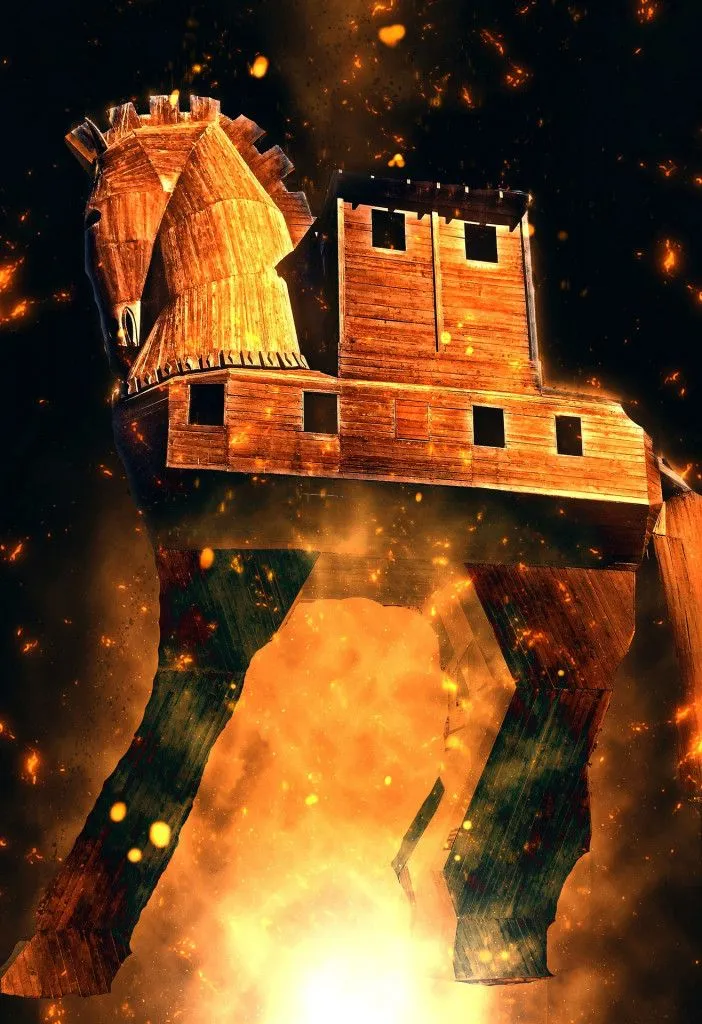
Military deception is not a new idea. The Ancient Greeks famously did it during the Trojan War; whether or not it happened is another question, but the war was allegedly won by hiding Greek soldiers in a peace-offering shaped as a horse.
The Ancient Egyptians used trickery as well. During the siege of Yapu, which is the present-day Jaffa, the Egyptians hid in baskets and presented them as tribute upon admitting defeat; these hidden soldiers then opened the gates to the city, which led to its fall. However, military deception is not limited to hiding; it also involves building life-size replicas of cities under threat.
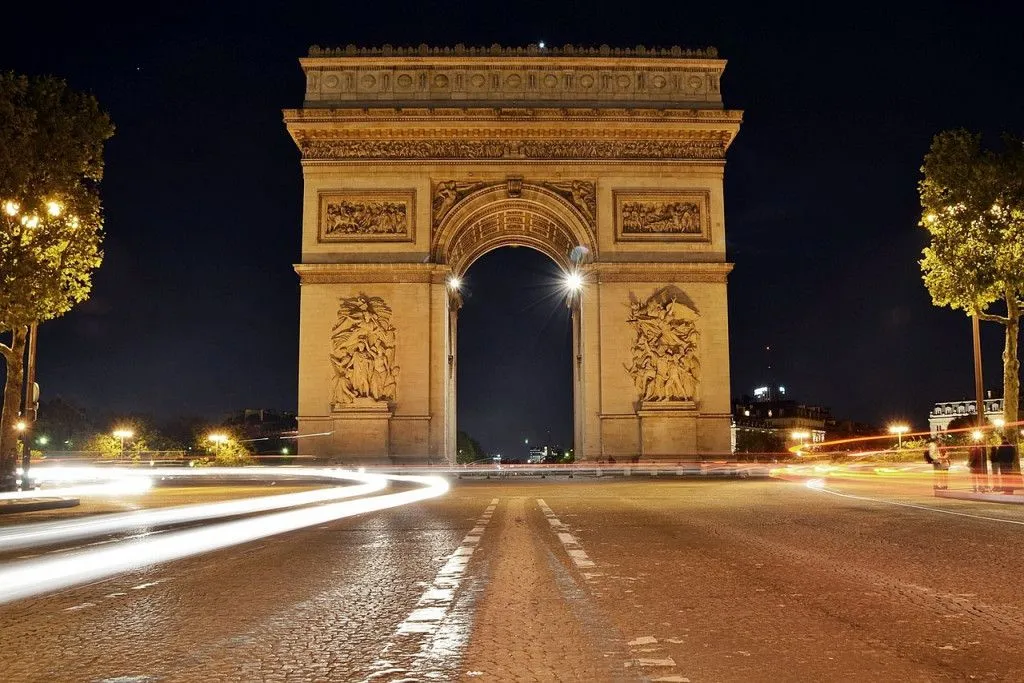
To clarify, I’m not talking about Tianducheng, the Paris-themed development near Hangzhou, China, with its own 108-meter (354 ft) replica Eiffel Tower. The fake Paris in question was laid out just 24 km (15 mi) from the actual Paris. That said, you will not find it on any sightseeing trips, because the little that was actually built (and far more was planned than ever came to fruition) was dismantled once the war was over.
What Was This Fake Paris?
In 1920, the blueprints and supporting documents for the creation of a decoy Paris from 1917 came to light. The man behind this ingenious and slightly eccentric solution to World War I aerial bombing (Paris being one of the first cities to experience that devastating phenomenon) was an Italian-born electrical engineer called Fernand Jacopozzi, who would later make his name lighting up the Champs-Élysées and the Eiffel Tower itself.
His true role is obviously ambiguous, but it is known that he was commissioned by the French department responsible for protection from aerial attacks, the Défense contre Avions.
Misdirection in war was not a new phenomenon, but the scale at which this was attempted was ambitious, to say the least. To confuse the aircraft seeking to bomb Paris, the decoy was laid out on the outskirts of the actual city, near Maisons-Laffitte, roughly 24 km (15 mi) north in a loop of the Seine, using mostly wood, canvas and paint. Rather than copying instantly recognizable monuments like the Eiffel Tower, the plan reproduced the kind of features a bomber crew would actually scan for from above: rail stations such as the Gare du Nord and the Gare de l'Est, the broad sweep of the Champs-Élysées, factory districts, and even a sham railway. Jacopozzi's real genius was in the lighting. He rigged moving and colored lights to imitate trains running through the night and machinery at work, all kept dimly glowing while the real Paris went pitch-dark to ward off the bombers.
The catch? Only one zone was ever partly built. The decoy was still under construction when the last German raids tapered off and the Armistice ended the war in November 1918, so it was never finished, and the opportunity to test the ruse for real was lost.
Would Such Subterfuge Ever Be Employed Again?
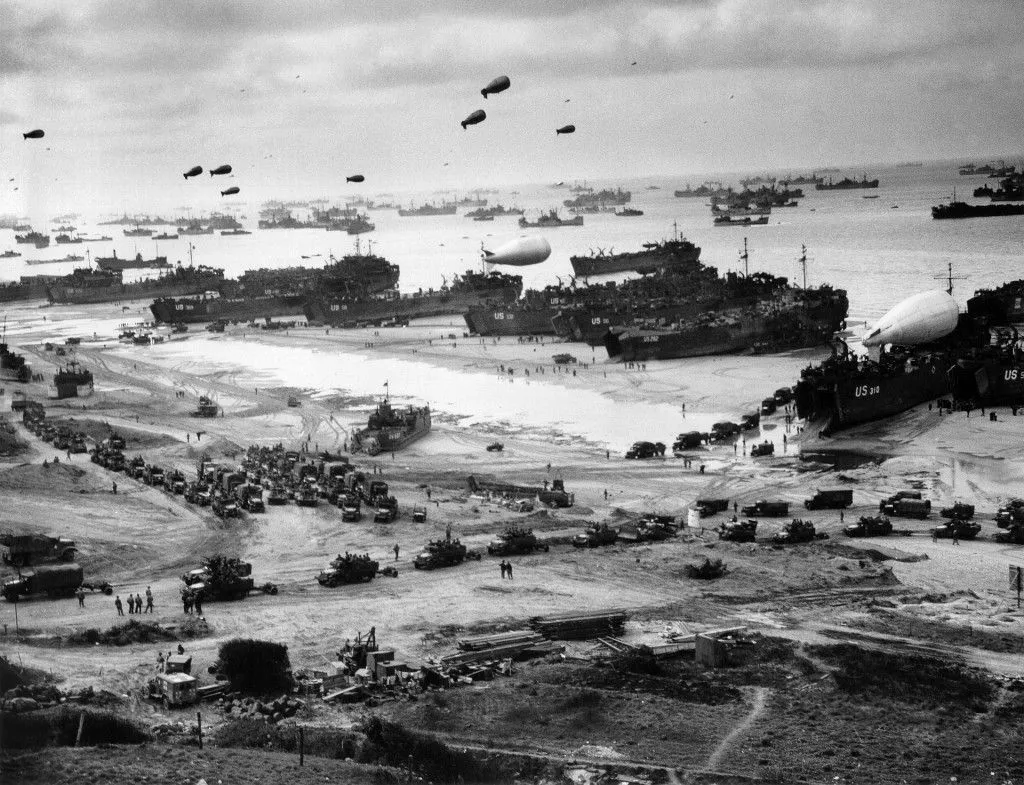
The art of deception, smokescreens and red herrings is a favorite military tactic that has been employed countless times. Even though the first World War failed to test the efficacy of large-scale urban subterfuge, the second World War amply did, and relied on it to win key battles. The Allied Invasion of France in 1944 was made possible because of dummy troops, weaponry and equipment.
With the Allied Forces set to enter France from Normandy, the planners invented a phantom threat against Pas-de-Calais, where the English Channel is narrowest, to redirect German defenses to that point. Under the umbrella deception of Operation Bodyguard, a sub-plan called Operation Fortitude conjured up a fake army, the First US Army Group (FUSAG), supposedly massing in southeast England ‘under’ General Patton, complete with thousands of inflatable rubber and plywood tanks, dummy artillery, barracks, vehicles and tents. The illusion was rounded out with fake radio chatter, and they went as far as making fake tank tire tracks to make the lie more believable. FUSAG never set foot in France; its whole job was to convince Hitler the real blow would fall at Calais.
The Allies were not devoted to playing things straightforward. A year earlier, Operation Mincemeat had used a dead body, dressed as a Royal Marines officer and given the cover identity of a Major William Martin, planted with forged ‘plans’ to fool the Axis. The corpse was floated ashore in neutral Spain so the documents would reach German intelligence, and they suggested the Allies would strike Greece and Sardinia. The real target was Sicily, and the ruse helped the 1943 landings there go far more smoothly than expected.
Is Such Deception Ethical?
The use of deception in war seems to follow war as an institutionalized aspect of civilization. Just as in daily life, the employment of underhanded techniques to secure victory and success is frowned upon and discouraged, if not outrightly condemned. This is because morality pervades even the most brutal facet of society. While it may be necessary to wage war, it is also necessary to treat adversaries in a manner that does not rob the former of the moral high ground that justifies the war in the first place (whatever the actual reason, wars must be treated like a necessary evil, not an easy course of action).
Critical sensibility would prevail over the individual benefits of war in such cases. However, this is not based on a mere reliance on human rights (because they’re a relatively newer concept). It is based on a fundamental assumption that by deceiving an adversary, there is collateral damage inflicted upon those who are unable and unwilling to attack the belligerent army’s interests.
Deception then, which relies on the moral high ground, becomes a necessary evil, as it prevents greater harm and carnage that would follow if direct warfare were to happen. While all may be fair in war (and love), our modern perception of war cannot integrate deception that has no ethical backing.
Conclusion
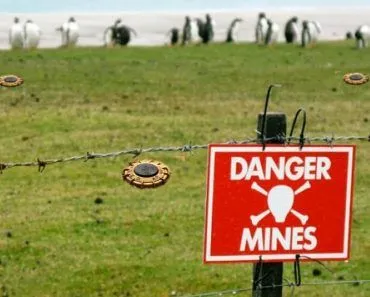
Sun Tzu, arguably the most well-known military strategist, believed that all war is deception, be it through professing weakness or strength when it is actually the opposite, or through using the terrain to your advantage (in the 1971 Battle of Longewala, a severely undermanned Indian post let an advancing Pakistani armored column mistake a simple wire fence for a minefield, stalling the attack for hours and leaving the tanks exposed to the Indian Air Force at dawn).
It seems to this writer, however, that the discipline of modern warfare, at least on paper, would be unreceptive of this advice and historical precedent. The Geneva Conventions, which outright ban perfidy, prevents countries who have ratified the protocols from engaging in deception that relies on false surrender and the use of truce to later attack the opposing belligerents. The idea of warfare itself has evolved to include more humane considerations that must be observed, even if those waging the war don’t necessarily follow them.
References (click to expand)
- Daniel, D. C., & Herbig, K. L. (1982, March). Propositions on military deception. Journal of Strategic Studies. Informa UK Limited.
- Mattox, J. M. (2002, January). The Moral Limits of Military Deception. Journal of Military Ethics. Informa UK Limited.
- Wirsansky, D. (2016). City of Light: History on Stage.
- Faux Paris, 1918. HistoryNet.