Limonene is a natural product found mainly in the peels of citrus fruits, like oranges. It acts as a natural herbicide and insecticide, and has wide-scale applications in food preservation and flavoring. Limonene also shows therapeutic effects and is used as an antioxidant in numerous drugs.
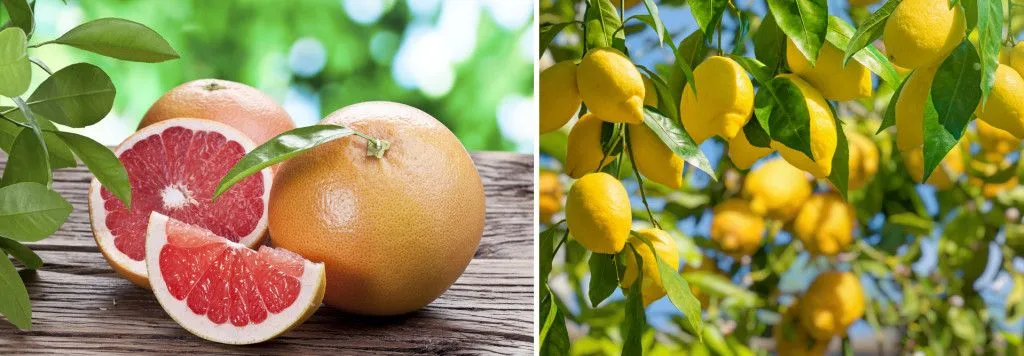
Nature has been our friend and foe in different times and places; however, its friendship outweighs the animosity on the grand arc of humanity. Limonene is one such product of nature’s friendship. It is a natural product belonging to the chemical class of terpenes and found mainly in the peels of citrus fruits like oranges and lemons.
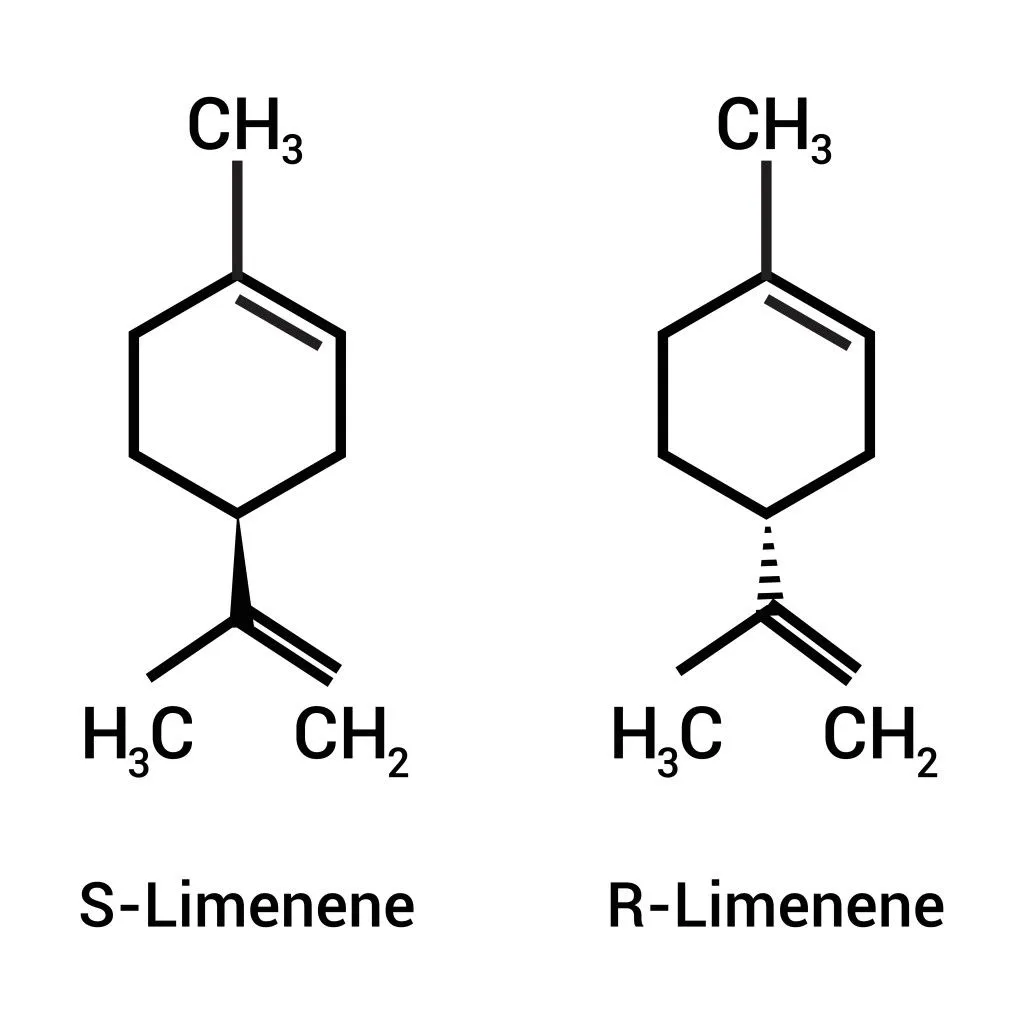
Limonene has two enantiomers → (+)-Limonene and (-)-Limonene. Enantiomers are optically active compounds that rotate the plane of polarized light in opposite directions. They are non-superimposable mirror images of each other. If the compound rotates the plane of polarized light in a clockwise direction, it is assigned a ‘+’ sign and if it rotates it in a counter-clockwise direction, it is assigned a ‘-‘ sign.
(+)-Limonene has a citrusy, orange-like smell, while (-)-Limonene has a piny, turpentine-like smell. (+)-Limonene has wide-scale applications and is found in citrus fruits as an essential oil. For simplicity, throughout this article, I will refer to (+)-Limonene as limonene.
You might be asking, ‘Why should I be interested in a small compound like limonene?’.
To answer that, I would like to take you on a small journey of how limonene has become so pervasive in industries and medicinal studies around the world.
Plants And Crops
It is difficult to grow crops in truly ideal conditions of perfect soil, the right amount of rain, and a good microbial culture for roots. Even if you think you have found the Goldilocks condition, there will be at least one organism that is always on the cusp of snatching away nutrients from the plants; these are mainly insects, weeds, fungi, and small shrubs.
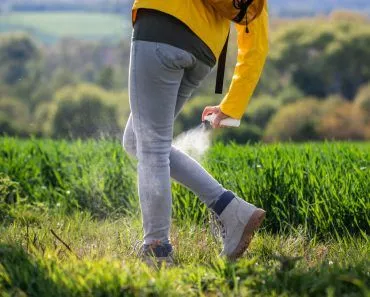
Farmers frequently turn to synthetic chemicals like pesticides, herbicides, and fungicides to get rid of these nuisances. They not only kill these pests, but also harm the crop or plant on which they are sprayed.
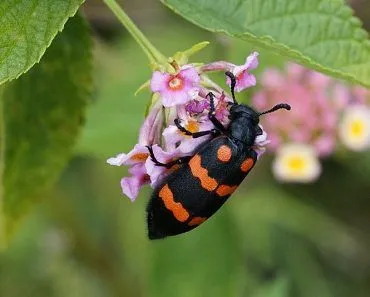
Limonene is proven to solve this problem, as it acts as a natural herbicide and insecticide. It is one of the earliest natural products identified as an insecticide in the USA (1958).
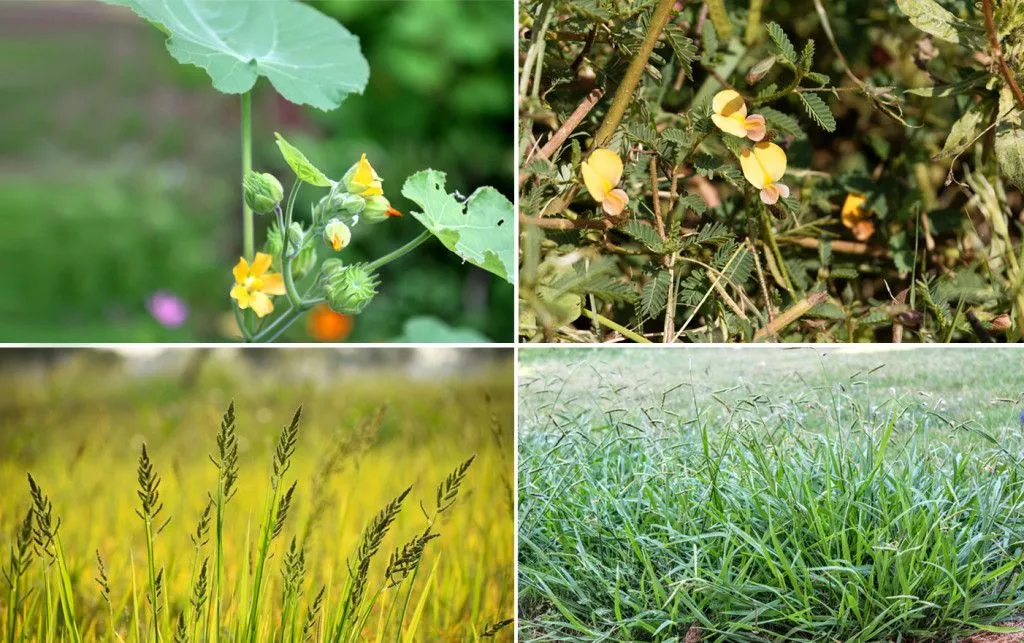
When applied on leaves, limonene prevents the growth of weed species like velvetleaf, Indian joint vetch, barnyard grass, and southern crabgrass.
As an interesting fact, French marigolds are often grown along with tomato plants. Their flowers and leaves release limonene, which repels the common pest called a glasshouse whitefly, as a 2019 study confirmed.These insects cause major drops in tomato yields; growing French marigolds helps farmers save their yields and simultaneously avoids the risks of synthetic pesticides.
Food Preservation And Flavoring
We cook food from freshly available vegetables and grains, so they are consumed within a short span of time after they are harvested. There are fewer chances of them getting spoiled in this way; on the other hand, packaged and processed foods have a higher chance of getting spoiled, as they are typically stored for longer.
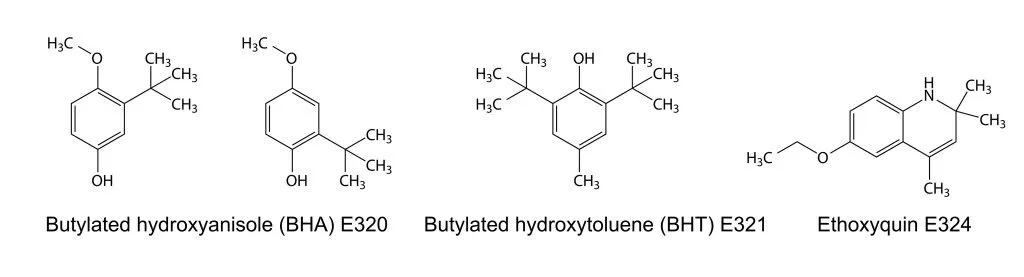
Food and beverage industries use preservatives that increase the shelf life of the food. Though these preservatives go through strict tests before their usage, they still have certain unwanted side effects, as they are synthetic chemicals. The need for natural preservatives is high, but only a few molecules have shown the desired effect.
Limonene is one such molecule.
Stored food often accumulates reactive oxygen species (ROS) like hydrogen peroxide (H2O2), superoxide and hydroxyl radicals, which cause the degradation of food. Reactive oxygen species are mainly oxygen-containing molecules that react easily with other molecules and damage cellular proteins, DNA and RNA.
Limonene suppresses their production and increases the shelf life of packaged food. This clearly demonstrates the antioxidant properties of limonene and makes it an ideal candidate for natural preservation.
Not only can limonene protect the food, but it can also flavor it. Flavored foods like pudding, juice and ice cream are a treat, and are largely delicious due to limonene. Limonene is categorized as ‘generally recognized as safe’, (GRAS) by the Code of Federal Regulations, USA, so it is widely used as a flavoring agent (lemony taste) in the food and beverage industries.
Alternative Medicine
Our immune system is constantly fighting to keep us healthy, but at times it is overpowered or hampered by disease.
Pharmaceutical drugs alleviate our symptoms and treat those diseases, but what if a natural chemical can help us do the same thing? Limonene has shown such therapeutic effects, which helps to further drive research for natural molecules for disease treatment.
Limonene shows an anti-inflammatory response by interfering with the regular inflammatory pathway in our body and modulating the release of cytokines. Owing to its reactive oxygen species (ROS) scavenging, limonene is also useful as an antioxidant in drugs.
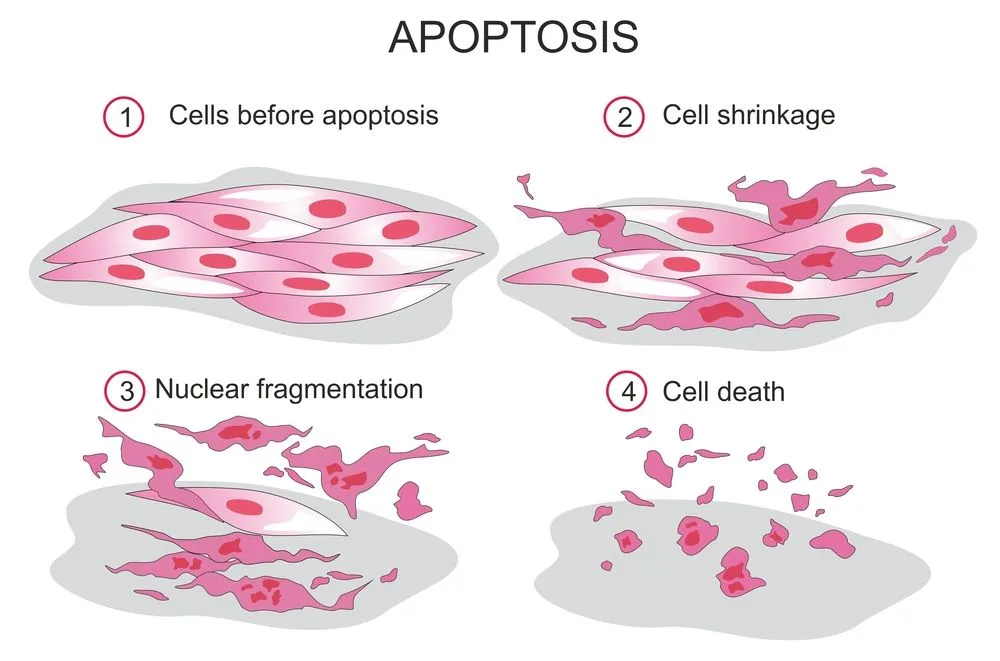
When combined with anti-cancer drugs, limonene enhances their effectiveness by showing an apoptotic effect (cell death) on tumor cells. In diabetes mellitus, a patient’s physiology is worsened by substances called advanced glycation end-products (AGEs), which cause a pro-inflammatory response. Leaves of the Indian bael tree contain limonene and have shown an antiglycative effect even in low dosages.
Can Limonene Fight Parasites And Microbes?
If you have ever heard the claim that oranges or lemons can “kill parasites”, the grain of truth behind it is limonene. In the laboratory, this citrus terpene turns out to be a surprisingly capable germ-fighter. A 2021 review gathered dozens of studies showing that limonene damages the outer membranes of bacteria such as Escherichia coli, Staphylococcus aureus and Listeria monocytogenes, causing them to leak their contents and die.

Its reach extends to fungi and single-celled parasites too. Against Candida yeasts (the microbes behind thrush and many other infections), limonene slows growth in a test tube, and in a 2020 study a 10% limonene cream cleared a Candida infection in mice at least as effectively as the standard antifungal drug fluconazole. An earlier 2009 study found that limonene killed Leishmania, the parasite responsible for the disfiguring disease leishmaniasis, both in culture and in infected animals.
Before you reach for an orange as a dewormer, though, a big caveat is in order. These results use purified limonene at carefully controlled doses, mostly in test tubes and lab animals, not a slice of fruit passing through your gut. There is no good evidence that eating oranges or their peels clears a parasitic infection in people. What the research really shows is that limonene is a promising starting point for new antimicrobial drugs, not a home remedy.
Eco-friendly Solvent
Throughout the journey of limonene, one thing remains common, i.e. chemicals. In every situation where limonene is trying to become an alternative, it is replacing a chemical. Herbicides, insecticides, antioxidants, and drugs are all chemicals. They require large amounts of raw chemicals and solvents for their production. These solvents are mainly petroleum-based and are non-biodegradable.
The push is towards finding a greener solvent that reduces carbon footprints and is less toxic to the environment. It is almost as though life comes full circle, because limonene not only acts as a natural alternative to the above-mentioned chemicals, but also acts as a green solvent to make them. It has shown properties of non-polar solvents, like weak hydrogen bonding, degreasing and hydrophobicity, which makes it a good bio-solvent.
Is Limonene The Jack Of All Trades?
Apart from these applications, limonene is also used in perfumery for citrus fragrances and to make environmentally friendly water-based cleaning formulations. It has shown protective effects on gastrointestinal ulcers, treating allergic responses of the respiratory tract, along with many other health benefits.
The above applications might make you wonder if Limonene is that super-chemical that will solve all your problems.
That’s unfortunately not the case. Though limonene has shown such promising results, there are certain limitations.
When it comes to drugs, many of limonene’s therapeutic effects have been studied in-vitro, i.e., outside the patient’s body in a controlled environment. Whether it will show the same therapeutic effect when ingested is still under study and has not been proven completely. In spite of limonene acting as a bio-solvent, industries don’t use it for large-scale production because of its high cost. Solvents like n-hexane are cheap and in a surplus amount, as compared to limonene.
What Does Limonene Do In Cannabis?
Search for limonene online and you will quickly run into cannabis. That is because the very same molecule that gives orange peels their zing is also one of the most common terpenes in the cannabis plant, where it produces a bright, citrusy aroma. Terpenes are the fragrant oils a plant makes in tiny resin glands called trichomes, and limonene is a star player among them.

Beyond smell, limonene may actually change how cannabis feels. In a 2024 study from Johns Hopkins, 20 healthy adults inhaled vaporized THC, limonene, both together, or a placebo in a double-blind trial. When limonene was added, volunteers reported significantly less of the anxiety and paranoia that THC can trigger, and the effect grew stronger with higher doses of limonene. On its own, limonene produced no noticeable drug-like effects at all. It is early, single-study evidence, but it is one of the first controlled hints that the plant’s terpenes and cannabinoids may work together, an idea often called the “entourage effect”.
This sometimes prompts the question of whether you could just smoke orange peels for the same result. You cannot. The calming effect in that study came from limonene paired with THC, not from limonene by itself, and burning any dried plant matter fills your lungs with harmful combustion products. The interesting science here is about a compound that cannabis and citrus happen to share, not a reason to set fire to your fruit scraps.
Can You Safely Eat Orange Peels?
All this talk of limonene locked inside the peel raises an obvious question: can you just eat the peel? The short answer is yes. Orange peels are not toxic, and they are surprisingly nutritious. Weight for weight, the peel holds more fiber than the juicy flesh, along with vitamin C and a hefty dose of plant compounds such as hesperidin and polymethoxyflavones. In fact, the total polyphenol content is usually higher in the peel than in the fruit inside.

So why don’t we all munch on peels? Practicality, mostly. The peel is tough, dry and bitter, which makes it hard to chew and hard to digest; eating a lot in one sitting can leave you with cramps or bloating. There is also the question of what is on the outside. According to a review of the evidence, pesticide residues tend to sit at higher levels on the peel than in the pulp, so a good wash (and choosing organic where you can) is sensible before you bite in.
And no, an orange cannot poison you. Worried queries like “how many oranges can kill you” have a reassuring answer: the peel and the white pith are perfectly safe to eat, and the only real limits are the bitter taste and a grumbling stomach, both of which will make you stop long before you could eat a harmful amount. The easiest way to enjoy the peel’s benefits is to grate a little zest into your cooking, or slice it thin for a salad or smoothie.
Conclusion
As you can see, limonene isn’t perfect for all situations; however, it has proven to be a good alternative. It is still used in many places and its applications have shown us how powerful nature’s creations truly are. It has also guided research toward finding natural alternatives to synthetic counterparts.
So, next time you pick up an orange, perhaps you will look at that stubborn peel a bit differently!
References (click to expand)
- Ciriminna, R., Lomeli-Rodriguez, M., Demma Carà, P., Lopez-Sanchez, J. A., & Pagliaro, M. (2014). Limonene: a versatile chemical of the bioeconomy. Chem. Commun.. Royal Society of Chemistry (RSC).
- Ibáñez, M. D., Sanchez-Ballester, N. M., & Blázquez, M. A. (2020, June 3). Encapsulated Limonene: A Pleasant Lemon-Like Aroma with Promising Application in the Agri-Food Industry. A Review. Molecules. MDPI AG.
- Vieira, A. J., Beserra, F. P., Souza, M. C., Totti, B. M., & Rozza, A. L. (2018, March). Limonene: Aroma of innovation in health and disease. Chemico-Biological Interactions. Elsevier BV.
- Negro, V., Mancini, G., Ruggeri, B., & Fino, D. (2016, August). Citrus waste as feedstock for bio-based products recovery: Review on limonene case study and energy valorization. Bioresource Technology. Elsevier BV.
- Gu, Y., & Jérôme, F. (2013). Bio-based solvents: an emerging generation of fluids for the design of eco-efficient processes in catalysis and organic chemistry. Chemical Society Reviews. Royal Society of Chemistry (RSC).
- Conboy, N. J. A., et al. (2019). Companion planting with French marigolds protects tomato plants from glasshouse whiteflies through the emission of airborne limonene. PLOS ONE.
- Rao, V. S., et al. (2013). Aegle marmelos Correa leaf extract prevents secondary complications in streptozotocin-induced diabetic rats and demonstration of limonene as a potent antiglycating agent. Journal of Pharmacy and Pharmacology.
- Reregistration Eligibility Decision (RED) Fact Sheet: Limonene. United States Environmental Protection Agency.
- Gupta, A., Jeyakumar, E., & Lawrence, R. (2021). Journey of Limonene as an Antimicrobial Agent. Journal of Pure and Applied Microbiology.
- Muñoz, J. E., et al. (2020). In Vitro and In Vivo Inhibitory Activity of Limonene against Different Isolates of Candida spp. Journal of Fungi.
- Arruda, D. C., et al. (2009). Inhibitory activity of limonene against Leishmania parasites in vitro and in vivo. Biomedicine & Pharmacotherapy.
- Spindle, T. R., et al. (2024). Vaporized D-limonene selectively mitigates the acute anxiogenic effects of Δ9-tetrahydrocannabinol in healthy adults who intermittently use cannabis. Drug and Alcohol Dependence.
- Can You Eat Orange Peels? Considerations. Healthline.