Researchers estimate ancient temperatures using data from climate proxy records, i.e., indirect methods to measure temperature through natural archives, such as coral skeletons, tree rings, glacial ice cores and so on.
Finding out what the temperature is is ridiculously simple these days. However, ascertaining temperature was more challenging two centuries ago. The modern instrumental temperature record only stretches back about 175 years (to the 1850s), which is fine for tracking recent warming, but useless if you want to know what the climate was doing in the time of the dinosaurs.
In that case, how do scientists and researchers discuss the climatic conditions thousands or even millions of years ago? How can they tell what the temperatures of Earth were in the ancient past?
Global temperature in present times is estimated by utilizing specialized thermometers installed on ships, buoys, and several weather stations that are operational worldwide.
However, determining the temperature of previous centuries is more complex than it seems due to our limited resources to ascertain past weather conditions conclusively with any degree of certainty.
Climate Proxies
In order to deduce the ancient temperatures of this planet, scientists rely on a number of indirect methods and techniques called climate proxies. (Source)
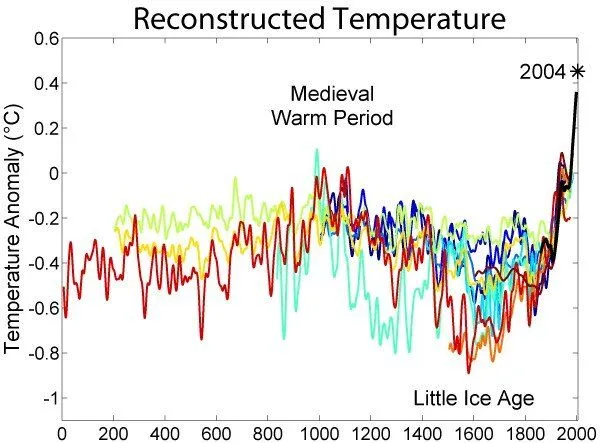
These are preserved physical characteristics of the ancient past that help scientists estimate the corresponding weather conditions of that particular era. Since reliable records of the Earth’s historical temperatures only began to appear in the 1860s, climate proxies are the only way researchers can estimate our planet’s weather conditions before that era.
Some common examples of climate proxies are rocks, ice cores, tree rings, fossils, lake and sea sediments etc. They act as “natural climatic archives” as they contain imprints of the ambient temperature conditions on them.
Ice Sheets
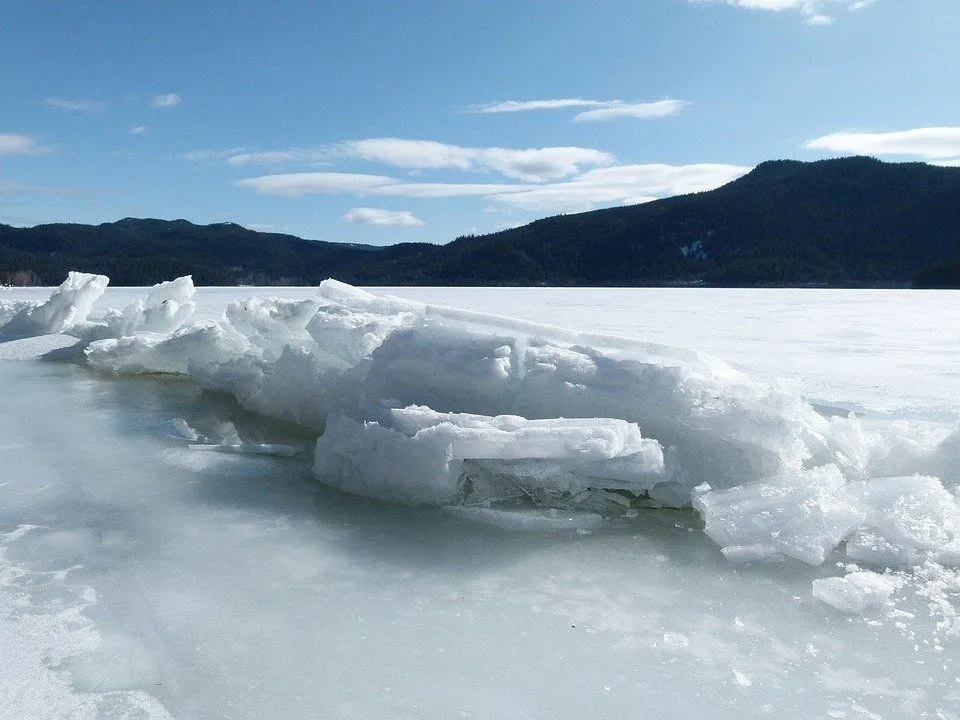
The two great ice sheets in the polar regions, Greenland and Antarctica (plus high-altitude tropical glaciers like Peru's Quelccaya), can provide us with valuable information about historical temperatures. Each year, snowfall forms a new layer of ice on top of the previous one. These layers are preserved and, when drilled out as a long cylindrical "ice core," they can be counted and dated almost like tree rings.
Snow that fell at different temperatures has subtly different chemical signatures. Specifically, the ratio of heavy oxygen-18 to ordinary oxygen-16 in the ice (δ18O) shifts with the temperature at which the snow originally fell (colder air precipitates relatively less of the heavier isotope). Tiny air bubbles trapped between the snowflakes also lock in samples of the actual ancient atmosphere, letting scientists measure past concentrations of CO2 and methane directly. The deepest cores from East Antarctica, drilled by the European EPICA project, have produced a continuous climate record stretching back about 800,000 years, and a successor project announced in 2025 has already recovered ice estimated to be around 1.2 million years old.
Tree Rings
The rings visible in a horizontal cross-section cut through the trunk of a tree are commonly called tree rings. It’s interesting to note that tree rings can be wider or narrower depending on the existing climatic conditions when the tree was growing.
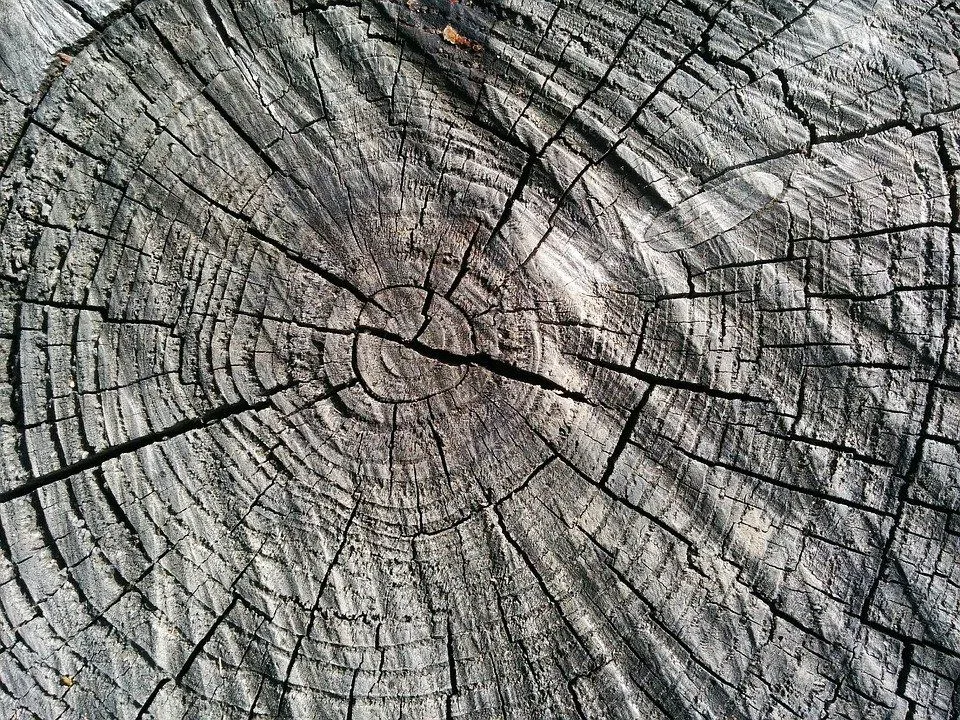
Therefore, fossils of trees can help scientists estimate the trends of changing weather conditions.
Pollen Grains
The best thing about the pollen produced by plants is that it can help identify the parent plant species and is highly resistant to decomposition.
Since pollen production largely depends on the existing weather conditions, their abundance or absolute absence in certain geographical regions can help us establish how warm/cold those areas were in the past.
Fossil Leaves
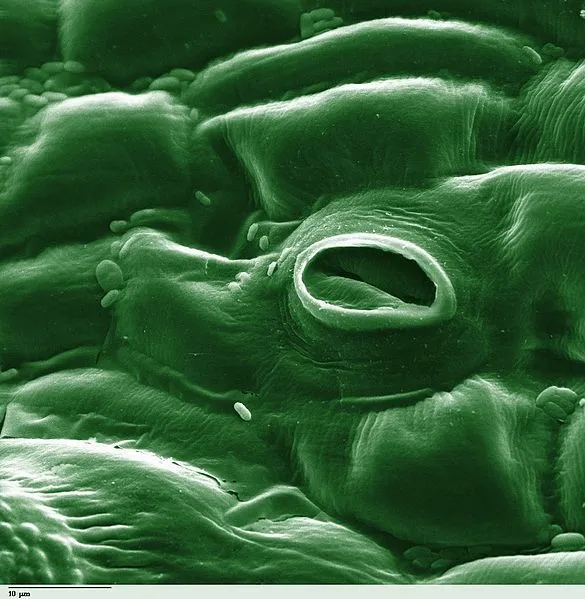
The carbon dioxide content of the ancient atmosphere can be determined by studying fossil leaves’ isotope composition and stomata (tiny pores found in leaves and stems that assist in gas exchange).
Lake And Ocean Sediments
Deep sediments that are found at the bottom of water bodies, such as lakes and oceans, are a great source of knowledge regarding ancient temperatures. The most important of those sediments are the layers formed by the shells of small, surface-living animals that are deposited over millions of years.
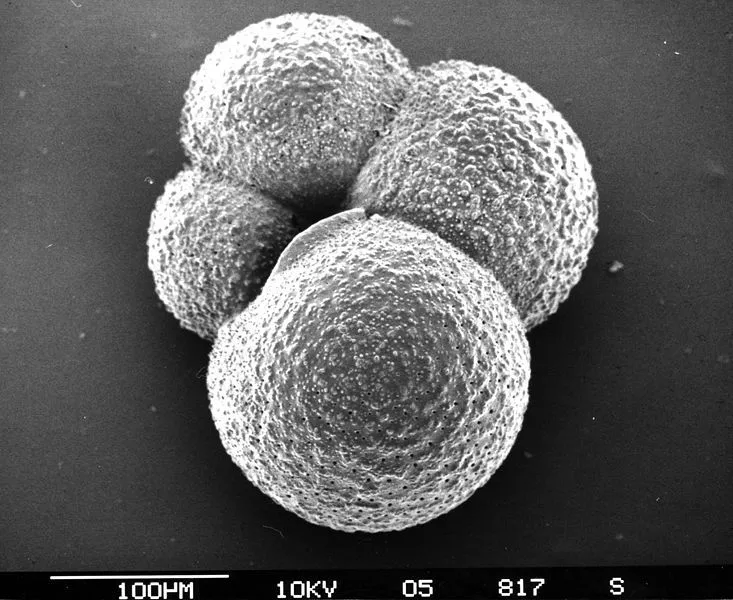
Scientists examine the oxygen isotopes present in these sediments, which gives us some solid quantitative information about the weather conditions dating back to the age of the dinosaurs!
And there are still other proxies we haven't even covered, like coral skeletons (whose Sr/Ca ratios and oxygen isotopes record sea surface temperatures going back hundreds of thousands of years), cave deposits called speleothems, and the boron-isotope chemistry of fossilized plankton. Although none of these techniques give an absolute, perfect-thermometer reading, together they provide enough overlapping information for scientists to make pretty well-calibrated guesses about the climate of the planet millions of years ago.
How Do We Know The Temperature Of The Last 1,000-2,000 Years?
So far we have been talking about deep time, the world of dinosaurs and long-gone ice ages. But what about the much more recent past, say the last thousand or two thousand years, right up to just before thermometers were everywhere? This window matters a great deal, because it is the yardstick scientists use to judge whether today’s warming is unusual. The trick is to lean on the same climate proxies, but especially the ones that lay down a fresh layer every single year: tree rings, annually banded coral skeletons, layered lake sediments and ice cores, plus a proxy we have not met yet, the written human record. Old diaries, ship logs, grape-harvest dates and notes on when a harbor froze over all act as surprisingly good thermometers once you know how to read them.

The key move is to stack many of these proxies together and calibrate each one against the modern thermometer record where the two overlap. Michael Mann, Raymond Bradley and Malcolm Hughes did exactly this in landmark papers in 1998 and 1999, pushing a reconstruction back to roughly 1000 CE. The resulting graph, relatively flat for centuries and then bending sharply upward in the 1900s, became famous as the “hockey stick.” A much larger team, the PAGES 2k Network (organized in 2006), later pulled together 511 proxy records from seven continental-scale regions to produce the best available picture of the last two millennia. Their work, and the wider body of research it feeds, underpins the conclusion in the IPCC’s 2021 report that the past few decades are very likely the warmest of the last 2,000 years. Cross-checking thousands of overlapping records is why we can talk about the recent rise in global temperatures with real confidence.
How Did People Measure Temperature Before Modern Thermometers?
Proxies cover the era before anyone was writing down numbers, but when exactly did humans start actually measuring temperature rather than just feeling hot or cold? The honest answer is: surprisingly recently. For most of history there was no instrument at all. The first step came around 1593, when Galileo Galilei is credited with a thermoscope, a glass tube of air over water whose level shifted as the air warmed and cooled. It could show that something had gotten warmer, but it had no scale, so it could not tell you how warm.

From there, things sped up. Santorio Santorio added a numbered scale to a thermoscope, first describing it in 1612. Around 1650, glassblowers at the Accademia del Cimento in Florence, sponsored by Grand Duke Ferdinand II of Tuscany, sealed alcohol inside a thin glass tube, giving us the first true liquid-in-glass thermometers. Daniel Gabriel Fahrenheit built a reliable mercury thermometer around 1714 and proposed his namesake scale about a decade later, and Anders Celsius proposed the scale that bears his name in 1742. Only once thermometers were standardized like this could people keep meaningful long-term records. The longest unbroken instrumental series in the world, the Central England Temperature record kept by the UK Met Office, runs monthly all the way back to 1659, while a truly global thermometer network only took shape in the 1850s. Everything before that point, as we have seen, has to be reconstructed from nature’s own archives.
References (click to expand)
- Temperature: Instrumental Records | EARTH 103.
- Paleoclimatology: Climate Proxies.
- Paleoclimatology: The Oxygen Balance.
- Briffa, K. R., Osborn, T. J., & Schweingruber, F. H. (2004, January). Large-scale temperature inferences from tree rings: a review. Global and Planetary Change. Elsevier BV.
- Paleoclimatology. NOAA National Centers for Environmental Information (NCEI).
- PAGES 2k Consortium (2013). Continental-scale temperature variability during the last two millennia. Nature Geoscience.
- The Central England Temperature series. UK Met Office.
- The Thermometer & the Scientific Revolution. World History Encyclopedia.