The black "lead" inside a pencil is not lead at all. It is a mixture of graphite (a form of carbon) and clay, ground together with water, shaped into thin rods, and baked at high temperature. The hardened rod is laid into a groove in a wooden casing, which is then sealed with a second strip of wood.
For primitive humans, existence was like a constant battle with the wilds of nature; they had to be alert at all times for any signs of danger that might threaten their survival, yet they also had to brave the odds and journey deep into forests to gather food. However, even at that time, humans had figured out certain ways to entertain themselves, and as time passed, they stumbled upon many other creative tasks. Writing was one of these activities. I bet you didn’t think of primitive humans as artists and poets, but to some degree – they were!
Writing and pencils share a very intimate connection, more so because of the fact that pencils have been around for far longer than you would imagine. I’m sure we would all agree that using a pencil is fairly simple; you just sharpen its tip until you get the lead (the black thing inside the pencil) to jut out of the cylindrical body. Then, you can start writing away! That part is simple, but have you ever wondered how they get the lead inside the wood cylinder in the first place?
Pencil Lead Is Not Actually ‘Lead’
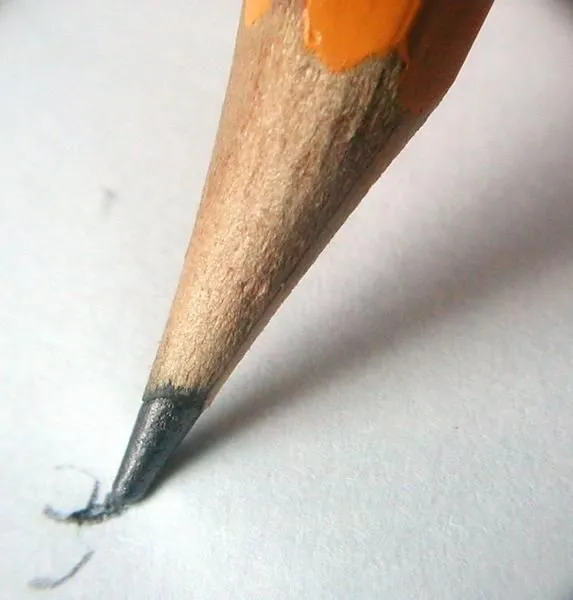
Right from the start, let’s be clear about one very common misperception about pencils. The black thing inside the pencil, which actually allows us to write, is not ‘lead’, although it is mistakenly called that by many. It is actually a mixture of graphite and clay that is ground together in the presence of water and pressed together at very high temperatures into thin rods.
Why Do People Call It ‘Lead’?
The man who is credited with the discovery of graphite actually thought that he had found lead, when he had actually found this new, more useful substance. According to Cumberland Pencil Museum, a deadly storm toppled many trees in Borrowdale, England, in the 16th century (around 1564). After the storm ended, a large deposit of a blackish substance was found in the ground beneath the uprooted trees. Since it looked like lead, that’s what the people of Borrowdale assumed it to be, but they were wrong!
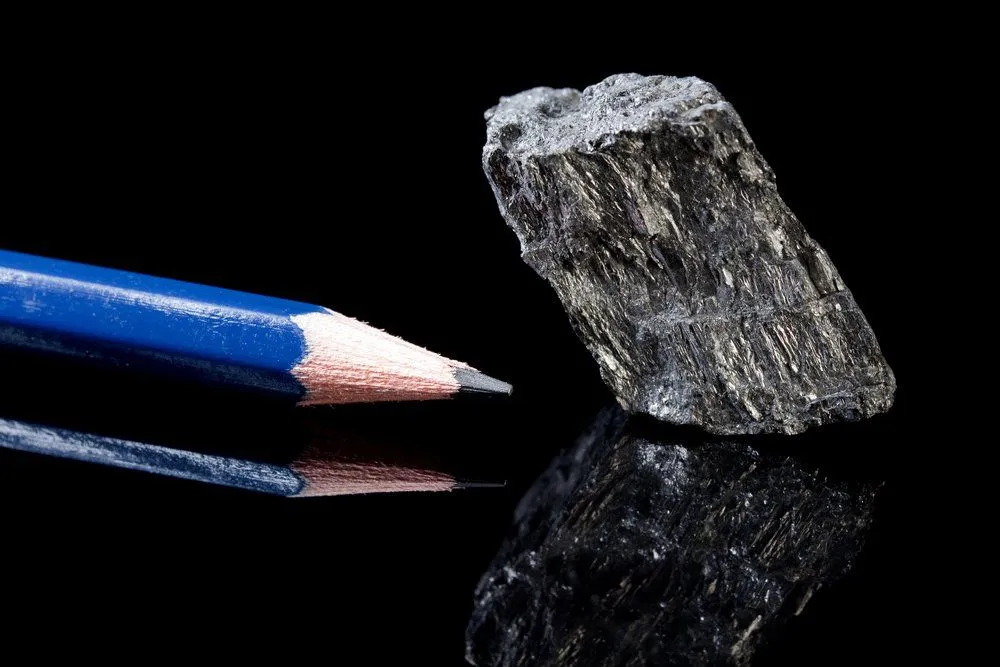
It took more than 200 years for scientists to conclude that it was not actually lead, but rather graphite, a form of carbon. The German mineralogist Abraham Gottlob Werner coined the name graphite in 1789, deriving it from the Greek word graphein, meaning ‘to write’, since writing was the main task being performed with this newly discovered substance.
The Primitive Versions Of Pencils
Pencils, in the beginning, were nothing like the pencils we know today. They were just chunks of graphite used primarily by carpenters to make markings on wood and other articles without leaving a dent on the surface. Then, the pencil evolved into a newer model, where that same graphite chunk was wrapped in sheepskin. The next version was wrapped in string, which meant that the writer had to unravel the string as the graphite wore down with use.
The most convincing model appeared when they stuffed a piece of graphite in a hollowed-out stick of cedar. Then, the English made a slight change in the manufacturing process; they first cut a groove in the wood. Then they inserted a piece of graphite and broke it off level with the top of the groove. After the graphite was inserted, they just glued a small piece of wood on the other end of the pencil, ensuring that the graphite didn’t emerge from that end as it experienced pressure during writing.
Today’s Pencils
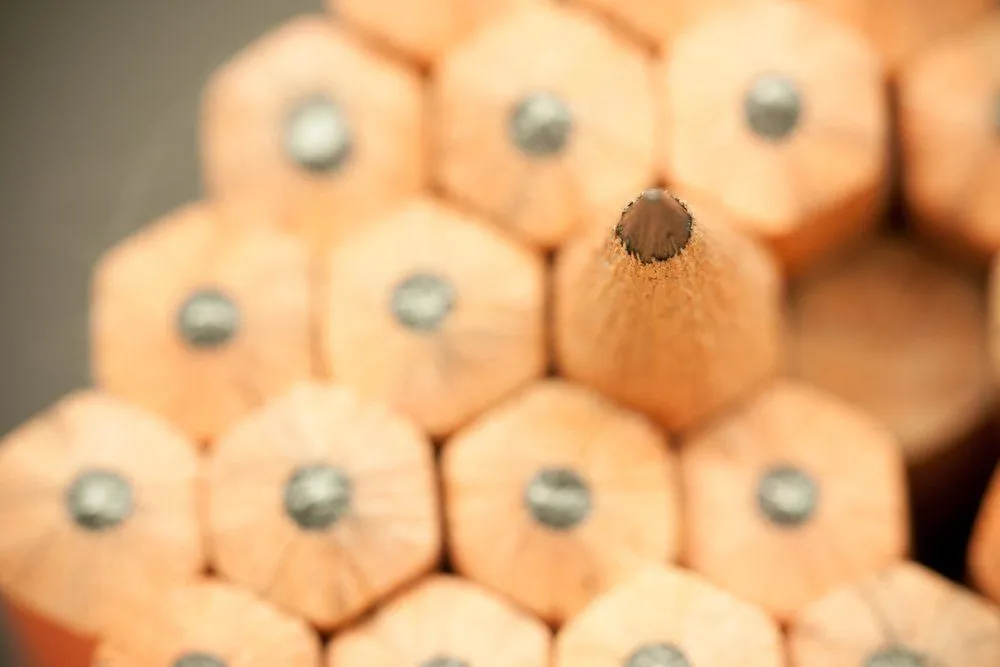
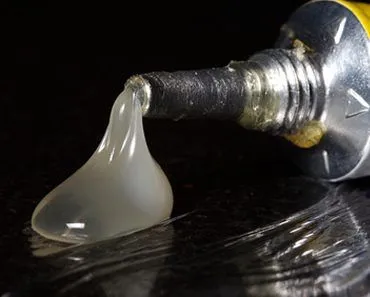
The process of making pencils has been highly mechanized over the years. Today, for example, large blocks of cedar are cut into slats, and then a machine cuts eight grooves and inserts graphite rods inside them. Another wooden slat is glued on top of the first and as soon as the glue dries, the slats are passed through a cutting machine, which cuts them in different shapes, giving us eight different pencils. A few layers of paint are finally applied to the surface, giving them a fine ‘pencil-like’ finish.
When you think about people in the past just using a shapeless chunk of graphite to write stuff down, it should make you feel pretty lucky. We sure have come a long way!
Why Is Graphite Used In Pencils?

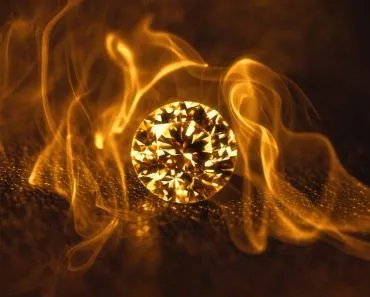
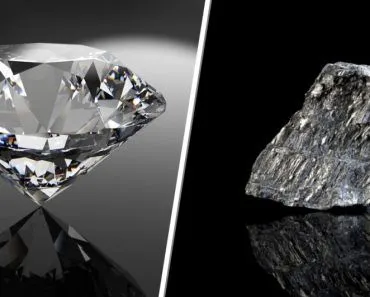
So why graphite, of all things? The answer is hiding in how the stuff is built. Graphite is a form of pure carbon in which the atoms are locked into flat sheets of fused hexagonal rings, a little like layers of chicken wire stacked on top of one another. The bonds within each sheet are strong, but the sheets themselves are held together only by feeble forces (van der Waals attraction), so they slip past each other with almost no effort. This is exactly why graphite is soft while diamond, made of the very same carbon, is the hardest natural material there is.
That single quirk is the whole trick. When you drag a pencil across paper, the rough fibers shear off these microscopic flakes and they cling to the surface, leaving the grey line you can see. The same slippery layering is also why graphite makes a fine dry lubricant. Pure graphite, however, is far too soft and crumbly to survive inside a pencil. The fix, worked out by the French engineer Nicolas-Jacques Conté in 1795, is to grind graphite into powder, mix it with clay and water, and bake the rods in a kiln. Conté's process is still essentially how pencil cores are made today.
The clay is what lets a single material give you everything from a faint hairline to a bold black smudge. The more clay in the mix, the harder and lighter the line; the more graphite, the softer and darker. That ratio is what the letters on the side of a pencil mean: H stands for hardness and B for blackness, with HB sitting in the middle. A hard 6H pencil is only about half graphite, while an extremely soft grade can be more than 90% graphite, which is why it lays down such a dark, buttery line.
Where Does Pencil Graphite Come From?

Graphite isn't manufactured from scratch for pencils; most of it is dug straight out of the ground as a mineral. It forms when carbon-rich rocks are cooked under high heat and pressure deep in the Earth, leaving behind veins, flakes, or powdery deposits of nearly pure carbon. For a long time the famous Borrowdale deposit in Cumbria, England, was the only known source of solid graphite good enough to write with, which is exactly why those early English pencils were so prized.
Today the picture looks very different. According to the US Geological Survey, China produced roughly 78% of the world's natural graphite in 2024, far ahead of every other country, and it refines an even larger share of the global supply. Other notable producers include Madagascar, Mozambique, Brazil and Tanzania, and new flake-graphite mines opened in Brazil and Tanzania in 2024 as countries try to spread the supply beyond China.
It is worth noting that pencils account for only a tiny slice of all this graphite. The lion's share now goes into industrial uses such as refractory bricks and lubricants, and increasingly into the anodes of the lithium-ion batteries that power phones and electric cars. The humble pencil, in other words, shares its raw material with some surprisingly high-tech company.
References (click to expand)
- Pencil - Wikipedia. Wikipedia
- The History of the Pencil - lrs.ed.uiuc.edu
- How do they get lead in a wooden pencil? | HowStuffWorks. HowStuffWorks
- Pencil | Definition, Types, History, & Facts. Encyclopaedia Britannica
- Borrowdale graphite - Wikipedia. Wikipedia
- Carbon - Allotropes, Structure, Bonding. Encyclopaedia Britannica
- On This Day - Nicolas-Jacques Conté. Royal Society of Chemistry
- Graphite (Natural). Mineral Commodity Summaries 2025. U.S. Geological Survey
- Pencil graphite composition by grade. Nanomaterials (Basel) / PMC, NCBI