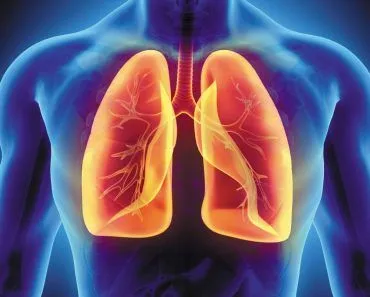
Breathe through your nose during light or moderate exercise, since nasal breathing is more efficient and filters, warms and humidifies the air. Switch to your mouth (or both) during intense efforts like sprinting or heavy lifting, when your body needs far more air than the nose alone can move. It is completely normal to breathe through your mouth when you are working hard.
Exercising is great for health – everyone knows this. Be it running, swimming, going to the gym etc., including at least one form of physical exercise should be a part of a person’s daily routine. However, simply exercising isn’t enough. It needs to be done properly, keeping in mind a number of things that affect your performance.
One of the most common and important things that people tend to ignore or disregard while exercising is their breathing. We need energy for any kind of exercise, and having adequate oxygen is an important aspect of our energy production process. Therefore, getting your breathing correct is very important.
Breathing Through The Nose Or Mouth?
Naturally, we breathe through our nose. So it’s a normal assumption to make that, in every context, breathing through the nose is the favored option. The truth, however, is that it depends on how hard you’re working. Not what you expected? Me neither. The nose has real advantages: the nasal hairs act like a filter, the mucus helps trap particles, and the air gets warmed and humidified on its way in. The nose also releases nitric oxide into the airstream, a gas produced in the sinuses that helps the blood vessels in your lungs relax and improves how efficiently oxygen passes into your blood. In fact, studies in runners have found that, once you adapt to it, nasal breathing uses less oxygen to sustain the same pace, which makes it the more economical choice for steady, lower-intensity work like yoga, walking or an easy jog.
So why do we end up gasping through our mouths the moment a workout gets hard? Because the nose simply cannot move enough air. During heavy exercise, such as sprinting, running hills or weight training, the body demands a much greater intake of oxygen and a faster expulsion of carbon dioxide, and the wider, lower-resistance path through the mouth lets you move far more air per breath. At that point mouth breathing (or using both at once) is not a bad habit; it is your body doing exactly what it should. So there is no single right answer: match the route to the intensity.

How To Breathe While Exercising
More important than breathing through the nose or mouth, the frequency and depth of every breath is what really matters. While performing any heavy exercise, most people tend to take quicker and shallower breaths in an attempt to maximize their oxygen intake. This is one of the most common mistakes that people make, often without realizing the kind of effects it can have. Chest breathing, or shallower breathing, as it is called, is a less efficient way of breathing, as we end up not using the full capacity of our lungs. This leads to weaker performance, dizziness, weakness etc.
For activities like running, a popular and well-tested approach is rhythmic breathing, which times your breaths to your footstrikes in a 3:2 pattern. That means inhaling deeply over three steps and exhaling fully over the next two. Because the full cycle lands on an odd number of steps, you exhale on alternating feet, which spreads the jarring impact of each footstrike evenly across both sides of your body. That matters because the side stitch (that sharp cramp under the ribs) tends to strike when you repeatedly exhale on the same foot. It may feel awkward at first, but it can have great effects on your overall stamina. When you are really pushing the pace, this rhythm naturally shifts to something faster, like 2:1, and that is perfectly fine; the goal is steady, deliberate breathing rather than one rigid count.

During more intense activities like weight training etc., the rule to remember, as any gym-going person will probably already know, is that when exerting pressure, you should exhale. For instance, while doing a flat bench press, when you raise the weights, you should exhale, and while your arms lower, you should inhale.
Should You Breathe Through Your Nose Or Mouth While Running?
Running is where this question comes up the most, and the honest answer is the same one as before: it depends on how fast you are going. For an easy jog or a steady long run, your nose can usually keep up, and there is a genuine payoff for letting it. In a study of recreational runners, George Dallam and colleagues had participants spend an extended period training with nasal-only breathing, then tested them. After adapting, the runners reached the same maximum oxygen uptake (VO2 max) breathing through the nose as they did through the mouth, but they did it while moving noticeably less air, with a significantly lower ventilatory equivalent for oxygen. In plain terms, their breathing became more economical: less air shifted per stride to hold the same pace.
Part of why the nose helps is a gas called nitric oxide, produced in your sinuses and swept into the airstream only when you breathe in through your nose. It relaxes the blood vessels in the lungs and helps oxygen cross into the blood more efficiently, an effect you simply skip when you gulp air straight through your mouth.
The catch is that this is a learned skill, not an instant upgrade. Force nose-only breathing before you are ready and you can feel "air hunger", where it seems like you cannot pull in enough, which only makes the run harder. So the sensible plan for most runners is a hybrid one: breathe through your nose on warm-ups and easy miles, and open your mouth (or use both at once) the moment you push into a tempo effort, a hill, or a finishing sprint. There is no prize for white-knuckling a nose-only sprint.
Is It Bad To Breathe Through Your Mouth During Exercise?
If you finish a hard workout puffing through your mouth, relax: that is completely normal and not a sign you are doing something wrong. When your muscles are crying out for oxygen, the wide, low-resistance path through the mouth is exactly what your body reaches for, and it would be strange (and counterproductive) to fight it.

There is, however, one real trade-off worth knowing about. Air that comes in through the mouth skips the nose's built-in conditioning, so it arrives at your lungs colder and, more importantly, drier. In some people, breathing large volumes of that dry air during exercise dries out and cools the airways enough to make them narrow, a reaction called exercise-induced bronchoconstriction (EIB). It shows up as coughing, wheezing, chest tightness or breathlessness that tends to start a few minutes into a hard effort and can linger afterwards. EIB is common in people with asthma, but you do not need to be asthmatic to get it; plenty of otherwise healthy athletes do, especially in cold, dry conditions.
This is exactly where the nose earns its keep. Because nasal breathing warms and humidifies the air before it reaches your lungs, leaning on it during warm-ups and easy efforts (and in cold weather) is one of the simplest ways to take the edge off airway irritation. If you regularly get a cough or a tight chest during or after exercise, that is worth mentioning to a doctor rather than just powering through.
Let’s go over the basic points one more time. We normally breathe through the nose, and for light to moderate exercise that is the more efficient choice. As the effort ramps up, switching to your mouth, or to both at once, is the right call, because it lets you move the extra air your muscles are demanding. Whichever route you use, the breaths should be deep and steady rather than quick and shallow. Breathing this way uses your lungs more fully, helps stave off dizziness and side stitches, and leaves you with more energy and stamina to finish strong.
References (click to expand)
- Nose vs. mouth breathing: acute effect of different breathing regimens on muscular endurance. BMC Sports Science, Medicine and Rehabilitation (2024). PMC, NCBI.
- Breathing through your nose when you exercise may make your runs easier. The Conversation (Anglia Ruskin University).
- Nasal vs. oral breathing strategies during cardiorespiratory exercise testing (BreathWISE). PLOS ONE.
- Dallam GM, McClaran SR, Cox DG, Foust CP. Effect of Nasal Versus Oral Breathing on VO2max and Physiological Economy in Recreational Runners. International Journal of Kinesiology and Sports Science, 6(2), 2018.
- Exercise-Induced Bronchoconstriction (EIB). American College of Allergy, Asthma & Immunology (ACAAI).