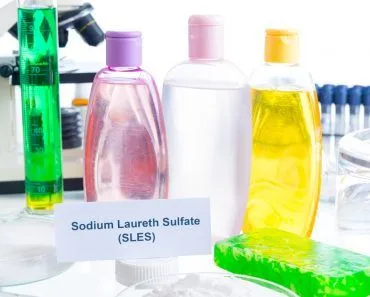
Soaps, shampoos and detergents all work the same way: their surfactant molecules grab onto oil and dirt so water can rinse them away. The difference is what they're tuned for: true soaps (animal fat or vegetable oil + caustic soda) are made for skin, shampoos pair a mild surfactant like sodium laureth sulfate with cocamidopropyl betaine to clean hair, and laundry and dish detergents use harsher, more concentrated surfactants designed for fabric or dishes.
Back in the days of our ancestors – who lived as hunter-gatherers and had to toil to get something to eat – I believe that people paid less attention to how they washed their hair or hands than they did to avoiding getting eaten alive by a wild beast.
However, the people of the 21st century are spoilt for choices when it comes to choosing the best product for personal hygiene. You have soaps to bathe with, shampoos to clean your hair, detergents to wash your clothes with and so on. Yet if all of these products are essentially soaps, what’s the difference between them?
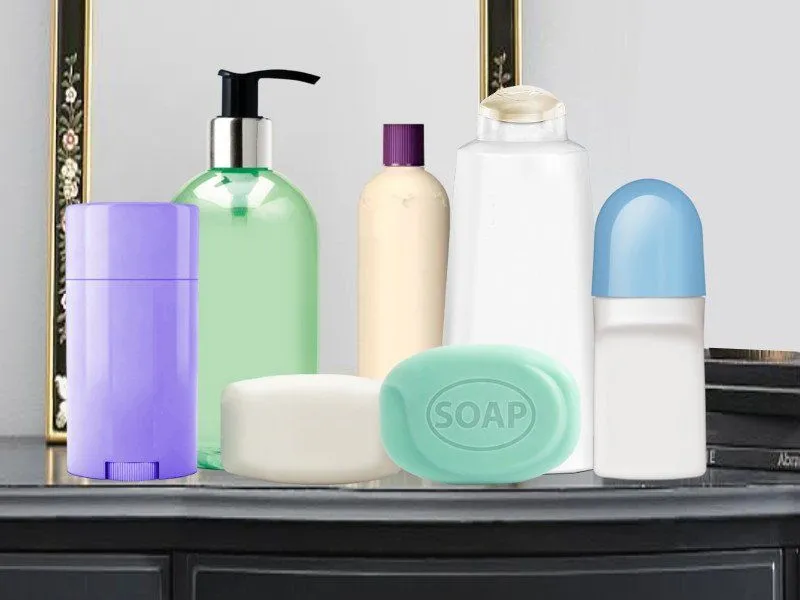
In order to answer that, we’d have to look at the technical definition of a soap.
What Is A Soap?
We all know and identify a soap as something that helps us wash stuff, but what actually is a soap? What is its chemical definition?
A soap, in essence, is the salt of a fatty acid. A soap molecule consists of a polar ionic hydrophilic end (“water-loving’ end) and a nonpolar, hydrophobic end (“water-hating” end). When soap is mixed with water, its molecules arrange themselves in the form of roughly spherical aggregates (typically anywhere from about 50 to a few hundred molecules each, depending on the soap and conditions) called micelles.

‘True’ soaps are produced by mixing animal fats or vegetable fats with a strongly alkaline solution, such as lye (sodium hydroxide, NaOH) or potash (potassium hydroxide, KOH). As such, from a purely technical standpoint, most modern liquid soaps are not actually soaps.
Different Types Of Soaps
Technically speaking, most modern soaps are not really soaps. They are usually mixtures of petroleum-derived surfactants (e.g., sodium lauryl sulfate) with other chemicals that produce detergents matching the desired use. Depending on the type of chemicals you use, you can get very different types of soaps. For instance, using potash will yield a liquid soap, while lye will form a hard soap, like what you get in the shape of bars.
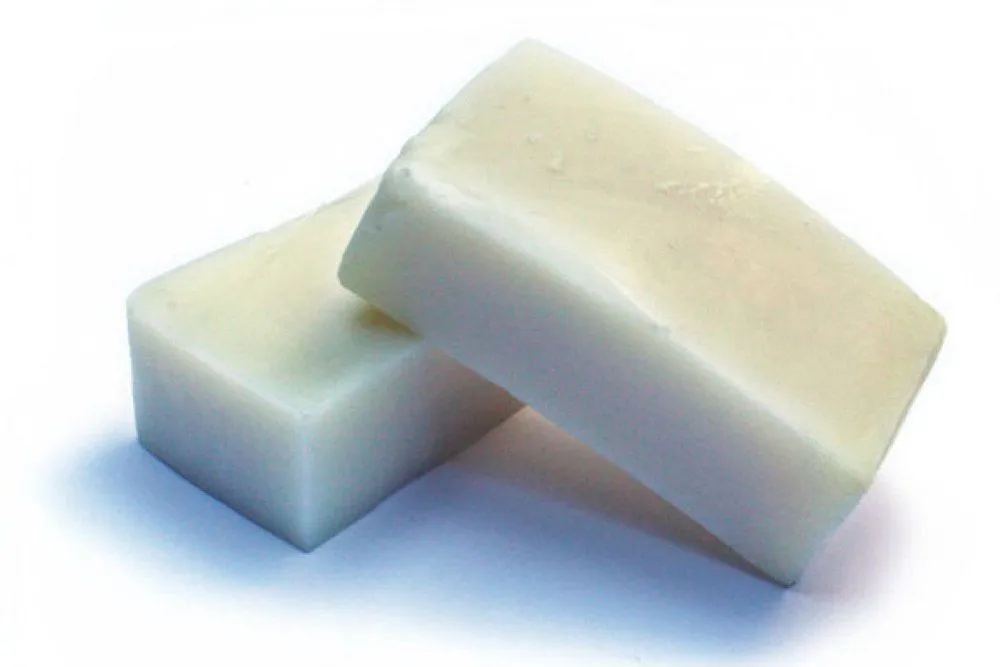
The other factor that matters is the fat you use while making these soaps; olive oil yields a very soft soap (think Castile soap), while harder fats like beef tallow or coconut oil produce a hard, dry bar.
It must be noted that all detergents – regardless of what they’re used on (e.g., hair, hands, clothes, dishes etc.) work on the same basic principle: they break up oils and dirt and wash them away with the help of water. Thus, as far as their general purpose is concerned, all soaps are technically pretty much the same.
However, it’s also true that different products are suited for different conditions, and therefore cannot be used interchangeably. For instance, you wouldn’t want to wash your hair with the soap that you use in your washing machine, would you?
 Below are a few common types and forms of soaps:
Shampoo
A shampoo is usually made by combining a surfactant (generally sodium lauryl sulfate or sodium laureth sulfate) with a co-surfactant (usually cocamidopropyl betaine) in water to form a thick, viscous liquid. It’s designed to be gentle on keratin (a fibrous protein important for hair formation).
Shampoo is also able to rinse out from the hair quickly, thanks to its fairly low concentration of surfactants.
Hand And Body Wash Soaps
These soaps are typically formed with a mild surfactant to avoid irritation of the skin, and they have a bunch of other ingredients that have a few added benefits, such as adding a pleasant smell, moisturizing the skin, improving lather etc.
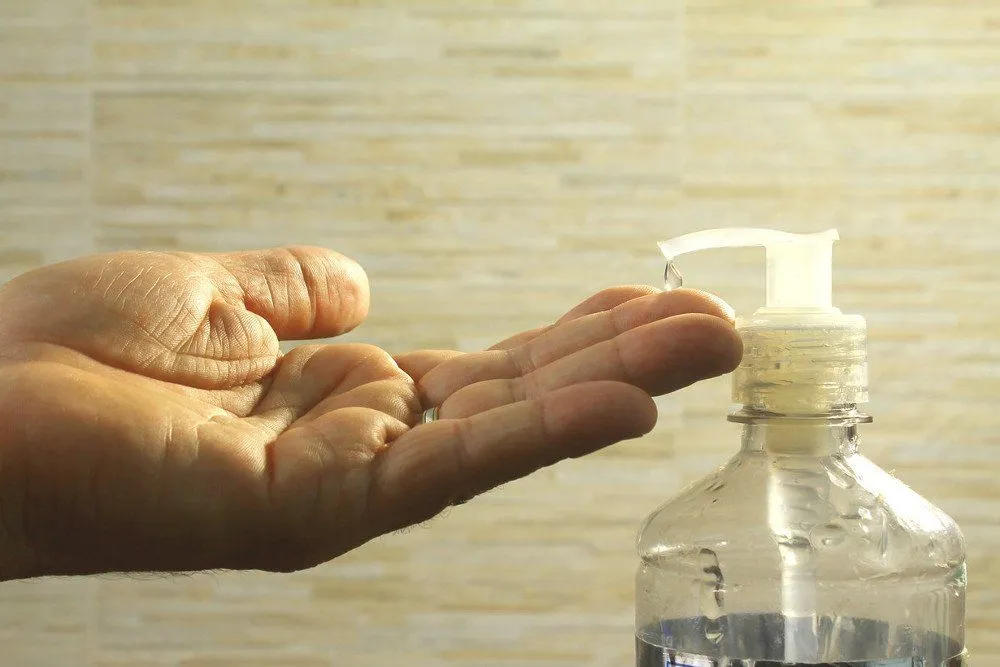
Hand washes are also typically less foamy, since they don’t need to cover very much surface area and are not used as frequently. These soaps are also more concentrated than shampoo. Face washes have even more specialized ingredients, such as ceramides and multivesicular emulsions, alpha hydroxy acids, benzoyl peroxide or salicylic acid, etc. which, in addition to keeping the face clean, also help to fight conditions like acne.
Bar Soaps
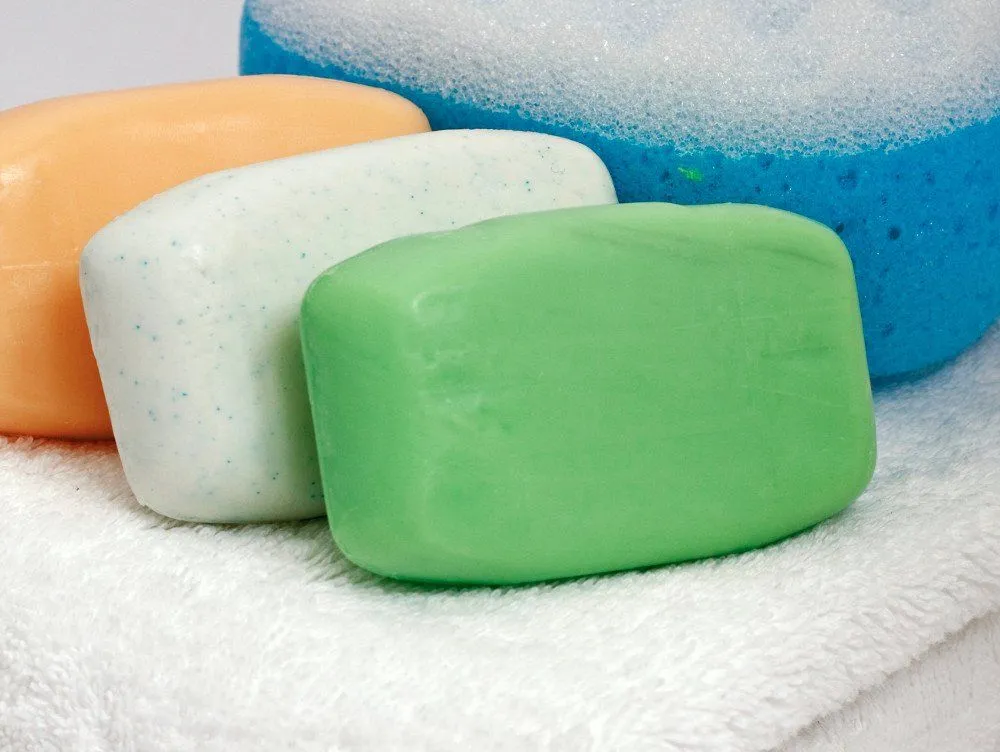
Bar soaps are the closest thing we have to the ‘true’ kind of soap, i.e., they are formed with animal fats or plant oils and caustic soda (sodium hydroxide, which is a strong alkaline substance). In addition to the basic ingredients, which remain pretty consistent in all bar soaps, they may have added ingredients to enhance the color, texture and scent.
Laundry Detergents
Laundry detergents are highly concentrated (unlike shampoos and body wash soaps), as they are used only after getting diluted by large amounts of ‘wash water’. That’s why it’s such a task to rinse off even a few drops of liquid detergent on your hands (because they are so concentrated).
They contain certain surfactants that can work with both cold or hard water (as these surfactants are less susceptible to water hardness), which is why they are much better at washing clothes than your run-of-the-mill bar soap.
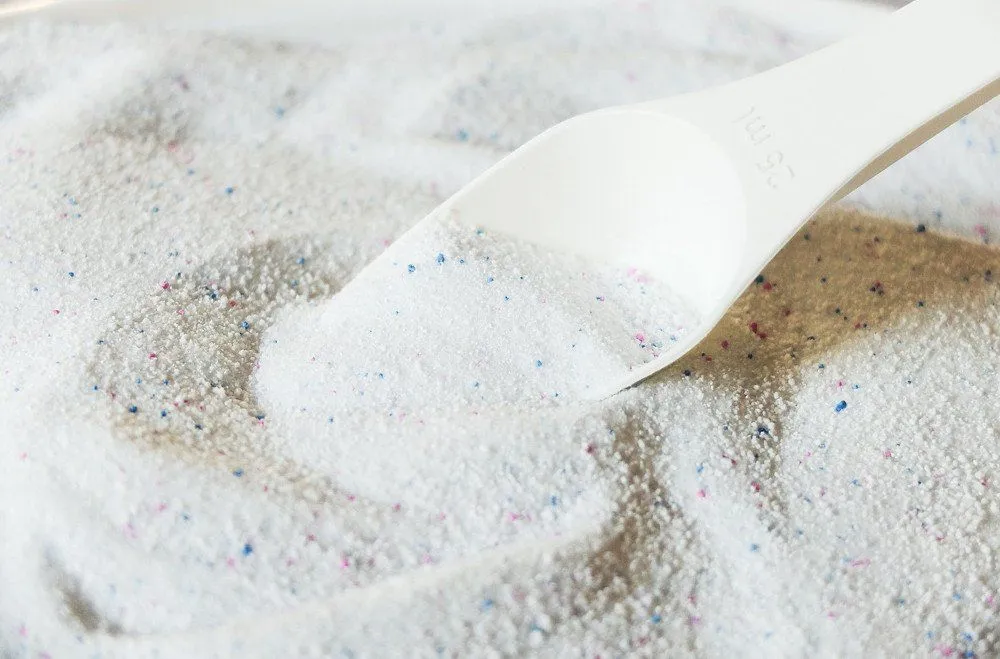
Traditional washing powders are usually of a higher pH than liquid detergents, which are closer to a neutral pH.
Dishwashing Detergents
Dishwashing detergents that are used with hands directly must remove dirt, grease, sugar etc. from dishes without being too harsh on the skin. That’s why they don’t contain bleach, and instead use a mixture of surfactants that work near neutral pH and are mild on the skin.
Dishwashing detergents used in automatic dishwashers, on the other hand, don’t care about being gently towards your skin, as they don’t usually come in direct contact with your skin or any organic fibers. As such, these detergents can and do use much harsher ingredients, which often include abrasives. In short, they rely on a brute-force approach by breaking down food and stains with high pH and chlorine bleach, but would be quite harsh to the skin if they came in contact with your hands.
What's The Real Difference Between Soap And Detergent?
If soap and detergent both lift away grease, why do we even have two words for them? The split is in the chemistry. A true soap is the salt of a fatty acid, made by reacting natural fats or oils with a strong alkali like lye (sodium hydroxide, NaOH) or potash (potassium hydroxide, KOH), a reaction called saponification. A detergent, by contrast, is a synthetic surfactant that is built in a factory rather than rendered from fat, and its water-loving end is usually a sulfonate or sulfate group instead of a soap's carboxylate.
That one swap explains the most familiar difference: how they behave in hard water. Hard water is rich in dissolved calcium and magnesium ions, and a soap's carboxylate head latches onto those ions to form an insoluble precipitate. That precipitate is the grey film you see as a ring around the bathtub or a dull residue on glassware, better known as soap scum. A detergent's sulfonate or sulfate head does not bind those ions nearly as readily, so detergents keep lathering and cleaning in hard water where ordinary soap would just curdle into scum. It is one reason laundry and dishwashing products are formulated as detergents rather than soaps.
There is a trade-off, though. Because true soaps are simple fatty-acid salts, they tend to be more readily biodegradable and less toxic to aquatic life than many synthetic detergents, something a 2025 study in PLOS One found when it compared the main components of natural soap against common synthetic surfactants in tests on algae, crustaceans and fish.
Is Shampoo Just Soap For Your Hair?
Not really, and the difference is more than marketing. Shampoo is technically a detergent rather than a true soap: it pairs a primary surfactant such as sodium lauryl or laureth sulfate with a gentler co-surfactant like cocamidopropyl betaine. So why not save money and just rub a bar of hand soap over your scalp? The answer comes down to acidity and to soap scum all over again.

Your scalp and hair sit on the acidic side of the scale. The scalp surface has a pH of around 5.5, and the hair shaft itself is even more acidic, close to 3.67. Traditional soap, by contrast, is alkaline and leaves an alkaline residue behind. According to a review in the International Journal of Trichology, that alkalinity is a problem: a higher pH increases the negative electrical charge on the hair fiber, which raises the friction between strands and makes the cuticle scales lift away from the shaft. Lifted, roughened scales are exactly what we experience as frizz, tangles and breakage.
On top of that, soap forms the same insoluble scum on hair that it forms in a hard-water bathtub, coating the strands with a dull film that is difficult to rinse out. Shampoos sidestep both problems: they are formulated much closer to hair's natural pH and use surfactants that rinse away cleanly instead of precipitating onto the cuticle. That is the real reason a dedicated shampoo tends to leave hair softer and shinier than a bar of soap ever could.
What Do You Call Soaps, Shampoos And Detergents Collectively?
If soap, shampoo, body wash, laundry powder and dish liquid are all variations on the same idea, is there a single word that covers the lot? There is, and chemists use it constantly: surfactant. The term is simply a contraction of "surface-active agent". A surfactant is any molecule with a water-loving (hydrophilic) head and an oil-loving (hydrophobic) tail, a structure that lets it lower the surface tension of water and grab onto grease so it can be rinsed away.
Seen this way, "soap" and "detergent" are just two families of surfactant: soaps are the surfactants made from natural fats, while synthetic detergents are the ones engineered in a lab. Shampoo, hand wash and dish liquid are all detergent-based products with their recipes tuned for a particular job. So the next time you want one umbrella term for everything in the cleaning aisle, "surfactant" is the word scientists reach for.
References (click to expand)
- Making Soap - Saponification (Experiment). Chemistry LibreTexts
- What's the difference between dishwasher detergent, laundry .... The University of Wisconsin–Madison
- Soaps vs. Detergents - dwb5.unl.edu:80
- O-Chem in Real Life: Soaps and Detergents - www.asu.edu
- 27.2: Soap. Chemistry LibreTexts
- Natural soap is clinically effective and less toxic and more biodegradable than synthetic detergents. PLOS One (2025)
- The Shampoo pH can Affect the Hair: Myth or Reality? International Journal of Trichology (2014)
- Surfactant. Encyclopaedia Britannica