No, you cannot survive long-term on potatoes alone. They are an excellent source of carbohydrates, vitamin C, potassium and certain B vitamins, but contain almost no vitamin A, vitamin B12, vitamin D, calcium, selenium or fat, and supply only modest protein. Within months, a potato-only diet would trigger deficiencies ranging from night blindness to anemia.
The Martian, starring Matt Damon, was released in 2015 to a strong response all around the globe. It also received some special commendations from scientists working in space agencies all over the world (which speaks volumes about how the movie portrayed their beloved realm!). The movie is basically the story of a man being deserted by everyone, who trusts in science to come to his rescue. Superb as the movie is, we are going to analyze a particular aspect that they have shown in the movie that raises some very interesting questions.
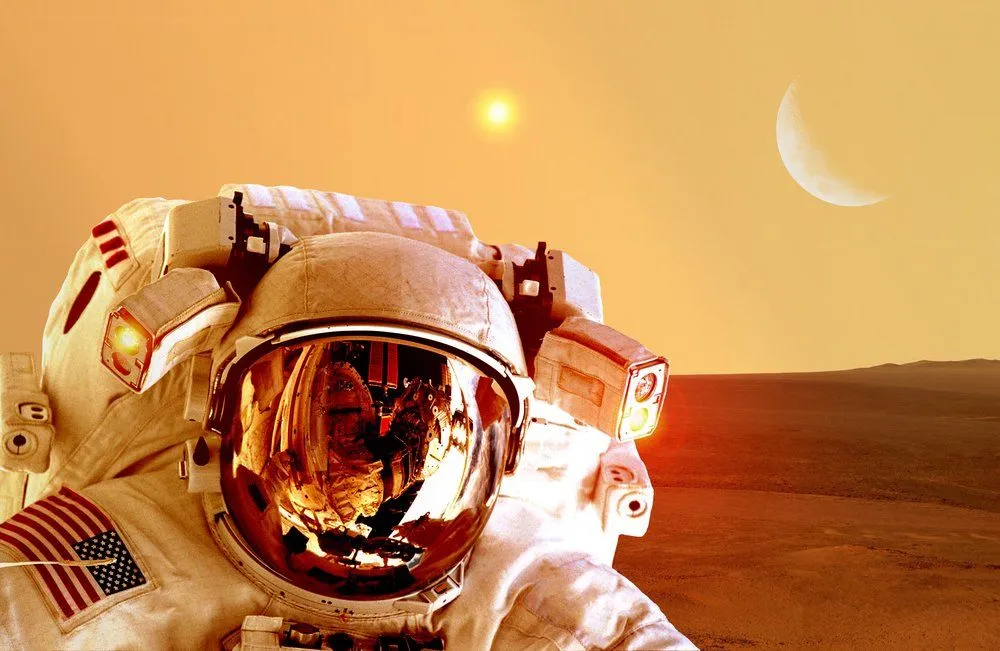
To start with, if you haven’t seen the movie, you should know that there are going to be some spoilers of the movie in here, so tread carefully!
What’s The Movie All About?
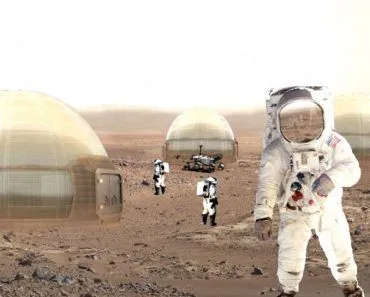
In the movie, the protagonist Mark Watney, played by Matt Damon, is an astronaut who travels to Mars along with a crew of 5 members. Complications arise early on and Watney ends up being stranded on the planet. He has to survive until the crew of the next mission arrives to rescue him.
Martian Potatoes
In order to survive, he, being a botanist, grows potatoes on the parched planet under controlled conditions and actually manages to survive for a long time (he also has vitamin supplements through pills, by the way). Yes, he grows potatoes on Mars. He takes the soil and uses his feces as a fertilizer to make it work.
Researchers at NASA and the International Potato Center (CIP) actually put this idea to the test. In a proof-of-concept experiment that ran in 2016 and reported results in 2017, scientists planted tubers in soil from Peru’s Pampas de la Joya desert (chemically one of the closest matches on Earth to Martian regolith) inside a CubeSat, a small rocket-launchable box that simulated the temperature swings, day-and-night cycle, atmospheric gases and low air pressure of Mars. About 40% of the 65 potato varieties tested sprouted, with some producing small tubers. The best performer was a salt-tolerant variety bred for subtropical lowlands, suggesting that, with the right cultivar, growing potatoes on Mars is at least plausible.
Now, what we want to analyze is whether a person can survive on potatoes alone.
Can You Survive On Potatoes?
The Good Side
There are a few good things in the favor of a potato-only diet. To start with, potatoes are fairly easy to grow (at least easier than many other plants that would provide as much nutrition). Potatoes produce a decent amount of edible tubers per square foot and pose very few problems in their storage. All of these qualities make potatoes a very good choice for a person who has no hope for a more nutritious diet over a long period of time.
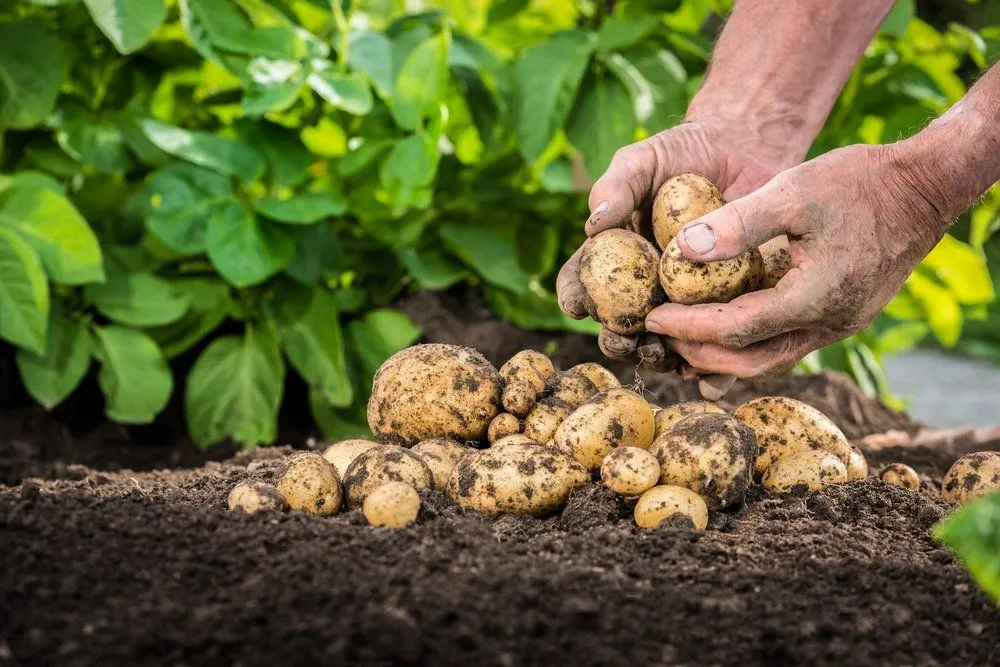
However, a potato-heavy diet still draws criticism from nutritionists. Although potatoes are technically a complex carbohydrate (mostly starch), most varieties have a high glycemic index, meaning the starch is broken down quickly into glucose, spiking blood sugar and, over time, encouraging weight gain. That being said, for someone whose sole motive is to survive on an alien planet, getting a little fatter doesn’t matter too much. On the plus side, potatoes are a respectable source of vitamin C, potassium, magnesium, iodine and certain B vitamins. Last, but not least, they offer the most important thing to a person trying to survive: calories.
The Bad Side
Potatoes can help you survive for many months, no doubt about that, but the risks of not having any other nutritional supplements will take their toll eventually. Regular white potatoes contain essentially no vitamin A, so the person may develop night blindness and other vision problems from this deficiency. They also lack vitamin B12 entirely (it isn’t made by plants), which can drive megaloblastic anemia and nerve damage within a few years. Potatoes’ protein content is modest at best, and if intake fell short enough, deficiency conditions such as kwashiorkor (protein deficiency) could set in. There are other ailments too: rickets (due to a deficiency of vitamin D), bone fractures (due to insufficient calcium), nerve and red-blood-cell damage (due to a lack of vitamin E), a failing heart (selenium deficiency, the same mechanism behind Keshan disease) and cognitive decline plus chronic inflammation (due to a lack of essential fats).
How long is “many months,” though? In 2016, Australian Andrew Taylor ate nothing but potatoes (white and sweet) for a full year under medical supervision, taking only a B12 supplement and a little soy milk. He lost about 115 lb (52 kg) and his bloodwork stayed broadly normal. The catch: the B12 pill is doing serious lifting, and a year is still well short of the lifelong horizon an off-world castaway would need to plan for.
How Long Could You Survive On Potatoes Alone?
The honest answer is longer than you would guess, but not forever. On a potato-only diet the first thing to run out is not calories, but the short list of nutrients the tuber barely carries, and each one drains on a schedule set by how much your body had banked to begin with.

Here is the counterintuitive part: a sack of potatoes is not a scurvy diet. Freshly dug potatoes hold roughly 30 mg of vitamin C per 100 g, putting them in the same league as citrus fruit. History handed us a grim natural experiment to prove it. In pre-famine Ireland, somewhere between a third and a half of the country’s roughly 8 million people lived almost entirely on potatoes, with an adult man getting through 5 to 6 kg (12 to 14 lb) of them a day. Scurvy was rare among them. It only exploded into an epidemic after the 1845 potato blight wiped the crop out, once people’s vitamin C reserves had quietly run down over the following four to five months.
So how did the Irish keep going for generations on a single crop? They did not, quite. Most washed their potatoes down with milk or buttermilk, and that one habit supplied the vitamin B12, calcium and vitamin A that the tuber itself lacks. Historians of nutrition rate the potato-and-buttermilk combination as genuinely adequate, which is exactly why it propped up so much of the population for so long. That is the real takeaway for Mark Watney, and for anyone tempted by a one-food plan: it was never the potato that would do you in. It is everything the potato leaves out, and how long your body can coast on yesterday’s reserves before the gaps start to show.
Use Sweet Potatoes
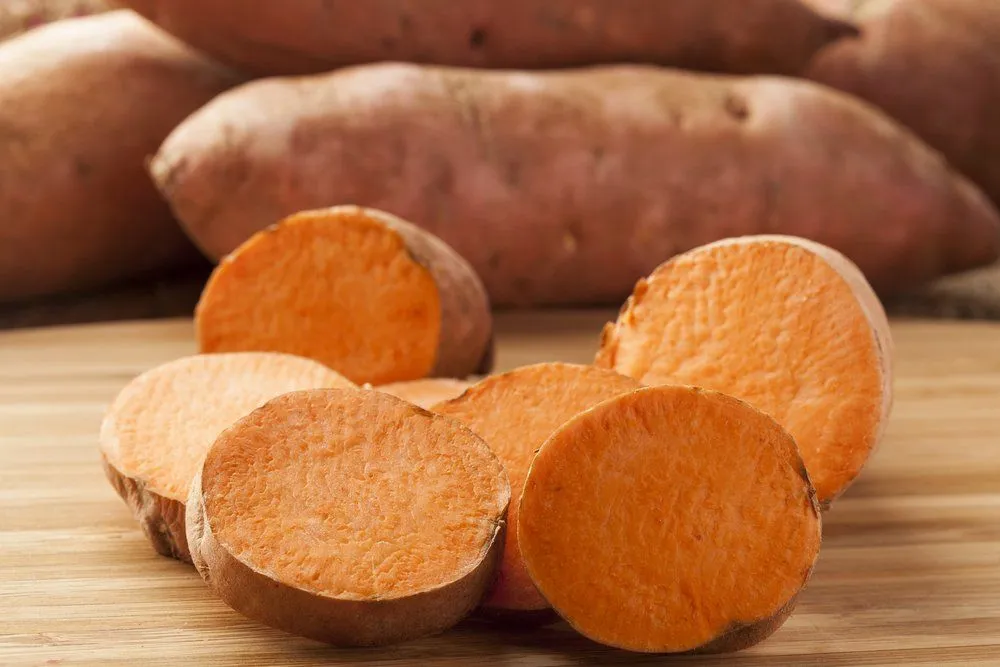
All of this proves that no single food can keep a human alive for years, let alone potatoes. However, if you replace at least some of those potatoes with sweet potatoes, you would be better equipped to ward off several of the ailments mentioned above. Sweet potatoes are just as easy to grow, contain a comparable load of calories, and, crucially, are loaded with beta-carotene (the vitamin A precursor that white potatoes lack), along with extra vitamin C and a bit of vitamin E. They can also be eaten raw in a pinch, whereas regular potatoes really cannot: raw potato starch is hard to digest and the tubers contain glycoalkaloids that cooking helps inactivate.
Therefore, if you are an astronaut and are embarking on a journey to an alien planet, insist that your support team pack a huge amount of sweet potatoes for the trip, or at least plenty of seeds so you can start a space garden when things go wrong!
References (click to expand)
- The Martian (film) - Wikipedia. Wikipedia
- LOW PROTEIN FOODS LIST Recipe Ingredient Amount Phe .... The University of Washington
- Potatoes: Nutritional and Medicinal Qualities. University of Arkansas Cooperative Extension Service
- Sweet Potato vs. Potato: Which Is Healthier? Healthline
- Indicators show potatoes can grow on Mars. International Potato Center (CIP)
- Vitamin A and Carotenoids - Health Professional Fact Sheet. NIH Office of Dietary Supplements
- Keshan Disease. StatPearls. NCBI Bookshelf
- Scurvy in the Great Irish Famine: Evidence of Vitamin C Deficiency From a Mid-19th Century Skeletal Population. PMC, NCBI
- The Chemistry of Famine: Nutritional Controversies and the Irish Famine, c.1845-7. Medical History. PMC, NCBI
- Feast and Famine: a History of Food and Nutrition in Ireland 1500-1920. PMC, NCBI