Table of Contents (click to expand)
Peanut allergies became common largely because parents were once told to delay giving peanuts to babies. Avoiding peanuts in infancy, while the skin met traces of peanut protein, taught the immune system to attack it. Introducing peanuts early instead builds tolerance, which is why allergy rates are now falling after guidelines reversed in 2017.
One of the most universal memories of school for the kids I grew up with, along with a few other generations that came before us, is the smell of peanut butter and jelly sandwiches in the lunchroom. There was a good stretch of time where I had a PB&J every day for months, if not years on end. For me, it will forever be synonymous with the innocence of childhood.
However, many schoolchildren today will grow up in a world where PB&J is strictly outlawed from brown bag lunches, as the mere whiff of peanuts in the air can send some people into anaphylactic shock!

Yes, nut allergies seem to be the great scourge of health for millions of children, to the point where dietary choices for a whole demographic of the country has had to change as a result. A century ago, such “peanut” allergies were rarely, if ever, mentioned, so what has caused their explosion in recent years, and why are they any more common than other allergies?
What Is An Allergic Reaction?
Before we dig into the details of nut allergies, and try to explain why they are so common in today’s generation, we should first look at allergic reactions as a whole.
Generally, an allergic reaction is an overreaction by the immune system when it encounters something it doesn’t recognize, also known as an allergen. Detecting it as a foreign body, the antibodies of your immune system trigger the release of histamine by cells. This begins a further cascade of reactions, including dilation of blood vessels and other compounds, leading to an allergic reaction. Watering eyes in response to pollen or an upset stomach after eating eggs is not your body protecting you from danger, but merely overreacting to something harmless.
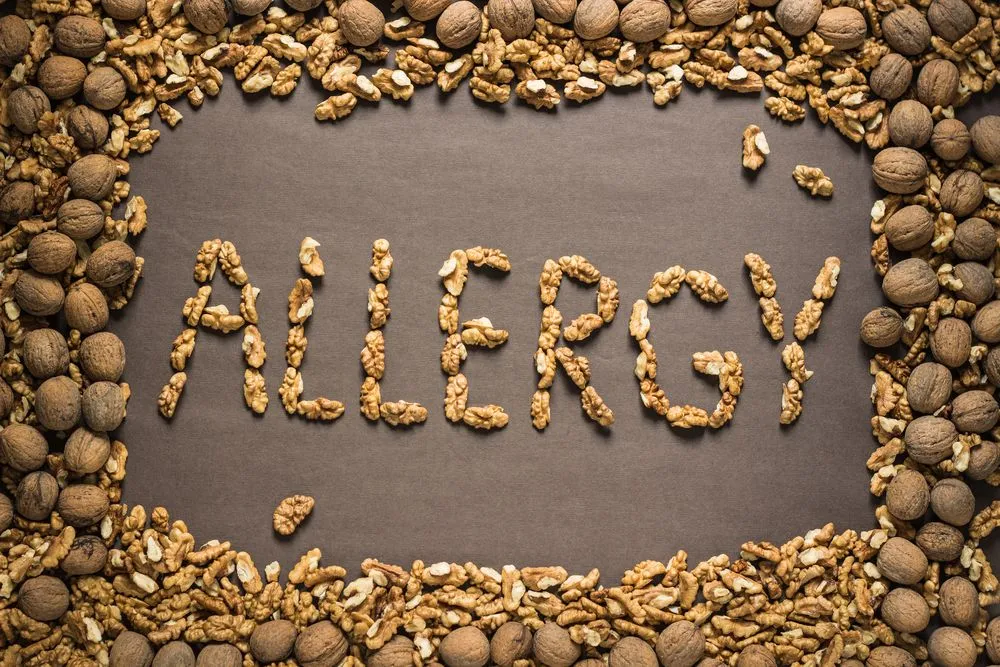
In the case of a peanut or tree nut allergy, your body is unable to recognize one or more of the proteins in that food, which triggers the immune system and kicks it into action. Peanut allergies are not only one of the most common, but also most severe reactions in those who suffer from it. Minor reactions may include hives, itching or tingling, while more moderate reactions could include swelling of the throat, lips and face, and in the most severe cases, anaphylaxis. If adrenaline is not provided, usually in the form of an epinephrine pen, exposure to peanuts can be fatal.
This is why peanuts are banned on airplanes and kids can’t take peanut butter and jelly sandwiches to school anymore. Peanut allergy roughly tripled in American children between 1997 and 2008, and today around 2% of kids (about 1 in 45) are affected. Roughly 1 in 13 children have a food allergy of some kind, but peanut allergy has been one of the most notable and severe to come on the scene in the past few decades.
Why Are Peanut Allergies On The Rise?
There are a number of theories regarding why food allergies seem to be so common these days, as opposed to previous generations. First and foremost, people are eating more peanuts and it is included in more products, so we may be seeing a higher emergence of allergies on that basis alone, i.e., more people are exposed to it, so more reactions are occurring.
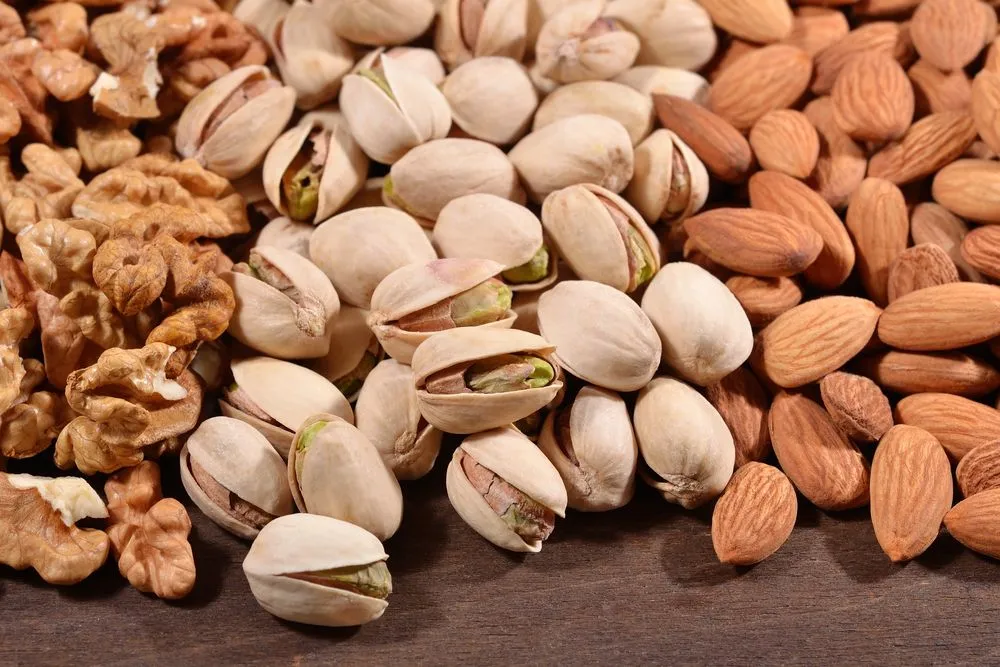
It is also important to understand the difference between peanuts (which grow underground, and are actually a type of legume), and tree nuts (e.g., Brazil nuts, cashews, hickory nuts and macadamia nuts, which grow on trees). Both can be allergens, although peanut allergies are the more severe and common.
The most convincing explanation that researchers have arrived at is the so-called dual-allergen-exposure hypothesis, proposed by allergist Gideon Lack. The idea is that how a baby first meets peanut matters enormously. When peanut protein reaches a child only through the skin (especially broken, eczema-prone skin) before they have ever eaten it, the immune system tends to flag it as a threat. When peanut is instead eaten early, the gut tends to learn tolerance. Two doors to the same food, two opposite outcomes.
Diet may play a supporting role too. Some researchers suspect that a Western diet heavy in processed foods and low in gut-friendly fiber shifts the balance of bacteria in our digestive tract, which in turn can nudge the immune system towards over-reacting, though this link is still being untangled. There is also a quirk of the peanut itself: roasting (the way most peanuts are prepared in the West) chemically alters the major peanut proteins through the Maillard reaction, and these roasted forms bind allergy antibodies far more strongly and resist digestion better than raw or boiled peanut. That may be one reason peanut allergy is common in roasting cultures and rarer where peanuts are usually boiled.
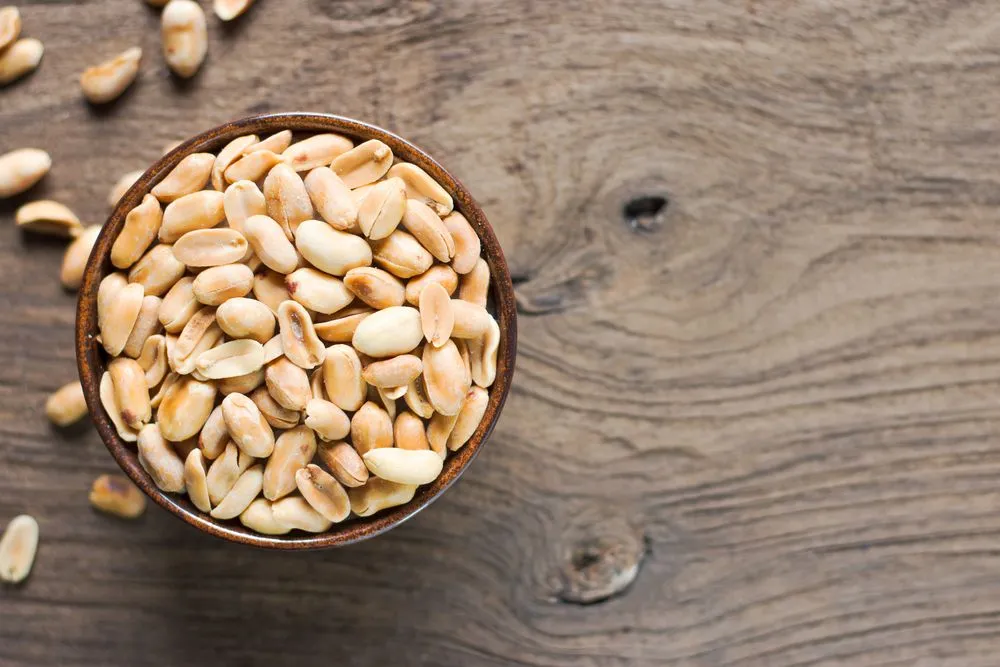
The other convincing argument for the rise of peanut allergies is that the pendulum of parental protection has finally swung towards doing more harm than good. More specifically, parents have become so preoccupied with protecting our children against germs of all kinds, and putting a premium on safety, that they have denied their children exposure to the world.
When we’re young, our bodies and immune systems are encountering things for the first time, all the time. When exposed to bacteria, pathogens, foreign substances and different foods early and in small doses, the immune system gains experience and strengthens, learning about those substances and forming a template for its future defensive response. Once it has fought off a particular substance in the body, it will be better prepared in the future.
However, in a world where children’s hands are constantly being disinfected, food is never eaten after it hits the ground, and bulldozer parents bend over backwards to constantly keep kids healthy, they may be doing more long-term harm than good. Not washing your hands and giving your immune system a few test runs with germs can better prepare a child to fend off more serious threats in the future, including potential allergens.

Exposure To Peanuts: Timing Is Everything
While there is a genetic aspect to allergies, some experts argue that an allergy can be “primed” if a subject is exposed to large amounts of that particular food before a certain age. For example, if the body has such a strong negative reaction, it may “learn” to always negatively react to that substance in the future.
Around the year 2000, shortly after the rapid rise of peanut allergies, experts recommended waiting until after three years of age before exposing children to peanuts, and even advised that women reduce their peanut or tree nut consumption during pregnancy to lower the infant’s risk. We now know that this well-meaning advice almost certainly backfired. A few years later, researchers noticed that in countries like Israel, where babies eat peanut snacks (such as Bamba) from just a few months of age, peanut allergy was strikingly rare. Jewish children in Israel had roughly a tenth of the peanut allergy seen in genetically similar Jewish children in the United Kingdom, who had been kept away from peanut as infants.
That hunch was put to the test in the landmark LEAP trial (Learning Early About Peanut Allergy), published in 2015. Babies at high risk of peanut allergy were split into two groups: one fed peanut regularly from 4 to 11 months of age, the other kept away from it. By age five, feeding peanut early had cut the rate of peanut allergy by about 81%. The old advice had it exactly backwards.
The guidelines were duly reversed. In 2017, an expert panel convened by the U.S. National Institute of Allergy and Infectious Diseases (NIAID) recommended that most infants be introduced to age-appropriate peanut foods early, often starting around 4 to 6 months, rather than avoiding them. And it is working. A 2025 study in the journal Pediatrics found that peanut allergy diagnoses in U.S. children fell by 27% after the 2015 findings and by 43% after the 2017 guidelines, sparing tens of thousands of children a lifelong allergy. For the first time in decades, peanut allergy is on its way down rather than up.
In short, the rise of peanut allergies across Westernized countries was driven largely by a perfect storm: skin-first exposure to peanut in eczema-prone babies, decades of advice to delay eating it, a Western diet and roasting habits that may prime the immune system, and a general culture of hygiene and over-protection. The good news is that the single most important lever, when and how we feed peanut to babies, is now being pulled in the right direction.
A Final Word
Despite living in a generation of heightened hygiene and overprotective parents, we are learning to trust our bodies, and our babies’ bodies, to navigate this strange world of bacteria, pathogens, allergens and other compounds. As the research currently stands, giving the immune system early, low-stakes experience with the world (peanuts included) helps prepare it for whatever life throws our way, even if that turns out to be a handful of peanuts. If you have an infant, talk to your pediatrician about when and how to introduce peanut safely, rather than simply leaving it off the menu.
References (click to expand)
- Burks, A. W. (2008, May). Peanut allergy. The Lancet. Elsevier BV.
- Peanut Allergy | Causes, Symptoms & Treatment. The American College of Allergy, Asthma and Immunology
- Peanut allergy - Symptoms and causes. Mayo Clinic
- https://www.mayoclinic.org/diseases-conditions/food-allergy/symptoms-causes/syc-20355095
- New guidelines for preventing peanut allergy in babies. Harvard University
- Adult food allergies - Harvard Health. Harvard University
- Al-Muhsen, S., Clarke, A. E., & Kagan, R. S. (2003). Peanut allergy: an overview. CMAJ. NCBI PMC.
- Hourihane, J. O., Aiken, R., Briggs, R., Gudgeon, L. A., Grimshaw, K. E. C., DunnGalvin, A., & Roberts, S. R. (2007, May). The impact of government advice to pregnant mothers regarding peanut avoidance on the prevalence of peanut allergy in United Kingdom children at school entry. Journal of Allergy and Clinical Immunology. Elsevier BV.
- Du Toit, G., Katz, Y., Sasieni, P., Mesher, D., Maleki, S. J., Fisher, H. R., … Lack, G. (2008, November). Early consumption of peanuts in infancy is associated with a low prevalence of peanut allergy. Journal of Allergy and Clinical Immunology. Elsevier BV.
- Du Toit, G., et al. (2015). Randomized Trial of Peanut Consumption in Infants at Risk for Peanut Allergy (LEAP). The New England Journal of Medicine.
- Addendum Guidelines for the Prevention of Peanut Allergy in the United States (2017). National Institute of Allergy and Infectious Diseases (NIAID).
- Gabryszewski, S. J., et al. (2025). Encouraging Trends in Peanut Allergy Prevention: Real-World Impact of Prevention Guidelines. Pediatrics.
- Brough, H. A., et al. (2021). The airway as a route of sensitization to peanut: An update to the dual allergen exposure hypothesis. Journal of Allergy and Clinical Immunology.
- Maleki, S. J., et al. (2000). The effects of roasting on the allergenic properties of peanut proteins. Journal of Allergy and Clinical Immunology.