Table of Contents (click to expand)
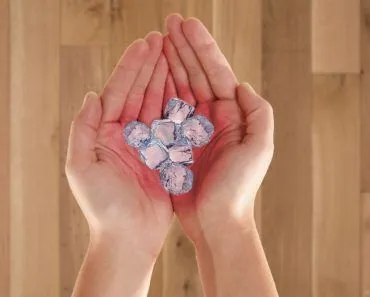
Injuries hurt more in the cold for three reasons. (1) The body conserves heat by sending blood to the core, so blood vessels in the limbs constrict, stiffening muscles and tendons and making skin and nerves more sensitive. (2) Existing sub-threshold pain (an old injury, an arthritic joint) is nudged over the firing threshold by the added cold sensation. (3) Falling barometric pressure modestly increases joint pain in chronic-pain patients, as the University of Manchester’s 2019 Cloudy with a Chance of Pain study found. Staying warm, moving frequently, and stretching all help.
Getting out of bed on winter mornings can be incredibly difficult, thanks to the laziness and gloominess that seems to hang in the air! The cold, damp and dark days of winter make us feel particularly lethargic and aware of all the sadness in our lives. But on top of that, have you noticed that it’s not just your mind that feels more pain during the winter? Even your body seems to hurt more when it’s cold! An increase in the magnitude of joint pains, the worsening of old injuries, increased sensitivity of the skin to new injuries… winter can be blamed for a lot of things!

The Nervous System
To understand why things hurt so much on cold days, we must first understand some things about our nervous system. Our nervous system consists of the brain, spinal cord and nerves. Our sensory organs and the nerves throughout our body receive data and pass on the information to the spinal cord, and finally to the control center (our brain), which then interprets the information it receives.
If each and every sensation was carried to our brain, the constant stimulation would be too much for it to handle. It would get extremely tired of processing so much information. Hence, the nerves (instead of sending an impulse for every input they get) work on more of a threshold system. The transmission of any impulse happens only after a certain level of activity is reached.

The nerves send information to our brain when they receive a stimulus that reaches a certain threshold. However, if the stimulus does not change, the nervous system accommodates or fine-tunes the threshold so that our brain can focus on new stimuli. That’s why you feel your clothes when you put them on, but eventually stop noticing them as you carry on with your day. Even though the input has not changed (the fabric, fit, etc. are the same), you stop noticing the sensation. You only feel it in the presence of another stimulus, say, when the wind makes your clothes flap back and forth against your skin. Thus, the cumulative input of clothes and wind exceeds the threshold, so you are once again more aware of what your clothes feel like.
The nervous system also displays an ‘all-or-none’ behavior. There is no transmission until the input reaches the threshold potential. However, once the threshold is reached, there is a full transmission of the input.
Cold, Pain And The Nervous System
So how is this related to feeling more pain on cold days? Pain inputs also need to cross a certain threshold before being sent to our brain by the nerves. Sometimes, when the pain input is not enough to exceed the threshold, or when it has been accommodated or fine-tuned by the nerves, all it needs is a small amount of additional input to cross that threshold. This additional input is provided by the cold, so our brain suddenly interprets this combined sensation as pain. The sub-threshold stimulus may be present in the form of an old injury, an arthritic joint, fibromyalgia or any other condition that becomes aggravated in the presence of another stimulus, like cold conditions.
What Are The Other Reasons?
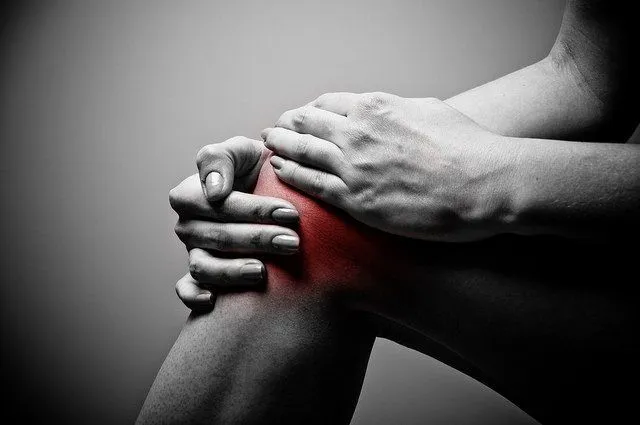
Have you had difficulty texting on cold days? This happens because in colder weather, the body tries to conserve heat by sending more blood to the organs in the center of our body, like the heart and lungs. As a result, the blood vessels in the other parts, like our arms, legs, knee joints and shoulders, will constrict, causing those areas to stiffen due to less blood flow. We also tend to be relatively inactive in winter, which adds to the stiffness, making it difficult for us to make rapid, precise movements, such as those required for texting. The stiffness can also cause discomfort and pain, especially in older people or those who have suffered some injury or who regularly experience joint pain.

Our skin gets rigid and sensitive due to the reduced blood flow. This makes for a more painful experience when our arms or fingers get hit when they are cold, as compared to when they’re warm, soft and flexible. The harsh winds of winter also cause our skin to lose its natural barrier, making it dry and prone to getting scratched more easily than when it is supple and moisturized.
Cold temperatures also cause the barometric pressure to drop. Many people with arthritis say that cold weather and low barometric pressure aggravate their stiffness, pain, and swelling. Some claim they can predict rain through their joint pain. The largest study to date, the University of Manchester’s 2019 Cloudy with a Chance of Pain citizen-science project published in npj Digital Medicine, tracked more than 13,000 UK chronic-pain patients over 15 months and found a small but real association: damp, low-pressure days were modestly more painful, on the order of a 20 percent increase in the odds of a painful day. The link is real, then, but smaller than folk wisdom suggests. When the barometric pressure is low, the inflamed tissues swell more, which can stimulate the nerves in those tissues, causing additional pain. Cold weather, on the other hand, shrinks tissues down, which pulls on the nerves and causes even more discomfort.

How To Tackle This?
Keeping the head, hands and feet warm matters in winter, but not because they lose a disproportionate share of body heat. The old “40–50 percent of body heat is lost through the head” figure was debunked in the late 2000s; the head loses heat roughly in proportion to its surface area (around 10 percent of total skin area). The reason hands, feet, and the face matter is that they have a high surface-area-to-volume ratio and they are usually exposed, so they cool fastest and feel painfully cold first. Dressing warmly and exercising (despite the temptation of laziness) are two key things that can help you combat the wicked winter. Take the stairs instead of the elevator, stretch while watching your favorite TV show and constantly keep yourself moving.
In short, exercise, stretch and keep yourself warm!
References (click to expand)
- Neuroscience For Kids: Action Potential. University of Washington.
- Can Weather Make Joints Ache? Rush University Medical Center.
- Dixon, W. G. et al. (2019). How the weather affects the pain of citizen scientists using a smartphone app (Cloudy with a Chance of Pain). npj Digital Medicine, 2, 105.
- Vreeman, R. C., & Carroll, A. E. (2008). Medical myths. BMJ, 337, a2769.
- Physiology, Cold Exposure. StatPearls, NCBI Bookshelf.