Table of Contents (click to expand)
- Over Eating Leads To A Glucose Overdose
- Insulin Is Released After A Meal
- Insulin Causes A Decrease In Blood Sugar Levels Which Makes Us Feel Hungry
- Why Do You Wake Up Starving In The Middle Of The Night?
- Feeling Hungry Could Also Be A Sign Of Dehydration
- Is It Normal To Wake Up Hungry, Or Should You Worry?
A big, sugary meal floods your bloodstream with glucose, prompting your pancreas to release an oversized burst of insulin. That insulin clears glucose out so efficiently that it often pushes your blood sugar below normal hours later, a dip called reactive hypoglycemia. By morning, after an empty-stomach overnight fast on top of that low blood sugar, your brain demands food, which is why you wake up ravenous despite having eaten too much the night before. Dehydration from the night can amplify the sensation, since your brain often confuses thirst for hunger.
There are times when we eat WAY more than we should; we might be at a party, celebrating an occasion or event with family, or just feeling very good about ourselves. On other occasions, we end up eating a lot just because we feel like it… and then hate ourselves a few hours later.
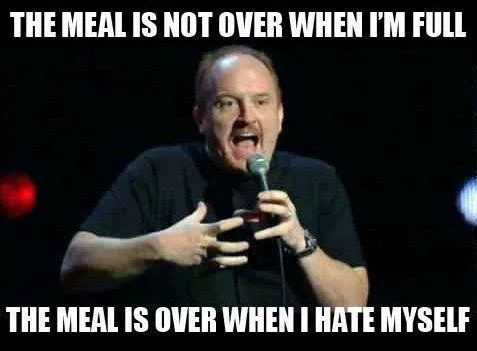
However, this article is not about the self-loathing that follows an episode of binge eating; it’s about something that happens the next day.
If you’ve ever had a heavy dinner and topped it off with two cups of ice cream and copious cocktails, it’s highly likely that you woke up the next day feeling insanely hungry.
Over Eating Leads To A Glucose Overdose
Most of the carbohydrates you eat are turned into glucose within the body. This is a good thing, as every organ in the human body needs glucose to work. The brain alone consumes nearly one-fifth of the total amount of glucose that the body requires every day.
Not just sweet and sugary foods like cake, pastries, bread, ice cream, cold drinks etc., but also foods that do not taste sweet, like bread, rice, pasta etc., contain a great deal of sugar, which is why they are casually referred to as ‘sugary foods’.
If you consume such ‘sugary foods’, your body will suddenly find itself with an excess of glucose. That’s why, if you ever test your blood glucose (blood sugar) levels just after binge eating, they would be much higher than normal.
Insulin Is Released After A Meal
Your body is not built to enjoy a sugar spike, so the moment your blood glucose rises sharply, the pancreas steps in. Beta cells in the pancreatic islets release a flood of insulin, a hormone whose job is to escort glucose out of the bloodstream and into your muscle, liver, and fat cells, where it gets either burned for energy or tucked away as glycogen and fat for later.
The bigger and more sugary your meal, the bigger the insulin response. After a feast of pasta, dessert, and sweet drinks, your pancreas dumps far more insulin than it does after a normal dinner. That single hormonal burst is the lever that turns "I ate way too much" into "I’m starving" the next morning.
Insulin Causes A Decrease In Blood Sugar Levels, Which Makes Us Feel Hungry
Here’s the catch: insulin is very good at its job. Sometimes, a little too good. When your pancreas releases an outsized amount of insulin in response to a sugar overload, it doesn’t just return your blood sugar to normal. It often overshoots, pushing levels below baseline. This is called reactive hypoglycemia, and your brain notices fast.
Your brain is the single greediest organ in your body when it comes to glucose, burning through roughly a fifth of the body’s daily supply on its own. When blood sugar dips, the hypothalamus reads it as a fuel shortage and starts ramping up hunger signals (ghrelin goes up, satiety hormones go down). By the time you wake up, several hours after the insulin surge has driven your glucose down and your overnight fast has emptied your stomach, your brain is basically banging on the table demanding food.
Why Do You Wake Up Starving In The Middle Of The Night?
Sometimes the hunger doesn’t politely wait for sunrise. You jolt awake at 2 or 3 in the morning feeling genuinely ravenous, which seems absurd given how much you ate before bed. The same blood-sugar machinery is usually behind it. Reactive hypoglycemia typically bottoms out a few hours after a large, sugary meal, so if you ate late, the trough can land squarely in the middle of the night. When blood glucose dips low while you sleep, your body fights back by releasing counter-regulatory hormones (adrenaline, glucagon, cortisol, and growth hormone) to push glucose back up. That adrenaline surge is exactly what can nudge you out of sleep, often paired with hunger and a faint clammy sweat.
There’s a second, quieter reason. Your appetite runs on an internal body clock, and that clock turns hunger up in the evening. A tightly controlled study published in the journal Obesity in 2013 found a genuine circadian rhythm in appetite, with hunger peaking around 8 PM and reaching its lowest point around 8 AM, independent of when people actually ate. So your biology is primed to feel hungrier at night to begin with, and a post-feast sugar crash simply layers on top of it. (Curiously, the reverse can also happen: if you skip the late meal entirely, you may find you wake up feeling less hungry than you did the night before.)
An occasional midnight raid on the fridge is nothing to lose sleep over. But waking up to eat several times a week, every week, and eating a large share of your daily food after dinner, is the pattern doctors call night eating syndrome, a recognized eating-and-sleep disorder. If that sounds like you, it’s worth a conversation with a doctor rather than a bigger snack.
Feeling Hungry Could Also Be A Sign Of Dehydration
There’s also a much simpler possibility: you’re not hungry, you’re just dry. Many of us can’t really differentiate between the feelings of hunger and thirst. The process of digestion requires both energy and water, and while you’re asleep, you obviously don’t drink water.
Thus, if you are starving in the morning after binge-eating the night before, try drinking a glass of water and two, then wait for an hour or so. You’ll probably feel better, and will avoid another binge-eating session for breakfast!
Is It Normal To Wake Up Hungry, Or Should You Worry?
For the most part, waking up hungry is completely normal. You’ve just gone seven or eight hours without food, your stomach is empty, and if you overdid it the night before, the sugar-crash effect makes the feeling sharper still. A bit of morning hunger is your body doing exactly what it’s supposed to do, and breakfast usually settles it within minutes.

The kind of hunger worth paying attention to is the relentless sort, what doctors call polyphagia: an intense, insatiable appetite that eating barely dents. Polyphagia is one of the classic warning signs of diabetes, alongside excessive thirst and frequent urination. When the body can’t move glucose into its cells properly, those cells effectively starve no matter how much you eat, and the brain keeps demanding fuel. An overactive thyroid (hyperthyroidism), chronic stress, and certain medications can crank up appetite too.
So how do you tell harmless morning hunger from a red flag? Watch for hunger that is constant rather than mealtime-shaped, hunger paired with unexplained weight loss, raging thirst, or needing the bathroom far more than usual, and any of the shaky, sweaty, lightheaded feelings of a true blood-sugar low. If your hunger fits that picture, it’s worth seeing a doctor and getting your blood sugar checked rather than chalking it up to last night’s pizza.
References (click to expand)
- Fast all day and feast at night – Healthy? - Go Ask Alice!. Columbia University
- Pancreas Basics - Pancreatic Cancer. Johns Hopkins University
- Eating for pleasure easier to overdo than eating when hungry. Harvard University
- Binge Eating - www.canyons.edu
- Eating Frequency and Weight Loss - Harvard Health. Harvard University
- Polyphagia (Hyperphagia): What It Is, Causes & Symptoms. Cleveland Clinic
- Night Eating Syndrome (NES). Cleveland Clinic
- Somogyi Phenomenon - StatPearls. NCBI Bookshelf, National Institutes of Health
- The Internal Circadian Clock Increases Hunger and Appetite in the Evening. Obesity (Silver Spring), 2013