Table of Contents (click to expand)
Aftershave stings and burns because the alcohol in it activates TRPV1, a heat-sensing receptor on the nerve endings in your skin. Shaving leaves behind microscopic cuts and abrasions that expose those nerves, and the alcohol drops their heat threshold from about 42 °C (108 °F) down to body temperature, so your brain reads the splash as a burn.
There is a scene in the movie Home Alone when Macaulay Culkin applies aftershave to his face and then screams! That scene is so very misleading, as I’m sure he felt nothing but a cooling effect. He hadn’t shaved at all, so what would cause that much of a burn?
However, it is true that when aftershave is applied to freshly shaven skin, it will sting like crazy. The question is, why does it burn like that?
The Pain Of Using Aftershaves
You may not know this, but men have been shaving for over 8000 years! It’s as important a grooming ritual as bathing.
Achieving that perfectly groomed, baby smooth, clean-shaven face is so important that an entire industry has arisen to meet the need. There are multiple companies offering products in this market category offering “Cosmeceuticals for Male Skin”. In fact, the best developed class of this category is the male shave care products, and that burning, tingling aftershave is one of them.
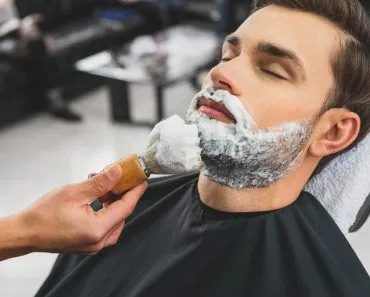
When we shave, the blade makes tiny cuts on the skin and causes abrasions, especially in the neck region. These minute cuts can serve as entry points for microbes that are routinely found on the surface of our skin.
As facial hair is shaved off, a thin layer of skin also peels off with it. The pores on the surface of the skin are raked up, somewhat like how a plow opens up the settled soil in a field. With open pores and tiny cuts, microbes might manage to get deeper in the skin, where they can cause rashes and infections. This is where aftershaves come in, to allay this concern.
An aftershave contains four main ingredients: an astringent, an antiseptic, a moisturizer and a fragrance.
Aftershave contains antiseptics, and in the majority of brands, it is usually a form of alcohol. Alcohols are widely used as antimicrobial agents because they are toxic to bacteria. These organic solvents damage their membranes and break down their proteins. The purpose of the alcohol is to basically destroy and kill the bacteria before they sneak through the cuts on the skin following a good shave. This antiseptic property is why a doctor or nurse will swab the site of a shot with alcohol, before giving you an injection.
The astringent tightens the skin and constricts the freshly opened pores, so any germs the antiseptic alcohol missed have a harder time slipping in.
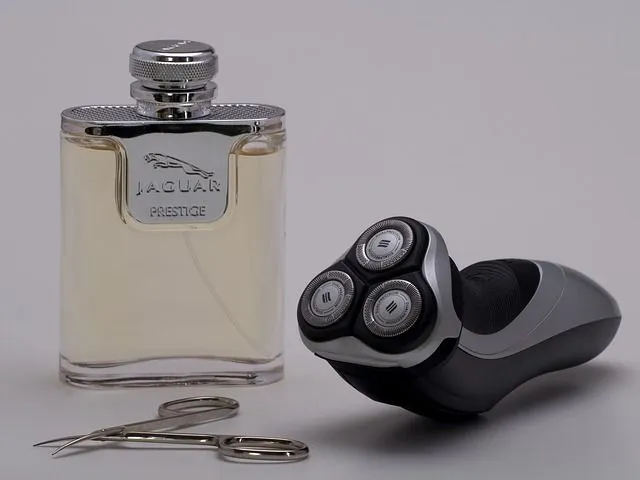
The culprit behind the pain cause by using aftershave on shaved skin is the alcohol. Commonly, in the event of a cut, the first thing one needs to do is to clean the wound with alcohol. However, adding alcohol to the cut sometimes hurts more than the cut itself!
So Why Does It Burn?
Our skin has heat-sensing receptors known as TRPV1 (vanilloid receptor-1) sitting on the nerve endings just below the surface. Normally, they only fire once the skin reaches about 42 °C (108 °F). Ethanol drops that threshold to roughly 34 °C (93 °F), which is below your own skin temperature. So when alcohol-laced aftershave hits the freshly chafed skin, those receptors fire as if you were holding a hot iron to your face, even though nothing is actually burning. That misread signal is the characteristic stinging, burning sensation people associate with aftershave.
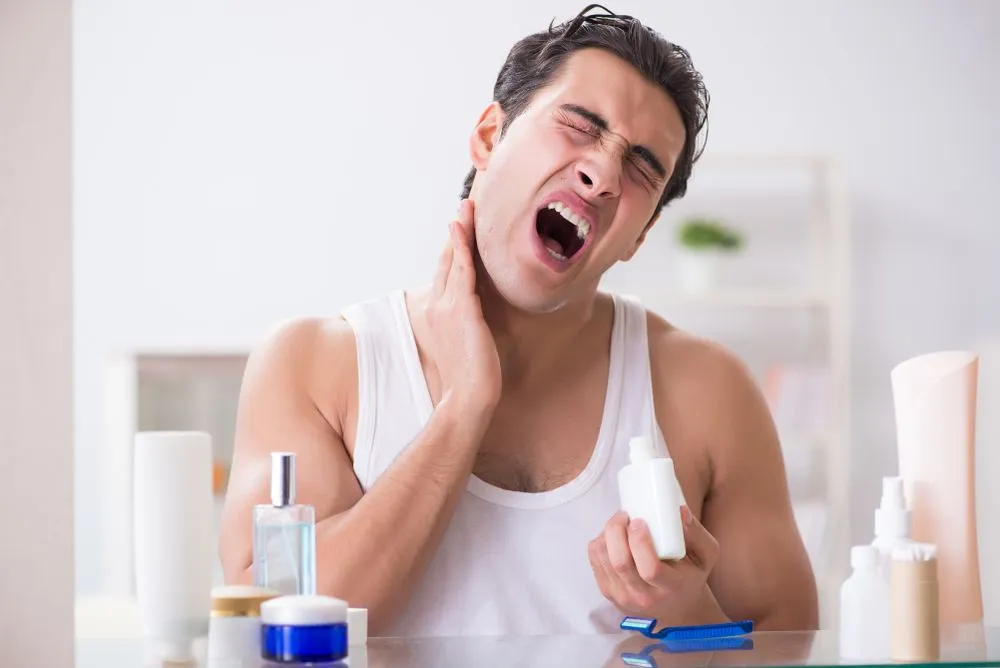
Alcohols, however useful in their germ extermination, are not kind to the skin. Alcohol is famous for being a dehydrating agent, and regular application of alcohol-based aftershaves will eventually cause dry skin.
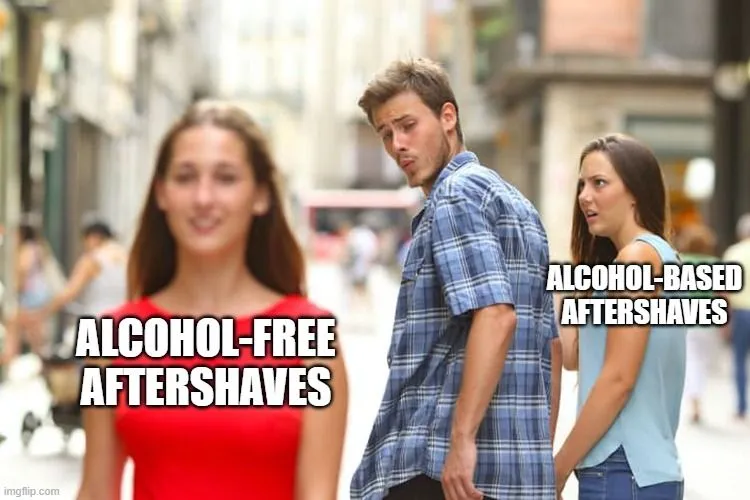
And the solution to this problem? Alcohol-free aftershaves!
Alcohol-free Aftershaves
There are plenty of suitable, if not superior, alcohol-free aftershaves out there on the market. They are made from other non-alcoholic antiseptic agents that also have astringent properties. One commonly known soothing substance is aloe vera, but there are also other alternatives like witch hazel. Both of these are known to have medicinal properties for skin disorders and don’t make your face scream in pain.
Aftershave lotions or creams that contain witch hazel or aloe vera extracts are much gentler on the skin. They also don’t burn when applied after shaving and have much better moisturizing qualities. There are plenty of similar alternatives that will encourage you to toss out your alcohol-based aftershaves and switch to alcohol-free ones.
Conclusion
Did you know the average man is estimated to spend around 3,000 hours shaving over the course of his lifetime? That’s roughly 125 days, four months of your life, spent just dragging a blade across your face. Shaving is not just an act of grooming, it’s practically an art, and one that needs to be done just right. However, that often means many hours of aftershave pain.
Aftershaves that contain any form of alcohol lead to a stinging and burning sensation when applied to shaven skin. This is because of our skin’s TRPV1 (vanilloid) receptors, which are stimulated when alcohol comes in contact with skin that is irritated by the biomechanics of shaving.
A possible solution to the stinging is to switch to alcohol-free aftershave lotions or balms that soothe and heal the skin. They prevent dryness, are healthier for our skin and the best part is, they don’t make your face feel like it’s on fire!
References (click to expand)
- Cowley, K., & Vanoosthuyze, K. (2016, May 22). The biomechanics of blade shaving. International Journal of Cosmetic Science. Wiley.
- Maurer, M., Rietzler, M., Burghardt, R., & Siebenhaar, F. (2016, May 22). The male beard hair and facial skin - challenges for shaving. International Journal of Cosmetic Science. Wiley.
- Draelos, Z. D. (2018, January). Cosmeceuticals for Male Skin. Dermatologic Clinics. Elsevier BV.
- Trevisani, M., Smart, D., Gunthorpe, M. J., Tognetto, M., Barbieri, M., Campi, B., … Geppetti, P. (2002, May 6). Ethanol elicits and potentiates nociceptor responses via the vanilloid receptor-1. Nature Neuroscience. Springer Science and Business Media LLC.
- DJ Sen. AFTERSHAVE: A TRUTH BEHIND ICONIC FRAGRANCE. pharmatutor.org