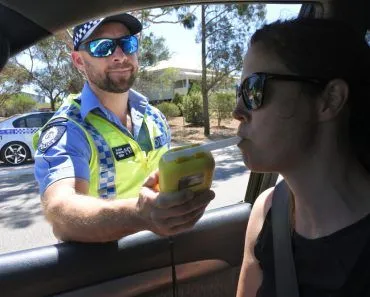
Alcohol typically stays on your breath for about 12 to 24 hours after the last drink. The smell does not come from the mouth but from the lungs, where ethanol in the bloodstream is exhaled. A healthy liver clears alcohol at roughly one standard drink (about 0.015 g/dL of BAC) per hour, so only time, not coffee or gum, truly removes it.
All the drinkers out there must be aware of the typically sweet smell that lingers in your mouth after alcohol consumption. This is accompanied by the nervousness of facing a breathalyzer after an evening of mirth and drinks. Even teetotallers must have encountered a person reeking of alcohol at some point. However, have you ever wondered why we get that smell? Or why different alcoholic drinks leave such a similar smell?
Alcohol Metabolism In The Body
Alcohol, like any other drink that enters the body, travels to the stomach and through the small intestine. Approximately 80% of it is absorbed by the small intestine, while the remaining 20% is absorbed by the stomach. From the small intestine, the alcohol is absorbed into the bloodstream. In the stomach, the alcohol is further absorbed into the bloodstream. However, enzymes in the stomach start to act on the alcohol and break it down.

This also explains why drinking on a full stomach, or eating while drinking, reduces the effect of alcohol. If the stomach already has food in it, it slows down the passage of the alcohol into the small intestine. This gives the stomach enzymes more time to break down the alcohol.
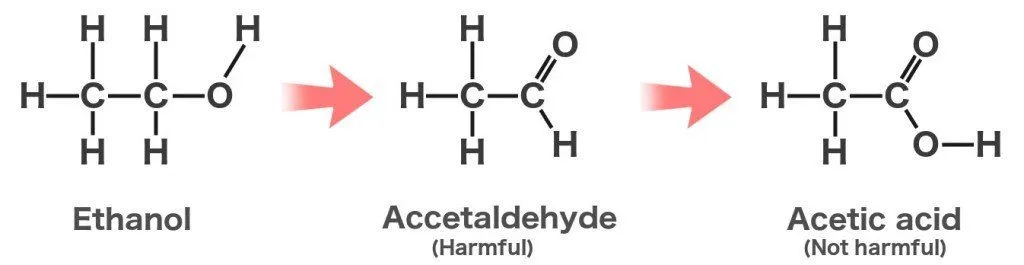
Our body views alcohol as a toxin, so it is sent to the liver to be processed. The liver metabolizes alcohol in two enzymatic steps. The enzyme alcohol dehydrogenase (ADH) first converts ethanol into acetaldehyde, a toxic intermediate that contributes to the dreaded ‘hangover’. A second enzyme, aldehyde dehydrogenase (ALDH), then converts acetaldehyde into acetate, which is shipped out of the liver and broken down in muscle and other tissues into CO2 and water.
This rate of metabolization isn’t very fast. A healthy adult liver only clears about one standard drink (roughly 14 grams of pure ethanol) per hour, which works out to a BAC drop of about 0.015 g/dL each hour. When alcohol consumption is faster than that, it accumulates in the blood. In this stage, it travels all over the body, including the brain, and it can even cross the placental barrier in pregnant women and reach the fetus. Hence, when a pregnant woman drinks, her baby “drinks” too.
How Do We Get Alcohol Breath?
Now, let’s talk about the smell that drinking imparts to your mouth, or what is commonly known as “alcohol breath”. As we discussed earlier, when you drink faster than your liver can handle, the alcohol accumulates in the blood and travels to various parts of the body. One of these is the lungs. When the blood reaches the lungs and carries out the exchange of gases, alcohol is also passed over. Hence the bulk of that “alcohol breath” is actually coming from your lungs, not the mouth.
For the first 15 to 20 minutes after a drink, there is also some residual “mouth alcohol” lingering in the throat and oral cavity, which is exactly why police breathalyzer protocols require a brief waiting period before the test. After that window, what the machine reads is essentially the alcohol diffusing out of your bloodstream and into the air in your lungs.
So how long can you actually smell it? In general, alcohol stays detectable on the breath for roughly 12 to 24 hours after the last drink, depending on how much was consumed, body composition, and how quickly the liver clears it.
Why Do You Smell Of Alcohol Through Your Skin, Not Just Your Breath?
So far we have blamed the lungs for that tell-tale smell, but your breath is not the only place alcohol escapes. Anyone who has sat next to a heavy drinker knows the odour can seem to radiate from the whole body, and that impression is not your imagination.

Your liver still does the vast majority of the work, breaking down more than 90% of the alcohol you drink. The rest, a small share of roughly 5% to 10%, leaves the body unchanged in your breath, your urine, and your sweat. About 1% of the alcohol you swallow diffuses straight out through the skin, partly as visible sweat and partly as insensible perspiration, the invisible vapour that constantly evaporates from your body. In effect, a faint plume of ethanol keeps seeping out of your pores for as long as there is alcohol in your blood.
This is why a splash of cologne or a quick shower will not fix a "reeking of alcohol" problem. The smell is being produced from the inside, so it keeps returning until your liver has finished the job. After a heavy night of drinking, the odour can linger for many hours, sometimes into the next morning.
Curiously, this same trickle of alcohol through the skin is what makes court-ordered ankle monitors work. Devices such as the SCRAM bracelet rest against the skin and sample the escaping ethanol roughly every 30 minutes, converting it into an estimate of the wearer's blood alcohol level.
Blood Alcohol Content (BAC) And How Breathalyzers Work
All of us have heard of breathalyzer tests, where people are asked to breathe into a machine that indicates how drunk they are. But how does this work and what is BAC?
BAC is the measure of a person’s blood alcohol content, i.e., the amount of unmetabolized alcohol in the bloodstream. It is reported as grams of alcohol per 100 millilitres (one decilitre) of blood. For instance, a BAC of 0.10 means 0.10 grams of alcohol in every 100 millilitres of blood, or about one part in a thousand by weight. In the United States, the legal driving limit is a BAC of 0.08.
These levels are affected by a person’s body weight, sex, and the amount of time since their last drink. The longer it has been since your last drink, the lower your BAC will be, as the alcohol is steadily metabolized at around 0.015 g/dL per hour. Women tend to reach a higher BAC than men after the same number of drinks, but not because they “digest slower”. Their bodies contain less water to dilute the alcohol, and they also produce less gastric alcohol dehydrogenase, the stomach enzyme that breaks down some of the ethanol before it ever reaches the bloodstream.
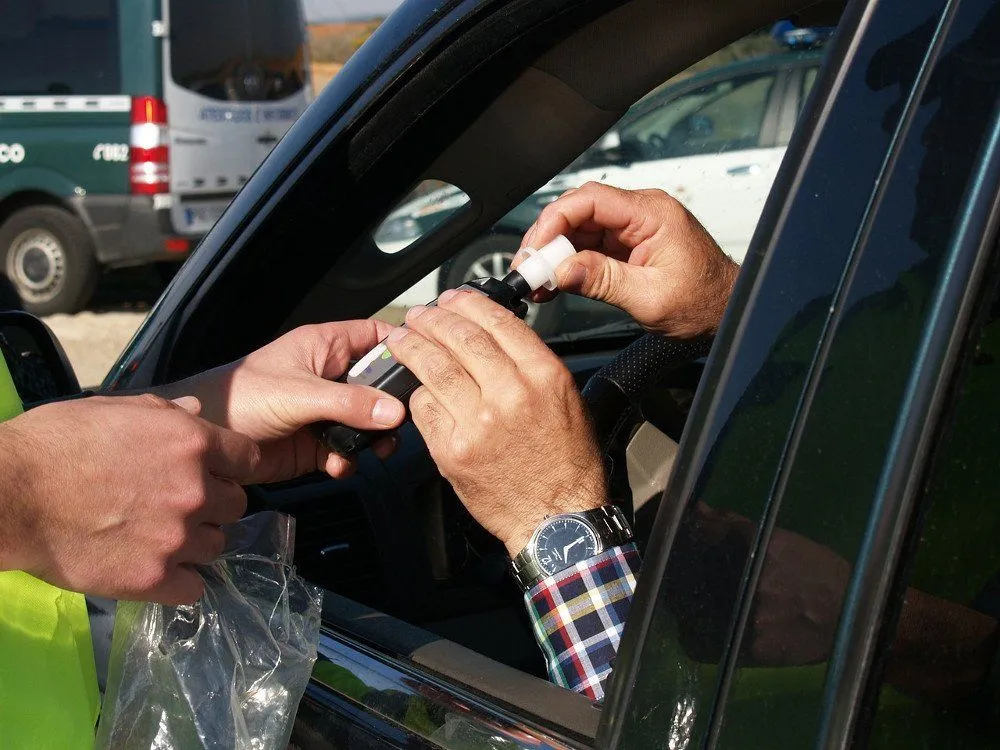
The breathalyzers used by cops measure the amount of alcohol in the air that you exhale. Since this is coming from your lungs, it gives them a good idea of the amount of alcohol in your bloodstream.
How To Get Rid Of Alcohol Breath?
There are many rumored remedies to get rid of the smell, but few of them are scientifically accurate
Fooling a breathalyzer is actually not possible, but taking precautions while drinking can help minimize the damage. Keeping in mind how alcohol is metabolized, interspersing your drinks with water or non-alcoholic drinks can help. This hydrates the body, dilutes the alcohol and gives the body time to metabolize the alcohol.
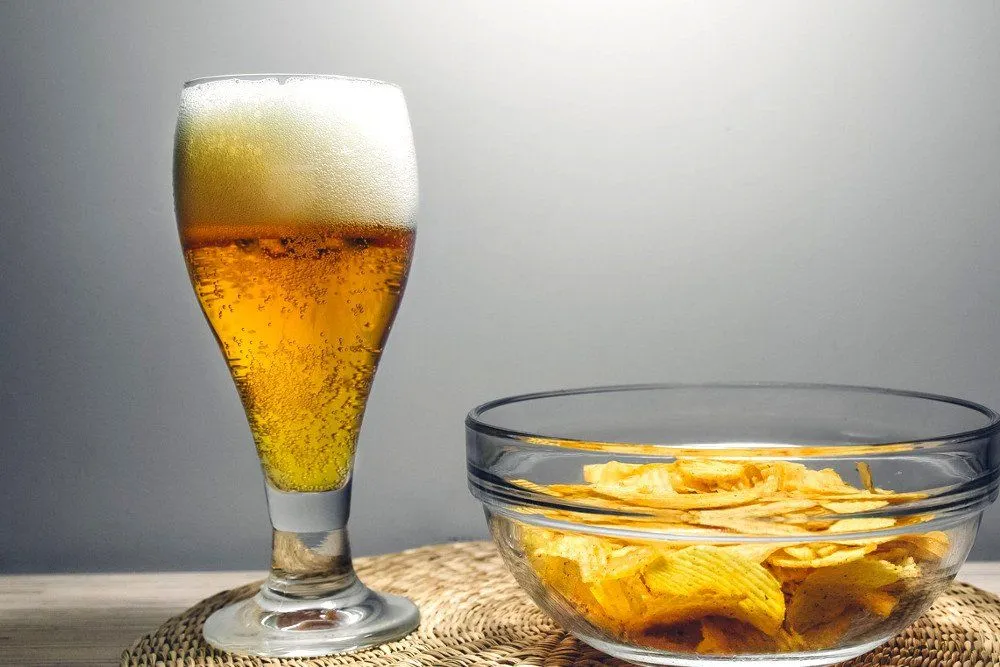
Another thing that helps is eating. Either before or during drinking, eating food reduces the amount of alcohol going directly into the small intestine. Controlled studies have shown that peak BAC is roughly 20-25% higher when alcohol has been consumed on an empty stomach versus the same dose taken with a meal.
While the above methods help in controlling your BAC levels, certain items can help in masking the smell to other people. Raw garlic cloves, mint, chewing gum, and strong coffee can cover up the odour for the human nose because they themselves have a strong smell. They do nothing, however, to a breathalyzer, which measures the actual ethanol coming up from your lungs. In fact, alcohol-based mouthwashes can briefly send the reading higher and make you look worse than you really are.
Alcohol is a toxin to the body. Indulging in it once in a while isn’t very harmful, so long as it’s within the limit of how much your body can handle. Prolonged exposure of the liver to huge amounts of alcohol, however, leads to liver disorders and various other problems. When drinking, it’s best to alternate between alcoholic and non-alcoholic beverages, and don’t forget food breaks!
References (click to expand)
- Alcohol and Your Body. The University of California, Santa Cruz
- Person, J. (1991, January). Alcohol and the Small Intestine. Scandinavian Journal of Gastroenterology. Informa UK Limited.
- Content: How Does Alcohol Get to the Fetus? - Sites@Duke. Duke University
- Alcohol Metabolism. National Institute on Alcohol Abuse and Alcoholism (NIAAA)
- Women and Alcohol. National Institute on Alcohol Abuse and Alcoholism (NIAAA)
- The ABCs of BAC. National Highway Traffic Safety Administration (NHTSA)
- Li, B. et al. (2020). A Discreet Wearable IoT Sensor for Continuous Transdermal Alcohol Monitoring. PMC (National Library of Medicine)