Table of Contents (click to expand)
Multi-grain only means a product is made from more than one grain, which is not the same as whole grain. The real health benefits (extra dietary fiber, vitamins, minerals, and lower heart-disease and type 2 diabetes risk) come from whole grains. So a multi-grain product helps only if its grains are also whole; check the label.
It seems like there is a new health fad or trend every week, and it can often be difficult to catch up. However, in the realm of breads and grains, one of the constant questions that people have relates to words like “whole grain” and “multi-grain”. When you’re walking down the bread aisle, it can be an overwhelming experience… there are so many different options to choose from! While most people know that plain white bread doesn’t offer much nutritional value, the benefits of other types remains a bit of a mystery.
So, in the endless quest for living healthy, people often choose multi-grain bread and other products, assuming that it is a healthier option. More grains means more minerals and nutrients, right? Is this a wise assumption? What are the specific benefits of multi-grain?
Short answer: Provided that the multi-grain product is also whole grain, there are many benefits, including its ability to improve digestion, provide a more diverse mineral intake, protect the heart, build strong bones, improve the metabolism and boost circulation, among others!
What Is Multi-Grain?
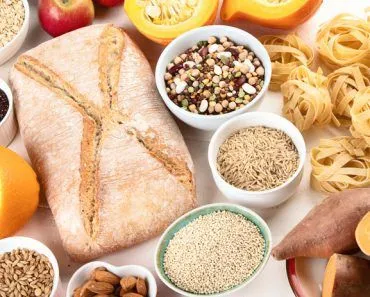
As the name implies, multi-grain bread and other products are made of more than one grain. While your average bread is made from wheat, multi-grain bread may also include barley, millet, flax and oats, as well as certain seeds, such as flaxseed, quinoa or sunflower seeds. Different varieties of multi-grain bread will contain different mixtures of grains and seeds.
However, grains by themselves does not make something healthy. For example, white bread is made of wheat flour, but it is not “whole grain”. When a bread is whole grain, it means that all parts of the grain kernel are used – endosperm, germ and bran. This is where the majority of the nutrients are found, which is why whole-grain foods are so widely respected in the health community.
Here is the catch that trips up most shoppers: “multi-grain” and “whole grain” are not the same thing, and a multi-grain product is not automatically whole grain. As the Mayo Clinic points out, multi-grain simply means the food contains more than one type of grain, but those grains may all be refined. A loaf can list four or five different grains on the front of the bag and still be built almost entirely from refined flour, in which case it offers little more nutrition than plain white bread. The brown color and the hearty-looking seeds on top do not tell you anything either, since color often comes from molasses or caramel coloring rather than the bran.
So don’t take the “multi-grain” label at face value. Turn the package over and read the ingredient list: you want “whole” to appear in front of the grain (whole wheat, whole oats, whole rye), ideally as the very first ingredient. Harvard’s Nutrition Source suggests a simple rule of thumb, namely that a whole grain should be listed first or second, and that a carbohydrate-to-fiber ratio below 10-to-1 is a good sign. A product that is both multi-grain and whole grain gives you the variety of several grains plus the full nutritional payload of each. For the rest of this article, when we talk about the benefits, we are talking about multi-grain products that are also whole grain.
Why Is It Good For You?
Multi-grain bread and other products are widely known as great sources of dietary fiber, as well as certain nutrients, vitamins and minerals, including significant levels of selenium, manganese and vitamin B.
Dietary fiber is perhaps the most important component of multi-grain bread that you don’t get from regular white bread or other non-whole-grain products. Fiber is concentrated in the bran (the grain’s outer layer), with smaller amounts in the germ, while the starchy endosperm holds very little of it. This is exactly why refining a grain (which strips away the bran and germ) removes most of the fiber, and why a genuine whole-grain slice gives you roughly 2 to 3 grams of fiber compared with under 1 gram in white bread. That fiber is critical for digestion. It helps move food through the digestive system by stimulating peristaltic motion in the gut. This can bulk up stool to relieve diarrhea symptoms, but it can also ease conditions like constipation, bloating, cramping and indigestion.
Fiber is also an important part of good heart health. Soluble fiber helps lower LDL (the “bad” cholesterol), and the bran, antioxidants and plant compounds in whole grains together reduce the chances of developing atherosclerosis and the blood clots that can trigger a heart attack or stroke. This is not just theory: in Harvard’s long-running Nurses’ Health Study, women who ate 2 to 3 servings of whole-grain products a day were about 30% less likely to have a heart attack or die from heart disease than women who rarely ate them. Dietary fiber also slows the absorption of food and helps regulate blood sugar levels, which is part of why a diet rich in whole grains is linked to a roughly 30% lower risk of type 2 diabetes. Higher whole-grain intake has even been associated with a lower risk of some cancers, particularly colorectal cancer, although the evidence there is more mixed.

The relatively modest calorie and fat content of multi-grain bread is also useful for health. A slice runs to roughly 70 to 110 calories with only 1 to 2 grams of fat, depending on the brand and how thickly it is cut. That makes it friendly to people who are trying to manage their weight without giving up their favorite sandwich at lunch! A single slice also delivers somewhere around 3 to 5 grams of protein, on top of whatever protein-rich meats or cheeses you tuck between the slices. That protein matters for growth and repair, as well as the formation of new cells and everyday metabolic activity.
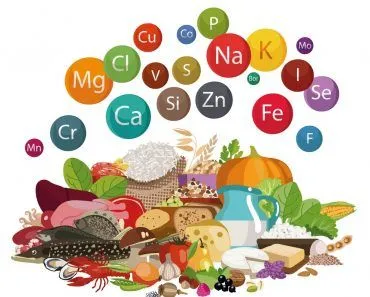
In terms of minerals, multi-grain bread tends to have high levels of manganese and selenium, as well as notable levels of copper, iron, magnesium, potassium and zinc, in addition to numerous B-family vitamins, such as pantothenic acid, folate, riboflavin and thiamin. You get more than 25% of your daily manganese intake from a single slice of multi-grain bread, and more than 10% of your selenium. These minerals help with blood sugar regulation and cognitive function (manganese), as well as boosting the immune system and improving fertility (selenium).
The other minerals also serve key functions in the body. Potassium acts as a vasodilator and can help lower blood pressure by relaxing the tension of arteries and blood vessels; it is also critical for water balance throughout the body. Iron is a key component of the hemoglobin in red blood cells, which our bodies need to oxygenate our organ systems and prevent anemia. Copper, zinc and phosphorous, among others, are needed to build strong bones and stave off osteoporosis as we age. Magnesium is important for our digestive process, can help relax the body and mind, eliminate sleep disorders, and help strengthen your teeth.
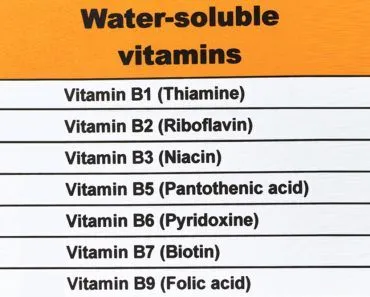
B-family vitamins are the only vitamins found in multi-grain bread, but their importance in the body cannot be overstated. From preventing birth defects in children to regulating the metabolism and hormone production, vitamins like folate and riboflavin are crucial components in our diet. B-vitamins also have a powerful effect on the production of energy from the food that we eat.
There are clearly plenty of benefits of multi-grain bread and foods, provided they are also whole grain. Next time you are having a panic attack in the bread aisle, remember all the health boosts a whole-grain loaf can provide, flip the package over to confirm “whole” is the first ingredient, and shop a bit smarter!
References (click to expand)
- Multigrain vs. whole grain: Which is healthier? - Mayo Clinic - www.mayoclinic.org
- INDRANI, D., SOUMYA, C., RAJIV, J., & VENKATESWARA RAO, G. (2010, April 20). Multigrain Bread - Its Dough Rheology, Microstructure, Quality And Nutritional Characteristics. Journal of Texture Studies. Wiley.
- Dewettinck, K., Van Bockstaele, F., Kühne, B., Van de Walle, D., Courtens, T. M., & Gellynck, X. (2008, September). Nutritional value of bread: Influence of processing, food interaction and consumer perception. Journal of Cereal Science. Elsevier BV.
- Whole Grains. The Nutrition Source - Harvard T.H. Chan School of Public Health - nutritionsource.hsph.harvard.edu
- What is a Whole Grain? - The Whole Grains Council - wholegrainscouncil.org