No, you can't turn fat into muscle, because fat and muscle are two completely different tissues, and neither can convert into the other. Instead, you lose fat and gain muscle through two separate processes: a calorie deficit makes your body burn stored fat for energy, while resistance exercise plus enough protein repairs and grows muscle.
The fitness and health industry is all about getting you in shape. This idea of being ‘in shape’ means shedding all the chub and flab you’ve accumulated from all those pizza delivery nights; it also means building up your muscle! In its 2019 report, the IHRSA (International Health, Racquet & Sportsclub Association) pegged global health club revenue at $94 billion for 2018, with some 183 million members worldwide.
This fitness craze doesn’t seem to be losing much steam, with people becoming increasingly conscious about their food choices and health. One pillar of this industry is selling the image that, with a little exercise, you can look like Dwayne “The Rock” Johnson too!
Achieving that fit look requires losing fat and gaining muscle. One phrase I often come across on the internet when it comes to getting “ripped” is how to turn your fat into muscle.
However, this is a lie. Period.

Why Can’t You Convert Fat To Muscle?
Fats and muscles are two very different things. The word "fat" can actually refer to two things: chemicals or actual tissues in the body. The chemical fats, also known as lipids, are a part of the cells in your body. They make up the border of the cell, called the cell membrane, and are attached to other chemicals.
Muscles, on the other hand, are a type of tissue within the body. Tissues are themselves made of cells which are in turn made of many different chemicals like fats. So, it is impossible to directly convert chemical lipids into muscle tissue.
What about converting the tissue in which fat is stored (adipose tissue) into muscle tissue? That too is impossible. Even though they’re both tissues, the cells in these two tissue types are completely different. Imagine trying to change a banana into a mango based on the logic that they’re both fruits!
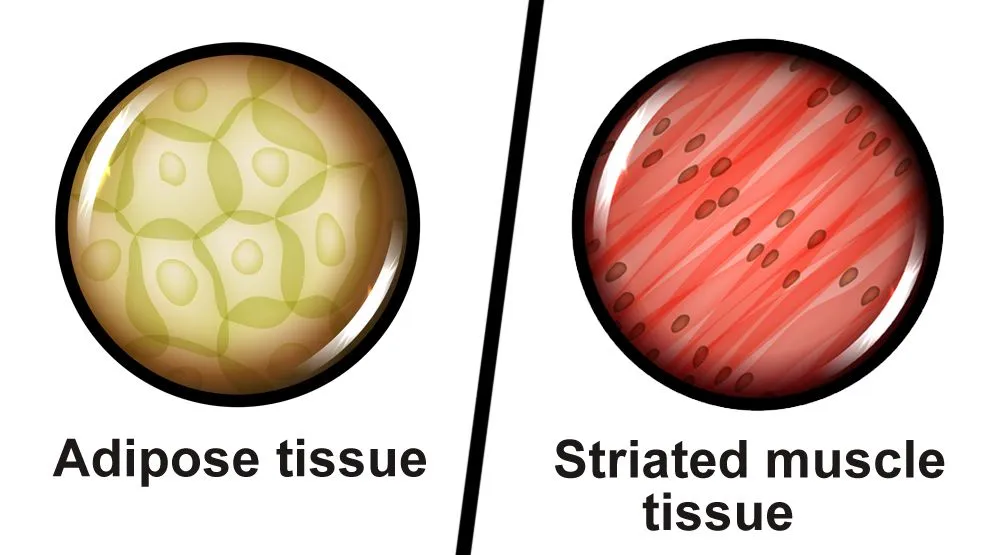
More scientifically, muscle cells are composed of myocytes, whereas adipose tissue is made of adipocytes. Both of these cells are what scientists call “terminally differentiated”. Differentiation is a process by which a cell “chooses” its role in the body. Once cells make this “choice”, they can no longer revert back to their undifferentiated stage.
(Side note: In some cell types of specific animals, scientists have been able to reverse the differentiation of cells, most notably in amphibians. However, scientists haven’t recorded any re-differentiation occurring in humans without external manipulation).
So, How Do We Lose Fat And Gain Muscle?
This happens through two separate processes: losing fat by being in a caloric deficit, and gaining muscle by giving your body the protein and training stimulus it needs. The classic advice is that fat loss needs a calorie deficit while muscle gain needs a surplus, which sounds like a paradox. In practice, though, you don’t always have to do them one at a time. People who are new to training, returning after a long break, or carrying a fair amount of body fat can often lose fat and build muscle at the same time (a process trainers call body recomposition), especially with enough protein and consistent resistance exercise. For everyone else, it’s usually easier to focus on one goal at a time.
Losing Fat By Being In Caloric Deficit Mode
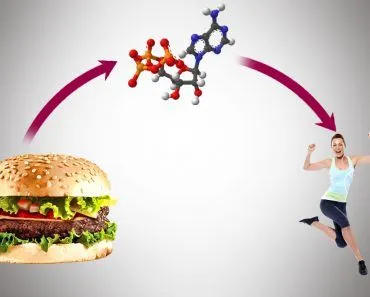
Being calorie deficient means taking in fewer calories than you’re using. Being calorie deficient forces your body to burn the fats in the body in order to acquire energy rather than glucose.
The body prefers using carbohydrates like glucose and fructose as its main source of energy. Glucose gives faster access to energy in comparison to fats and proteins. Fats, on the other hand, serve as better storage molecules for those times when glucose isn’t available.
Under normal, non-exercise or diet conditions, blood glucose levels will rise after a meal. This is when all the cells have more than enough glucose to get their energy from and even have extra, which they will store as glycogen and fat. After an hour or two, the body will have used up all its available glucose. At this stage, the body will start breaking down its glycogen reserves; once that’s over, it will begin to break down its fat reserves.
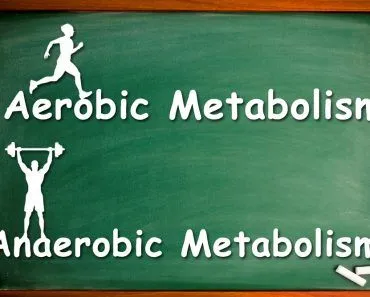
When you perform an intense workout, your muscles need more energy than when you’re just lying on the couch. Your body never runs on one fuel alone; it always burns a blend of carbohydrate and fat. The mix just shifts depending on how hard and how long you go. Short, high-intensity efforts lean heavily on glucose and glycogen, because carbs can release energy fast. As a workout drags on and glycogen runs low, the balance tips toward fat, which is why longer, lower-intensity endurance work burns proportionally more fat for fuel.
Along with the right kind of exercise, your diet also plays a key role in losing fat. The ketogenic, high-fat, low-carbohydrate diet, intermittent fasting and caloric restriction are the most popular and recommended diets for weight loss.
These diets encourage you to take in fewer calories (mainly in the form of carbohydrates). The ketogenic diet is specifically based on turning the age-old and trusted food pyramid on its head, i.e., take in lots of protein and fats, and consume barely any carbs.
Obviously, before making any major dietary change, it’s important to consult with a doctor. A trained health specialist will be able to suggest a diet that is suited for your specific health and fitness needs.

Increasing Muscle By Being In Caloric Surplus Mode
Muscles like biceps, triceps and abdominals are skeletal muscles. These muscles, like any other tissue, when pulled, stretched and worked to the extreme will get injured. This damage to the muscles is repaired by special cells located in the muscle called satellite cells.
These cells are muscle stem cells that divide and merge with the injured muscle fibers. This increases the size of the muscle, a process called muscle hypertrophy.
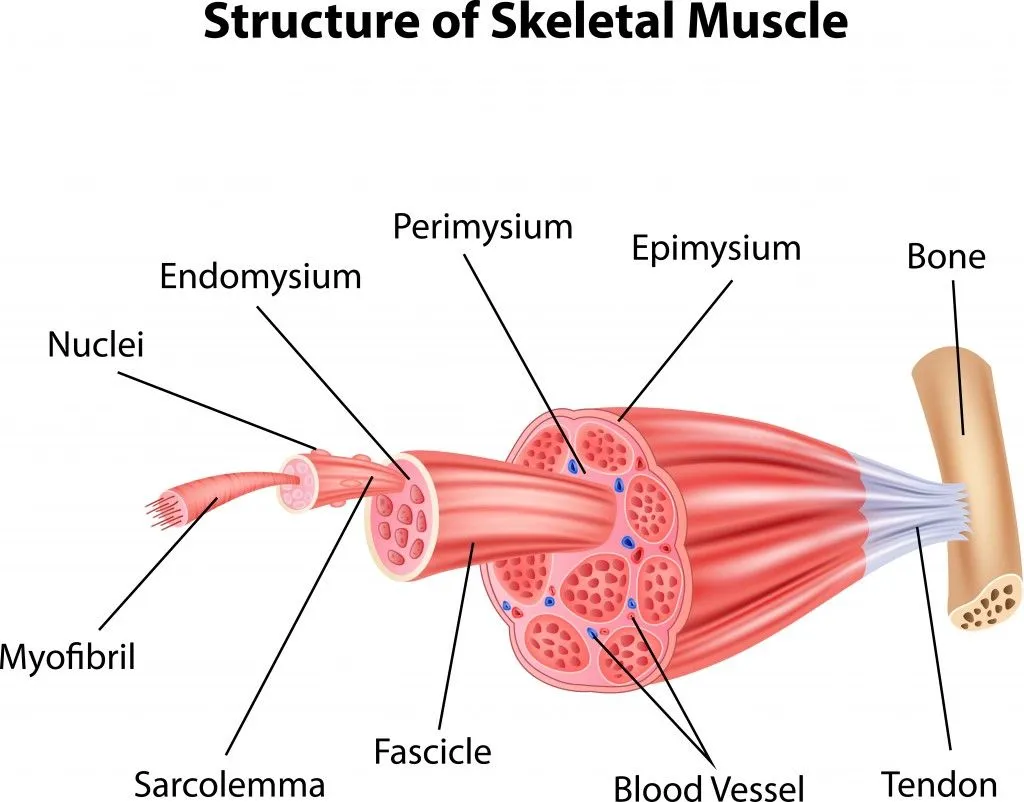
On its own, though, exercise won’t increase your muscles by much. Diet and the form of energy being supplied to the muscle is equally important. This is where being in a caloric surplus comes into play.
The muscles are composed of lots of protein, which is the primary machinery that makes muscles move: long rope-like filaments of proteins called actin and myosin. Making these proteins requires a lot of energy and a good supply of amino acids, the building blocks of proteins. Eating a diet rich in protein (research points to roughly 1.6 grams per kilogram of body weight per day to maximize gains) helps with building and maintaining muscle mass.
That being said, how much muscle you can build also depends on your genes and your sex. Testosterone, an anabolic hormone that boosts muscle protein synthesis, is present in much higher amounts in men than in women, which is part of why men tend to gain visible muscle faster. (It’s also why so many athletes and bodybuilders are tempted by steroids.) Women still build muscle effectively, though; given the same training, they achieve similar relative gains in strength and size.
Final Answer?
You can’t convert fat to muscle or vice versa, because you can’t change one tissue type into another. Losing weight by reducing fat and gaining muscle through exercise are two separate processes that can, for some people, run at the same time. Consistent exercise and a well-managed diet can drive both. Just keep your expectations realistic: muscle is gained slowly (a beginner might add only 1 to 2 pounds a month), so over a stretch where you drop, say, 5 pounds of fat, you won’t pack on 5 pounds of muscle to match.
On that note, keep exercising and eating the right kinds of food for your body. You’ll have those abs that you’ve always desired in no time!
References (click to expand)
- Phd J. E. H. (2015). Guyton and Hall Textbook of Medical Physiology. Elsevier Health Sciences
- Nelson D. L.,& Cox M. M. (2017). Lehninger Principles of Biochemistry. W. H. Freeman
- How Do Muscles Grow? - The University of New Mexico
- Satellite Cells Contribution to Exercise Mediated Muscle Hypertrophy and Repair. PMC, NCBI
- Regulation of Energy Substrate Metabolism in Endurance Exercise. PMC, NCBI
- Effects of Intermittent Fasting and Calorie Restriction on Exercise Performance: A Systematic Review and Meta-Analysis. Nutrients, PMC, NCBI
- IHRSA Report: Worldwide Health Club Membership Now 183 Million Strong. Health & Fitness Association