Table of Contents (click to expand)
Yes, babies partly understand their parents' physical cues, though not with adult-level awareness. Newborns read tone, facial expression, and touch, and pick up emotional signals from birth. Gaze following emerges around 6 months, and by 9 to 12 months infants actively check a parent's face for guidance, a skill called social referencing.
Babies are adorable! We see them and we instantly smile; their innocence and cute little actions make our day. A home with a baby sees it all: laughing, crying, all-nighters, doctor visits, growth, tension and so much more.
Babies do not speak through words, but through their cues & actions (we can for sure say here that “actions speak louder than words”) determine their moods and wants. The cues include crying, laughing, moving their hands and legs, and smiling. These fundamental signs all help parents understand what their little one might be requesting.
If a parent is unable to read the baby’s cues and interpret their wants, the non-verbal communication is unsuccessful, and eventually, the baby starts crying.
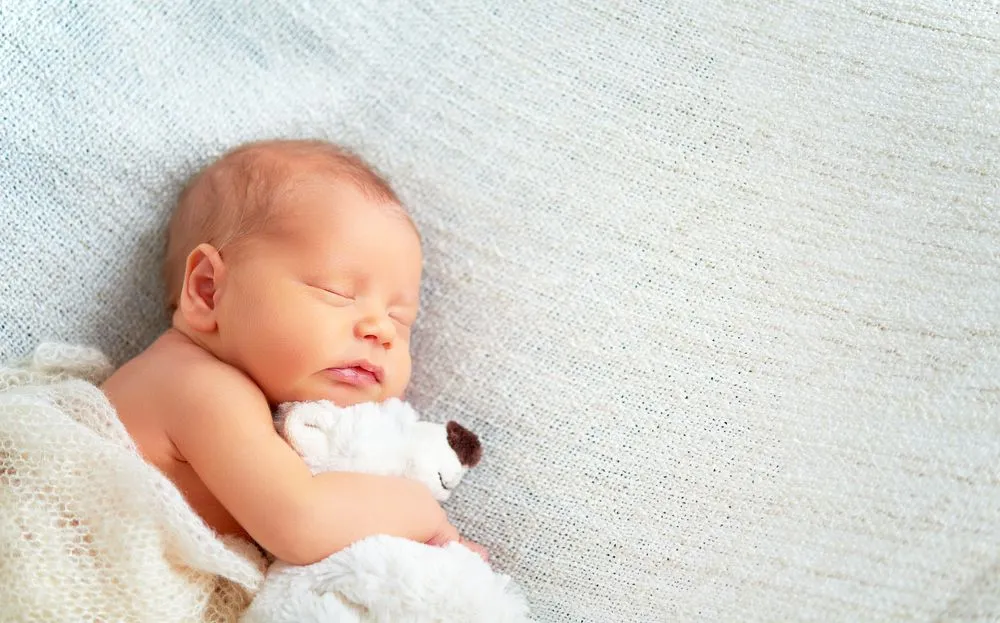
Cues From Babies
Before moving on to the cues given by parents, it is essential to elaborate on the various cues that babies provide to their parents.
One of the cues is that babies appear peaceful and quiet while they focus solely on consuming milk, which will satisfy their appetite.
They move their hands and legs when they want to play and are excited about something.
They turn their heads in another direction when they get distracted, or while being fed and feeling full.
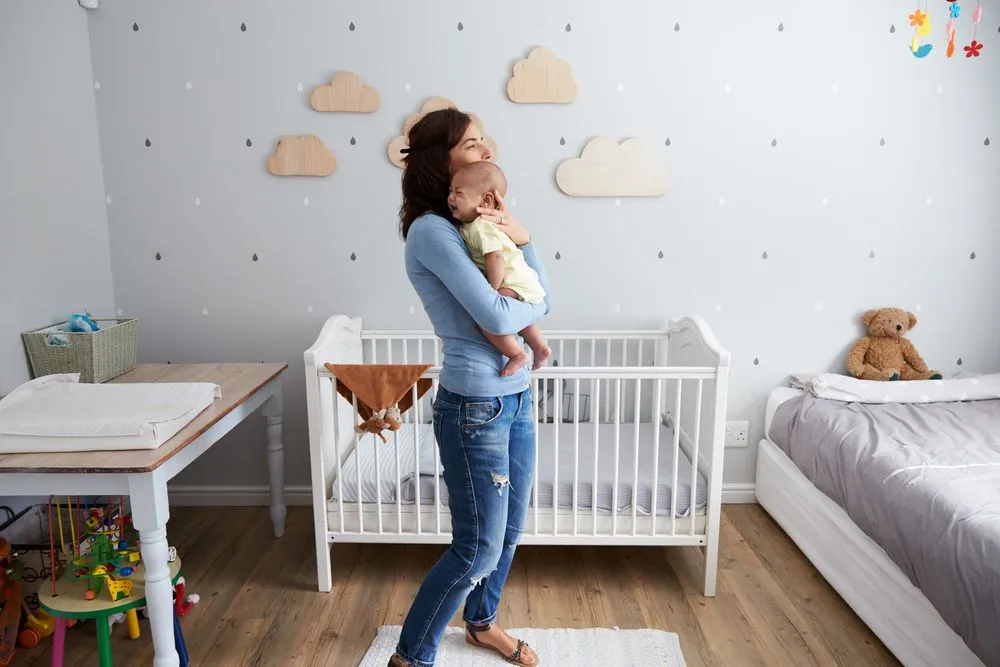
When babies are hungry, they lick their lips; they might even suck their fingers and look around with their mouths open (Source).
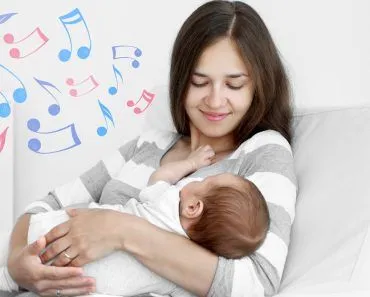
Babies don’t have much information in their brains, as they will develop their cognitive abilities and perception as they grow older, but babies can sense what is happening around them to a certain degree. They know their caregiver’s (mother’s) smell and voice, which have a calming effect.
Development In Infancy: Communication
Although babies cannot speak, they do understand what is happening in their environment. Their perception is not like an adult, but they are mildly aware. They communicate through their cries and their cooing, if not by talking.

At times, babies listen to what is happening in their surroundings, they smile when they see someone they recognize, and they may even play with their caregivers. Babies even try to speak or communicate by cooing (making ‘oooh’ and ‘aah’ sounds), which usually begins at around 2 to 3 months of age before turning into babbling a few months later. All of this is crucial for babies, because this is how they learn to control the airflow for breathing and use their sounds to speak.
Babies are unable to understand what is happening inside their bodies, and though they don’t know exactly what they are feeling in a given moment, they communicate all of this through their voice and expressions. They even have different cries for various feelings (Source).
Parental Cues And What The Baby Understands
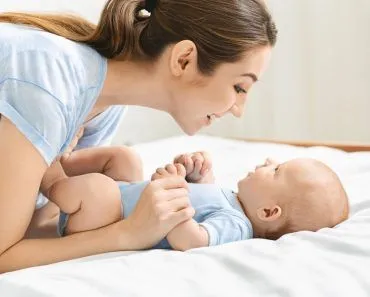
Parental cues refer to parents exhibiting signals without verbal communication in the form of expressions, body language, tone, etc. Parents give cues to the baby, but does the baby understand them?
Newborns are born with a surprisingly capable set of senses, including the ability to read communication cues. From birth, babies can pick up emotional cues from their environment. They identify the mood around them and tend to mirror the same energy. Emotional development begins in these early infant stages, and as they learn how to perceive and respond to the world, babies watch their parents for guidance. By around 9 to 12 months, this becomes deliberate: when an infant meets something unfamiliar, they glance at a parent's face and take their cue from it, a behavior researchers call social referencing.
When talking to small children, parents and other people frequently employ infant-directed speech, which involves speaking slowly and making volume and pitch variations that are emphasized. This results in increased attention from the baby.
Do Babies Understand Physical Cues?
Babies are primed from birth to perceive the world. It is not equivalent to adult-level perception and understanding, but they do know what is going on around them to some degree, and their grasp of cues grows quickly over the first year.
A baby can understand a caregiver’s cues to a small degree and respond accordingly. They react to situations when they’re happy, they throw their hands and legs up in the air when they want to play, and they cry when they are hungry or irritated (though they may only perceive it as a negative feeling). Their reading of physical cues sharpens as they grow: by around 6 months, babies begin to follow a parent’s gaze to see what they are looking at, and between 9 and 12 months they pull these threads together into joint attention, sharing focus on the same object or event with a caregiver.
A parent’s stress might also affect their child. Parents need to understand that their mood and cues are affecting their babies, so it’s essential to keep the babies in a positive environment.
References (click to expand)
- Newborn Senses. Stanford Medicine Children's Health.
- Child development 0–3 months - HealthyWA. healthywa.wa.gov.au
- Building a Secure Attachment Bond with Your Baby. helpguide.org
- Individual Differences and the Development of Joint Attention in Infancy. Child Development. PMC, NCBI.
- Understanding your child's needs and how to respond to them. National Childbirth Trust.
- Sorce, J. F., et al. (1985). Maternal emotional signaling: Its effect on the visual cliff behavior of 1-year-olds. Developmental Psychology. PubMed, NCBI.