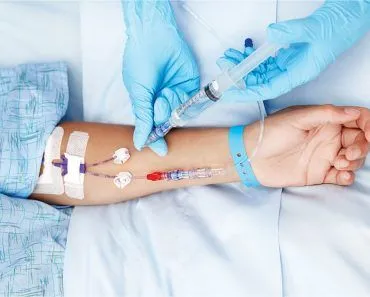
Nurses know the needle has entered the vein by watching for a ‘flash back’ of blood in the catheter, then gently drawing back on the plunger to confirm blood flows into the syringe. To reach the vein first, they wrap a tourniquet 5-10 cm above the site, press the skin to raise the vein, and clean the spot with an alcohol-based solution.
This question may not make sense to some of you at first, so allow me to elaborate.
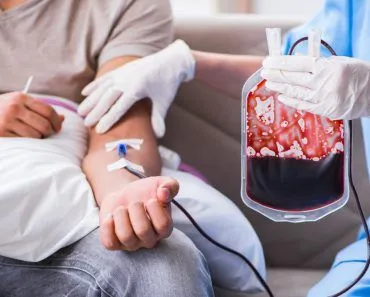
I can say with confidence that you have most likely been injected a couple of times in your life for various purposes. Injections are given with the help of syringes or needles. We use them for many different reasons: to inject medicines or vital nutrients directly into the bloodstream, to transfer (or donate) blood, or simply for taking a blood sample in order to test for any infections or abnormalities.
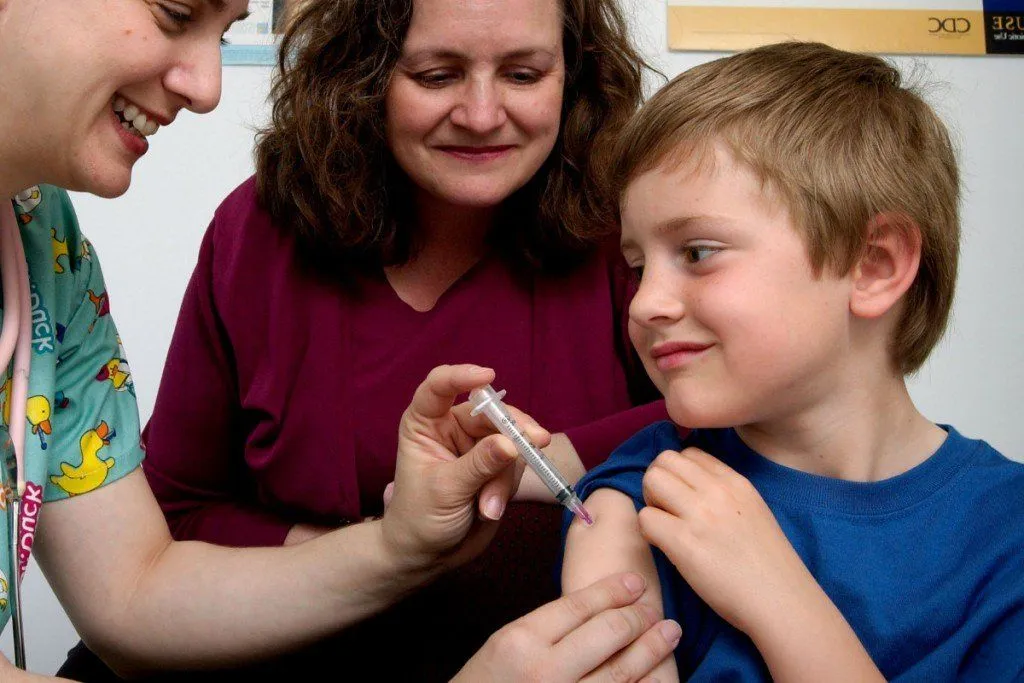
While having a needle stuck in your arm by a medical professional, this idea may have crossed your mind: “How does this person know precisely where to stick their needle? I could never be confident enough to do that!”
How do nurses and doctors make sure that the needle of the syringe enters the vein the right way every time? The tip of the needle can actually go through the vein or even miss it completely, right? How do they know that this doesn’t happen if it’s happening underneath our skin?
Proper Injecting Is A Critical Skill
According to the World Health Organization (WHO), an injection is the parenteral administration of medication through a skin puncture via a syringe. Injections pierce the skin and help in either delivering a medication or withdrawing blood from the body.
Administering an injection the right way is actually a very useful skill, and one that takes a lot of practice and experience. It’s crucial for obvious reasons; as a medical professional, you want to administer injections the right way, because if you don’t, the medicine (that you inject using the needle) may not work the way it’s supposed to, and the discomfort of the patient will likely be increased.
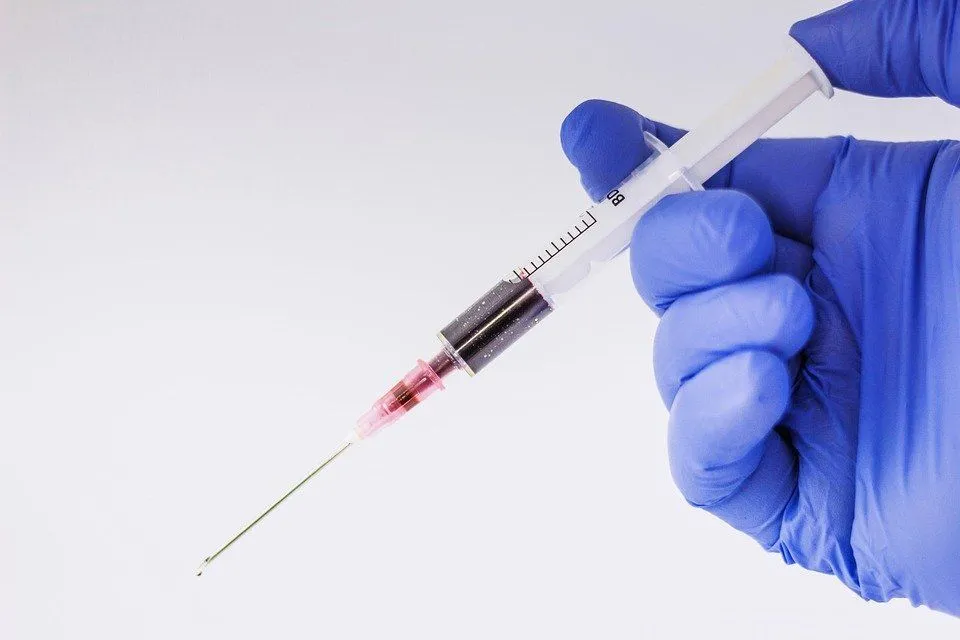
Before injecting a needle into a vein, a medical professional typically increases access to that vein by making it more visible. They gently press on the skin above the vein to draw it closer to the surface. The inner elbow is often used as the site to administer an injection, as the veins at the inner elbow are relatively close to the skin and somewhat easier to see.
A tourniquet is wrapped 5-10 cm above the injection site, and then the exact spot of administering the injection is cleaned with an alcohol-based solution. All of this helps to clearly locate the vein where the needle must enter, and also keep the site of the injection sterilized.
These steps help to ensure that the target vein is clearly accessible and ready to receive the injection. However, what’s the one final thing that tells a medical professional they have inserted the needle properly into the vein, and haven’t pushed it right through the vein or missed it completely?
The ‘Flash Back’
The needle of an IV is covered with a plastic catheter (a small tube used to get fluids and medications into the vein). When the nurse punctures the skin with the needle and it enters the vein, you can see blood come back up through the catheter (somewhat like a mushroom cloud of blood) and a small amount of blood comes into the part of the syringe the nurse holds. That is referred to as the ‘flash back’ or simply the ‘flash’ in medical lingo.
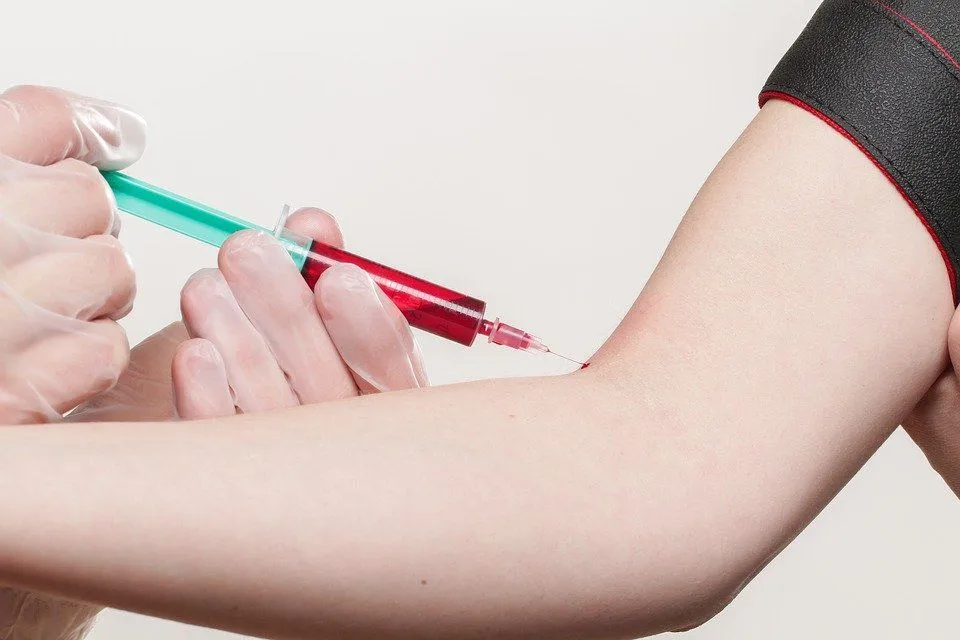
So, when a nurse punctures a vein with a needle to inject a drug, they must first draw back on the plunger before actually pushing the drug in. If they have entered the vein the right way, blood will be easily drawn into the tubing. If they haven’t, then it won’t be easy to pull out any blood from the vein when drawing back.
In some cases, the placement of a needle is also checked by flushing saline through the IV. If the right vein has been entered, saline can be pushed through without any problems. If the needle has gone all the way through the vein and punctured it, then the skin will appear to bubble up. This is an indicator of the incorrect placement of the needle in the vein.
How Do Nurses Find The Right Vein In The First Place?
Before any of the flash-back checks can happen, the nurse has to choose where to aim. For a blood draw or an arm IV, the first choice is usually the median cubital vein, the vein that crosses the front of the elbow (the antecubital fossa). The World Health Organization's blood-drawing guidelines name it the preferred site because it lies between muscles and is generally the easiest to puncture. The nearby cephalic vein on the thumb side is a common backup, while the basilic vein on the little-finger side is used more cautiously, since an artery and a nerve run close beneath it.

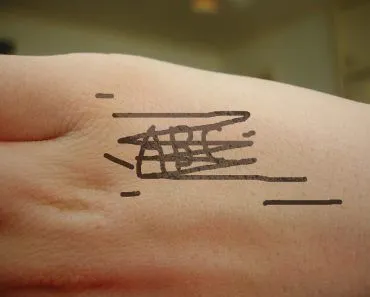
Finding it is part eyes, part fingertips. After the tourniquet goes on, the nurse often asks you to make a fist, which traps blood downstream and makes the veins bulge so they are easier to see and feel. They then palpate the area, pressing lightly with a fingertip to feel for the vein. A vein that is worth using tends to feel soft and springy and bounces back when you press it, rather than feeling hard or pulsing (a pulse means you have found an artery, which is avoided). This is also why a nurse may lightly tap or stroke the skin over a vein: it helps the vessel fill and stand out before the needle goes in.
When veins are hard to see, in young children, people with thicker or darker skin, or patients whose veins are scarred from repeated draws, clinicians can reach for technology. Near-infrared vein finders shine harmless infrared light into the skin; the blood inside the veins absorbs it strongly, so the vessels show up as dark lines on a projector or screen, mapping out where to aim. Studies in hard-to-stick patients have reported higher first-attempt success when these devices are used, though results across trials are mixed, so the fingertip and a good tourniquet remain a nurse's main tools.
What Happens If The Needle Misses Or Goes Through The Vein?
Even skilled professionals miss sometimes, because veins are not the fixed targets they look like. Some veins are "rollers" that slide sideways under the skin when the needle touches them, so practitioners often anchor the vein with a thumb just below the site to hold it still. If the needle slips past the vein, or pushes straight through the far wall, the result is often a blown vein.

A blown vein simply means the vessel has been punctured in a way that lets blood leak out into the surrounding tissue. You will usually notice it as a small bruise that turns red or purple, sometimes with swelling and tenderness at the site. A related problem with an IV is infiltration, where the fluid being delivered leaks out of the vein instead of flowing into the bloodstream, leaving the skin around the site looking pale, puffy and tight, and feeling cool to the touch. The good news is that a blown vein is rarely dangerous; the bruise typically heals within about 10 to 12 days as the body reabsorbs the leaked blood.
When a vein blows, the nurse removes the needle, applies gentle pressure to stop the leak, and picks a fresh spot, often a little higher up the same arm (closer to the heart), where the vein above the damaged section is still intact. That is also why a phlebotomist will not keep poking the same failed spot: drawing from a clean vein is faster, less painful and more reliable than fighting a damaged one.
References (click to expand)
- (2021) Best practices for injection - NCBI Bookshelf - NCBI. The National Center for Biotechnology Information
- Sepah, Y., Samad, L., Altaf, A., Halim, M. S., Rajagopalan, N., & Javed Khan, A. (2017, March 1). Aspiration in injections: should we continue or abandon the practice?. F1000Research. F1000 Research Ltd.
- Step 2: Insert catheter. Queen's University at Kingston
- Preventing Unsafe Injection Practices. Injection Safety. Centers for Disease Control and Prevention (CDC)
- Bloodborne Pathogen Control Management Policy. The Donald and Barbara Zucker School of Medicine at Hofstra/Northwell
- Best practices in phlebotomy. WHO Guidelines on Drawing Blood. NCBI Bookshelf, World Health Organization
- Blown Vein. Cleveland Clinic
- Infrared Vein Imaging for Insertion of Peripheral Intravenous Catheter. NCBI PMC