Table of Contents (click to expand)
Yes, there are ways to remember dreams better. The most effective techniques are waking gradually rather than jumping out of bed, lying still to replay the dream, keeping a dream journal by your bed, and talking about your dreams. Setting the intention to recall them before you fall asleep also boosts dream recall.
Whether you love or hate the Twilight series, no one can deny that the books were a massive success. In fact, if Stephenie Meyer hadn’t dreamed about a vampire and a human falling in love that fateful night in 2003, this gift or curse (depending on who you ask) wouldn’t be around today.
Who knows how many books or inventions are locked away in our dreams? Most of us would love to be able to tell our friends every detail of the crazy dream we had last night, but alas, many of us are bad at recalling these dreams. For most of us, it seems that our dreams fade away as soon as we wake up.
So how can we intentionally remember our dreams?
Why Do We Remember Some Dreams?
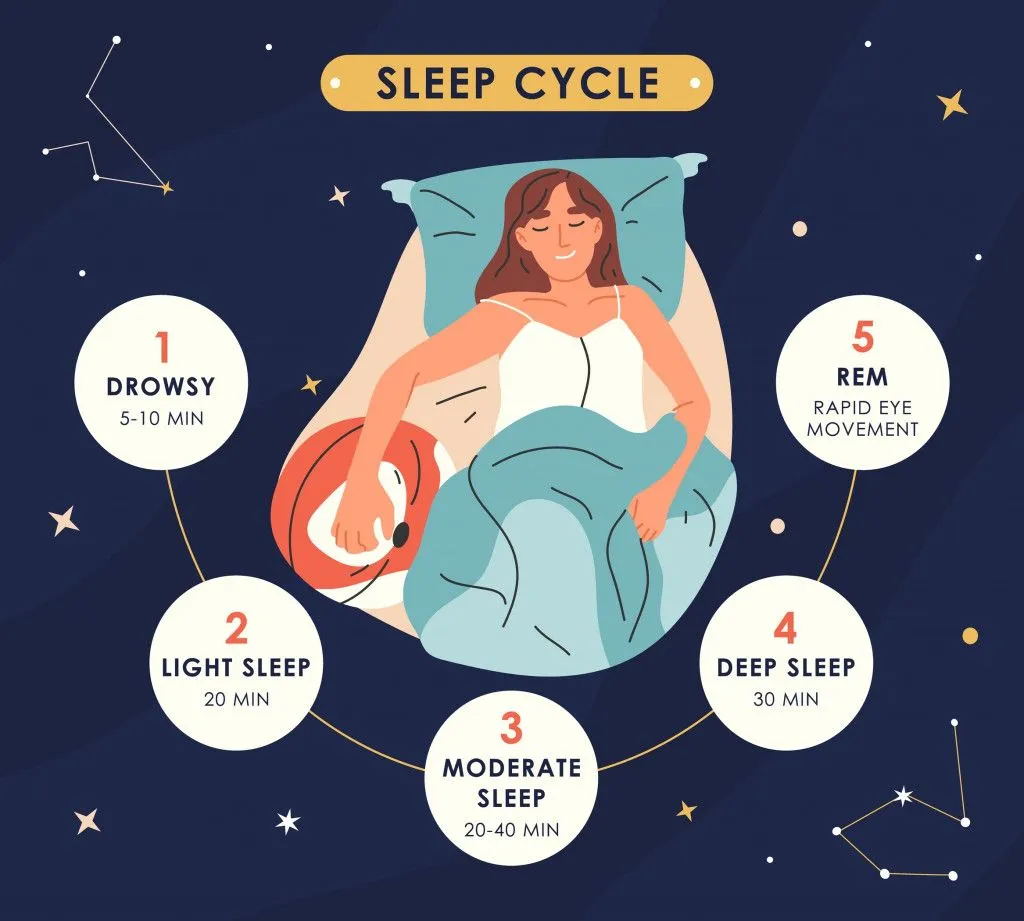
Contrary to what one might think, our brains are very active when we sleep. Our sleep is divided into four stages (three non-REM stages followed by one REM stage), and it is during the stage called “rapid eye movement,” or REM sleep, that people most often report having dreams. It is important to note that dreams happen outside of REM too, but not as much is known about them.
Brain activity recorded during the REM stage is similar to what it looks like when we’re awake. Therefore, waking up during this stage can also result in us remembering those dreams. Robert Stickgold, a professor at Harvard medical school, said that, “[…] it [remembering dreams] is about waking at the right time” in the Harvard Mahoney neuroscience institute (HMNI) letter. This could somewhat explain why we can recollect some dreams, especially vivid dreams when we wake up in the middle of the night.
Recent studies have also shown biological differences between people who can recall their dreams versus those who can’t. People with high brain activity in certain brain regions, such as the temporoparietal junction, are more likely to wake up frequently at night and recollect their dreams. You can read more about this in another article on this site called Why Can’t Some People Remember their Dreams?
We could go on and on about why some people might be able to remember their dreams over others. Scientists say that a neurochemical called noradrenaline might also play a role. However, we still need to answer our question of the day: Can we intentionally remember our dreams?

It is possible, but it will require a lot of training!
How To Remember Dreams?
As mentioned before, waking up frequently in the night can help us remember dreams, but that would probably open us up to experiencing the side effects of not sleeping properly. This could mean we might not be able to concentrate at work or in class, or might even feel unwell. There are other things we can do to help us in this quest!
Waking Up Slowly Could Mean All The Difference
Dr. Deirdre Barrett, a psychologist at Harvard Medical School, emphasized in a HMNI newsletter that if you take your time waking up and just relax in bed, your dreams might sometimes flood back into your head. The trick is to lie still with your eyes closed and replay the dream before you reach for your phone or jump out of bed. The moment you start moving around and taking in the day, much of the dream slips away.
Journaling
Writing down everything you remember the instant you wake up can help you retain your dreams more effectively. Dream memories are fragile and fade fast, so keeping a notebook (or your phone) within reach of the bed and jotting down whatever you can recall before you get up gives those fleeting details a chance to stick.
Your Personality Matters Too
A study also showed that if you have the right attitude towards your dreams, you are much more likely to remember them. That means if you lose your motivation to actively recall dreams, then you might find it hard to do so. It helps to set the intention before you drift off: simply telling yourself “I want to remember my dreams tonight” primes your mind to hold on to them.
Talk About It
The more you get a dream out of your mind and talk about it, the more likely you are to remember them. This is the same trick some people use to remember certain concepts for school or college. When you explain to your friends what you studied last night, you’re more likely to remember the notes too.
These are just some of the ways you might be able to gear up for your dream-saving quest. It’s important to know that this may not be an ON-OFF switch. If you don’t want to recollect certain dreams, it is probably wise to be careful about this too!

You might be interested to know more about your dreams for one reason or another. Scientists are actively doing research on several aspects of our dreams, answering questions like why we dream every day. The study of dreams is called ‘Oneirology’ and there are countless books to explore on the subject.
As Hank Green would always say in his videos… Stay Curious.
References (click to expand)
- Remembering Dreams - Harvard Medical School. Harvard Medical School
- (2021) Stages of Sleep - Neuroscience - NCBI Bookshelf. The National Center for Biotechnology Information
- Eichenlaub, J.-B., Nicolas, A., Daltrozzo, J., Redouté, J., Costes, N., & Ruby, P. (2014, January 16). Resting Brain Activity Varies with Dream Recall Frequency Between Subjects. Neuropsychopharmacology. Springer Science and Business Media LLC.
- Gottesmann, C. (2011). The Involvement of Noradrenaline in Rapid Eye Movement Sleep Mentation. Frontiers in Neurology. Frontiers Media SA.