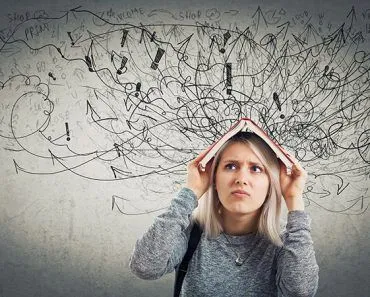
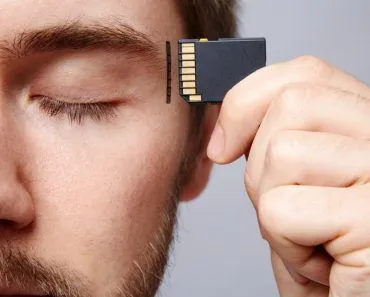
People who can remember events in greater detail and for longer tend to pay more attention and observe more details surrounding objects and events. They may also have superior recall skills. Genes play an additional role in why some people have better memory, but with practice, it is possible to improve your memory.
Have you ever watched a crime movie where the witness describes a near-perfect sketch of the culprit? Personally, I couldn’t ever hold onto such details, particularly in the middle of a crime! I can’t even remember my roommate that well, and I have to put up with them every single day. My friend, on the other hand, is a pro at describing someone they’ve glimpsed for just a moment, from their makeup and handbag down to the smallest outfit details.
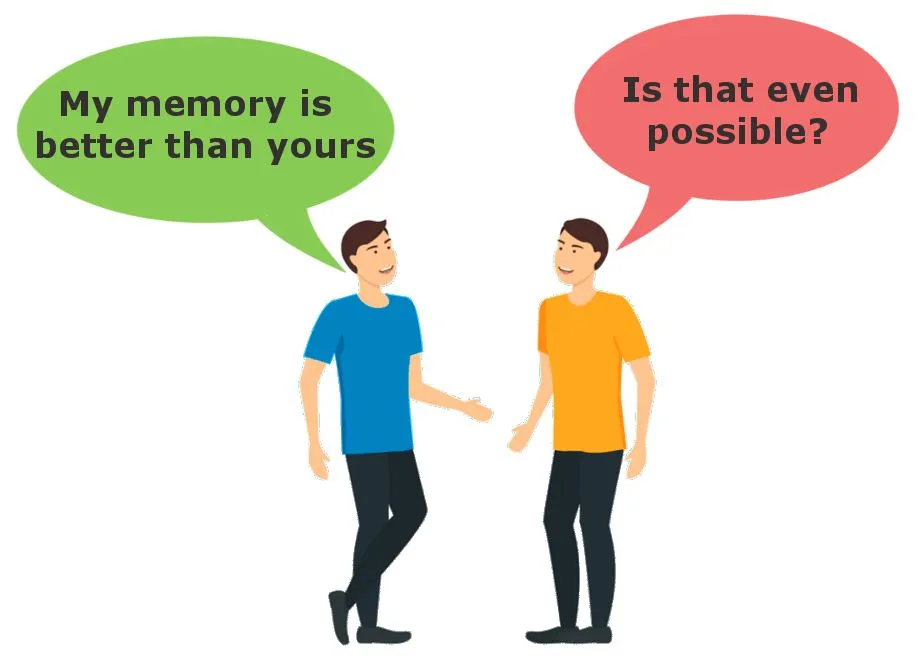
Some people simply have a superior memory. It’s frustrating, and it seems like there’s nothing you can do about it… or is there?
People With Better Memories May Encode Things More Efficiently
The first step in creating a long-term memory is to encode the information. Encoding involves taking in sensory information and sorting it out in a form that can be stored in the brain. It’s plausible that individuals who absorb more details during the encoding process likely form stronger memories.
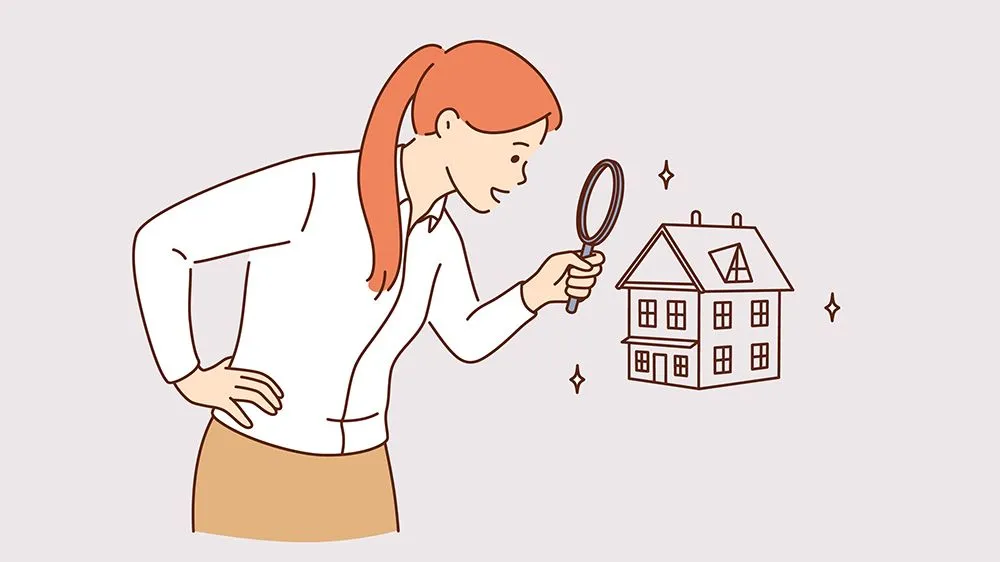
For instance, when you look at a house, you may register the paint color, the inviting porch, and the surrounding greenery. However, another individual may also discern details such as the number of windows, or the types of trees in the garden, in the same amount of time you took to memorize those other superficial details. In other words, a person who remembers more might be able to record more in less time.
Such detailed observation of the house may help them construct a clearer mental image of the house when they recall it later.
Attention plays a huge role here. You remember something primarily because you’re actively attending to it. The part of the brain called the frontal lobe is involved in maintaining attention. Quite understandably, it is also the region involved in the retrieval of memory. Therefore, it stands to reason that the more attention and focus you allocate to details, the more effectively they are encoded, enhancing the likelihood of remembering them later.
Encoding is also facilitated by positive emotional experiences, resulting in stronger memories. The amygdala, the brain region responsible for emotional processes, sits beside the seat of memory formation, the hippocampus. It marks certain memories as more important by associating them with an emotional experience.
Some researchers hypothesize that women are better at retaining memories related to personal experiences and events than men because of a higher sensitivity to emotional experiences.
People With Superior Memory May Be Better At Recalling Stored Memories
You paid proper attention when you encountered some information, but you still need to remember that information.
People with better memory activate the memory neuronal circuits more efficiently. Such individuals have higher activity in the hippocampal region during recall, as well as an increased reinforcement of the neural patterns in the cortex that are activated when an event is initially experienced.
Memory retrieval is also stronger when the information is rehearsed frequently and at regular intervals. In the absence of regular rehearsal, memories can decay and gradually be forgotten. Furthermore, any interference during the consolidation of a memory (a 5-7 day period between encoding and the long-term stage) can result in a weaker memory or a false one.

While active attention and rehearsal can enhance memory for most individuals, those fortunate enough to possess advantageous genetics may still have a competitive edge.
Your Genes Have A Say In Shaping Your Memory
Our genetics influence most aspects of our bodies and personalities, whether we like it or not. Thus, it’s only logical to assume that it impacts our memory as well.
The functioning of these neuronal circuits and the construction of the brain itself relies on the genetic programming of every individual.
A study revealed that a variation in the sequence of the COMT gene dictates the strength of working memory, a type of short-term memory. The COMT gene has the information for the COMT enzyme, which is involved in recycling neurotransmitters, such as dopamine.
Enzymes are usually proteins, which are made of strings of molecules called amino acids. In individuals where the sequence of the COMT gene encodes for an amino acid called valine at position 158 of the protein sequence, there was weaker activity in the pre-frontal lobe of the brain. This region harbors neuronal circuits involved in working memory. Therefore, these individuals had a less efficient working memory than individuals who had an amino acid called methionine in place of valine at position 158 of the enzyme sequence.
Additionally, dopamine is known to affect something known as ‘episodic memory’, which is our ability to recall past events. Research indicates that individuals carrying more dopamine and a higher density of receptors that bind to dopamine in their hippocampus have better episodic memory.
What Do You Call Someone With An Exceptional Memory?
When someone reels off a phone number they heard once or rattles off historical dates without blinking, we tend to reach for a label. So what do you call a person with a remarkable memory? It depends on what kind of memory they actually have, and a few of the popular terms describe abilities that science views very differently from how the movies do.
The most general term is a mnemonist: someone who excels at memorizing large amounts of information. Crucially, most mnemonists are not simply born that way. The competitors at the annual World Memory Championships, who can commit a shuffled deck of cards or strings of random digits to memory in minutes, almost universally rely on trained techniques rather than any innate "camera" in the head. The best known is the method of loci, or "memory palace", in which you mentally place each item you want to remember along a familiar route, such as the rooms of your house. It works by piggybacking on the brain's strong spatial memory.

What about a photographic memory, the ability to store a page of text like a snapshot and read it back perfectly? Here is the surprise: despite how often the phrase is used, there is no solid scientific evidence that photographic memory exists in healthy adults. Researchers have tested many people who claimed to have it, and none could reproduce the ability under controlled conditions. The cognitive scientist Marvin Minsky went so far as to call reports of photographic memory an "unfounded myth".
The closely related and genuinely documented phenomenon is eidetic memory, the ability to hold a vivid mental image of a scene for a short while after it disappears. Even this is rare and short-lived, found mainly in young children (roughly 2 to 10 percent of those aged six to twelve) and almost never in adults. And eidetic images are far from perfect: they fade quickly and often contain small errors or invented details, which means even this kind of "snapshot" memory is reconstructed rather than literally photographic, much like the false memories all of us are prone to.
Then there is the rarest case of all: hyperthymesia, now usually called highly superior autobiographical memory (HSAM). First described in 2006 by James McGaugh and colleagues in a woman known by the initials "AJ", people with HSAM can recall the events of almost any day of their lives, often pinpointing the day of the week and what they were doing decades ago, with accuracy around 98 percent for verifiable details. Fewer than around 100 individuals have been identified worldwide. Tellingly, their gift is specific to their own life story: on standard laboratory memory tests they score no better than the rest of us, and they are just as vulnerable to false memories. So an extraordinary memory is rarely an all-purpose superpower, and far more often a matter of attention, practice, and a little help from genetics.
Training The Brain To Improve Memory
The remarkable thing about the brain is that it can be trained to excel in areas where it may not naturally excel. It possesses something known as neuroplasticity, which allows it to form new unique neuronal connections that can be strengthened over time through repetitive practice.
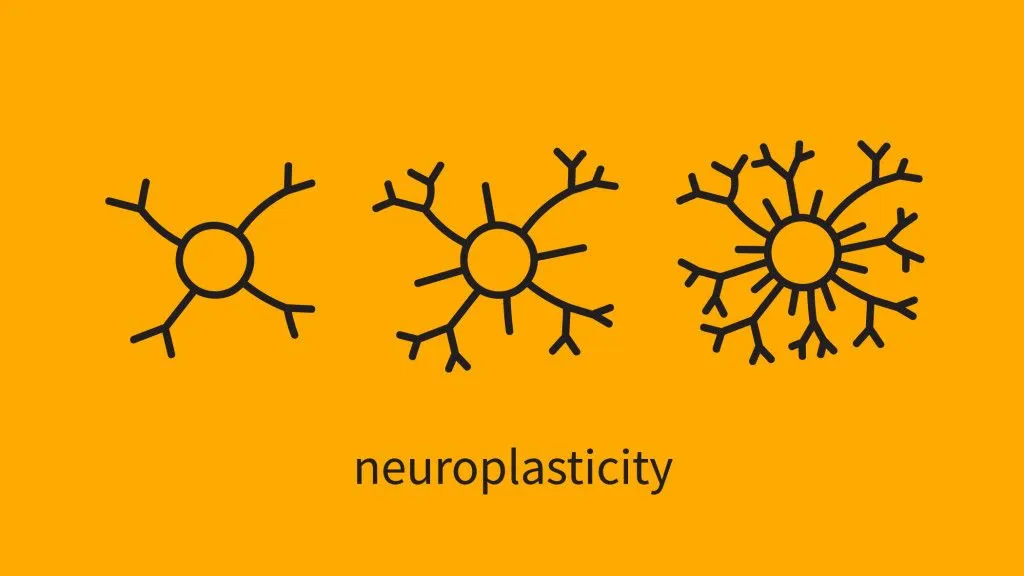
Therefore, unless there’s an underlying health condition, a person can always improve their memory by frequently rehearsing information and employing techniques that help the brain organize that information more efficiently.
Lifestyle changes, such as maintaining a nutrient-rich diet and ensuring an adequate amount of sleep, can contribute to memory enhancement. A sleep-deprived brain is less efficient at consolidating memories, thus hindering their storage and retrieval.
Training in a new skill, such as learning an instrument, can stimulate the brain and enhance its plasticity. Therefore, with determination and commitment, one can achieve significant improvements in their memory.
References (click to expand)
- 9.2 How We Remember: Cues to Improving Memory.
- Why Some People Remember Events Better than Others.
- Memory.
- Why do some seniors remember better than others?.
- Bueno, D. (2019, July 10). Genetics and Learning: How the Genes Influence Educational Attainment. Frontiers in Psychology. Frontiers Media SA.
- The Genetics of Why Some People Remember Events ....
- Loprinzi, P., & Frith, E. (2018, May 31). The Role of Sex in Memory Function: Considerations and Recommendations in the Context of Exercise. Journal of Clinical Medicine. MDPI AG.
- Highly Superior Autobiographical Memory. Center for the Neurobiology of Learning and Memory, University of California, Irvine.
- Highly Superior Autobiographical Memory (HSAM): A Systematic Review. Neuropsychology Review. NCBI PMC.
- Is There Such a Thing as a Photographic Memory? And If So, Can It Be Learned? Scientific American.