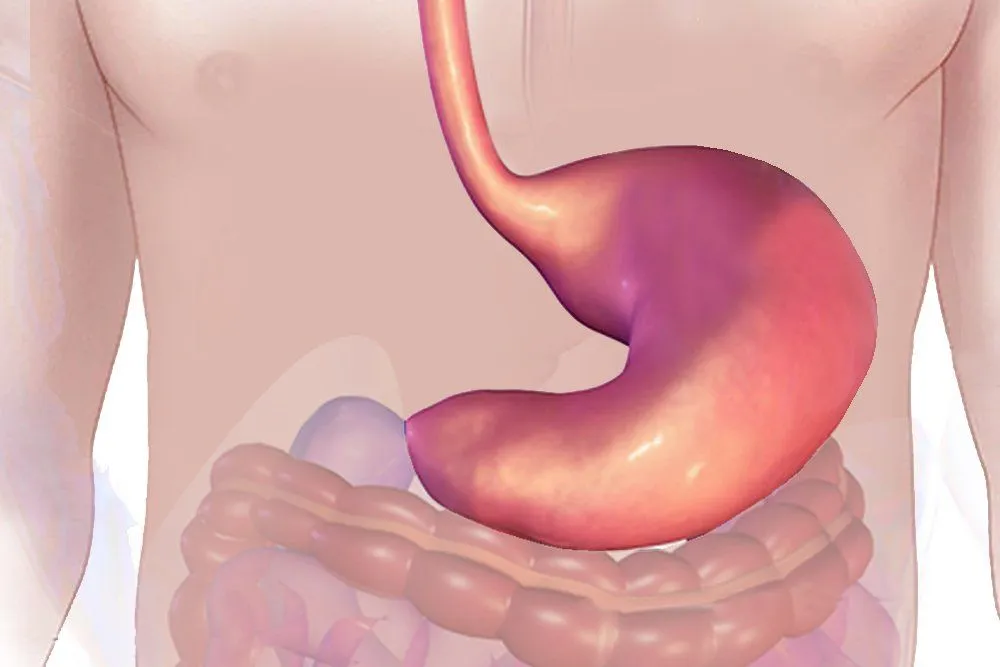
The stomach is a very effective barrier against most pathogens. Its highly acidic gastric juice (pH 1.5–3.5 when fasting) kills the majority of bacteria, viruses, and parasites that we swallow. A few microbes still slip through by hiding inside protein-rich food, forming acid-resistant cysts (like Giardia), or, in the case of Helicobacter pylori, neutralizing the acid around themselves with the enzyme urease.
Our stomach is very effective at killing germs, or pathogens. The gastric juice it secretes is highly acidic, with a pH typically between 1.5 and 3.5 when fasting (on the pH scale, 1 is highly acidic, 7 is neutral, and 14 is very basic). This efficiently kills almost all bacteria and many viruses we ingest before they can reach the intestines. The small intestine downstream is far less hostile (pH roughly 6–7.5), which is much more conducive to microbial growth. Clearly, the stomach does more than just digest our food. However, this brings me to my next question – if it kills pathogens, why do we experience stomach infections? Conversely, if it doesn’t kill all pathogens, how do the surviving germs endure the acidic pH of our stomach?
Is The Stomach Sterile?
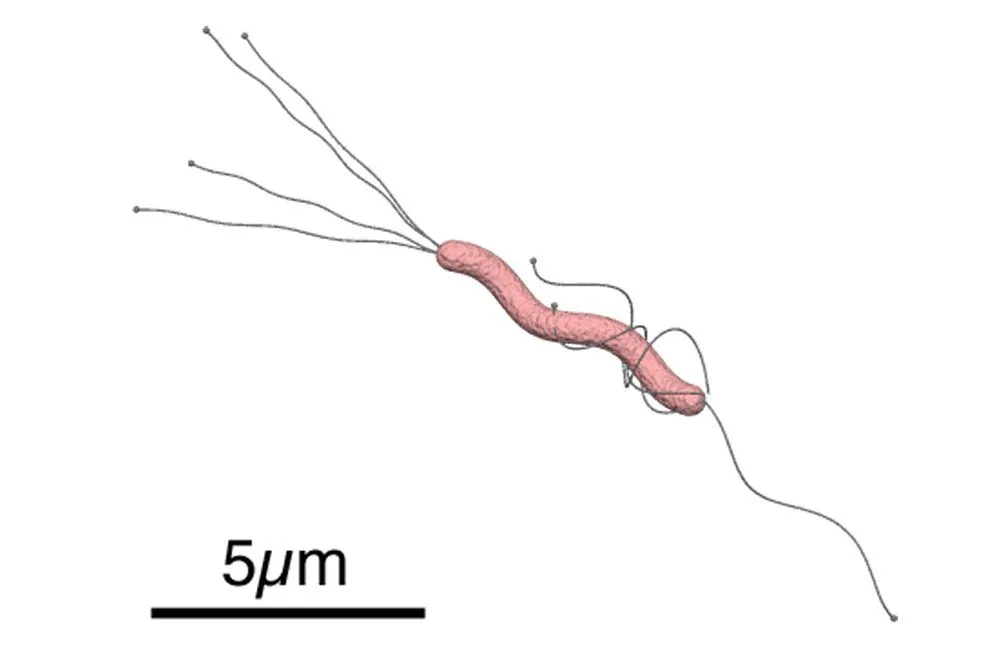
For a long time, the stomach was considered sterile, due to the gastric juices and proteolytic enzymes that it produced. It was believed that the low pH of 1-2 made it impossible for any microbe to survive. This made the contents of the stomach safe enough to pass into the intestine, which is very conducive for the growth of these germs. However, with the discovery of the presence of a certain organism in the stomach, this myth was busted. This organism was Helicobacter pylori, which is the common causative agent of peptic ulcers.
It was initially believed that ulcers were caused by the acid itself, namely that the acid degenerated the mucus lining. Therefore, medicines were given to reduce the acidity. However, with the discovery of the colonization of H. pylori, there was a major paradigm shift in this line of thinking.
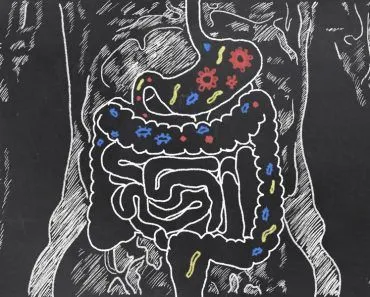
Studying the organisms present in the stomach is not easy. It can only be done by invasive methods, like endoscopy. However, it has been determined that although less crowded than the intestines, the stomach does host a real microbial community that survives the acidic environment.
Older culture-based studies, which could only grow bacteria that thrive in petri dishes, dramatically undercounted what is actually there. When researchers began applying modern 16S rRNA gene sequencing, the picture changed. A landmark 2006 study by Bik and colleagues identified 128 distinct bacterial phylotypes in the human stomach, spread across five major phyla – Proteobacteria, Firmicutes, Bacteroidetes, Actinobacteria, and Fusobacteria. Helicobacter pylori, when present, was usually the most abundant member; Streptococcus, Prevotella, and Veillonella also showed up consistently.
Which Acid In The Stomach Kills Germs?
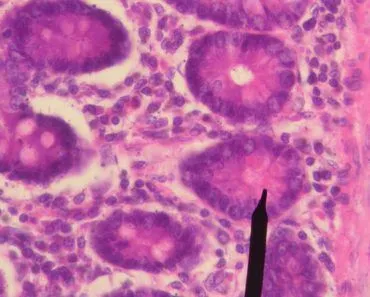
So what exactly does the killing? The acid responsible is hydrochloric acid (HCl). It is made by specialised cells in the stomach lining called parietal cells, which sit inside the gastric glands of the stomach wall. These cells run a molecular pump known as the hydrogen-potassium ATPase, or proton pump, that forces hydrogen ions into the stomach against an enormous concentration gradient. Those hydrogen ions pair up with chloride ions to form hydrochloric acid, dragging the pH down to roughly 1.5 to 3.5 when the stomach is empty.

This acid attacks germs in two ways. First, the sheer acidity denatures the proteins that hold a microbe together, in effect unravelling and cooking the cell. Second, the low pH switches on a digestive weapon: hydrochloric acid converts an inactive precursor called pepsinogen into the enzyme pepsin, which then chops proteins (including those of any invaders) into fragments. As the StatPearls physiology reference puts it, "many bacteria are killed or inhibited by the stomach's acidity," which is why gastric acid counts as one of the body's first lines of defence against swallowed pathogens. So if you ever meet the fill-in-the-blank question "the stomach produces ______ to kill the majority of pathogens," the missing word is hydrochloric acid.
How Do The Microbes Survive?
Apart from Helicobacter pylori, no other organism has been studied extensively enough to get a clear idea of how they survive in the acidic conditions of our stomach. However, a few possible methods have been identified.
Certain organisms escape the harmful effects of the gastric juices by taking shelter inside food particles. Protein-rich foods are especially good hiding places. Proteins are excellent buffers, soaking up hydrogen ions and pushing the local pH up; they also form a physical scaffold that shields embedded microbes from direct contact with acid and digestive enzymes. The effect is dramatic – Salmonella, for instance, needs roughly 105 cells to cause disease in saline, but as few as 50 to 100 organisms can do the job when delivered inside a high-protein food such as cheese, chocolate, or ground meat. Watery, low-protein foods like rice or fruit juice offer almost no such protection.
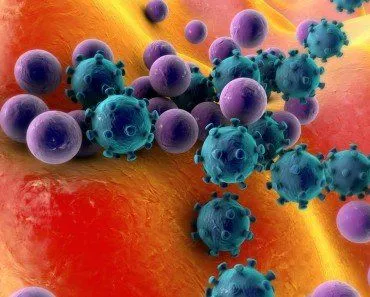
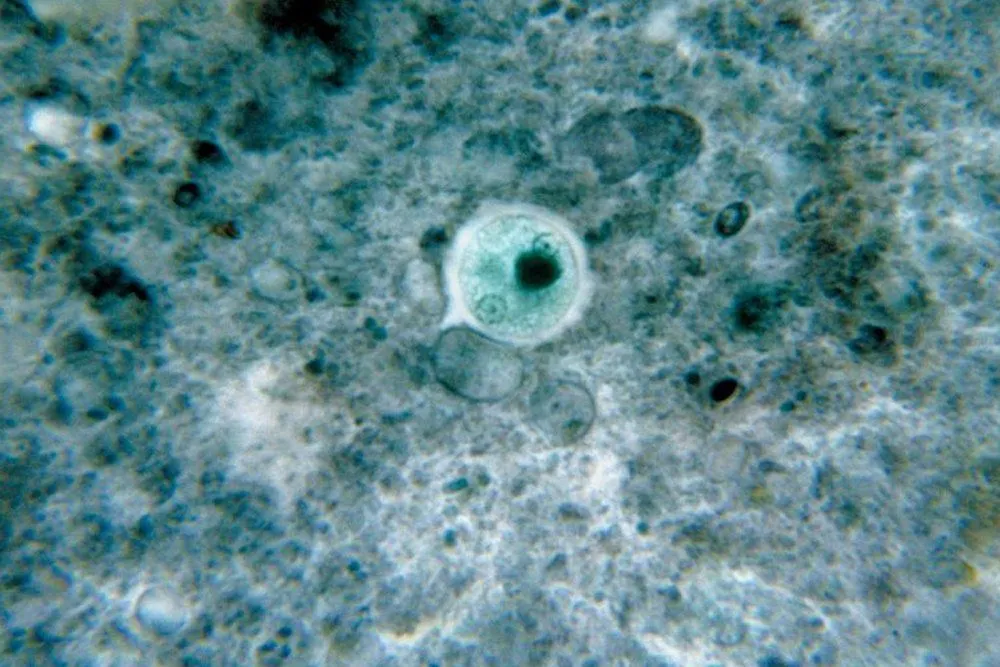
Another way these pathogens escape the gastric juices is through the formation of cysts. Microbial cysts are essentially the dormant, resting stages of microbes – tough, walled-off versions of the cell that can ride out unfavourable conditions and keep the organism alive. The cysts and oocysts of several common waterborne parasites, such as Giardia lamblia, Entamoeba histolytica, and Cryptosporidium, are tough enough to survive a trip through the stomach. Curiously, the acid does not just spare them – the low pH actually helps weaken the cyst wall, and once the parasite reaches the upper small intestine it "hatches" into its active, reproductive form and starts colonising the gut.
Some microorganisms have built-in armour rather than borrowed shelter. Mycobacteria – the genus that includes Mycobacterium tuberculosis – are wrapped in an unusually thick, waxy cell wall packed with mycolic acids, which is why they are classified as "acid-fast" rather than simply Gram-positive. This lipid-heavy envelope makes them remarkably tolerant of extreme pH, on both the acidic and alkaline ends. In fact, the WHO estimates that roughly a quarter of the world’s population (around 1.7 billion people) carries a latent M. tuberculosis infection, often without ever realising it or showing symptoms.
Helicobacter pylori has yet another trick, and it is the most ingenious of all. The bacterium produces large amounts of an enzyme called urease, which splits urea (a small molecule already present in gastric juice) into ammonia and carbon dioxide. The ammonia neutralises incoming acid by mopping up hydrogen ions, while the carbon dioxide is converted into bicarbonate, which acts as a buffer. Together they wrap the microbe in a thin, near-neutral cloud, allowing it to wriggle through the mucus layer and settle on the stomach wall, where it can persist for decades and, in some people, trigger gastritis, ulcers, or even gastric cancer.
How Do Parasites Survive Stomach Acid?
"How do parasites survive stomach acid?" is one of the most common questions about the gut, and the honest answer is that it depends on the parasite. The single-celled parasites we met earlier, such as Giardia and Cryptosporidium, simply ride out the acid as tough cysts and oocysts. The larger parasites, the worms (helminths), use a different tactic: they are almost never swallowed as free-living adults. Instead, they arrive packaged inside a protective egg or larval stage.
Take the tapeworm. People do not catch a beef or pork tapeworm by swallowing a fully grown worm. They catch it by eating raw or undercooked meat that holds a cysticercus, a tiny tapeworm larva folded up inside a fluid-filled bladder. Remarkably, the parasite does not have to "beat" the stomach at all, because the bladder is meant to be digested. The acid and enzymes of the stomach, followed by bile in the small intestine, are the very cues that tell the larva it has reached a host. In response, its head, or scolex, turns itself inside out (it evaginates) and anchors to the intestinal wall using a ring of suckers and, in the pork tapeworm, a crown of hooks.

From there, according to the CDC, the cysticercus develops over about two months into an adult tapeworm that can live for years and reach several metres in length. The same logic governs tapeworm eggs: their layered shells shield the embryo until it reaches the intestine, where the oncosphere finally hatches. For many parasites, in other words, stomach acid is not a wall to climb but a signal they have evolved to exploit on their way into the gut.
Can All Microbes Survive?
So a handful of microbes have evolved clever ways to beat the harsh environment of our stomach, but this doesn’t mean that all pathogens can pass through. The stomach still remains one of the body’s major barriers against ingested germs. The normal stomach community is also far thinner than the dense ecosystem of the colon, which packs in the order of 1011–1012 bacteria per gram of contents.
Certain conditions tilt the odds in favour of pathogens, like a large dose washed down on an empty stomach, a meal rich in fat or protein that buffers the acid, the regular use of antacids and proton-pump inhibitors that blunt acid production, or an existing H. pylori infection that has already altered the gastric environment. Outside these situations, however, the stomach remains a formidable hindrance to pathogens.
References (click to expand)
- Smith, J. L. (2003, July). The Role of Gastric Acid in Preventing Foodborne Disease and How Bacteria Overcome Acid Conditions. Journal of Food Protection. Elsevier BV.
- Stomach - microbewiki - Kenyon College. Kenyon College
- Strategies for invading stomach - www.colorado.edu
- Bik, E. M., et al. (2006). Molecular analysis of the bacterial microbiota in the human stomach. PNAS.
- Regulation of Urease for Acid Habitation. Helicobacter pylori: Physiology and Genetics. NCBI Bookshelf.
- Global Tuberculosis Report 2024. World Health Organization.
- Physiology, Stomach. StatPearls. NCBI Bookshelf.
- DPDx: Taeniasis. Centers for Disease Control and Prevention.