Yes, the science actually holds up. The olfactory nerve fibers run from the nose up through the cribriform plate to the olfactory bulb. A hard enough blow to the head can shear those fibers as they pass through that thin, sieve-like bone plate, causing real anosmia (loss of smell). So when Black Widow “severs the nerve” to defeat Dreykov’s pheromonal lock, the underlying biology is real, even if no one would actually do it on purpose.
Uh-oh… spoiler alert! For those of you who have watched the movie Black Widow, released in July 2021, I’m sure you were in awe of how Natasha Romanoff found a way to physically hit the villain who seemed to have an invisible shield around him.
She manages to do that using a technique called “severing the nerve”, but what is that and is it based in real science?
A Rapid-fire Recap
“Sever the nerve” must resonate inside your head when anyone talks about the climax scene. Natasha Romanoff, aka Black Widow, is facing the villain Dreykov, holding a gun to his head. However, Natasha can’t get herself to shoot! It leaves our heroine, as well as the viewers, in shock.
It seems as if this old, frail villain with freckles on his face and specs on his nose has an invisible shield protecting him. As it turns out, it’s no invisible shield… it’s a pheromonal lock!
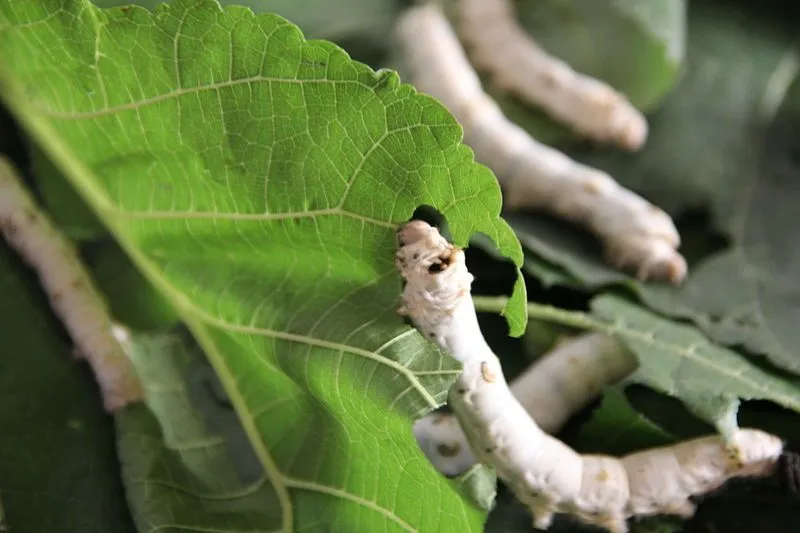
The Cambridge dictionary defines pheromone as a “chemical substance released by an animal that influences the behavior of another animal of the same type, for example by attracting it sexually”. For instance, bombykol is a pheromone released by the female silkworm moth to attract its mate. Typically, these pheromones are smelled.
Pheromonal Lock In Black Widow
In the movie, Dreykov reveals that he has a “pheromonal lock” installed inside all of his widows. This prevents Natasha (or any of the other widows) from “committing violence against him”, including hurting him physically, so long as she can smell him, or rather, smell his pheromones.
This is when the “sever the nerve” tactic is employed by the dauntless heroine. In order to not smell the pheromones, one must have their sense of smell hampered. The olfactory nerve, which helps us smell stuff around us, was severed by Black Widow to stop her from smelling Dreykov’s pheromones.

Natasha does this by banging her head on the table to sever the nerve. As a result, she starts bleeding from her nose, but how scientifically accurate and possible is that? Let’s discuss.
Are Pheromonal Locks Real? Can A Smell Really Control You?
The pheromonal lock is a brilliant plot device, but it raises an obvious question: could a chemical signal genuinely stop you from raising a hand against someone? In much of the animal kingdom, the answer is a clear yes. Pheromones are airborne chemical messengers that trigger hardwired, almost automatic responses in other members of the same species. The female silkworm we met earlier reels in a mate with bombykol, ants lay scent trails their nestmates cannot ignore, and many mammals advertise their readiness to breed through scent alone.

Humans, though, are a far messier case. The structure that detects pheromones in many animals is the vomeronasal organ (also called Jacobson’s organ), a small pit tucked behind the nasal septum. In people, researchers broadly agree this organ is vestigial, and we lack the accessory olfactory bulb in the brain that it would normally wire into. Candidate molecules such as androstadienone (a testosterone derivative found in male sweat) and estratetraenol have been studied for decades as possible human pheromones. Yet as zoologist Tristram Wyatt has stressed, no molecule has ever been confirmed as a human pheromone, and a 2000 study examining these very steroids concluded that it was “premature to call these steroids human pheromones”.
Smells can certainly nudge our mood and arousal, but that works through ordinary olfaction and learned associations, not some innate override switch buried in our biology. So a chemical lock that physically forbids violence, the kind Dreykov installs in his widows, remains for now firmly in the realm of science fiction.
The Olfactory Nerve And Its Structure
The olfactory nerve is the first among the twelve pairs of cranial nerves found in vertebrates. Cranial nerves connect the brain to various regions of the head, neck, and trunk. The olfactory nerve, which comes in a pair, left and right, begins from the nose and connects to a region in the brain called the olfactory bulb.
The nose is planned in a way to let the inspired air go towards the olfactory epithelium present in the nose. This specialized epithelium is present deeper in the nose, over the nasal septum, along with the upper and lateral portions of both nasal cavities.
This epithelium is composed of neurons called olfactory neurons. These olfactory neurons have tiny receptors on them that can detect thousands of odor molecules that waft into your nose. When the receptor detects an odor molecule, it gets “activated” and relays this information to the olfactory bulb. This happens for the dozens to hundreds of odor molecules we may smell at any given moment.
The olfactory bulbs then transfer this information to the olfactory cortex. Once the signal reaches the olfactory cortex, it interacts with various structures and makes smell integrated with memory, emotions, and taste.

The olfactory nerves are susceptible to functional loss due to trauma in the brain or a surgical procedure, a fact that is exploited by the Black Widow.
“Sever The Nerve”
A fully functional olfactory system consists of an unblocked nasal airway and undamaged olfactory nerves. Injury to either of these could lead to hyposmia (partial loss of sense of smell) or anosmia (a complete loss of sense of smell).
The olfactory nerves run from the olfactory epithelium in the nose, up through the cribriform plate, to the olfactory bulb at the base of the brain (which in turn signals the olfactory cortex). This cribriform plate is a sieve-like structure that partly forms the roof of the nasal cavity.
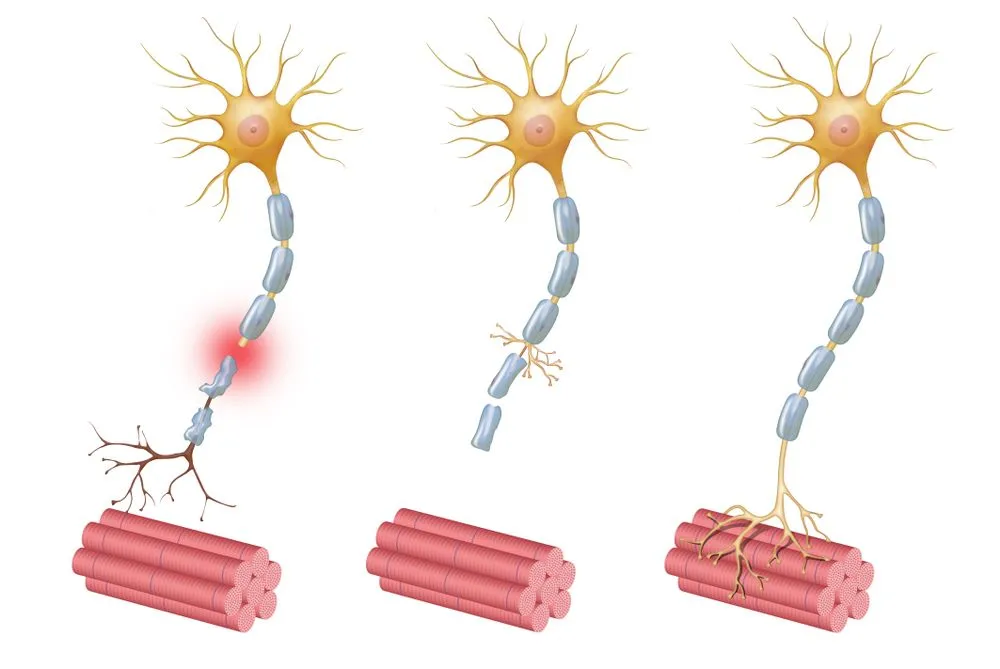
Any trauma to the head can result in direct injury to these olfactory nerve fibers, which travel through the cribriform plate, thus disrupting the pathway. This occurs due to these olfactory nerve fibers getting stretched and sheared.
Even a direct injury to the nose can cause these tiny nerve fibers to snag at the holes present in the cribriform plate, causing the fibers to break. Once this happens, the entire neuronal pathway gets disrupted, leading to anosmia. In other words, “sever the nerve” can and does actually take place in real life.

Interestingly, even the most common injuries can cause the delicate olfactory nerves to be injured while they travel from the nasal canal to the olfactory bulb via the cribriform plate. Some minor jarring wounds can also disrupt this neural pathway.
Moreover, a loss of smell can also occur due to inflammation in the nose, due to some infection, or even the common cold. Excessive exposure to environmental toxins like pollutants in the air may also lead to a diminished ability to smell. Occupational hazards like ones due to painting (spray painting) or performing “high-frequency heat treatments” also pose a threat to our olfaction.
Why Did Black Widow Break Her Nose?
If the lock only holds while Natasha can smell Dreykov’s pheromones, the way out is brutally simple: stop smelling. In the climactic scene she first goads Dreykov into striking her, hoping a blow to the face will do the job. When the frail old villain proves too weak to land a proper hit, she finishes it herself, slamming her face down onto his desk and breaking her own nose. The gush of blood is the visual cue that the deed is done.

Why the nose specifically? Because that is where the olfactory wiring is most exposed. The delicate olfactory nerve filaments rise from the roof of the nasal cavity and thread upward through the tiny perforations of the cribriform plate, the sieve-like shelf of the ethmoid bone that separates the nose from the brain. A violent impact to the nose and face can wrench the nasal tissues against that bony plate, shearing the threadlike fibers where they pass through it. Lose those fibers and the signal never reaches the brain, so the smell, and with it Dreykov’s pheromonal hold, simply vanishes. It is a grim trick, but the anatomy behind it is sound: blunt facial and head trauma is one of the leading real-world causes of a sudden loss of smell.
Can Black Widow Get Her Sense Of Smell Back?
Biology textbooks often write that nerve cells, unlike any other cells in the body, are unable to regenerate; neurons, once damaged cannot be formed again. This is the reason cited for why injuries to the brain are “impossible” to cure.
However, it turns out that this is not completely true. Olfactory neurons have a striking capability to regenerate, unlike neurons in any other part of the body. These nerve cells can regenerate throughout a person’s life. This implies that instances of anosmia can be temporary. However, this ability to regenerate is also affected by age and repeated trauma to the olfactory epithelium.
However, the recovery of one’s sense of smell after head trauma is relatively lower, somewhere between 10% -38%. This regenerative ability of the olfactory neurons decreases with the age of a person. Many studies that have been conducted have a follow-up by the researchers taking place about 6-32 months after the injury occurred; some follow up with patients several years later as well.
In short, Black Widow may have a shot at getting her sense of smell back.
To Conclude
It may be practically possible to injure the olfactory nerves through physical trauma like Black Widow did, but we certainly don’t advise doing so! Moreover, the recovery rate, as mentioned above, is low. The sense of smell is one of the more under-appreciated senses in our body, but its importance cannot be overstated! For example, in situations like a gas leak, it is only our sense of smell that can save our lives!
References (click to expand)
- (2021) Neuroanatomy, Cranial Nerve 1 (Olfactory) - StatPearls - NCBI. The National Center for Biotechnology Information
- Olfactory Nerve Injury - an overview | ScienceDirect Topics. ScienceDirect
- Anosmia - loss of smell - Better Health Channel. betterhealth.vic.gov.au
- Kobayashi, M., & Costanzo, R. M. (2009, July 3). Olfactory Nerve Recovery Following Mild and Severe Injury and the Efficacy of Dexamethasone Treatment. Chemical Senses. Oxford University Press (OUP).
- Howell, J., Costanzo, R. M., & Reiter, E. R. (2018, March). Head trauma and olfactory function. World Journal of Otorhinolaryngology - Head and Neck Surgery. Wiley.
- UConn Health Taste and Smell Center.
- Wyatt, T. D. (2016). What Will It Take To Find a Human Pheromone? ACS Central Science. PMC.
- Doty, R. L. Human Pheromones: Do They Exist? In: Neurobiology of Chemical Communication. NCBI Bookshelf.