There is no single archetype for a hero, but ten qualities show up again and again across history: patience, courage, compassion, empathy, humility, confidence, ingenuity, selflessness, perseverance, and honesty. Regardless of age, gender, nationality, or culture, these underlying traits can appear in anyone — from ancient mythological figures like Gilgamesh and Hercules to modern figures like Mother Teresa, Mandela, and the first responders of 9/11.
For the past decade, the world seems to be caught in the grip of hero fever. Much of this has to do with the Marvel Cinematic Universe — a multi-phase saga of over 35 comic-book hero films that has grossed more than $30 billion at the global box office. Whether you have been captivated by the ingenuity of Iron Man, the comedic relief of the Guardians of the Galaxy, or the sheer terror of Thanos’ plot to eviscerate half the universe, it has been hard to avoid the Marvel movies since the first one was released back in 2008.
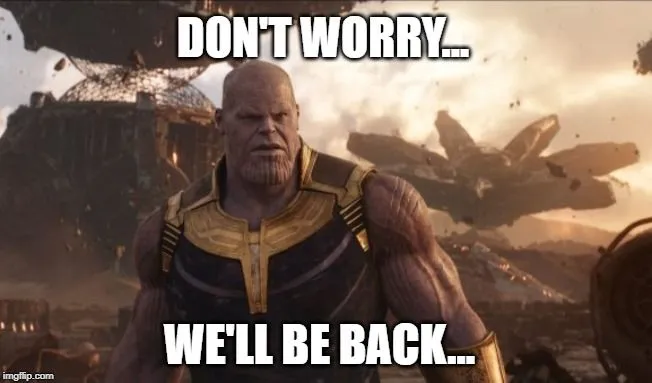
With dozens of legendary heroes—and world-famous actors—splayed across the screen in 3D IMAX grandeur, this has certainly been a renewed era of hero worship. That being said, idolizing heroes is hardly a new idea; in fact, heroes have played a critical part in the development of the human race. Dating back thousands of years, the concept of a hero has defined entire eras of history, cultural movements, fundamental ideas of gender, service to others, morality and dozens of other areas of life.
Heroism Through History
Roughly 3,000 years ago, when ancient Greece was creating its many origin myths, the classical heroes were born. Stories of Jason, Heracles, Perseus and Odysseus all took place during the great 4th Age of Man, roughly 3,600-3,100 years ago, for a period that stretched for about six generations. Back then, the idea of a hero was closely associated with military prowess, namely how good someone was at killing others. Additionally, a hero was typically someone who was killed in the pursuit of honor, and often had a fatal flaw. These early heroes and their stories became touchstones for different areas of morality, and mythology often functions as a moral guideline.
Other cultures, including those of Slavic and Eastern origin, similarly told stories of great heroes, many of whom shared similar characteristics, despite their vast geographical separation. These heroes became cultural icons, commonly found at the center of cultural traditions. Heroes served as a binding agent for morality and unity between different people, and were found at the core of the most important stories passed down from generation to generation.
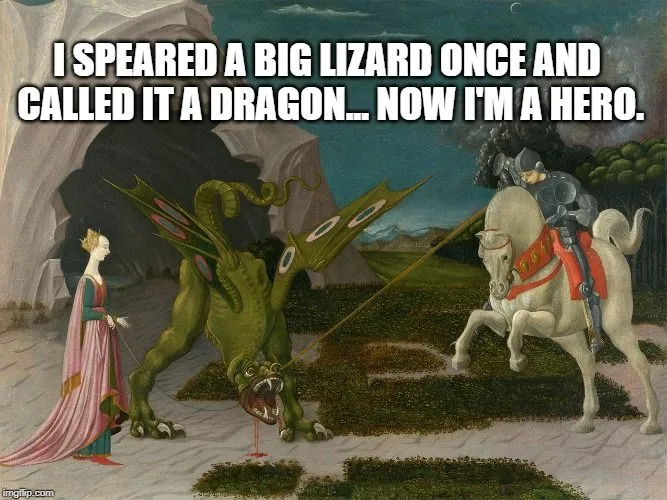
Heroes were not always perfect—as mentioned, the fatal flaw, e.g., Achilles’ Heel, lusting after deities, jealousy, pride—but over time, the idea of a hero changed. More modern heroes are associated with selflessness or service to others, without expectation of reward or praise. This is distinctly different than classic heroes, who fought for personal glory and honor, not necessarily to help anyone less fortunate or capable than themselves.
Clearly, over the past 3,500 years, heroes have come in many shapes and sizes, and the vast majority of them don’t wear capes, nor are epic poems written about them, nor do their names always go down in the history books. Since heroism can manifest in anyone, it becomes difficult to categorize heroes, or point out decidedly “heroic” behavior. While each case of potential heroism must be judged on its own basis and specifics, there are some basic characteristics that can often be found across the board when it comes to those deemed heroes!
10 Qualities That Make A Hero
As mentioned, there is no archetype within which every hero falls; regardless of age, gender, nationality, skin color, sexual preference or religion, the underlying qualities of a hero can appear anywhere, and in anyone. This is far from an exhaustive list, but the following elements of one’s personality certainly nudge you closer to being heroic.
Patience
A key personality trait of any hero is patience, because change is not always easy, nor immediate. Standing up for what you believe in is a worthwhile effort, but continuing to do so, even when you don’t feel as though progress is being made, is a heroic action. In a world of dwindling attention spans, instant gratification, and the constant battle for our time and emotional capital, being able to remain patient and steadfast in your beliefs and efforts can be a rare and heroic thing.
Courage
This is a classic characteristic of heroes, dating back to the very first heroic manifestations in global cultural history. From Gilgamesh and Hercules to the fearless firefighters on 9/11 and unflinching warriors of the Civil Rights Movement, courage and bravery has long been a cornerstone of heroism. Being able to overcome fear and charge into the fray, knowing that it may endanger your life, or perhaps even end it, is inseparable from heroism in the minds of many.
Compassion
Without compassion for others, committing to a heroic action or path would be nearly impossible. In fact, there is a formal term called heroic compassion, which is a type of altruism that incurs a significant amount of risk to oneself. When compassion for others overcomes our instinctual drive to survive and protect ourselves, we are definitely in the territory of heroic behavior. This sort of altruism can be impulsive and immediate, or it may play out over a longer period.
Empathy
One of the most important skills we can sharpen in life is our capacity to empathize. There is perhaps no better tool for helping others than being able to sincerely listen and attempt to understand.

To be a hero, you must be able to see things from other perspectives, and that flexibility will allow you to better handle any situation you may face. If you are able to imagine yourself in a situation, you will be better prepared to help others facing the same problem. Empathy may not look as good on screen as an enchanted hammer wielded by the god of lightning, but it is definitely a superpower when used wisely.
Humility
Although heroes in classic mythology often performed their heroic feats for personal glory or riches, modern heroism is closely tied to humility. One does not perform heroic acts in order to be worshipped for them. Being heroic means being humble and making it clear that your actions are in service of others, and can only be completed with the help of others. Furthermore, being able to identify your own weaknesses, and know when you must ask for help, may not seem like a strength, but it is a critical ability of heroes who refuse to let pride get in their way.
Confidence
There is a definite need for confidence as a hero; if you lack that sort of gusto, you probably won’t be dashing into any burning buildings anytime soon. However, there is a difference between confidence and cockiness; the former assures those around you that things will be okay. Maintaining a proper level of confidence in difficult situations can defuse tension and comfort those you are trying to protect. Furthermore, believing in yourself and having confidence that what you are doing is right can also lead you to heroic feats.
Ingenuity
Being a hero doesn’t always mean having the biggest muscles, the coolest powers or the most dangerous job; often, it means approaching problems from completely unique angles and driving progress forward. Ingenuity is a critical skill for certain heroes, because it means refusing to admit when something is impossible. In the Marvel movies, for example, there were more than 14,000,000 possibilities of how Thanos’ reign of terror in the universe could play out. In only ONE scenario could the Avengers win; talk about looking for every possible solution to a problem!
Selflessness
Another timeless quality of heroes, particularly those of the modern era, is selflessness—the willingness to sacrifice yourself, your energy, time, capital and life if it means helping others.
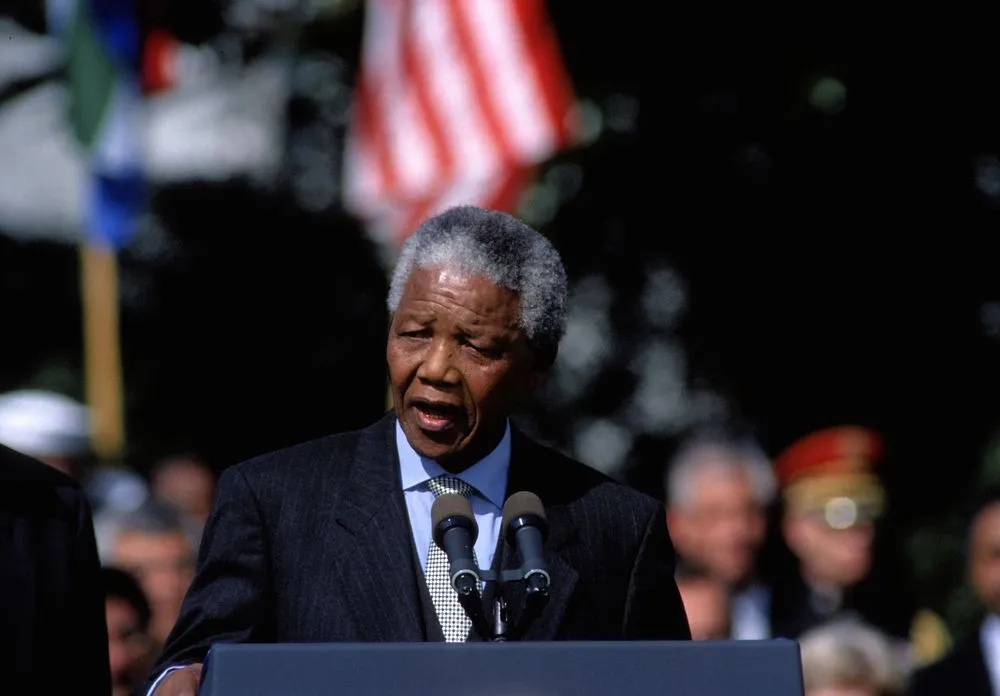
Heroes like Nelson Mandela, Martin Luther King Jr. and Mother Teresa personally suffered and struggled in their lives while attempting to help others. In many cases, the lives of heroes are threatened or ended because they were serving and protecting others.
Perseverance
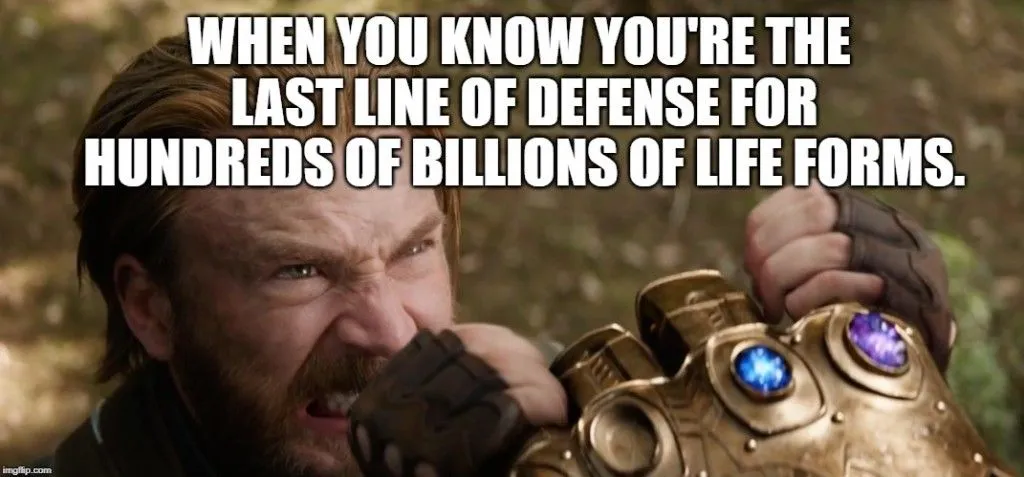
Being a hero can sometimes be a thankless job, and it doesn’t always end in victory. Many stories of heroes include failure after failure, more than enough to dissuade normal people to give up and move on. However, with the help of perseverance and determination, great things can be accomplished. Never giving up is one of the most basic features of any hero, regardless of historical period or particular style of heroism.
Honesty
Having integrity and being honest is a final foundational characteristic of a hero. Someone who is admired or emulated should demonstrate a strong moral compass, and should be open and honest with those around him. It is important to speak your own truth, and not be afraid to hear that same honesty from others, if you want to change the world and help those who live here!
What Does Psychology Say Makes Someone A Hero?
For most of history, deciding who counted as a hero was left to poets, priests and whoever happened to be writing the history books. Only in the past few decades have psychologists tried to pin the idea down scientifically, and their answers are surprisingly tidy.
Stanford psychologist Philip Zimbardo described a hero as someone who knowingly and voluntarily acts for the good of others at significant risk to themselves, “without being motivated by reward.” In a 2011 paper, Zimbardo and his colleagues Zeno Franco and Kathy Blau described heroism as the point where civic virtue becomes civic action, with the hero accepting either physical peril or social sacrifice. That second category matters, because it means a hero doesn’t need to run into a burning building to qualify. Social heroes, such as Martin Luther King Jr. or Malala Yousafzai, earn the title through sacrifice rather than physical risk, by standing up to an unjust social system.
So what do ordinary people picture when they hear the word? Psychologist Elaine Kinsella and her colleagues at the University of Limerick set out to answer exactly that in a 2015 study. They asked 189 people to describe heroes in their own words, sorted the answers into 26 categories, and then had a further 365 participants rate how central each trait was. The features that landed at the core of the hero “prototype” were being brave, courageous, honest, selfless, self-sacrificing, protective, determined, helpful and inspiring, along with having moral integrity and conviction, and saving others. Traits like being humble, strong, fearless, intelligent, caring and compassionate were also linked to heroes, but only on the periphery.
Interestingly, that means two of the qualities on our list above (humility and compassion) are things people like to see in a hero, but don’t consider essential. Courage and honesty, on the other hand, sit right at the heart of the concept. In later experiments in the same paper, people recognized central hero traits faster, remembered them better, and were most likely to identify someone as a hero when that person was described with central traits. The central features also fit role models and leaders less well, which suggests that a hero isn’t just a famous or admirable person. It’s a category all its own.
Why Do Real-Life Heroes Act Without Thinking?
Picture this: a car has plunged into an icy river, and a passerby dives in after the driver without a moment’s hesitation. When reporters later ask why, the answer is often some version of “I didn’t think about it, I just did it.” As it turns out, that may not be false modesty. It may be exactly how heroism works.

Since 1904, the Carnegie Hero Fund Commission has awarded the Carnegie Medal to civilians in the United States and Canada who risk death or serious physical injury to an extraordinary degree while saving, or trying to save, the lives of others. Andrew Carnegie set aside $5 million to create the fund within three months of the Harwick Mine explosion near Pittsburgh, which killed 179 people on January 26, 1904. More than 10,000 medals have been awarded since then. Carnegie was refreshingly blunt about his expectations; he didn’t believe the fund would create heroes, “knowing well that heroic action is impulsive.”
More than a century later, science backed him up. In a 2014 study published in PLOS ONE, David Rand of Yale University and Ziv Epstein collected 51 published interviews in which Carnegie Medal recipients described their decision to help. They then asked 312 participants to rate, on a seven-point scale, how intuitive or deliberate each decision sounded. The heroes’ statements were overwhelmingly dominated by intuition: 92.2% of them scored on the intuitive side of the scale, and they were statistically indistinguishable from control statements describing fast, gut-level decisions.
Here’s the fascinating part. In 36 of the 51 cases, participants estimated that the rescuer had at least 60 seconds before they had to act, which is plenty of time to weigh the risks. Even in those cases, the decisions still read as intuitive. The researchers concluded that high-stakes heroism may be largely driven by automatic, intuitive processes, rather than by willpower overriding our instinct for self-preservation. In other words, many real-life heroes aren’t winning an internal debate; their first impulse is simply to help.
What Makes Someone A Legendary Hero?
If you’ve ever felt that every blockbuster follows the same basic arc, you’re not imagining things. In 1949, the mythologist Joseph Campbell published The Hero with a Thousand Faces, in which he argued that myths from cultures all over the world share one underlying story structure, which he called the monomyth, or the hero’s journey. In Campbell’s telling, a hero leaves the everyday world for a realm of supernatural wonder, encounters fabulous forces, wins a decisive victory, and comes back with “the power to bestow boons on his fellow men.”

That journey unfolds in three essential stages:
- Separation (or departure): the hero leaves the familiar world behind.
- Initiation: the hero faces trials in an unfamiliar realm and wins a decisive victory.
- Return: the hero comes home transformed, carrying something that benefits their community.
According to the Joseph Campbell Foundation, all three stages must be present for a complete hero’s journey, although the details within each stage vary from story to story. This is what separates a legendary hero from a merely brave one. A legend isn’t defined by one act, but by a whole arc of leaving, being tested, and coming back changed, with something to give.
Hollywood certainly took notice. George Lucas has said that he wrote many drafts of Star Wars before stumbling across Campbell’s book, which finally gave his sprawling ideas a clear shape. In a 1985 speech honoring Campbell, Lucas called him “my Yoda.” Campbell returned the compliment, telling journalist Bill Moyers that Star Wars has “a valid mythological perspective.” So the next time a farm boy leaves home to save the galaxy, remember that you’re watching a story shape that, as Lucas put it, had been there for thousands of years.
What Is An Antihero?
Not every protagonist is a shining example of courage and honesty. Britannica defines an antihero as the protagonist of a drama or narrative who is notably lacking in heroic qualities. This isn’t a modern invention either; such characters have appeared in literature since the time of the Greek dramatists. Two classic examples are the title characters of Miguel de Cervantes’ Don Quixote (published in two parts, in 1605 and 1615) and Henry Fielding’s Tom Jones (1749).

Don Quixote is a wonderful illustration of the idea. He is a country gentleman whose infatuation with books of chivalry convinces him to become a knight-errant, complete with an antique suit of armor and a visor made of pasteboard. In one famous episode, he mistakes a field of windmills for giants and attacks them. He has plenty of conviction, but very little of the judgment or success we expect from a hero!
Put in terms of the psychology research above, you could think of an antihero as a character who is missing some of the central features of the hero prototype, such as moral integrity or selflessness, yet still occupies the hero’s place at the center of the story. Audiences are often drawn to such darker characters. A 2020 study in Psychological Science found that people are attracted to villains who resemble them, and the researchers suggested that stories offer a safe haven where comparing ourselves with a darker version of ourselves doesn’t threaten our self-image. That may help explain why flawed and even outright villainous characters, like the Joker, can be so compelling.
Conclusion
There is not a single mold for a hero, nor is there a definite path to becoming one. That being said, the characteristics described above have appeared in countless heroic tales and backstories from across the world. If you are tossed into a situation and your heroic identity leaps to the surface, or perhaps you are leading a life of heroic devotion and service to others, you may embody some, if not all of these exceptional qualities!
References (click to expand)
- Heroic Compassion. Stanford University
- Becker, S. W., & Eagly, A. H. (2004). The Heroism of Women and Men. American Psychologist. American Psychological Association (APA).
- Franco, Z. E., Blau, K., & Zimbardo, P. G. (2011, June). Heroism: A Conceptual Analysis and Differentiation between Heroic Action and Altruism. Review of General Psychology. SAGE Publications.
- Kinsella, E. L., Ritchie, T. D., & Igou, E. R. (2015). Zeroing in on heroes: a prototype analysis of hero features. Journal of Personality and Social Psychology, 108(1), 114-127. PubMed.
- Allison, S. T., & Green, J. D. (2020). Nostalgia and Heroism: Theoretical Convergence of Memory, Motivation, and Function. Frontiers in Psychology.
- A hero by any other name... The Psychologist. British Psychological Society.
- Heroic imagination, heroism. Philip G. Zimbardo.
- Rand, D. G., & Epstein, Z. G. (2014). Risking Your Life without a Second Thought: Intuitive Decision-Making and Extreme Altruism. PLOS ONE. PMC.
- History. Carnegie Hero Fund Commission.
- Carnegie Hero Fund Commission.
- Joseph Campbell and the Hero’s Journey. Joseph Campbell Foundation.
- Joseph Campbell’s Mythic Influence on Star Wars. Joseph Campbell Foundation.
- Antihero. Encyclopaedia Britannica.
- Don Quixote. Encyclopaedia Britannica.
- Krause, R. J., & Rucker, D. D. (2020). Can Bad Be Good? The Attraction of a Darker Self. Psychological Science.
- Marvel Studios Crosses $30 Billion at the Worldwide Box Office. The Walt Disney Company.