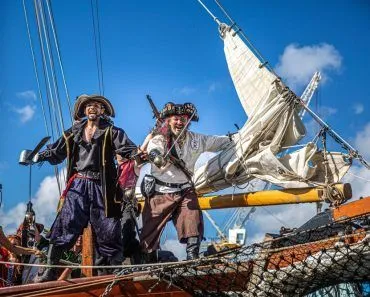
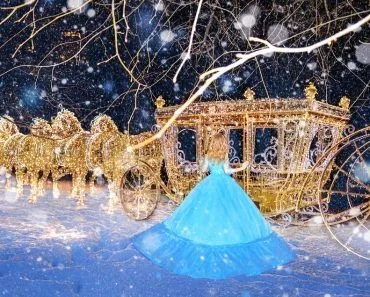
Disney has come a long way from the damsels of Snow White, Cinderella, and Sleeping Beauty to the self-rescuing leads of Brave, Frozen, Moana, and Encanto. Linguistic studies show female characters now get a much larger share of dialogue, and the latest princesses tend to drive their own plots rather than wait to be saved.
Regardless of gender, the youth of today have entered adulthood after watching the fairy tales and ideals of love provided by Disney movies. Cinderella, Snow White and Sleeping Beauty all reflect a time in society where women were considered little more than damsels in distress who needed a knight in shining armor to rescue them.
Mulan and Tangled represented rebellion against these tropes through rising waves of feminism. At present, Disney’s beloved blockbuster, Frozen, demonstrates that women do not need men to save them through the characters of Anna and Elsa.
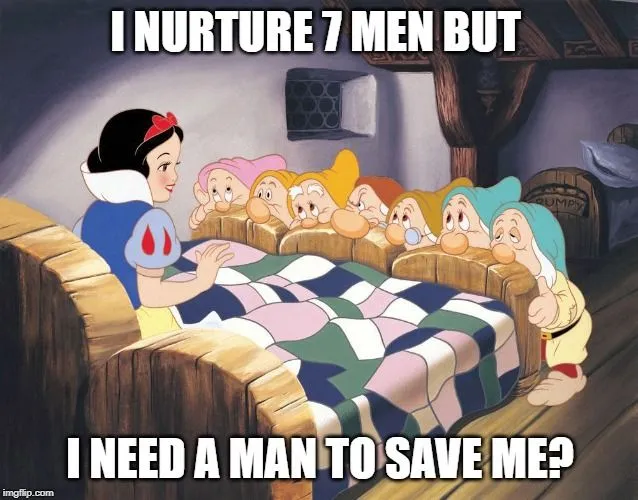
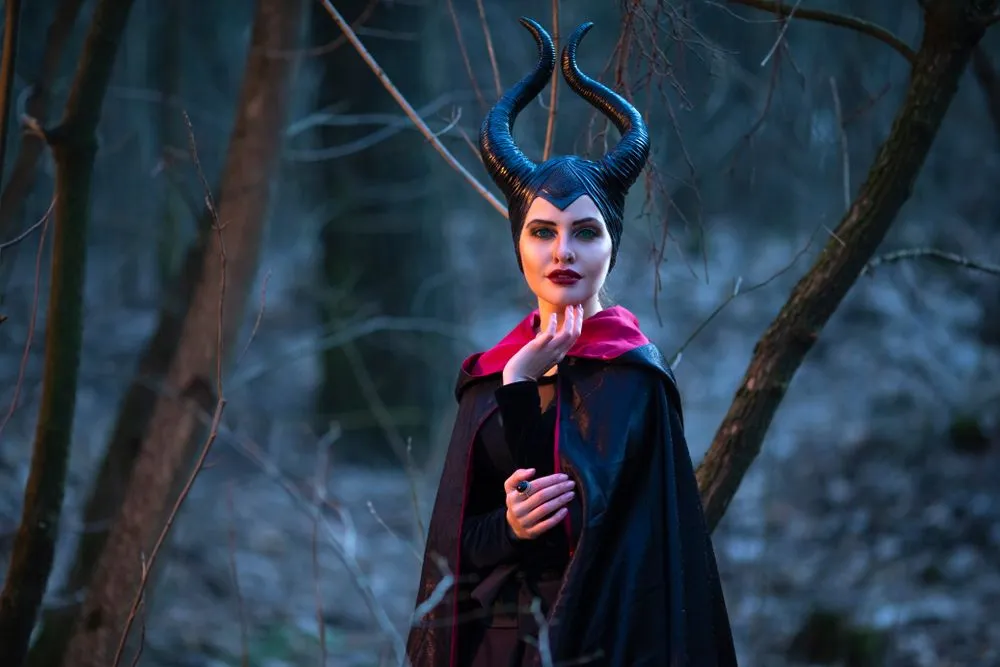
If they were not damsels in distress, then women were portrayed in villainous roles, such as Ursula in The Little Mermaid, Maleficent in Sleeping Beauty, and the wicked stepmother in Cinderella. These demonic roles can be linked to witch-hunting activities in the past.
However, it’s interesting to see the roles of villains changing from purely malicious to being a product of their circumstances, as seen in Maleficent: Mistress of Evil (2019), and its prequel in 2014. This change has made antagonist roles more realistic and relatable, which reflects a paradigm shift in society. It is imperative to remember that media is always a reflection of society, as well as an instrument for change.
What Are Gender Stereotypes?
Gender is a social construct of being a male or female, depending on one’s biological sex. Gender stereotypes refer to the beliefs, attitudes, behaviors and roles attributed to being a male or female in a given society.
For instance, men are ‘supposed’ to be bread-winners, aggressive and ambitious, whereas women are stereotyped as being emotional and passive care-givers. “Don’t fight like a girl” or “Boys don’t cry” are phrases borne out of gender stereotypes.
Representation Of Gender In Media
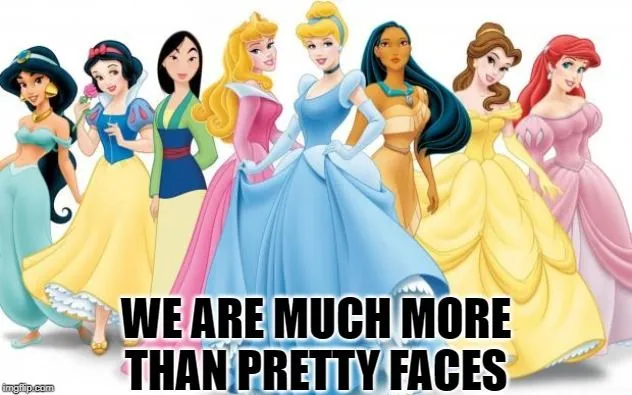
Media is a reflection of society. Common gender stereotypes are thus reflected in media in the form of books, television shows and movies. Women in media tend to have only two images: good and bad.
“Good” women are shown as being pretty, young, deferent, dependent on men and lacking an identity of their own. Disney’s The Little Mermaid is a classic representation of women (literally) dissolving their identity for men. Ariel gives up her identity as a mermaid and takes on a human form to live with her lover. The “bad” women are those female villains portrayed in Disney who thwart other women’s happiness, a role that also serves the patriarchy.
Men are shown in stereotypical roles of aggression, ambition, saving and ruling the world, as repeatedly seen in Marvel Movies. This savior complex in men is also portrayed in the world of Disney, where the kiss from a prince can wake a Sleeping Beauty from her deep slumber. That same movie was remade from the villain Maleficent’s perspective; instead of the prince doing the kissing, the pure love of Maleficent revoked the curse. Again, this shows how our society has begun to shift its perspective when looking at women.
Changes That Have Occurred In Disney Movies
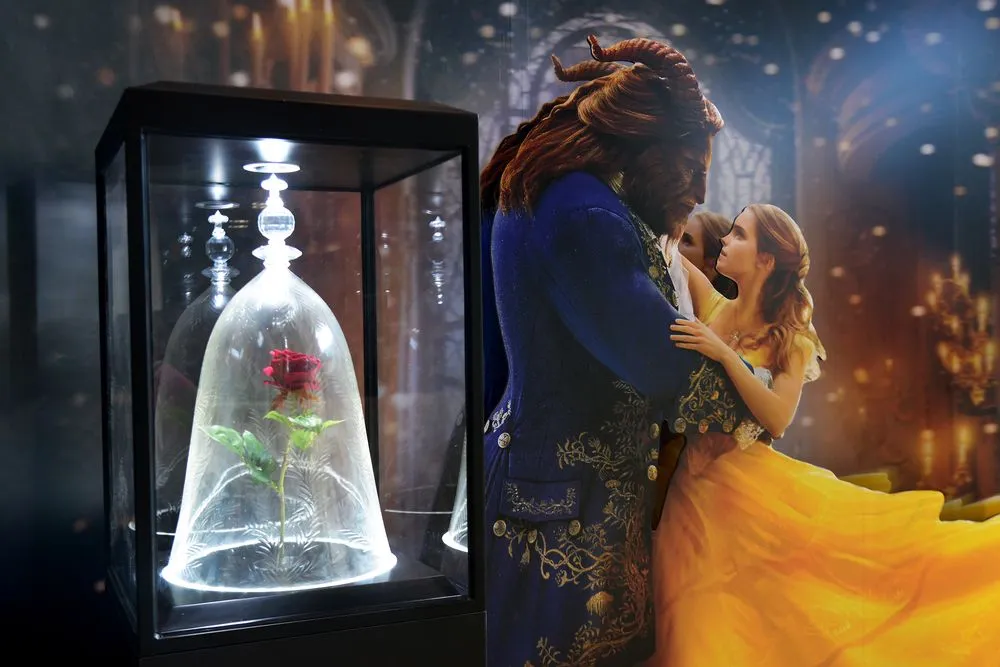
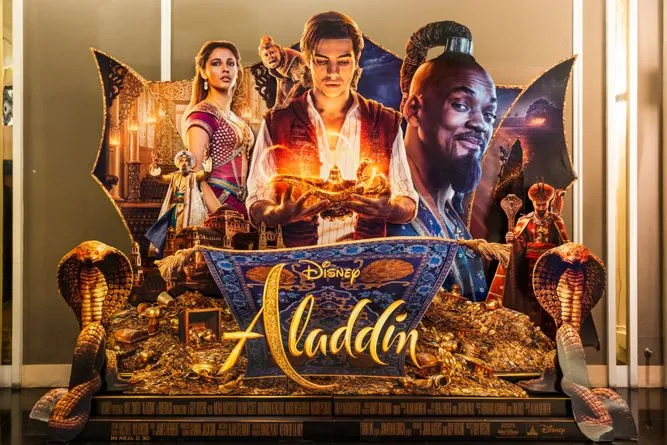
Apart from the stereotypical roles in Disney movies, there is also a shift in the amount of dialogue given to male and female characters. A linguistic study conducted by Carmen Fought and Karen Eisenhauer, who analyzed the Disney movies, concluded that the Disney Renaissance Era (1988-99) was male-dominated. In Beauty and the Beast men spoke 71% of the dialogue, in Pocahontas 76%, and in Aladdin a striking 90%. Even Mulan, ostensibly a film about a woman asserting herself in a man’s world, gave women only 24% of the spoken lines.
However, in later movies like Tangled (2010), female characters spoke 52% of the time, and in the movie Brave (2012), male characters had only 26% of the dialogue. This demonstrates a clear shift in gendered dialogue-delivery frequency.
The Changes In Disney Demonstrated In Two Recent Movies: Brave And Frozen
Brave (2012)
Although it is a “princess movie”, Brave veers sharply away from the typical princess plot of falling in love with a prince and getting married. Merida, a Scottish princess set in 10th-century Highlands clan culture (not, as is sometimes claimed, a Viking princess), refuses to be confined to the stereotypical role of a princess. She is independent, rebellious, and free-spirited. She does not want to be confined to marriage and having children. She wants to form her own identity and does not give in to the pressures of her mother, who simply wants to make her a ‘proper’ princess.
The character of Merida becomes relatable to 21st-century girls who want to be independent and not defined by men, marriage, or children. Like any teenager, she feels misunderstood and learns how to be accountable for her own mistakes. She knows that no stereotypical Prince Charming is coming to save her, and she does not need one anyway.
Frozen (2013 And 2019)
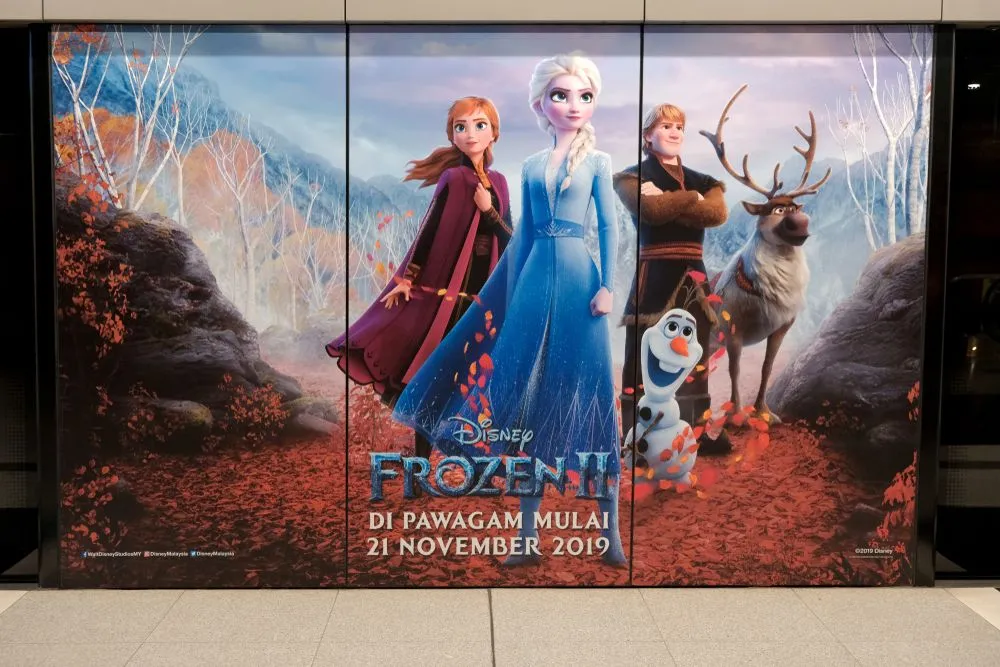
Both Frozen 1 and 2 deal with two strong female leads that Disney introduced for the first time. Anna and Elsa are both princesses. Elsa possesses superpowers and dearly loves her sister Anna. This movie focuses on family and sisterhood. Although it does contain romance elements, that is not the central plot of the movie, which was refreshing for a Disney movie.
Whenever Elsa leaves the kingdom, Anna takes her place and helps her sister avoid any peril. They do not rely on their lovers, but instead save one another every time. The male characters take a backseat in Frozen, allowing women to save the day. The romance in the movies serves as comic relief, rather than being the central plot.
By evaluating Disney’s journey from Snow White to Frozen, Disney has come a long way in terms of overcoming gender stereotypes. This also reflects the journey of our society and the efforts of feminism to remove deeply established gender stereotypes.
Women are not just objects of beauty who need to be rescued. They are just as independent as men. Women have lofty ambitions and wonderful goals in life, and this truth is important to express to the younger generation of both boys and girls. Disney didn’t always do a good job in this arena, but their recent character, plot and dialogue balance shifts suggest they’re moving in the right direction.
Post-Frozen Era: Moana, Raya, Encanto, And Beyond
The trend Anupriya describes here has, if anything, accelerated. Moana (2016) gave Disney its first Polynesian princess, a wayfinder who literally sails out on her own quest. Raya and the Last Dragon (2021) put a Southeast Asian warrior princess at the center of a story with no romantic subplot at all. Encanto (2021) made Mirabel, a non-magical teen, the emotional core of a multigenerational family story, and the film won the Academy Award for Best Animated Feature. Wish (2023) and Moana 2 (2024) continued in the same lane, while the live-action remakes of Mulan (2020) and The Little Mermaid (2023) re-cut classic stories with fewer of the original passive-heroine beats.
It is fair to argue Disney still has plenty of work ahead, particularly in dialogue distribution beyond the main lead. But the arc from Snow White waiting for a kiss to Mirabel arguing with her grandmother about generational trauma is hard to overstate.