Some of the most famous scientists in history are those who have made inventions and discoveries that have saved millions of lives. These include Edward Jenner, who developed the smallpox vaccine; Jonas Salk, who developed the polio vaccine; and Alexander Fleming, who discovered penicillin. Other scientists who have made significant contributions to saving lives include Sir Ronald Ross, who discovered the link between mosquitoes and malaria, and Alan Turing, whose work helped crack the Enigma code during World War II.
The contributions of science towards the overall betterment of our lives can never be ignored or denied. From smartphones to affordable cars, I can’t even begin to list the inventions and discoveries that make our lives so convenient today. However, apart from these, there have also been innovations that either directly or indirectly played a huge role in saving millions of lives over the centuries.
When it comes to listing the inglorious inventions of science, guns and explosives come to the fore very quickly, but rarely do we praise some of the lesser known scientists and innovators that made/discovered things that protected the lives of millions.
In the realm of saving lives, what better way is there to start the list than with a doctor!
Edward Jenner
Often dubbed as the ‘Father of Immunology’, Jenner was a British scientist and physician in the 18th century. He is credited with the invention of a vaccine that could provide immunity to a person against smallpox, a fatal ailment that had already claimed millions and millions of lives.
While medical practitioners were busy finding an antidote for smallpox, Jenner observed that milkmaids, i.e. ladies that milked cows, didn’t contract smallpox for some reason, although everyone else was plagued with the disease. Upon further investigation, he found that milkmaids were infected with a different ailment named cowpox, but also that it was much less lethal than smallpox.
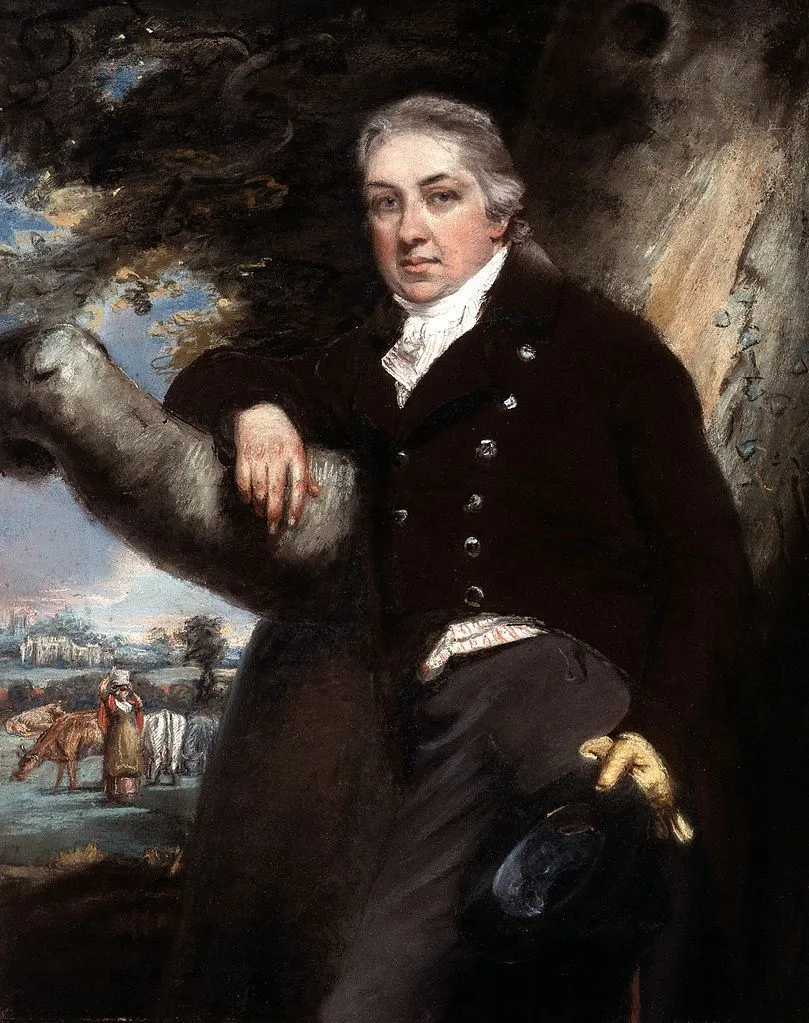
Taking cues from this, he developed a vaccine that infected people with cowpox instead, essentially protecting them against the more severe and harmful smallpox disease.
The smallpox vaccine that was developed is said to be the first vaccine in history. In fact, it’s also said that his work in the field of immunology has saved more lives than the work of any other human on Earth.
Jonas Salk
With polio crippling people, especially children, all over the world in 1950s, this man was the first to discover an antidote to the dreaded disease. Jonas Salk was an American virologist and medical researcher who actively campaigned to make the vaccination mandatory for everyone. He used an inactivated (formalin-killed) poliovirus to successfully create the first effective vaccine (known as the inactivated polio vaccine, IPV, or simply the “killed-virus” vaccine) against polio, which was licensed for use in 1955.
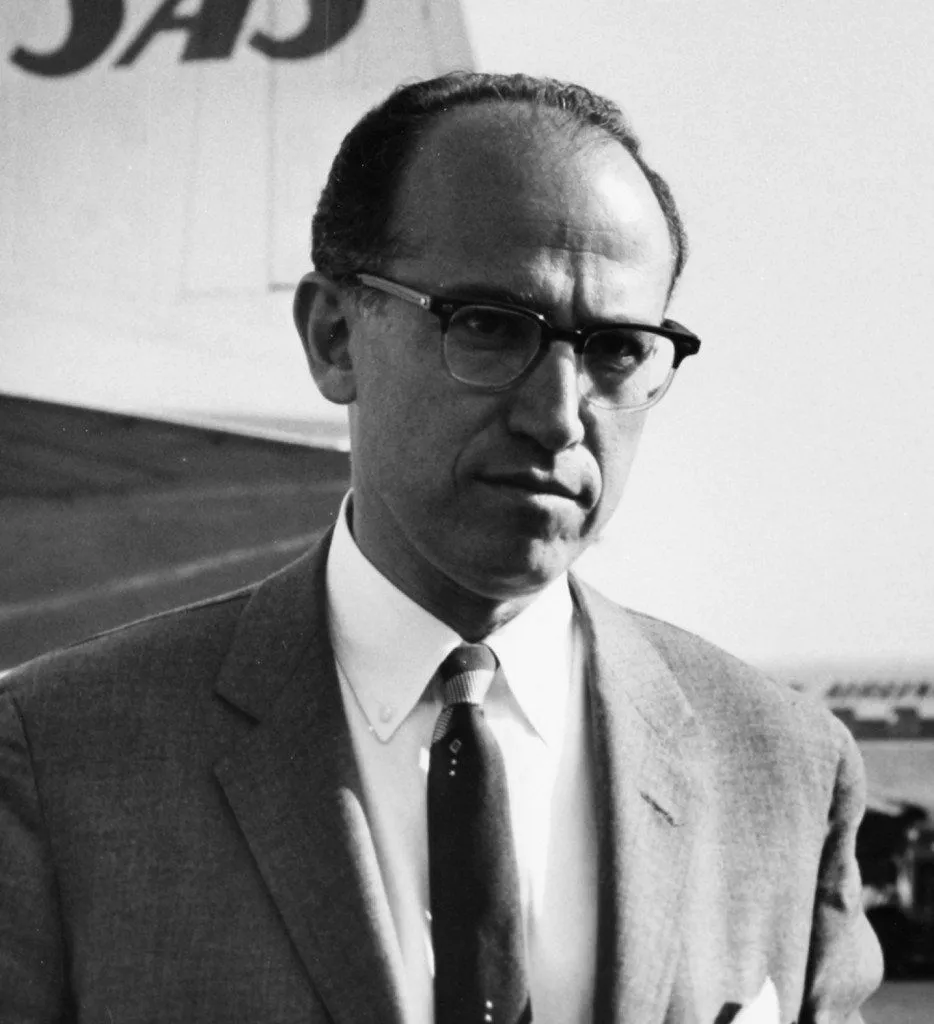
When asked who owned the patent of the vaccine, Salk famously remarked, “There is no patent. Could you patent the sun?” Talk about selfless service to society!
Two years later, however, Albert Sabin made another polio vaccine that used a live, but weakened, form of the virus. His version of the vaccine was equally popular, and was used for mass inoculations of thousands of people. If not for their effective vaccines, millions of people would have succumbed to this disease.
Sir Ronald Ross
A British medical doctor and the first British Nobel laureate (he won the 1902 Nobel Prize in Physiology or Medicine), Sir Ronald Ross is known for his work on the transmission of malaria through mosquitoes. He discovered that a mosquito’s gastrointestinal tract contained the malaria parasite, conclusively establishing the connection between mosquitoes and that dreaded disease.
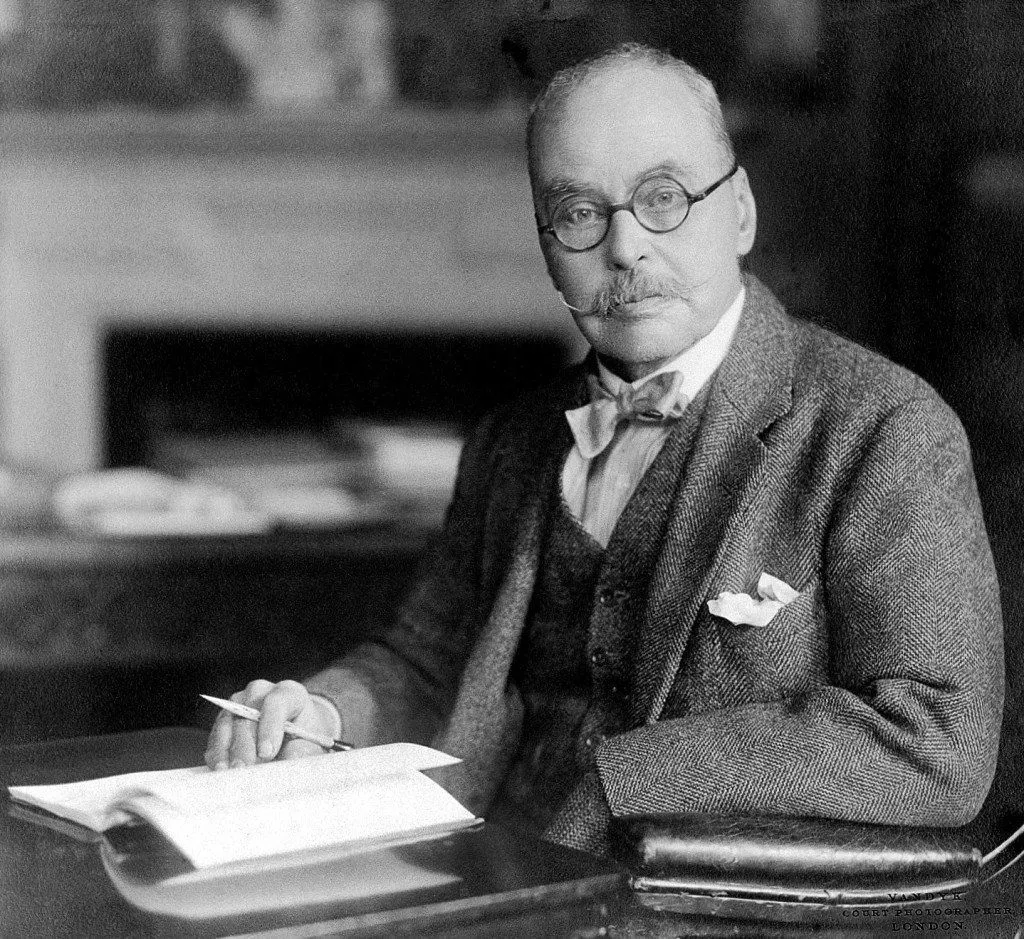
His discovery of the anopheles species of mosquitoes and their tendency to grow in stagnant water not only helped subsequent scientists understand malaria better, but also educated the populace about the basic methods through which the fatal disease could be prevented.
Sir Alexander Fleming
A Scottish physician, microbiologist, and pharmacologist, Sir Alexander Fleming is known for the discovery of the antibiotic substance benzylpenicillin (Penicillin G) from the mold Penicillium notatum (now reclassified as Penicillium rubens), and for the earlier discovery of the antibacterial enzyme lysozyme. Penicillium notatum led to the invention of penicillin – the antibiotic that’s used for countless ailments, including scarlet fever, pneumonia, strep throat, blood poisoning, diphtheria, syphilis, gonorrhea and many more.
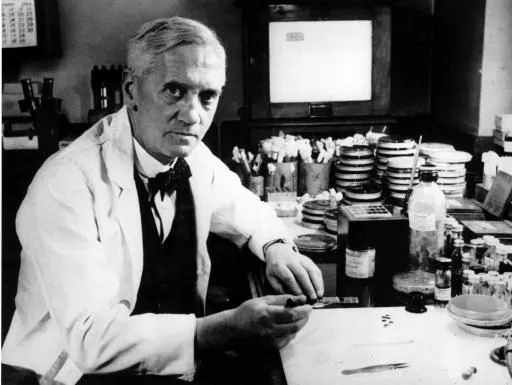
Even more famous is the tale of the accidental discovery that ultimately led to the invention of penicillin. You can read more about that here.
Some of the diseases listed above are amongst the deadliest afflictions we know and they claim thousands of lives to this day. However, thanks to his invention of penicillin, we’ve been able to save more lives than we lost; furthermore, with ongoing developments in medical technology, the antibiotic has become even more effective!
Alan Turing
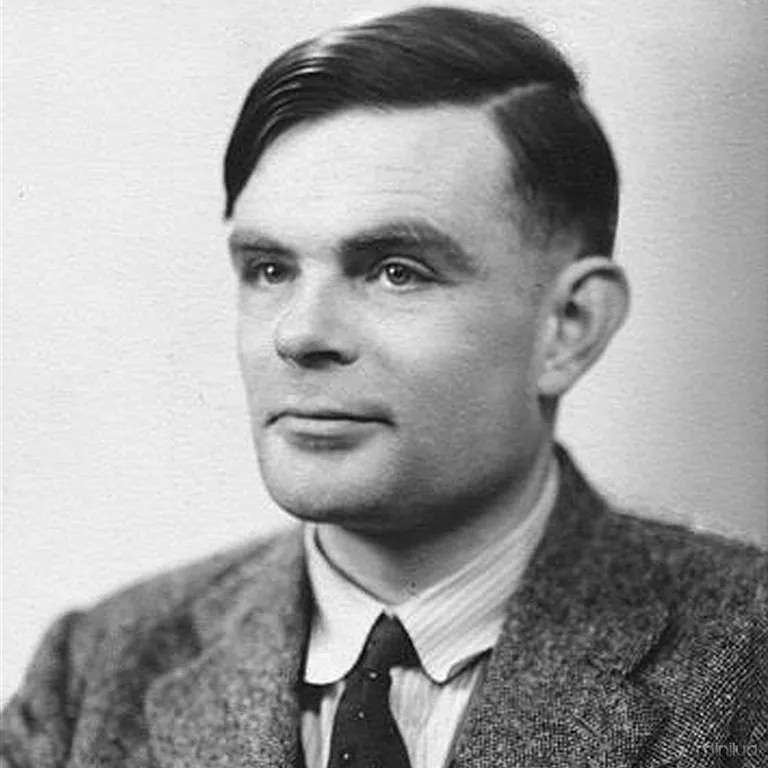
Until now, we’ve only looked at the contributions of scientists and researchers that worked in the domain of health and medicine, but there are also some scientists that saved countless lives through their inventions. Among the countless inventions that directly or indirectly preserved lives, Turing’s Bombe machine deserves a special spot, and therefore, a special mention.
With the second World War raging and the United Kingdom being one of the only countries standing against Nazi Germany’s brutal onslaught in Europe, Alan Turing – a British mathematician and cryptographer – helped crack the Enigma code using his variant of the Bombe machine (which was more effective than the original one developed by the Polish). In case you are unaware, the Nazis used the Enigma code to encrypt the details of highly confidential militaristic operations, so cracking it was probably the single-most important breakthrough in World War II. You can read more about how the Enigma code was cracked here.
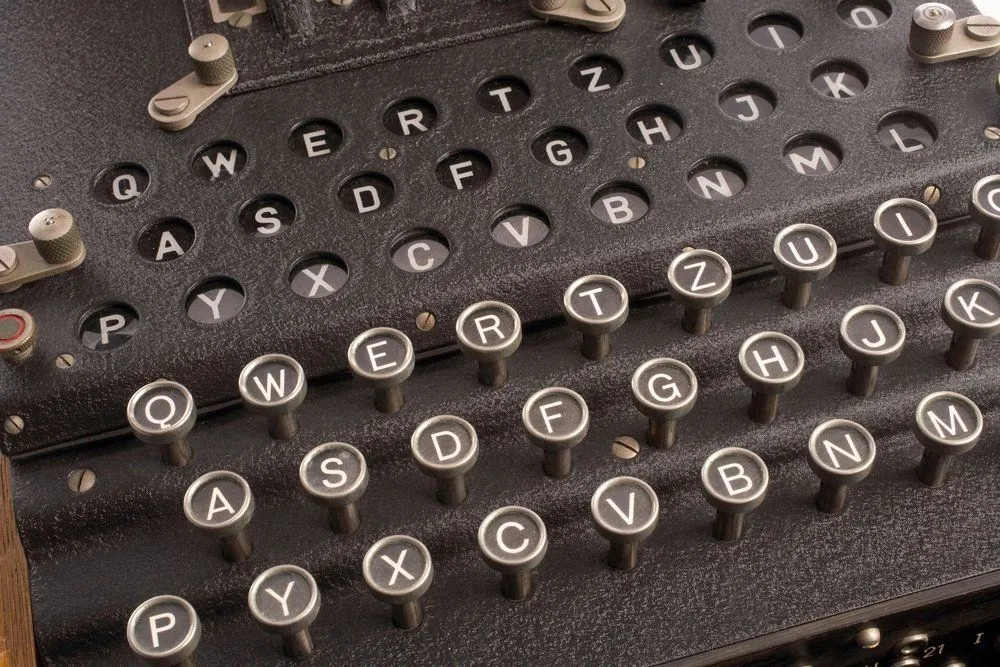
Hundreds of Nazi messages were intercepted by Turing and his team from a secret location in Britain (Bletchley Park), which contributed a great deal towards the Allied victory and saved millions of lives by significantly shortening the war.
Which Scientist Saved the Most Lives?
If the five names above got you wondering who tops the list, you are not alone, because “which scientist saved the most lives?” is one of the most-asked questions on this whole subject. The honest answer is that there is no single winner, since nobody keeps a running scoreboard of prevented deaths. That said, a handful of names come up again and again, and the numbers attached to them are staggering.

The name historians reach for most often is Norman Borlaug, an American agronomist frequently credited with saving over a billion people from starvation. In the mid-20th century he bred semi-dwarf, high-yield, disease-resistant wheat and helped introduce it to Mexico, India and Pakistan, sparking what became known as the Green Revolution, work that earned him the 1970 Nobel Peace Prize. The “billion lives” figure is an estimate rather than a body count (it traces back to a 1997 essay by journalist Gregg Easterbrook), but few dispute that his wheat kept famine at bay for hundreds of millions.
In medicine, the title often goes to Maurice Hilleman, a microbiologist who developed more than 40 vaccines, including eight of the 14 shots routinely recommended in the United States (among them the combined measles, mumps and rubella vaccine). By one estimate his vaccines save close to eight million lives every single year, which is why some researchers describe him as the scientist who saved more lives than any other in the 20th century.
And then there is Karl Landsteiner, who identified the ABO blood groups in 1901 and won the Nobel Prize in 1930. It sounds modest next to a vaccine, but before we knew that blood came in incompatible types, a blood transfusion was often a death sentence. Every safe transfusion since, in every operating room and on every battlefield, rests on his discovery. Throw Edward Jenner back into the mix (smallpox alone killed roughly 300 million people in the 20th century before vaccination wiped it out) and you can see why the “most lives saved” crown is impossible to award cleanly.
What Invention Has Saved the Most Lives?
Shift the question from people to things and the debate gets just as lively. A few inventions keep surfacing as the biggest life-savers of all, and the strongest contender is not a drug or a machine but something most of us never think about: clean water.

The disinfection of drinking water, chlorination above all, is ranked by the U.S. Centers for Disease Control and Prevention as one of the ten greatest public health achievements of the 20th century. Once American cities began routinely disinfecting their water supplies (Jersey City started in 1908), waterborne killers such as typhoid fever and cholera collapsed. Typhoid fever fell from about 100 cases per 100,000 people in the United States in 1900 to roughly 0.1 per 100,000 by 2006, a decline the CDC attributes in large part to the disinfection and treatment of drinking water. Crucially, this happened before either vaccines or antibiotics were widely available, quietly saving millions.
Vaccines are the other heavyweight. The smallpox vaccine alone helped erase a disease that killed around 300 million people in the 20th century, and the World Health Assembly declared the planet free of smallpox in 1980. Add antibiotics such as Fleming’s penicillin, which turned once-lethal infections into routine, treatable ones, and you have two more inventions with a genuine claim to the top spot.
There is also a quieter candidate that almost never gets a mention: synthetic fertilizer. The Haber-Bosch process, which pulls nitrogen out of the air to make ammonia for fertilizer, is estimated to support around half of the world’s population, or roughly 3.5 billion people who might otherwise go unfed. It saves lives not by curing disease but by preventing famine on a scale that is hard to even picture. So which invention wins? Depending on how you count, it is clean water, vaccines, antibiotics or fertilizer, and honestly, we are lucky humanity does not have to choose.
This is just a small list (and in no way inclusive of all great contributors to the world) of a few eminent scientists, predominantly associated with the field of health and medicine, whose works aided protecting human lives or averted enormous disasters that could have claimed thousands of lives. I mean, could you ever record the name of every human being that has saved the life of even one other human being? This reminds me of the famous Hebrew adage (also used in The Schindler’s List): ‘Whoever saves one life, saves the world entire‘.
References (click to expand)
- Edward Jenner - Wikipedia. Wikipedia
- Jonas Salk - Wikipedia. Wikipedia
- Ronald Ross - Wikipedia. Wikipedia
- Alexander Fleming - Wikipedia. Wikipedia
- Alan Turing - Wikipedia. Wikipedia
- Norman Borlaug - Wikipedia
- Maurice Hilleman - Wikipedia
- Karl Landsteiner - Facts. NobelPrize.org
- Commemorating Smallpox Eradication. World Health Organization
- History of Drinking Water Treatment. Centers for Disease Control and Prevention
- How many people does synthetic fertilizer feed? Our World in Data