Yes, newborns are born with roughly 270–300 bones, while an adult has only 206. The "extra" pieces are mostly cartilage and small bony segments that need to stay flexible so the baby can squeeze through the birth canal. As the child grows, those segments harden and gradually fuse together through a process called endochondral ossification, which is why an adult ends up with fewer, larger, stronger bones.
For those of you who don’t know this already, the fact that babies have more bones than adults might come as a big surprise. Your shock is pretty justifiable; if you’ve ever held a baby in your arms, you have probably been amazed at how soft their bodies are. Given that, it seems almost impossible that those small limbs, head, and torso could house more bones than the body of an adult. Adults also tend to feel quite ‘bony’, so this fact is definitely a weird one.
The question is, why do adults tend to have fewer bones than babies? Where do the extra bones go?
How Many Bones Do Babies Have?
Now the question is how many more bones do babies actually have than adults! The answer? Roughly 70–95 bones more. A baby is born with about 270–300 bones (the exact count varies a little from one newborn to the next, depending on how far fusion has already progressed), whereas a grown adult has 206 bones. There is no debate that babies have a significantly higher number of bones than adults. The reason behind this is attributed to cartilage.
Cartilage
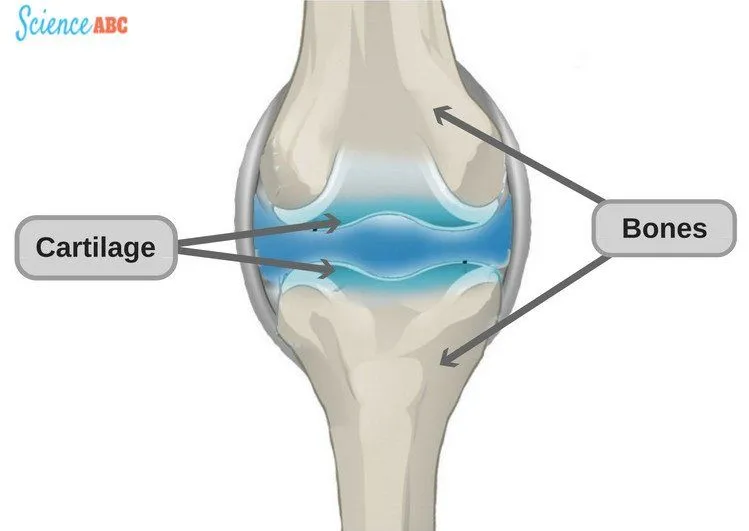
Cartilage is a rubber-like padding that covers and shields the ends of long bones at the joints. It is basically a smooth, elastic tissue that can be readily found in the ears, rib cage, nose and other parts of the body. Cartilage is neither as strong as bone nor as flexible as muscle.
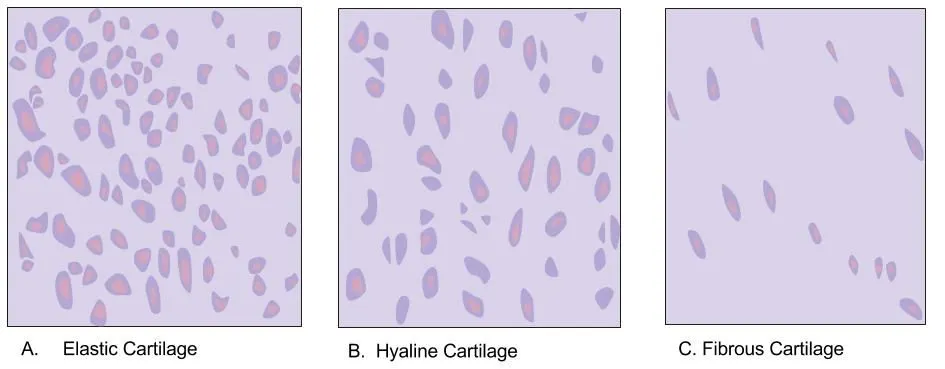
Babies are less bony for a good reason; if they were fully “hardened”, it would make delivery almost impossible. Infants’ bodies need to be extremely soft and limber so that they can be born in the first place!
Ossification, Conversion Of Cartilage Into Bone, Is Why Adults Have Less Bones Than Baby
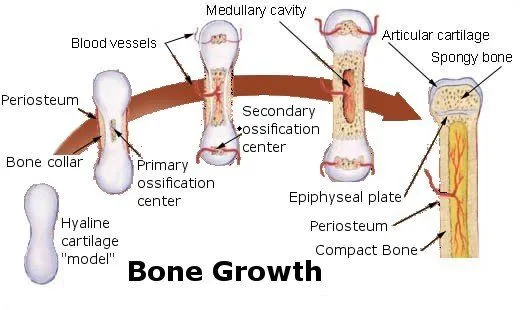
Babies are born with more cartilage (than bone), but it gradually turns into bone over a period of time through a process called endochondral ossification. This is a vital part of the developmental stages of a fetus and leads to the creation of bone tissue in the body. As the baby grows, cartilage is replaced by bone matrices. Here, calcium salts (that babies get from their diet) are laid to form hardened bones. This is the reason why adults have fewer bones than babies because, for babies, many small bony segments fuse together to form a single bone.
There are a number of signs on the body that exemplify why there is such a difference in the number of bones in babies and adults. One good example of this is the ‘soft spot’ on babies’ heads. You have probably been told not to press it, as it might deform the baby’s head or cause internal injuries. However, as the baby grows, that soft spot magically vanishes!
This happens because the different small bone segments fuse together over time to form fewer bones, but they are larger and stronger. A newborn’s cranium, for instance, is built from five major bony plates (two frontal, two parietal and one occipital) held together by flexible seams called sutures, and the soft spots are simply the gaps where those seams meet. As the child grows the plates knit together: the two frontal plates fuse along the midline into a single frontal bone, and the large soft spot at the top of the head (the anterior fontanelle) closes by roughly 13 to 24 months of age.
Which Bones Actually Fuse As You Grow Up?
So where do those 70 to 95 “missing” bones go? They do not vanish; they merge. Several places in the skeleton start out as a cluster of separate pieces and slowly grow into one larger bone. The skull is the clearest example, but it is far from the only one.

Down in your lower back sits the sacrum, the broad triangular bone at the base of the spine. In a young child it is actually five separate sacral vertebrae; these begin fusing around puberty and lock into one solid bone by roughly the age of 25 to 30. Just below it, the coccyx (tailbone) forms from three to five small vertebrae that also fuse together. That is several “extra” childhood bones collapsing into two adult ones.
Your hip tells the same story. Each hip bone (the os coxa) begins as three distinct bones: the ilium, the ischium and the pubis. They meet inside the cup-shaped socket of the hip joint, the acetabulum. The ischium and pubis join first, between about 4 and 8 years of age, and the ilium fuses onto them in the teenage years, so a single adult hip bone is really three childhood bones grown into one.
Long bones such as the thigh’s femur work a little differently. Rather than fusing with their neighbors, they keep a band of cartilage near each end called the epiphyseal plate, or growth plate, where fresh bone is added so the limb can lengthen. Once a person finishes growing, usually in the late teens to early twenties, the growth plate itself ossifies and the ends seal to the shaft. Add up the skull, the spine, the hips and dozens of other fusions, and a newborn’s 270 to 300 bones settle into the familiar adult total of 206.
A Few Interesting Facts About Bones:
- Hyoid, the V-shaped bone situated at the base of the tongue, is the only bone in the body that is not connected to any other bone.
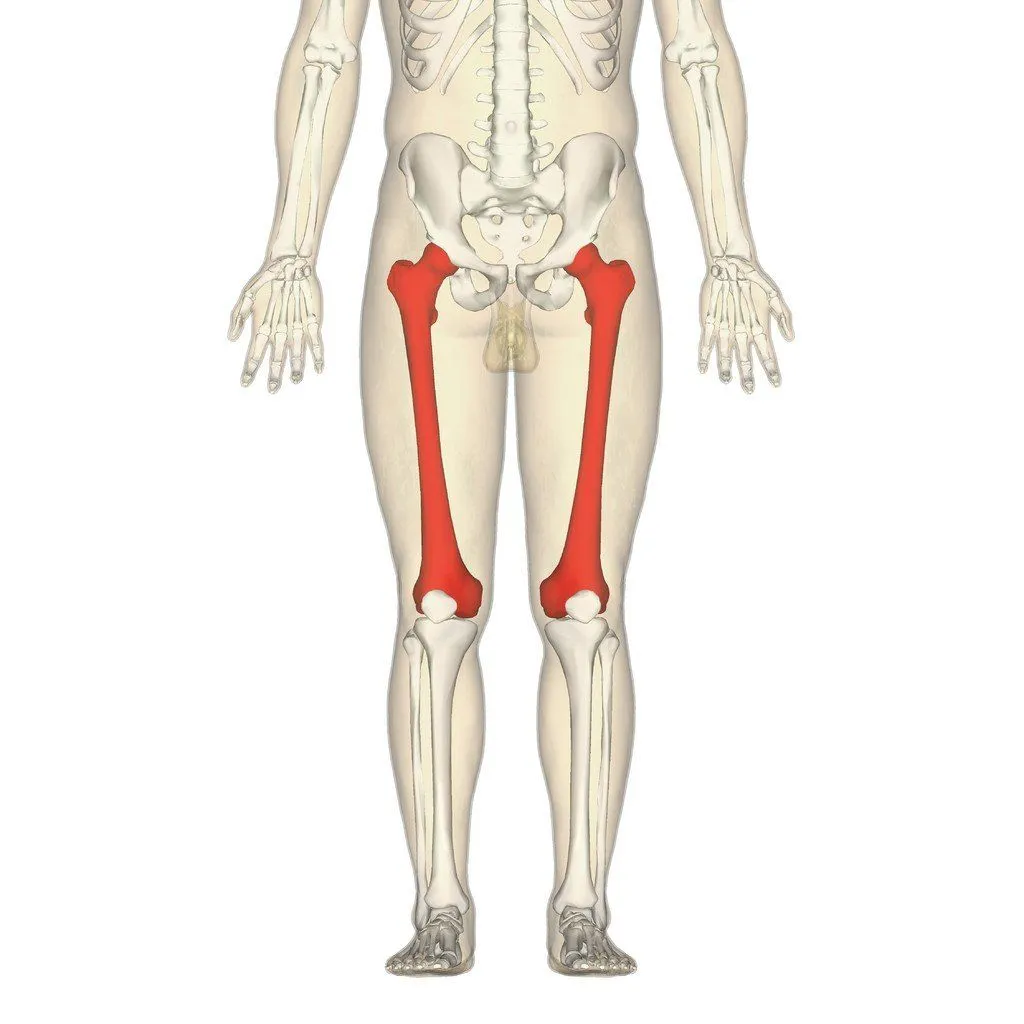
- Femur (located in the upper thigh) is the longest bone, whereas the stapes (located in the ear) is the smallest bone in the human body.
- Although bones stop growing in length during puberty, their strength and density change throughout everyone’s life.
- The most commonly fractured bones in the human body are those in the arms, which account for almost half of all broken bones.
- The skeleton composes one-fifth of an average human’s body mass.
References (click to expand)
- Baker B. J., Dupras T. L.,& Tocheri M. W. (2005). The Osteology of Infants and Children. Texas A&M University Press
- O'Reilly, P., Saviani, M., Tou, A., Tarrant, A., Capra, L., & McCallion, N. (2020, March 11). Do preterm bones still break? Incidence of rib fracture and osteopenia of prematurity in very low birth weight infants. Journal of Paediatrics and Child Health. Wiley.
- How Many Bones Do Babies Have? Cleveland Clinic
- Anatomy, Head and Neck: Fontanelles. StatPearls. NCBI Bookshelf (NIH).
- Anatomy, Back, Sacral Vertebrae. StatPearls. NCBI Bookshelf (NIH).
- Age of Pelvic Bone Fusion. Center for Academic Research and Training in Anthropogeny (CARTA), UC San Diego.