Table of Contents (click to expand)
- What Decides The Shape Of Your Belly Button?
- Are Innie Or Outie Belly Buttons More Common?
- Are Innie And Outie Belly Buttons Genetic?
- Umbilical Hernia And The Shape Of The Belly Button
- Umbilical Granuloma
- Changes In Belly Button Shape During Pregnancy
- What Belly Button Shape Is Considered Most Attractive?
Your belly button is the lifelong scar left where the umbilical cord was attached. Its shape (innie or outie) is decided by how the scar tissue heals in the first few weeks of life, not by how the doctor cuts the cord. Most people end up with innies. Outies are usually just extra scar tissue, sometimes caused by a small umbilical granuloma or a hernia that resolves on its own.
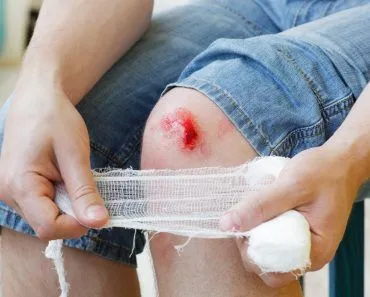
Do you remember the first scar you ever had? Was it when you fell off your bike and scraped your knee? Or were you running too fast and slipped on a wet floor?
However, your very first scar is actually your navel, also known as your belly button. Yes, you read that right! When you were a fetus in your mother’s womb, the nutrition and oxygen you needed were delivered to you through a tube called the umbilical cord, which connected you to your mother’s body.
The umbilical cord also helped to pass deoxygenated blood and waste products back from your body to hers. After you were born, you no longer needed the umbilical cord to get the nutrients and oxygen you required, as you could now do that with your mouth!
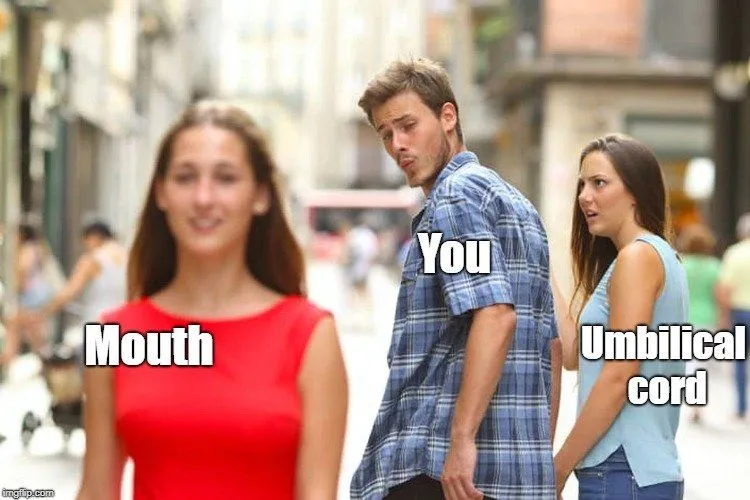
The doctor cuts the cord an inch or two from your body to give your body time to heal and close the point at which the cord is connected to your body. This piece of the cord that remains on your tummy is called a stump. Over the next few days, your body will heal your abdomen by forming scar tissue called your belly button. The stump eventually dries and falls off like a scab falling off a healed wound.
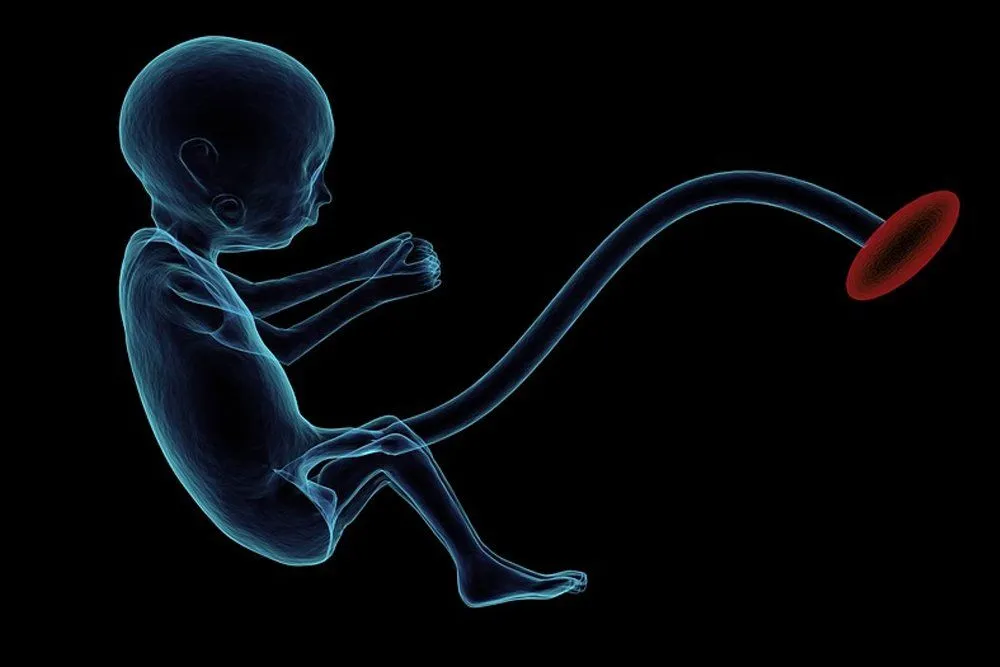
Basically, your belly button is just a scar left over after the umbilical cord has been removed! As this is where the umbilical cord was previously attached, the belly button is also called the ‘umbilicus’.
What Decides The Shape Of Your Belly Button?
Belly buttons come in different shapes and sizes. We usually classify them into two main groups: innies and outies, depending on whether they go inward or stick out. Although getting an innie or an outie is a matter of chance, most people have innies.
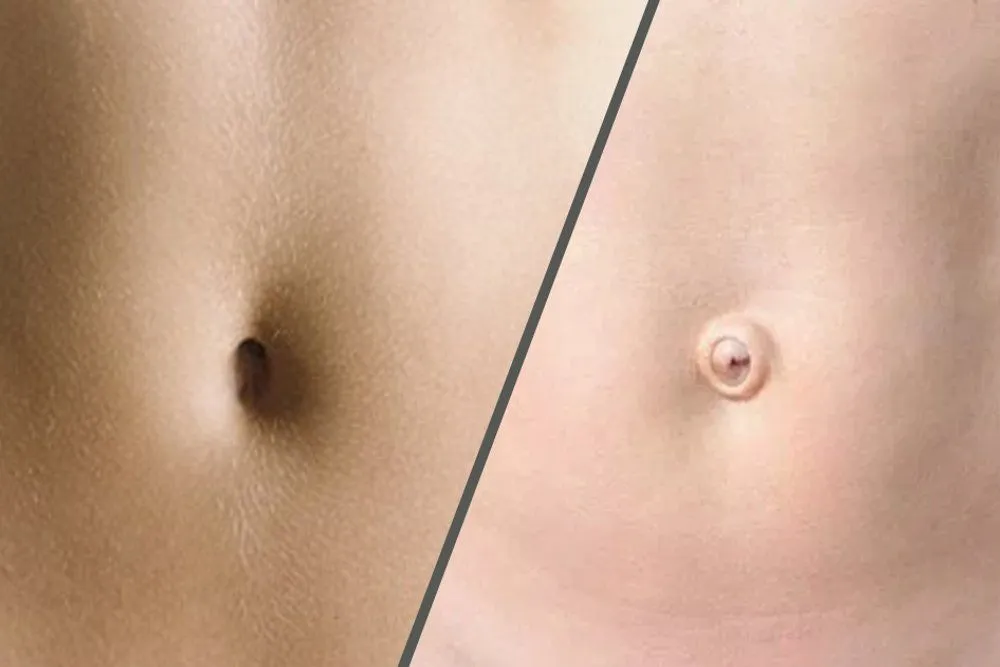
Some people believe that the shape of the navel depends on the way in which or distance at which the cord was cut, but there is no evidence that this is true. The more common view is that the type merely depends on how the scar tissue formed. Outies have extra scar tissue protruding out, as compared to innies, which are more concave.
Sometimes an umbilical hernia or umbilical granuloma can lead to an outie. These conditions may sound scary, but they rarely pose a threat or require no treatment. Let’s take a closer look at these conditions, which can lead to outies in newborns.
Are Innie Or Outie Belly Buttons More Common?
If you have an innie, you are firmly in the majority. The commonly cited estimate, noted by the University of Maryland, Baltimore County, is that only about 10% of people have outies, which leaves roughly 90% of us with innies. So if your navel pokes out, you belong to a fairly exclusive club.

Why are innies so dominant? Remember that an innie is simply the default way the umbilical scar settles once the cord stump dries up and drops off. An outie usually needs a little extra: a touch more leftover scar tissue, or a small umbilical granuloma or hernia nudging the navel outward in the first weeks of life. Those add-ons are the exception rather than the rule, so most of us end up with the tidy, inward-folding belly button.
It is worth clearing up one stubborn myth while we are counting. The shape has nothing to do with how the doctor cut or clamped the cord, so dads and obstetricians can stop taking the blame for the occasional outie. As UMBC puts it, the look of your belly button is not related to where the cord was clamped or cut.
Are Innie And Outie Belly Buttons Genetic?
This is one of the most common questions people ask about their navel, and the honest answer is: not really, at least not the way eye color or hair texture is. Researchers have never pinned down a single "belly button gene" that decides whether you get an innie or an outie. The shape is mostly settled by how your umbilical scar happened to heal in those first few weeks, which is largely down to chance rather than a trait passed straight from parent to child. As we saw earlier, an innie is just the default way the scar folds inward once the cord stump drops off.
Where genetics does sneak in is indirect. If an outie was caused by an umbilical hernia, that hernia can carry a hereditary streak. A large Swedish registry study found that a family history of abdominal wall hernias raises the risk of umbilical hernia, and umbilical hernias also turn up more often alongside certain inherited conditions, such as Down syndrome, Beckwith-Wiedemann syndrome, and Ehlers-Danlos syndrome, according to the StatPearls review on pediatric umbilical hernia. In those cases it is the hernia, not a "belly button shape" gene, that runs in the family. Your built-in tendency to lay down a bit more or a bit less scar tissue may lean on your genes too. But the final innie-or-outie verdict is written by the healing after birth, not by a neat line of inheritance.
Umbilical Hernia And The Shape Of The Belly Button
When the abdominal muscles are not well-developed in premature babies, the intestine tends to push through these muscles and form a bulge near the navel. It can visibly protrude more when the baby cries and strains its muscles. This hernia typically closes within three to four years, so surgeons recommend waiting before any sort of operation.
Umbilical Granuloma
A more common condition is an umbilical granuloma, in which a swollen piece of skin forms in the belly button in the first few days after the umbilical cord is cut. It appears to be a tiny red lump, sometimes covered by a pale yellow or clear discharge; this painless lump eventually hardens and resembles a little ball of skin inside the baby’s navel.
Changes In Belly Button Shape During Pregnancy
Did you know that an innie can change into an outie during pregnancy? In the second or third trimester, the rapidly expanding uterus exerts pressure on the abdomen and pushes the belly button outward. However, the pressure eases after the baby is delivered, and over the next few months, the navel will slowly return to its normal size and protrusion.
The Lint Collector
Despite being such a beautiful scar on our body, the belly button is also home to many bacteria and cloth lint. Outies accumulate less cloth lint. Innies are prone to getting dirty and must be washed regularly with soapy water to maintain good hygiene. However, antibacterial products are not recommended, as they can kill the good bacteria in the navel that protect it from other external germs.

Navel piercing is not recommended as it takes six to nine months for it to heal properly, as opposed to a few weeks needed in other places such as ears and nose. Tight clothing can also irritate the piercing and may hinder the healing process. The navel, if not healed properly, may become prone to infections.
What Belly Button Shape Is Considered Most Attractive?
Plastic surgeons actually had to answer this question, because rebuilding a natural-looking navel is part of operations like a tummy tuck. In a now well-known study, In Search of the Ideal Female Umbilicus, published in Plastic and Reconstructive Surgery in 2000, researchers at the University of Missouri showed photographs of 147 women’s navels to a panel of judges and asked them to rate the looks.

The winners were strikingly consistent. The navels that scored highest were small, vertically oriented or T-shaped, with a slight "superior hood", a small flap of skin overhanging the top. Anything that stuck out, sat horizontally, or looked large or distorted scored lower. In other words, the panel’s favorite was a neat innie, not an outie.
It is worth keeping this in perspective. Beauty standards shift with culture and fashion, and your navel is, at heart, a healed scar that did its life-saving job long before you were born. The study is really a guide for reconstructive surgeons, not a verdict on whether your belly button is "good enough." After all, your navel is just a scar, and if you are curious about how the body mends itself, our piece on whether different parts of the body heal at different rates is a good next stop.
References (click to expand)
- What causes an innie or outie bellybutton?. The Pennsylvania State University
- How did doctors create my belly button?. West Texas A&M University
- Umbilical Hernia - Children's Hospital of Philadelphia. chop.edu
- Innies, Outies and Omphalophobia: 7 Navel-gazing Questions About Belly Buttons Answered. University of Maryland, Baltimore County
- Pediatric Umbilical Hernia. StatPearls. NCBI Bookshelf
- Shared and nonshared familial susceptibility to abdominal wall hernia. Journal of the American College of Surgeons (2013). PubMed
- In Search of the Ideal Female Umbilicus. Plastic and Reconstructive Surgery (2000). PubMed