Table of Contents (click to expand)
The sudden sensation of “dropping” in your stomach experienced during moments of anxiety results from a combination of decreased blood supply to the digestive system, altered gastric motility, and heightened visceral awareness (all components of the fight-or-flight response). This highlights how closely your brain and gut work together, emphasizing the strong connection between emotions and physiology, an even tighter bond than we realized!
You’ve likely experienced the sudden, sinking sensation in your stomach when fear or anxiety suddenly takes hold. It’s a visceral reaction, almost as if your stomach has decided to free fall towards your feet. But what triggers this peculiar response, and why does your stomach seem to plummet when anxiety sets in?
It turns out that this unsettling feeling isn’t merely a product of your imagination, but has a clear physiological basis, directly reflecting the intricate connection between the brain and the gut.
The connection between the brain and gut allows them to exert a direct impact on each other. Consequently, the butterflies that flutter in your stomach when your crush walks in, the nausea provoked by unpleasant thoughts, or the gut-wrenching feeling in certain uncomfortable situations all stem from the signals your brain sends to your gut. The infamous stomach “drop” due to anxiety falls into this same category.
Let’s delve deeper into this connection between our stomach and our head.
The connection between the brain and gut
Within our bodies, the gastrointestinal tract harbors an intricate nervous system known as the enteric nervous system or ENS. Comprising nearly 600 million neurons, this system is a vital component of the autonomic nervous system, alongside the sympathetic and parasympathetic nervous systems.
The ENS extends from the esophagus (food pipe) to the rectum and operates independently of the central nervous system, which includes the brain and spinal cord. Despite this autonomy, a dynamic two-way communication link exists between the enteric and central nervous systems, giving rise to what we call the gut-brain axis.
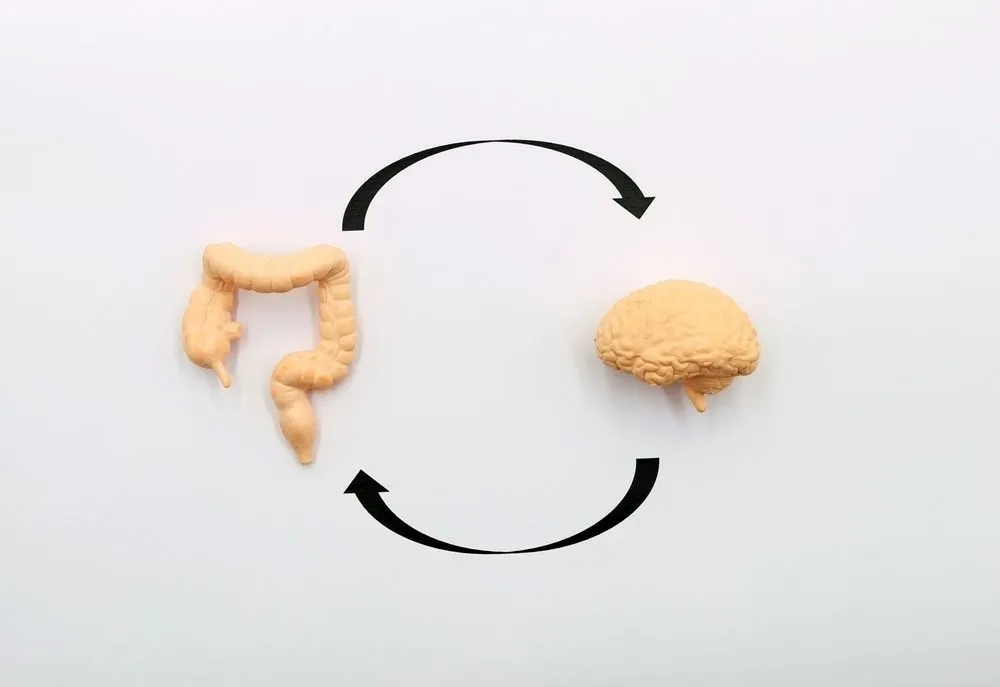
With the cross-talk between the brain and the gut, your emotions affect your stomach and vice versa.
This interplay manifests in various bodily sensations, from butterflies in the stomach to the sense of your stomach dropping in moments of anxiety.
Fight-or-flight response
Under normal, non-threatening circumstances, the neurons of the ENS, upon sensing food, signal the muscles in the digestive tract to contract and help digest the food.
However, when you’re anxious or stressed, a distinct physiological response is initiated, launching the fight-or-flight response.
The initiation of the fight-or-flight response unfolds in two phases: the initial “quick” response, marked by the release of adrenaline to deal with immediate danger, and the subsequent “slow” response, wherein cortisol takes center stage.
The release and impact of these hormones play a pivotal role in illustrating how the gut-brain axis mediates the stomach-dropping sensation.
As your brain senses distress, it dispatches a message through the hypothalamus to the adrenal glands. These glands respond by releasing epinephrine, commonly known as adrenaline, into the bloodstream.
Adrenaline induces several physiological changes, including an increase in heart rate, elevation of the blood pressure, and constriction of blood vessels, thereby changing blood flow to different organs.
Change in blood flow causes the “drop” sensation
As a part of the fight-or-flight response, the body suppresses digestion and strategically reroutes its resources to other organs. This redirection prepares the body to respond swiftly and effectively in the presence of a perceived threat. The vital supply of blood to the digestive tract is diverted toward organs like the brain and muscles, which are recognized as essential for survival.
Simultaneously, the impact of adrenaline causes the bronchioles to dilate, allowing for increased oxygen intake. This ensures a continuous supply to the brain, enhancing alertness.
When the body continues to sense danger, the second phase of the stress response is triggered. This phase involves the release of corticotrophin-releasing hormone (CRH), which prompts the release of cortisol from the adrenal glands. Once cortisol enters the bloodstream, it also contributes to the reduction of blood supply to the digestive system. Additionally, it directs more blood toward vital organs like the brain, heart and muscles.
The brain perceives this change in blood supply, combined with the sudden slowing of gastric motility, as a feeling of emptiness. Additionally, the withdrawal of parasympathetic (vagal) tone and heightened visceral awareness (a phenomenon known as interoception) amplify the sensation. Together, these changes produce the feeling that your stomach has “dropped”.
In addition to these hormones, certain neurotransmitters, such as serotonin, also influence the gut-brain axis and may play a role in the mediation of physical responses elicited due to stress.
The role played by neurotransmitters
Serotonin is a crucial neurotransmitter that wields a considerable influence on gut motility. Fluctuations in gut motility, in turn, can give rise to tangible sensations similar to the fluttery or dropping feeling in the stomach. Interestingly, an impressive 95% of the body’s serotonin is synthesized within the gut itself.
The elevation of cortisol levels in response to emotional distress and anxiety exerts influence on the activity of muscles in the digestive system. This heightened cortisol presence may contribute to inflammation, disrupting the delicate balance of the gut microbiome. The resulting imbalance, in turn, can impact the release of serotonin, thereby inducing alterations in gut motility.
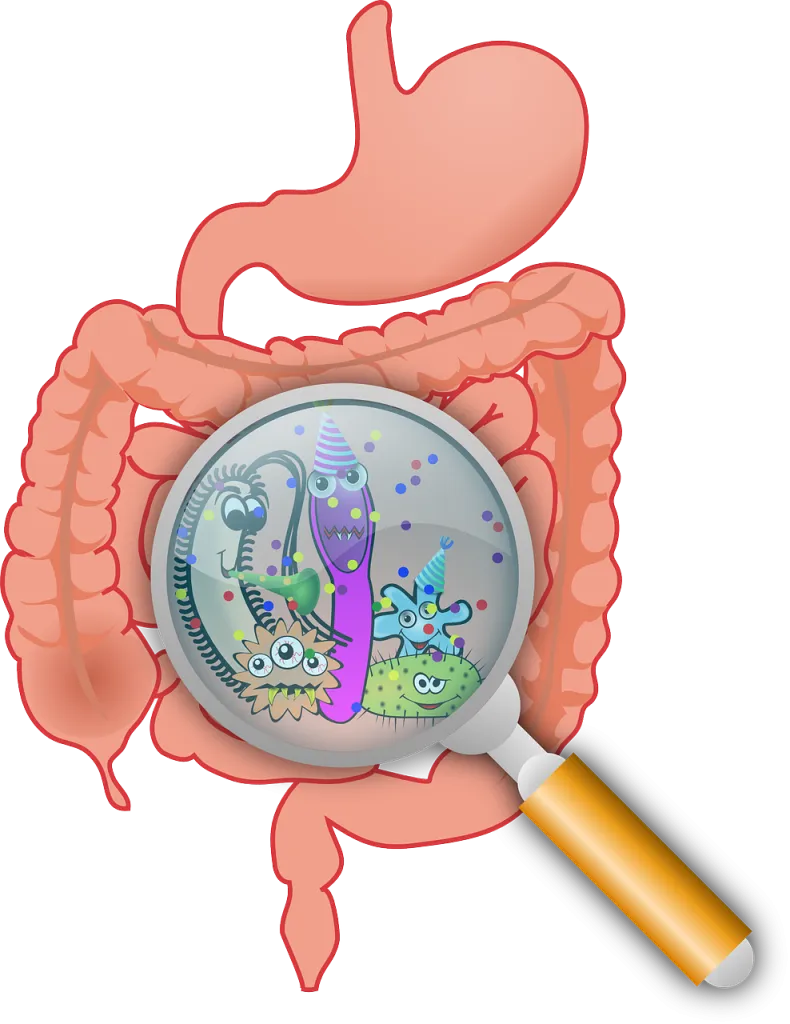
Serotonin also impacts mood and emotions when produced in the brain. However, it's important to note that the serotonin produced in the gut cannot cross the blood-brain barrier, so it primarily affects gut motility and visceral sensation rather than mood directly. Nonetheless, disruptions in gut serotonin signaling can alter motility patterns and visceral sensitivity, contributing to the physical sensations of anxiety felt in the stomach.
Why does your stomach drop for no reason?
Sometimes the floor seems to fall out of your stomach when nothing has actually happened. There’s no near-miss in traffic, no bad news, no looming deadline, yet the sinking sensation arrives all the same. So what sets it off when there’s no obvious trigger?

The short answer is that your brain doesn’t need an external emergency to sound the alarm. The threat-detection circuitry humming quietly in the background can be tripped by an intrusive thought, a half-noticed worry, a stray memory, or simply a baseline level of unease you’re carrying that day. Any of these can nudge the hypothalamus into the same adrenaline-and-cortisol cascade described above, and your gut reacts before your conscious mind has registered a reason. In people with generalized anxiety, the worry can be persistent and free-floating, latching onto nothing in particular, which is why the body’s stress signals (and the somatic sensations that ride along with them) can surface seemingly out of the blue.
For the most part, an occasional stomach drop with no clear cause is harmless and settles on its own. It becomes worth a closer look when it stops being occasional. If the feeling is frequent, lingers for long stretches, or comes paired with persistent nausea, dizziness, cramps, or changes in your bowel habits, it’s worth checking in with a physician, since chronic stress is linked to conditions like irritable bowel syndrome (IBS). Likewise, if the underlying anxiety is constant and begins interfering with your sleep, work, or daily life, that may point to an anxiety disorder, which is both common and very treatable with approaches like cognitive behavioral therapy. Lasting symptoms are worth taking seriously rather than simply waiting them out.
How do you stop the stomach drop feeling?
For the everyday, anxiety-driven version of this sensation, the reassuring news is that it fades on its own. Once your brain decides the danger has passed, the parasympathetic “rest and digest” branch of your nervous system takes back over, blood flow returns to the digestive tract, and the hollow feeling lifts. You can hurry that handover along by deliberately switching the parasympathetic system on yourself.
The most dependable lever is your breath. Slow, measured breathing at around six breaths per minute, with the exhale drawn out longer than the inhale, has been shown to raise vagal tone and heart rate variability while easing anxiety and arousal. Breathing low into your belly (diaphragmatic breathing) instead of high into your chest stimulates the vagus nerve and tips you toward that calmer parasympathetic state. In effect, you’re using your breath to manually undo the adrenaline-driven changes that produced the drop in the first place.

A second lever is how you read the sensation itself. Because the stomach drop is amplified by interoception, your heightened awareness of what is happening inside your body, simply naming it (“this is just my fight-or-flight response, and it is harmless”) can take some of the edge off. Grounding techniques, such as slowly noting what you can see, hear, and feel around you, pull your attention outward and interrupt the worry loop that feeds the response.
Over the longer term, habits that build a calmer baseline, including regular sleep, physical activity, and a routine relaxation practice, make the stress response less quick to fire, so the floor drops out from under you a little less often.
The intricate connection between psychology and physiology
To sum it up, the stomach drop you feel in moments of anxiety vividly illustrates how intricately emotions can affect physiology. Although the sensation can seem unpleasant, it is mostly harmless, and it usually eases as soon as your body realizes there was never any real danger.
Recent research has also revealed that the gut microbiome itself may influence anxiety levels, with studies showing that specific gut bacteria can modulate anxiety-related behavior through the vagus nerve and microbial metabolites like short-chain fatty acids. So the next time your stomach lurches before a big moment, you’ll know it’s simply your brain and gut in close conversation, two organs far more tightly connected than they seem.
References (click to expand)
- Fleming, M. A., Ehsan, L., Moore, S. R., & Levin, D. E. (2020, September 8). The Enteric Nervous System and Its Emerging Role as a Therapeutic Target. Gastroenterology Research and Practice. Hindawi Limited.
- Rao, M., & Gershon, M. D. (2016, July 20). The bowel and beyond: the enteric nervous system in neurological disorders. Nature Reviews Gastroenterology & Hepatology. Springer Science and Business Media LLC.
- The gut-brain axis: interactions between enteric microbiota, ....
- Physiology, Stress Reaction - StatPearls.
- Stress and the Digestive System.
- Understanding the stress response.
- Go with your Gut: Increase Serotonin by Improving Gut Health.
- Zaccaro, A., Piarulli, A., Laurino, M., et al. (2018). How Breath-Control Can Change Your Life: A Systematic Review on Psycho-Physiological Correlates of Slow Breathing. Frontiers in Human Neuroscience.
- Myerholtz, L. (2023). Take a Deep Breath. Family Medicine.
- Generalized Anxiety Disorder - StatPearls. NCBI Bookshelf.