The MRI scanner’s superconducting magnet is on 24/7, even when the machine isn’t scanning. Any ferromagnetic object brought near it becomes a powerful projectile: jewelry, hairpins, even a steel oxygen cylinder, all of which can be flung into the bore at high speed. The 2001 death of 6-year-old Michael Colombini, killed by a wayward oxygen tank, is the textbook example of why screening is so strict.
In the past, when access to advanced technological equipment was not so readily available to people, it was often a challenging task for a physician to pin-point the source of an ailment or disease in their patients. However, since the advent of X-ray, ECG, and MRI scans, it has become far easier for doctors to diagnose a patient’s problem and subsequently prescribe the appropriate treatment.
One of the most incredible medical techniques used to diagnose diseases is an MRI scan. You’ve probably heard the acronym before, and perhaps have even undergone the scan yourself, but do you know what it actually does? And on a related note, why do you have to remove all the metal objects in your possession before you lay down for an MRI scan?
What Is An MRI Scan?
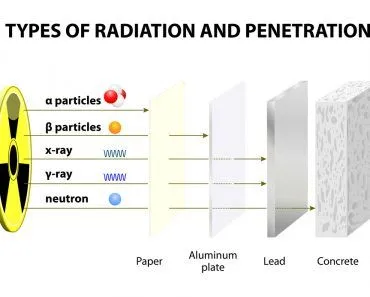
MRI (Magnetic Resonance Imaging) is a process through which highly detailed images of the body’s various organs and tissues are obtained, all without the use of X-rays (or ionizing radiation). This is because MRI machines employ a very powerful magnetic field and produce radio waves that help to create high-quality images of the body. These impressively clear images can subsequently be used to determine whether there is an injury or the presence of an unwanted growth.
How MRI Machines Work
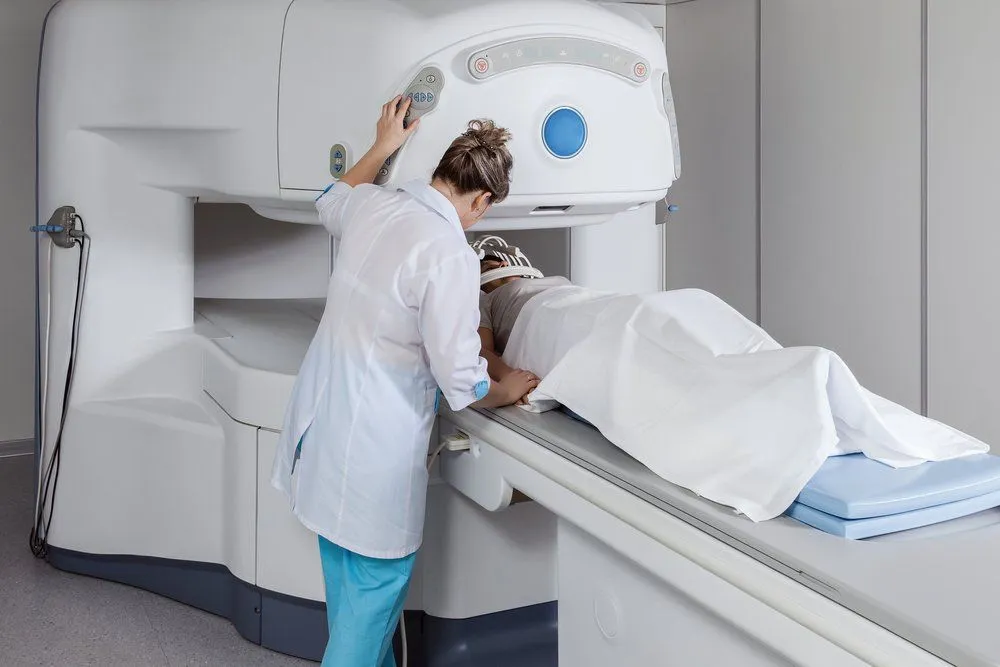
An MRI scan is conducted with the help of an MRI machine. It is typically a large donut-shaped machine that’s open on either end.
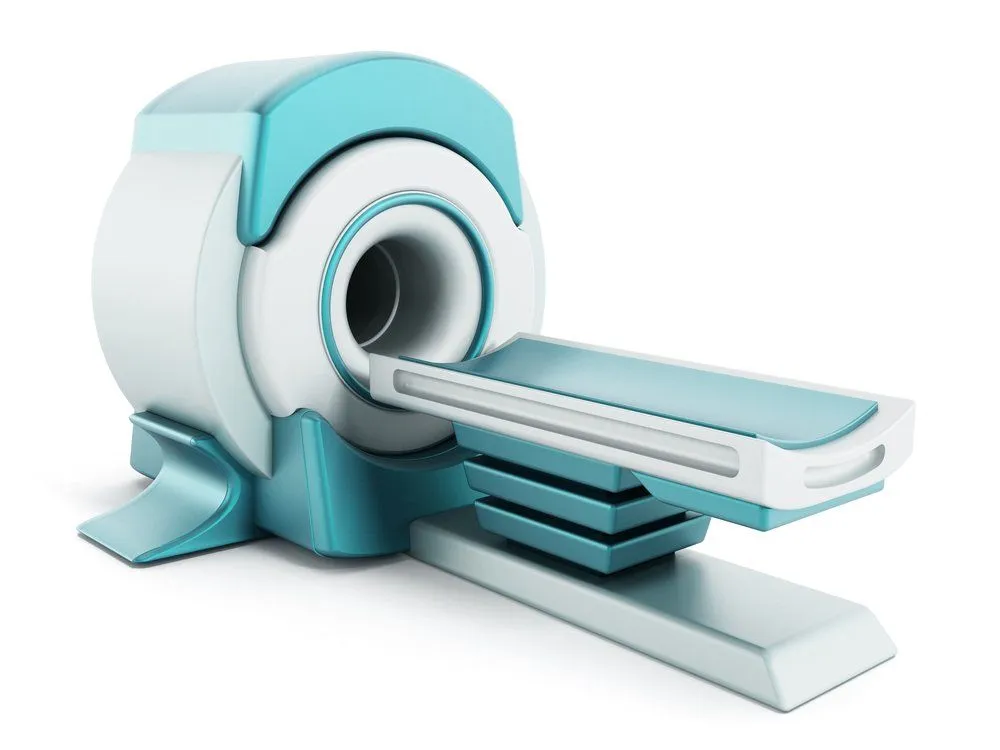
The patient (in a supine position) is moved into the machine through one of the ends. The powerful magnetic field present inside the machine aligns the protons (present in every tissue of the human body), radio waves cause these protons to produce electrical signals that are picked up by a receiver in the machine, and they are ultimately processed into high-quality images of the tissues.
Why Do Metallic Objects Pose Such A Serious Threat?
The most important part of the entire MRI machine is the high-powered magnet, which does most of the work. The most common magnets used today are somewhere in the order 0.5 Tesla to 3.0 Tesla (Tesla is the unit of measure for magnetic field density; 1 Tesla=10,000 Gauss). To help you understand how powerful a magnetic field that is, consider the fact that Earth’s magnetic field only ranges between 0.25 to 0.65 Gauss.
Due to the sheer power that the MRI magnet wields, it becomes extremely crucial to take the utmost caution in the MRI scan room.
Metallic Objects Can Get Magnetized

Metallic objects, in the presence of a strong magnetic field, become magnetized themselves. This is because ferromagnetic materials (materials that have a high susceptibility to magnetization) easily accept an induced magnetic field. When you enter the scan room with an active MRI machine wearing, say, a pair of earrings, then the earrings will instantly become magnetized and will try to align/orient itself with respect to the wildly powerful MRI magnet. This is precisely what you want to avoid.
Metallic things can be pulled towards the magnet with such great force that the metal can crack open or rip through weak, soft surfaces. When it comes to a metallic object being pulled towards a powerful magnet, human skin is extremely soft and thus very easy to wound. Imagine having an earring ripped out of your ear in a split-second! That would not be a good day at the doctor’s office…

For that reason, strict measures are put in place to ensure that there are no metallic objects in the vicinity of the machine when it’s switched on. In other words, don’t get annoyed if you’re asked to remove your wedding ring before entering the MRI scan room; it’s for your own good!
Is The MRI Magnet Always On?
This catches almost everyone by surprise: yes, it really is. The huge main magnet inside a modern MRI scanner is a superconducting magnet, made of niobium-titanium coils bathed in liquid helium at about 4 Kelvin (−269 °C, or −452 °F). Once the coils are cooled and an electric current is started in them, they keep that current flowing essentially forever, with no power input, because at superconducting temperatures the wire has zero electrical resistance. The magnetic field is on 24 hours a day, 7 days a week, whether or not anyone is in the room and whether or not the scanner is acquiring an image.
There is a way to switch it off, called a quench, but it is the nuclear option: the helium is dumped (rapidly boiled to gas and vented out of the building), and the magnet loses its superconductivity. A quench costs the hospital tens of thousands of dollars in helium and downtime, and it is only performed in genuine emergencies, for instance when someone has actually been pinned to the scanner by a stuck ferromagnetic object. The much more sensible plan is to keep dangerous objects out of the room in the first place.
What About Metal That’s Already Inside Your Body?
This is the worry every MRI screening form asks about. The answer depends entirely on what the metal is and where it is. Implants and devices are now categorized using a standard ASTM labeling system:
- MR Safe (green square): nothing magnetic, no conductive metal. Safe in any MRI environment. Plastics, most ceramics, and high-purity titanium hardware usually fall here.
- MR Conditional (yellow triangle): safe only if specific conditions are met (a field strength limit, a maximum imaging time, a cooldown period). Most modern joint replacements, dental implants, and many newer pacemakers are MR Conditional.
- MR Unsafe (red circle with bar): contains ferromagnetic material that can move, heat up, or malfunction inside the scanner. Old aneurysm clips, certain inner-ear implants, retained metal shrapnel near critical structures, and some older pacemakers are all in this category.
The everyday rules of thumb: surgical-grade titanium hardware (think hip and knee replacements, dental posts) is generally fine, because titanium is essentially non-magnetic. Tattoo ink contains tiny amounts of iron oxide and very occasionally causes a warm or tingling sensation during a scan, but actual burns are rare. Permanent makeup (eyeliner) deserves a mention to the technologist for the same reason. And anything with electronics inside, pacemakers, cochlear implants, deep-brain stimulators, neuromodulators, must be cleared individually before any scan.
That is why the MRI screening questionnaire is so long, and why technologists ask you the same questions twice. They are not being annoying. They are trying to avoid the very rare but very bad scenario where the magnet finds something inside you that you forgot you had.
References (click to expand)
- Magnetic Resonance Imaging (MRI). National Institute of Biomedical Imaging and Bioengineering (NIBIB), NIH.
- MRI Benefits and Risks. U.S. Food & Drug Administration.
- Magnetic Resonance Imaging (MRI) Safety. RadiologyInfo.org (American College of Radiology & Radiological Society of North America).
- ACR Manual on MR Safety. American College of Radiology.
- Did the MRI community learn from the Colombini tragedy? AuntMinnie / Imaging Wire.
- Magnetic resonance imaging (overview). Wikipedia (supplementary reference).