Table of Contents (click to expand)
- iPhone And The Advent Of Phones With Non-removable Battery
- Prioritizing Other Features
- Premium Design
- Water Resistance
- Making Room For Other Features
- Supporting Different Battery Shapes
- So What Are The Downsides For You?
- Can You Replace A Non-removable Battery?
- Which Phones Still Have Removable Batteries?
- Will Removable Batteries Make A Comeback? The EU’s 2027 Rule
Smartphones switched to sealed, non-removable batteries to enable slimmer premium metal-and-glass bodies, proper water and dust resistance, and oddly shaped cells (like the iPhone's L-shaped pack) that squeeze more capacity into tight spaces. The trade-off is harder repairs, which is why a 2027 EU law will force user-replaceable batteries on phones sold in Europe.
Apple, the behemoth of the smartphone industry, has rarely apologized for its tech blunders. And surprisingly, when it did apologize in December 2017 for its infamous ‘battery throttling’, the apology resulted in more furor than mollification. After drawing a lot of anger from the users on social media, especially Reddit, Apple had to accept that it had messed up in communicating to consumers that it had purposely slowed down older iPhones with aging batteries.
Given that the company atoned for this peccadillo by dropping the price of an out-of-warranty battery replacement to $29 (down from $79) to recover the phone’s performance, most people forgave the company’s indiscretion. However, there are still some people who vehemently criticize the tech giant for not doing enough for its users (despite charging heavy premiums for iPhones), such as designing an iPhone with a removable battery, for example.

Well, the idea does sound pretty good. You would certainly relate to this idea more if you used a mobile phone with a removable battery back in the late 2000s or early 2010s. A removable battery meant that you could have an extra backup battery, just in case you ran out of charge and didn’t have time or the ability to charge your phone. Popular throughout the 90s and 2000s, why have removable battery designs fallen out of favor?
Before we get into the technical side of why manufacturers are so reluctant to bring back smartphones with a removable battery, let’s first take a little lesson from history.
iPhone And The Advent Of Phones With Non-removable Battery
Asking Apple to make an iPhone with a removable battery is a distant dream, as it is highly unlikely that Apple would do that. They’ve never tried even once since the launch of the iPhone in 2007. The battery in an iPhone is typically sealed inside, so the only way to replace it is either by going to an official Apple service center for repairs or trying the more risky route of opening the iPhone all by yourself and voiding the warranty in the process.
Even before the introduction of the much awaited iPhone in 2007, the design team at Apple was pretty decisive about abandoning the removable battery design. Although it appeared to be a jarring design choice, as all the phones back then came with removable batteries, it ultimately became the mainstream choice for other phone manufacturers.
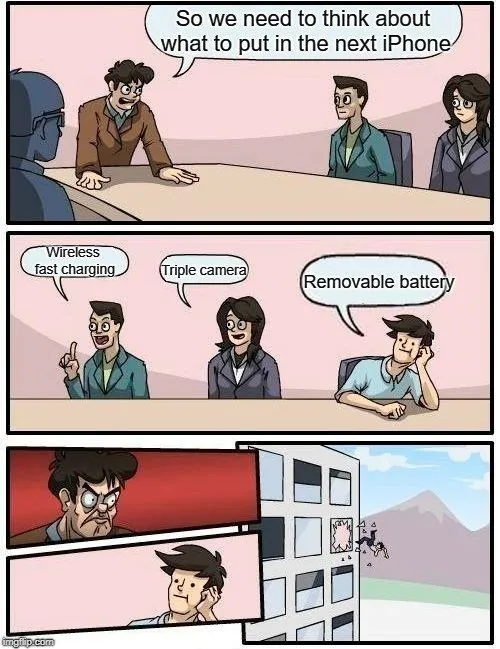
When the popularity of Android was surging in its early growth phase, one distinction that Android phones had over iPhones was that they offered removable battery functionality. However, when you look at the current landscape of Android (and smartphones in general) that is no longer the case. No major mobile manufacturer has released a flagship phone with removable batteries in the recent past.
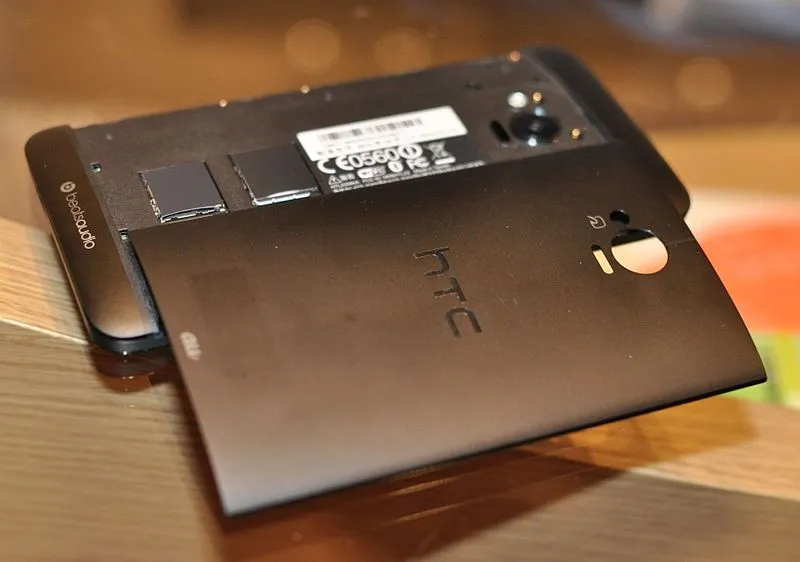
The question is, why have mobile manufacturers stopped making smartphones with removable batteries?
Prioritizing Other Features
If you’re an iPhone fanboy or have a soft spot for Apple, you might feel that this is because everyone is trying to copy the iPhone. Well, that simply isn’t the case.
In electronics manufacturing, whenever you make a decision not to do something, despite there being no known drawback, you’re often venturing into doing something else, perhaps something better. Notably, that ‘better’ new direction couldn’t have been accomplished without sacrificing that former ‘usual’ thing.
As mobile phones evolved into smartphones, mobile manufacturers made the deliberate choice of abandoning removable battery design in order to add a couple of other exciting enhancements.
Premium Design
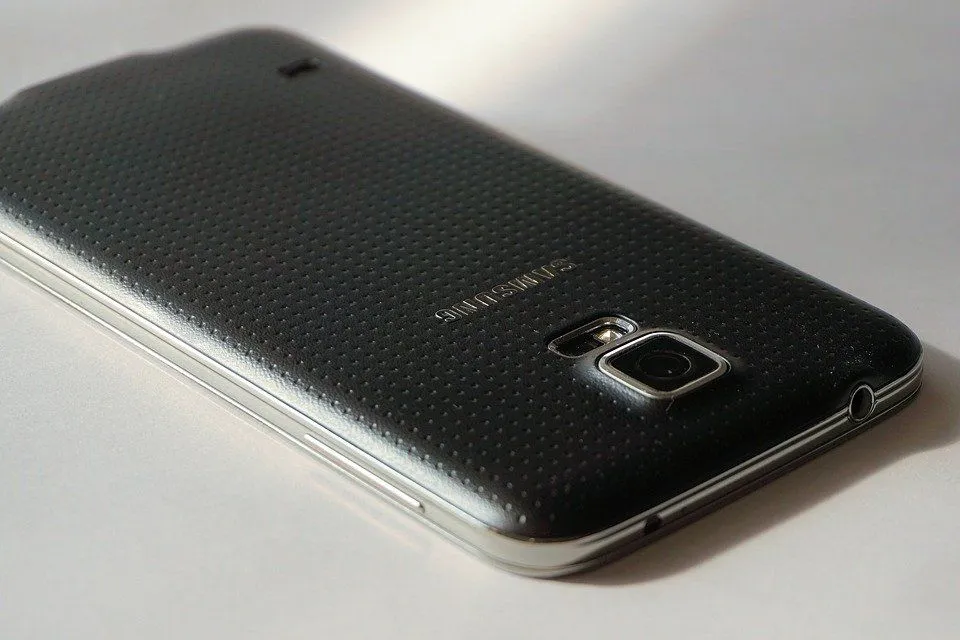
Although removable batteries offer flexibility, they greatly limit the potential design of a smartphone. Take a look at the 2014 flagship phone Samsung Galaxy S5 and Samsung Note 4. Notice any similarities? They both have easily removable ‘plastic’ backs that allow access to the battery. That might be a good thing, except that people yearn for a more superior material to have that ‘premium’ feel in their hand. While the Note 4 had a metal frame, the plastic body on the back got a lot of criticism from consumers who wanted to experience that “premium feel” after spending so much on an expensive flagship phone.
From the S6 onwards, Samsung decided to bid adieu to plastic by exclusively using a metal/glass back. Samsung, as a brand, has enjoyed success and far more acceptance in the smartphone market since that decision.
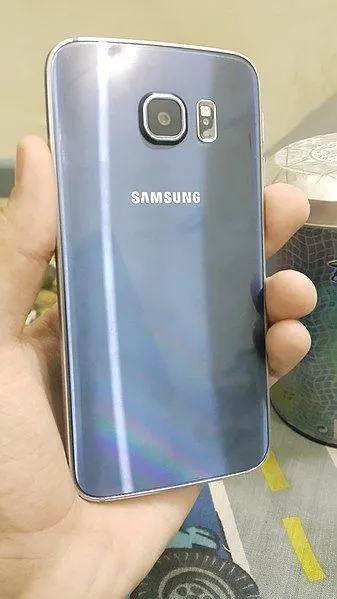
Now, glass and metal bodies simply don’t work with removable battery architecture. It’s not impossible, as there are a couple mobile options featuring glass/metal with removable battery architecture, but the design inevitably has some drawbacks, including increased thickness. Sealed batteries, on the other hand, have led to much slimmer designs and easy implementation with luxurious materials without any tradeoffs for good aesthetics.
Water Resistance
It’s unrealistic to expect that you will never accidentally spill water or other beverages on your phone or will never need to urgently text someone outside on a rainy day. Thus, you definitely want your phone to have zero openings and robust internal sealing so that water cannot seep inside and mess with the electronics inside your phone.
Well, that robustness is impossible if the phone’s cover easily pops off or cracks, potentially permitting water to seep inside the PCB, the heart of the phone. Furthermore, high-end phones are even dust-resistant these days. Obviously, no one likes tiny rocks or sand particles getting inside their phone and hampering its functionality. However, it becomes very difficult to make a dust-resistant design with a removable casing.
Making Room For Other Features
I’ll restrain myself from going too deep into the technicalities of battery design, but to put it plainly, removable battery architecture hogs precious physical space within an already tightly-packed mobile phone. Unlike a concealed battery, a swappable battery requires an additional layer of shielding to protect against day-to-day impacts. This translates to extra thickness. On a phone where every millimeter counts, there is no competitive advantage to compromising for a thicker design when everyone else is attempting to make phones thinner.
Instead of squandering precious real estate for extra battery padding, engineers can instead fit in some cool hardware for empowering the phone, including adding multiple cameras, stereo speakers, wireless charging capabilities or better gaskets for weather resistance.
Supporting Different Battery Shapes
Essentially, removable batteries are also confined to rectangles, or at most, a square-shaped design for easy fitting and removal. If you’re an electronics geek who is aware of recent trends in the battery industry, you know that new phone batteries are being designed to squeeze out more power with unorthodox designs.
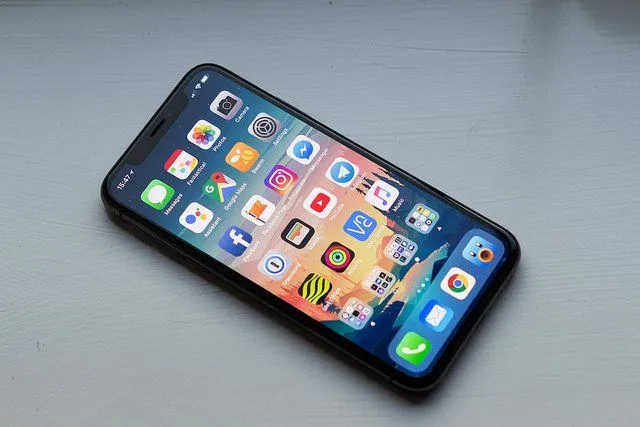
For example, one of LG’s flagship phones has a step-shaped battery design. This has allowed the company to pack more battery into the curved corners, which are otherwise wasted with straight-edged conventional mobile batteries. Similarly, the iPhone X introduced a quirky L-shaped battery (split into two cells) for optimum space utilization.
If you’re someone whose dream iPhone is one with a removable battery, I’m sorry to say that your dream is unlikely to come true. Given the shortcomings of removable batteries when it comes to needing extra space, more shielding, and a rigid design, mobile manufacturers had largely given up on removable battery design. Recently, though, lawmakers have started pushing the pendulum back the other way.
So What Are The Downsides For You?
All of those wins (a slimmer body, a proper water seal, and room for extra cameras) land on the manufacturer's design sheet. If lawmakers are now pushing the pendulum back, though, it's worth asking what the sealed battery actually costs you, the person holding the phone.

The big one is ageing. Every lithium-ion cell wears out as you charge and discharge it. Apple designs the batteries in the iPhone 14 and earlier to keep 80% of their original capacity after 500 full charge cycles, and the newer iPhone 15 batteries to keep 80% after 1,000 cycles. Once a cell slips below that, your screen-on time shrinks and the phone may even throttle its peak performance to avoid sudden shutdowns. In the removable-battery era this was a two-minute fix: pop the back off, click in a fresh cell, and carry on. With a sealed pack, a tired battery instead means booking a repair.
The knock-on effects are the reason regulators got involved. A battery you cannot easily swap makes the whole phone feel disposable, because a worn cell can nudge an otherwise healthy handset towards the recycling bin and add to the growing mountain of electronic waste. It also removes the old trick of carrying a charged spare in your bag, and it hands more control over repairs (and their price) to the manufacturer. None of this makes a sealed phone a bad phone, but it does explain why "can I just replace the battery?" is one of the most common questions owners ask.
Can You Replace A Non-removable Battery?
Yes. "Non-removable" describes the design, not a life sentence for the battery. Even a glued-in cell inside an iPhone 13, an iPhone 15, or the latest Samsung can be swapped out. It simply isn't something you do at a bus stop in ten seconds anymore.
Inside a modern phone, the battery is usually held down by stretch-release adhesive strips with little pull-tabs, sometimes backed up by heat-activated glue. A technician warms the back panel to loosen the seal, lifts the cover, tugs the adhesive tabs free, unplugs the old cell, and drops in a new one (along with fresh adhesive and a new waterproofing gasket). The realistic ways to get this done are:
- The manufacturer or an authorized service center. Apple, for example, fits a genuine battery and backs the work with a 90-day repair warranty. An out-of-warranty swap runs to about $119 for its current top-end iPhones, and less for older models.
- An AppleCare+ plan or warranty. If your plan covers it and the battery has dropped below 80% of its capacity, the replacement is typically free.
- Doing it yourself. Apple's Self Service Repair program and kit sellers like iFixit let confident owners buy the genuine part, rent the tools, and follow a step-by-step guide, usually for a little less than the official fee.
So the honest answer to "can this battery be replaced?" is that it can, but the sealed design deliberately turns a DIY chore into a job for someone with the right tools. That gap between "pop it out yourself" and "book a repair" is exactly what the new European rules are trying to close.
Which Phones Still Have Removable Batteries?
Sealed batteries took over the flagship aisle, but they never wiped out the removable battery completely. A few niches kept it alive, and they turn out to be a neat preview of where the whole market is now heading.

The clearest example is the Fairphone, a Dutch handset built around repairability. On models like the Fairphone 6, you can lift out the battery (and swap the screen or camera) in under a minute with little to no tools, a deliberate rejection of the glued-shut approach. The catch is exactly the trade-off this article has described: its modular back only reaches an IP55 splash rating rather than the fully submersion-proof IP68 of a sealed flagship.
Removable batteries also survived in rugged and industrial phones, where field workers need to hot-swap a dead cell rather than wait around for a charge. Devices such as Samsung's Galaxy XCover line and Kyocera's DuraForce Pro series pair a user-replaceable battery with an IP68 rating, quietly proving that "swappable" and "water-resistant" are not the mutually exclusive enemies the flagship market made them out to be. Add in the countless basic feature phones that still ship with a click-in battery, and it's clear the design never really died. It was simply pushed to the edges of the market, right up until lawmakers decided to invite it back.
Will Removable Batteries Make A Comeback? The EU’s 2027 Rule
Here’s the twist that might just resurrect your dream phone: the law is now leaning on manufacturers to bring back replaceable batteries. The European Union’s Batteries Regulation (Regulation (EU) 2023/1542) requires that, from 18 February 2027, portable batteries in products sold across the EU be “readily removable and replaceable by the end user.” In plain terms, you should be able to swap a worn-out battery yourself, without a heat gun, a vat of solvent, or a proprietary Apple-only tool.
Before you start dreaming of popping the back off your phone like it’s 2010, though, there’s a catch. The rule does not demand the old slide-off cover and a spare cell in your pocket. “Removable” here means removable with commonly available tools, so a battery held in with standard screws and a pull-tab adhesive (rather than glued in with heat-activated cement) can still tick the box. Crucially, the European Commission’s guidance makes clear that a phone’s water-resistance (IP) rating is not, on its own, a free pass out of the requirement.
For smartphones specifically, this dovetails with the EU’s Ecodesign rules for phones and tablets (Regulation (EU) 2023/1670), which have applied since 20 June 2025 and demand more durable, repairable designs (think batteries rated for at least 800 charge cycles while keeping 80% of their capacity, plus years of spare-part availability). Because these laws apply to any device sold in the EU, and because phone makers rarely build a separate model just for one market, the practical upshot is that user-replaceable batteries may well find their way back into phones worldwide, all the same engineering compromises around thickness, water resistance, and odd-shaped cells notwithstanding.
References (click to expand)
- Apple Battery Issue and Replacement Options - University IT. The University of Rochester
- Samsung Galaxy Note 7 Crisis - Stanford University. Stanford University
- ARCHIVED: About battery life in Apple portable devices - IU KB. Indiana University
- Regulation (EU) 2023/1542 on batteries and waste batteries. EUR-Lex, Official Journal of the European Union
- New EU rules for durable, energy-efficient and repairable smartphones and tablets start applying. European Commission
- Batteries - Service and Recycling. Apple
- iPhone Battery - Service and Repair. Apple Support
- New Android Phones That Still Have Removable Batteries. SlashGear