The 3.5mm jack descends from the 6.35mm (¼-inch) telephone-switchboard plug patented in 1878. Engineers shrank it for transistor-radio earpieces in the 1950s, and Sony's 1979 Walkman pushed the smaller mini-jack into the mainstream. It then became the universal audio port on phones, laptops, and music players until Apple dropped it from the iPhone 7 in 2016.
I’m at a house party hanging out with a group of friends. Each of us is fighting for the same 3.5mm cable to play our own music through the house speaker system. Ron’s got a taste for some smooth jazz, Lenny wants to shake the room with some EDM, and Katie wants to listen to Justin Bieber (seriously?!).
Each of them have phones made by companies based in very different parts of the world. Ron has a phone from Nokia, a Finnish company, Lenny has a phone from OnePlus, a Chinese company, and Katie’s is an Apple, an American company. Even so, each of them has the same 3.5mm port on their device.
So… how did so many companies decide on the same port for audio on their devices? Did these countries and companies suddenly decide to get along with each other on this one issue? What’s the secret behind the wide acceptance of the 3.5mm jack?

Origin Of The 3.5 Mm Audio Jack
The origins of the 3.5mm jack can be traced all the way back to the 19th century. Back in 1878, a predecessor to the 3.5mm jack, a 6.35mm jack (also called the ¼” inch jack) was developed as a ‘phone connector’ used by telephone operators to direct calls manually. Back then, you couldn’t just dial a number and be connected straight away. You had to speak to an actual person (the operator) and request that they connect your call forward.

As you can imagine, operators had a tough job constantly plugging and unplugging wires on a switchboard as they connected customers to each other in rapid succession. This constant process of plugging and unplugging required a port that could withstand significant wear and tear and also connect seamlessly without checking which side was up (unlike the modern USB). A quarter-inch jack seemed perfect for the job.
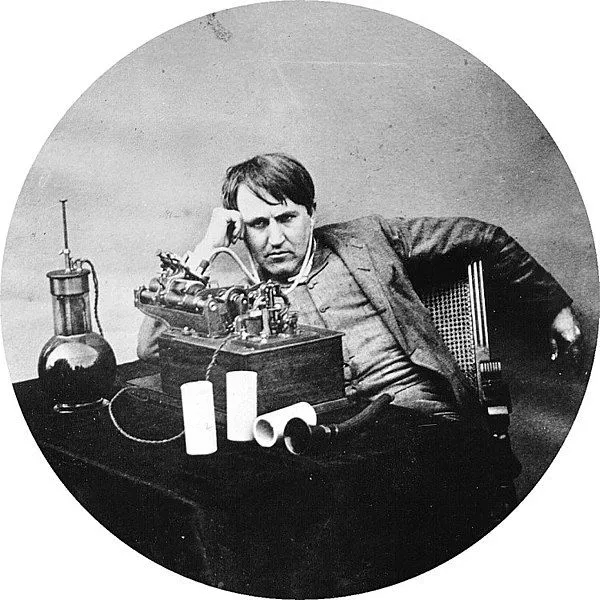
The same quarter-inch jack also wired up the bulky headsets switchboard operators wore on the job, which were arguably the first true headphones. Thomas Edison was tinkering with private listening around the same era through his phonograph’s ear tubes, and by 1910 Utah inventor Nathaniel Baldwin had hand-built a refined version of the headphone in his kitchen and was selling them to the U.S. Navy for radio communications. It was a private listening experience well before recorded music ever entered the picture; the jack itself wouldn’t be put to musical use until much later.
Popularity Of The 3.5 Mm Jack
The early 20th century saw the arrival and widespread adoption of radio. Radio was the first instance where the quarter-inch jack found use in music. Every household flocked to the nearest electronic store to bring home their own music machine. People from all walks of life, from cozy New York apartments to massive houses with their own backyards, had music blaring on the radio, with some even going so far as to have conversations with it!
The exponential demand for radio allowed for the quarter-inch jack to become the new norm in the field of audio playback. Still, it wasn’t until the late 20th century that the public adopted the modern 3.5mm jack for their music listening experience.

The 3.5mm jack itself was actually designed back in the 1950s as a smaller, two-conductor version of the ¼-inch plug, built to feed audio into the earpieces of pocket-sized transistor radios. Sony popularized it on the EFM-117J radio in 1964. But it was Sony again, in July 1979, that pushed it into the global mainstream with the original TPS-L2 Walkman, which revolutionized the portable music industry. It was the iPod before the iPod existed. Everyone from college students to retirees had a Sony Walkman plugged into their ears, and that explosive demand cemented the 3.5mm jack as the default audio port worldwide. Remarkably, the basic design has remained largely unchanged ever since.
How Does The 3.5 Mm Audio Jack Work?
The 3.5mm jack that we so widely use today is technically referred to as a TRS (Tip Ring Sleeve) connector. The tip, the ring and the sleeve are three integral parts of the jack. These are labeled below:
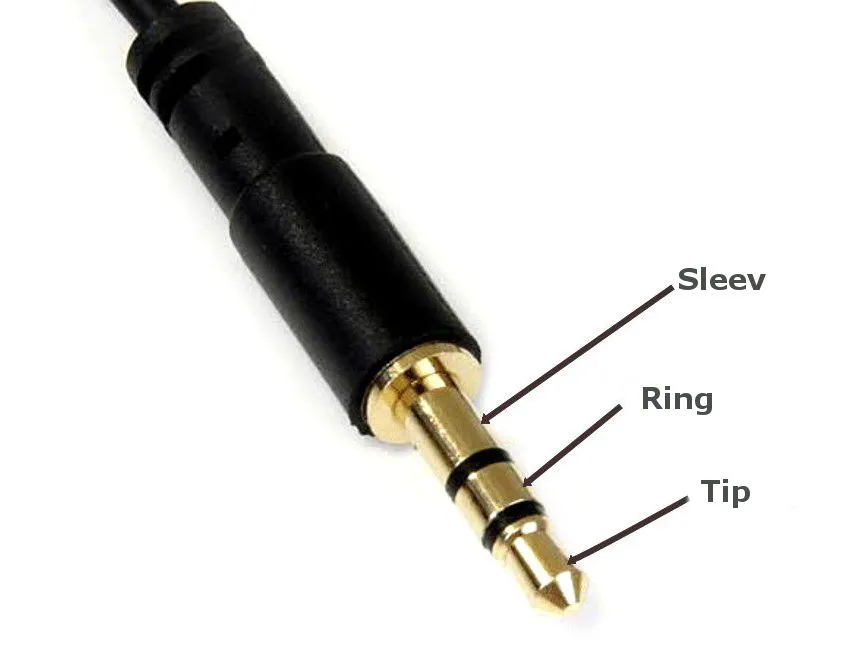
The tip transmits a current to the left speaker/earpiece, the ring transmits to the right speaker/earpiece, and the sleeve grounds the port. The black bands in between are called isolation grommets, which ensure that there is no unwanted mixing of sound between the right and left channels. If you pay attention, some 3.5mm jacks have one isolation grommet, some have two, while some even come with three. One isolation grommet means the connector comes with just a tip and a sleeve without a ring, which leads to a mono sound output. If you had earphones with a single ring, you would essentially have sound coming from only one of the earpieces. One-grommet jacks are primarily used for guitars.

Most 3.5mm jacks have 2 grommets that create a stereo sound, giving the user some semblance of surround sound. Jacks with 3 grommets, typically found in Apple’s old wired earphones, have the extra metal ring for the microphone input. So, the next time you’re at an electronics store looking for a good pair of earphones, look at the number of rings to determine which ones actually support mic functionality.
How 3.5 Mm Jack Became Popular?
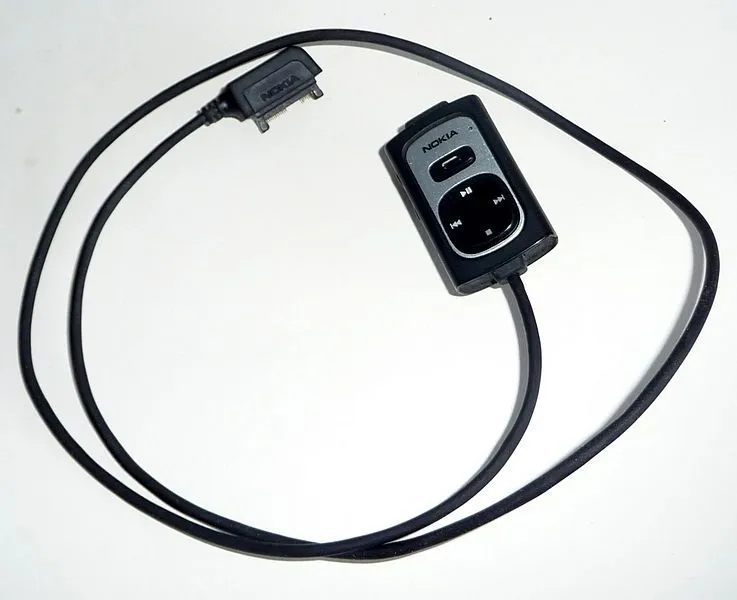
Since the overwhelming dissipation of the Sony Walkman, people have grown to love the 3.5mm jack for all their portable audio needs. Phone manufacturers like Nokia and Ericsson tried to introduce proprietary ports for their devices, which worked for a while. However, audio devices other than phones, such as iPods, amplifiers, MP3 players and sound mixers all maintained the traditional 3.5mm jack. Buying a separate set of earphones just for your phone, while having another pair for every other audio device in your household seemed like quite an ordeal. There was a demand for uniformity.
Eventually, all phone manufacturers fell in line and reintroduced the 3.5mm port in all of their devices. The move not only made sense from a public demand standpoint, but also from a competitive perspective. Phone manufacturers were offering audio companies a level playing field.
For example, Bose was able to manufacture a single pair of earphones and offer the product to people who owned a wide array of different smartphones. It could be understood as a kind of audio-neutrality, where a phone company did not favor one audio manufacturer over another.
So Why Drop The 3.5mm Jack?
As you may have noticed back in September 2016, the iPhone 7 did not come with a 3.5mm jack! The public was outraged. Rivals like Google and OnePlus took digs at Apple, smugly pointing out that their phones still incorporated a headphone jack. Then, in 2017, Google’s own Pixel 2 followed suit and dropped the popular audio port altogether. Motorola had actually beaten everyone to the punch with the Moto Z a few months before the iPhone 7. So… what’s changed?
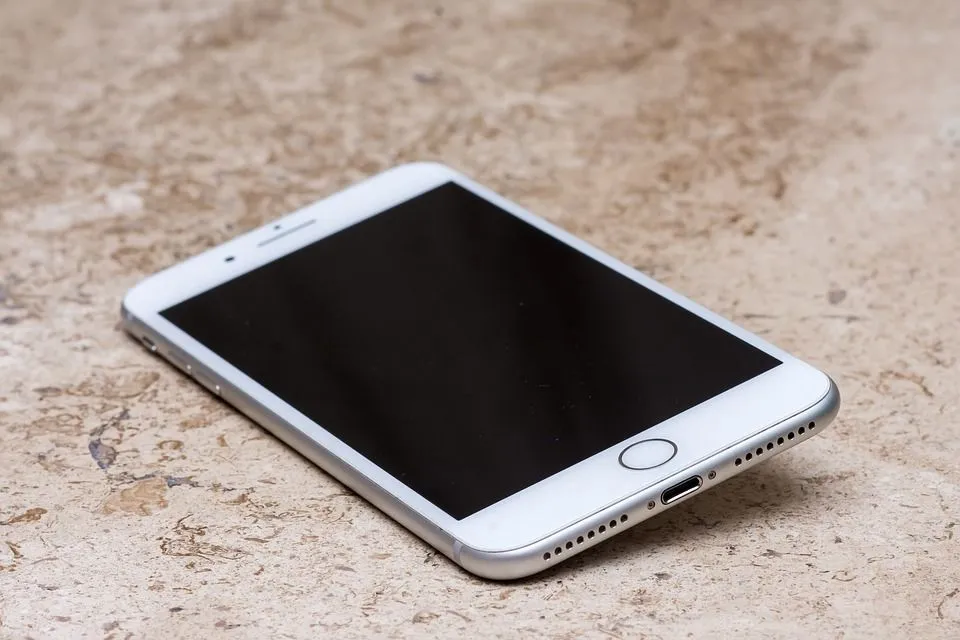
There are a few theories. The most popular one is that the move was meant to improve the form factor of the smartphone. The 3.5mm jack restricts a device from being any slimmer than… you guessed it: 3.5mm.
According to observations made by the product head at Xiaomi, while online consumers don’t necessarily care about the thickness of a device, those shopping offline (actually holding the device) tend to prefer a slimmer one, even if the phone is lacking in other specs. Of course, there are also some who theorize that it was a calculated move by Apple to push its Beats wireless headsets and the then-brand-new AirPods.
However, it’s not all brutal and grim. Phone manufacturers are replacing the 3.5mm jack with USB-C or Lightning ports. Audio enthusiasts believe these will create a richer audio experience, as they can carry both sound and data. So hey, there’s a silver lining! And the brave little port isn’t quite ready for its funeral either: as of 2026, Sony’s Xperia 1 VII flagship, Samsung’s A-series, Motorola’s Moto G line, and a chunk of mid-range Androids still ship with one. Flagships have largely moved on, but in the budget and audio-purist corners, the 3.5mm jack is hanging in there. Farewell brave port, you’ve served us well, and apparently you’re still serving a stubborn few.
References (click to expand)
- Apple kills headphone jack (1878 – 2016). RIP. - TechCrunch. TechCrunch
- Why lose the headphone jack? - Harvard Gazette. Harvard University
- The 19th Century plug that's still being used. BBC News
- The History of Headphones - WSJ. The Wall Street Journal
- Counterpoint: Why phone makers are trying to kill the headphone jack - thenextweb.com
- Cable Connection Guide. The University of Wisconsin–Madison
- Phone connector (audio). Wikipedia
- Sony Walkman. Encyclopaedia Britannica