An electrical power system is the network that delivers electricity from where it is generated to where it is used. It has three main parts: power generation (turning energy into electricity), power transmission (carrying it long distances at high voltage), and power distribution (stepping the voltage back down to supply homes and businesses).
When it comes to electricity, have you ever wondered how the entire process works, from the place it was generated to the moment it reaches your house? Well, this whole journey is handled by what is known as the electrical power system. The electrical power system is a comprehensive term, but it can be broken into three main chunks: power generation, power transmission, and power distribution. Although the scope of this write-up won't let us dive deep into every aspect of power generation, we can still gain a solid working understanding of it. Before we get into describing what the electric power system is, though, we must first understand electrical power itself!
Understanding Electric Power
Electric power is the rate at which electrical energy is transferred by an electric circuit. Put simply, it is the product of the voltage and the current. The SI unit of power is the watt (W), where one watt equals one joule of energy delivered per second. Just like mechanical power tells you how quickly work is being done, electric power tells you how quickly electrical energy is being delivered. In the equation below, P is electric power, V is the electric potential in volts, and I is the electric current in amperes. The equation for calculating electric power is as follows:
P = VI
Working Of An Electric Power System
Before we get into the actual working, let’s consider the need for an electrical power system from an economic standpoint. First, one always constructs a generating station where resources are readily available. The consumers consume electrical energy, but may be located in places where the resources for producing electricity are not available. There are other times when many other constraints inhibit the construction of a generating station in close proximity to dense population localities, more technically referred to as load centers. We usually have to transmit the generated power to these load centers. We call the entire arrangement, from the generating plants to end consumers, for delivering electricity efficiently and reliably as the electric power system.
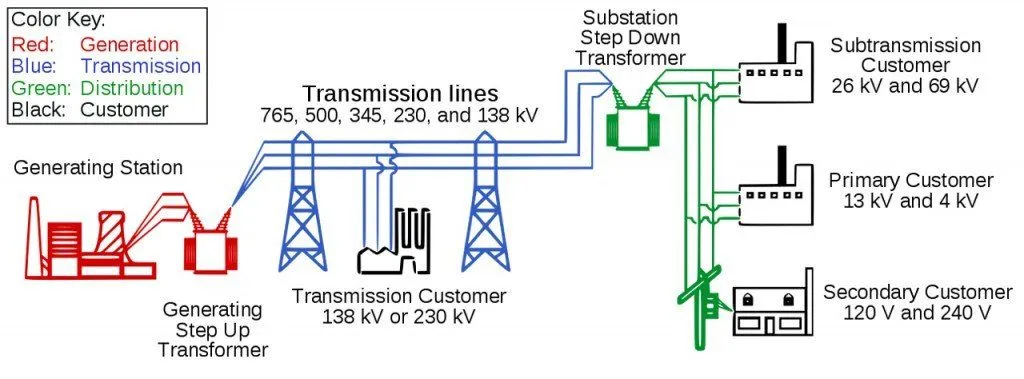
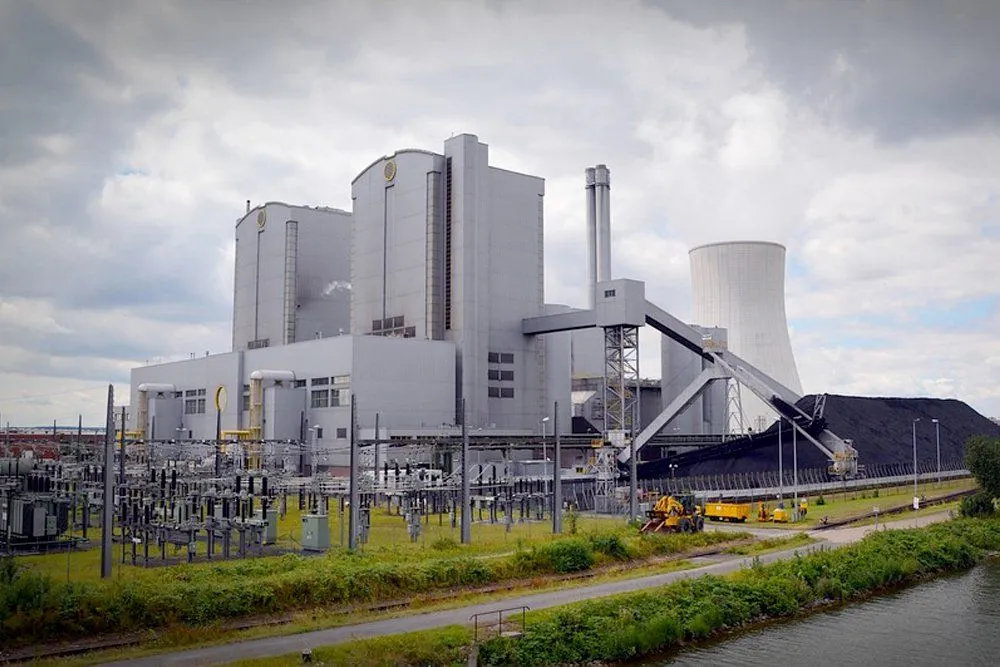
The generating plants produce electrical energy at a relatively low voltage level. We keep the generation voltage at a low level because this approach has some specific advantages. The reason why the low voltage is developed in the initial stage of power consumption is quite ingenious. As the alternators must run for extended periods, the stress quotient on the armature of the alternator is relatively less. Hence, at low voltage generation, we can construct a smaller alternator with thinner and lighter insulation. From an engineering and design point of view, smaller alternators prove to be useful in real-world situations. However, this low-voltage power cannot be transmitted to the load centers. Low-voltage transmission means a higher current for the same power, which causes more copper loss (the I²R heating in the conductors), poor voltage regulation, and higher installation costs for the transmission system. To avoid these three difficulties, we must step up the voltage to a specific high-voltage level. We cannot raise the system voltage beyond a certain level because beyond a certain limit of voltage, the insulation cost for the transmission lines tremendously increases. Hence, to keep adequate ground clearance, the expenses of the line supporting structures also abruptly increase. The transmission voltage depends on the quantity of power being transmitted. To put real numbers on it, generators in the United States typically produce power at around 11 to 25 kV, which is stepped up to between 115 and 765 kV for long-distance transmission before being stepped back down for distribution.
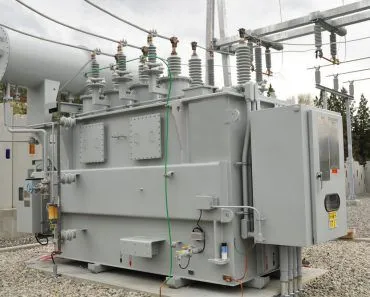
For stepping up a system, voltage step-up transformers are used. They come with the right protections and operations arrangements at generating station. This part of the electrical power system is known as the generation substation. At the end of the transmission line, we must step down the transmission voltage to a lower level for secondary transmission and/or distribution purposes. Here, we use step-down transformers and their associated protection and operational arrangements, which are the transmission substation. After primary transmission, the electrical energy passes through secondary transmission or primary distribution. After secondary transmission or primary distribution, we once again step down the voltage to a desired low-voltage level to distribute at the consumers’ premises.
This complete overview is the basic structure of an electrical power system. However, we have not mentioned the details of each piece of equipment used in an electrical power system. In addition to the three main components (the alternator, transformer, and transmission line), there are a number of associated pieces of equipment. Some of these include the circuit breaker, lightning arrester, isolator, current transformer, voltage transformer, capacitor voltage transformer, relaying system, controlling arrangement, and the grounding arrangement of the line and the substation equipment, as well as many more that play an integral or even pivotal role in the proper functioning of the electric power system.
What Are The Three Main Divisions Of An Electric Power System?
If you remember only one thing about the power system, make it this: it splits cleanly into three main divisions, namely generation, transmission, and distribution. The U.S. Department of Energy describes electricity delivery in exactly these terms, with the divisions stitched together by substations that step the voltage up or down between each stage.

Generation is where it begins. Power plants convert some other form of energy, namely the chemical energy in coal or natural gas, the heat from a nuclear reaction, or the motion of falling water, wind, and sunlight, into electrical energy. Electricity is a secondary energy source, which simply means we never mine it directly; we always make it from a primary source. In the United States, generators usually produce power at a modest 5 to 34.5 kV.
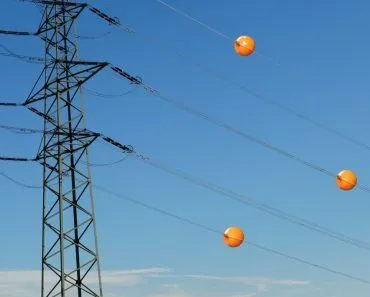
Transmission is the long-distance leg. A step-up transformer raises the voltage to anywhere from 69 kV up to 765 kV, the highest level on the U.S. grid, so that bulk power can travel hundreds of kilometers across the high-voltage lines slung between those tall steel towers with as little loss as possible. Distribution is the final, local leg. Step-down substations and pole-mounted or pad-mounted transformers drop the voltage back down through the distribution range (roughly 2.5 to 35 kV) and finally to the 120/240 V that arrives at a typical home. In short, voltage climbs for the long haul and falls again for safe delivery, and those three divisions are the whole story.
Why Do Power Systems Run On AC Instead Of DC?
Here is a question that decided the shape of the modern grid: should electricity flow as alternating current (AC), which reverses direction many times per second, or as direct current (DC), which flows steadily in one direction? In the 1880s and 1890s this was settled by the famous "War of the Currents," with Thomas Edison backing DC and George Westinghouse and Nikola Tesla backing AC. AC won, and it won for one decisive engineering reason.

That reason is the transformer. As the Department of Energy puts it, alternating current "can be converted to different voltages relatively easily using a transformer," whereas "direct current is not easily converted to higher or lower voltages." Since the entire trick of an efficient power system is stepping voltage up for transmission and back down for use, AC's effortless voltage-shifting made the whole generation-transmission-distribution chain practical in a way DC could not match at the time.
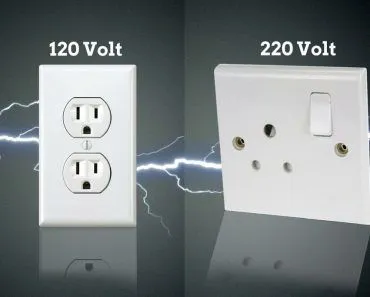
AC also gives the grid its heartbeat, a fixed frequency. In the United States the current reverses 60 times per second, which we call 60 hertz (Hz); across most of Europe, Asia, Africa, and Australia the standard is 50 Hz, paired with 220 to 240 V supply. That frequency is not just a label. Every generator feeding a grid must spin in step at the same frequency, and the grid "works to keep itself operating at a healthy 60 hertz." When electricity demand and generation are perfectly balanced the frequency holds steady; if demand outruns supply the frequency dips, and if supply outruns demand it rises. Grid operators (and, in North America, reliability rules from NERC) work second by second to keep that balance, which is why the lights stay on. (Modern grids do use DC again in one niche: high-voltage DC links for very long lines and undersea cables, made possible by power electronics that did not exist in Edison's day.)
References (click to expand)
- Electricity explained: How electricity is delivered to consumers. U.S. Energy Information Administration (EIA).
- Electric Power Generation, Transmission, and Distribution: Illustrated Glossary. Occupational Safety and Health Administration (OSHA).
- Electric power - Wikipedia.
- Electric power system - Wikipedia.
- Electricity 101. U.S. Department of Energy, Office of Electricity.
- The War of the Currents: AC vs. DC Power. U.S. Department of Energy.
- Keeping the Lights On: Essential Reliability Services. U.S. Department of Energy.