Facebook doesn’t literally read your Google searches. It infers what you looked for through shared advertising networks, the Meta Pixel (tracking code embedded on shopping and other sites), browser cookies, the profile data you hand over, and information bought from data brokers. When you research a product, that interest gets matched to your account, and a related ad turns up in your feed.
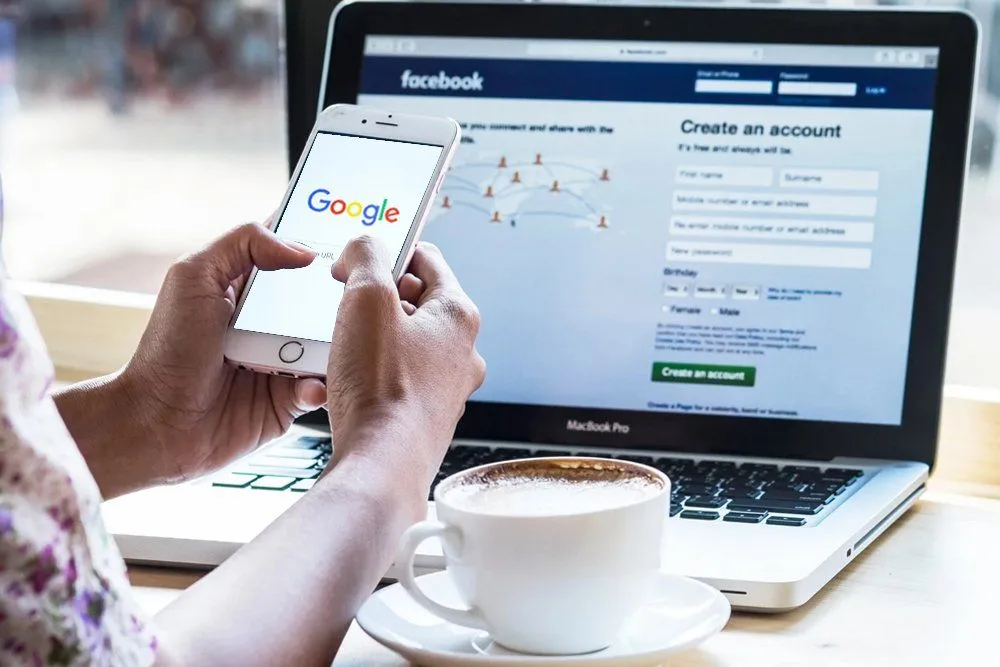
Let’s say that you go on Google and search for cat food. You flip through various sites that give you different price ranges, flavors and the whole nine yards about every type of cat food imaginable. Curiously, when you switch to Facebook, you notice something very peculiar. For some mysterious reason, your Facebook adverts are filled with cat food!
Now, these adverts might show up instantaneously, or within a day or two, but you will end up seeing them. How is this possible… is Facebook spying on you? Not in the literal sense. Facebook never sees your Google search box. What it does is far more roundabout, and once you understand it, the cat food makes perfect sense… welcome to the world of custom-tailored internet advertisements!
Collection Of Data
The first thing companies need to create custom-tailored advertisements is information about you.
There are four main kinds of data that provide great insights into tastes and preferences that can help make advertisements tailor-made. The first kind of data is clickstream data.
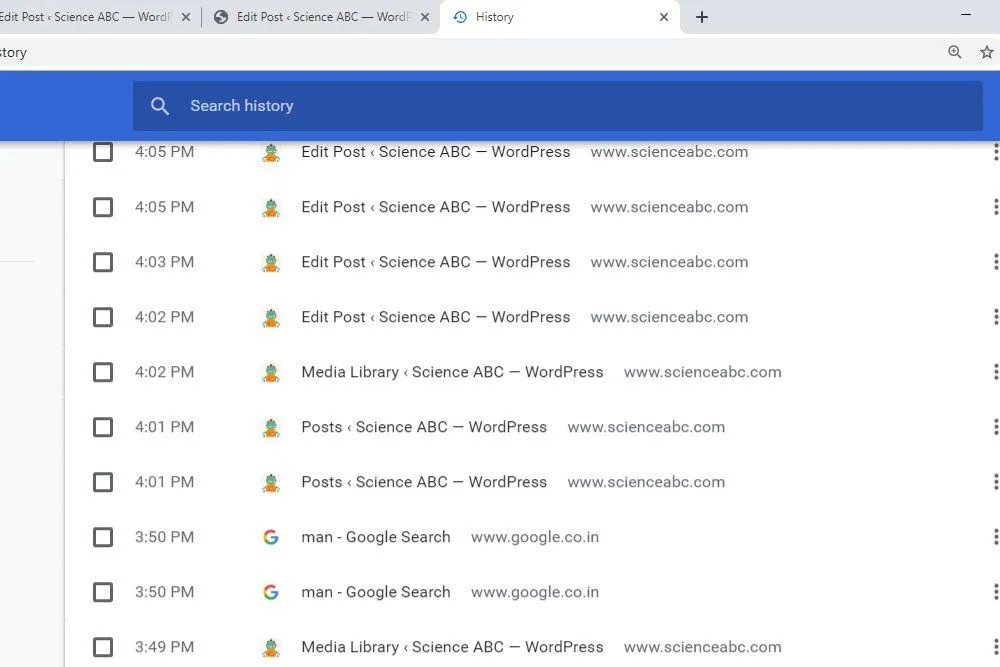
In customized advertisements, clickstream refers to the record of webpages that you’ve visited. This data is collected by using a tiny text file known as a cookie. To give some perspective on what cookies are, it’s a text file sent by a website to your computer so that it can track your movements within the site’s pages.
The second kind of data that is viable for custom advertisements is Search Data. Searching the web is now close to universal. Pew Research found years ago that the vast majority of online adults used search engines, and Google alone now handles the lion’s share of those queries. Search giants quickly realized that advertising was a hugely profitable avenue, given the sheer amount of data they could collect on such a massive scale.
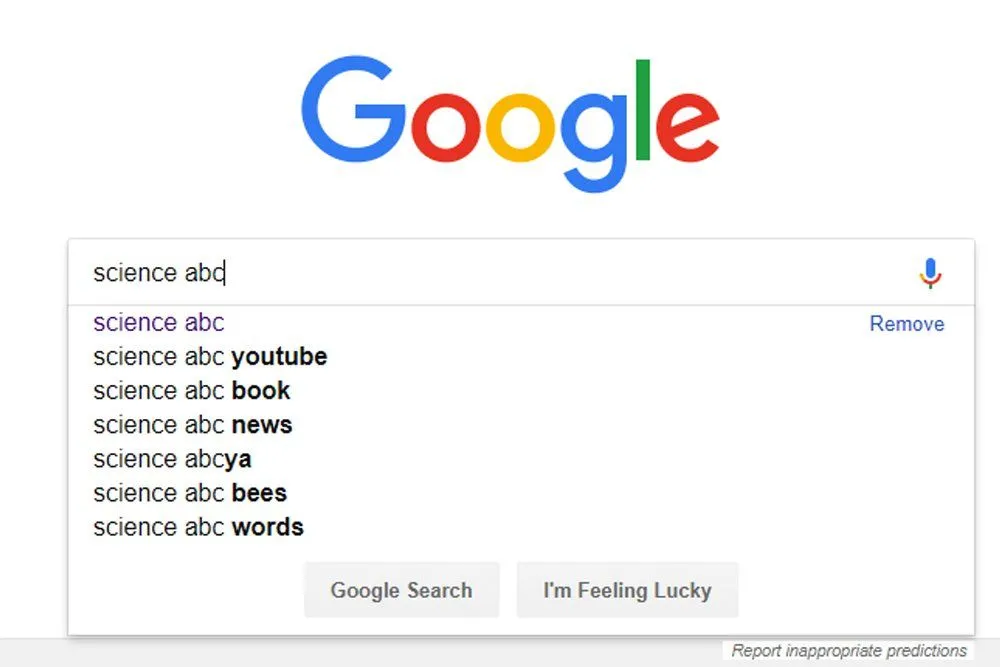
Search Engines can analyze search terms and user habits to place targeted advertising alongside natural search results; they often allow companies to pay them for a higher position among the search results for particular keywords. That’s why, when you search for “sleeping bags”, larger outdoor companies often appear first, while advertisements for sleeping bags will soon line the margins of the page.
The last two valuable types of data are Purchase Data and Profile Data. Purchase data is predominantly used by companies like Amazon, which usually recommend new purchases that are similar to the ones you’ve made in the past. That is because online stores often use cookies or user registration to keep track of what you buy (and even what you put in your cart and later abandon) to personalize your shopping experience. Profile Data is usually collected when you create a profile on a social media platform (like Facebook).
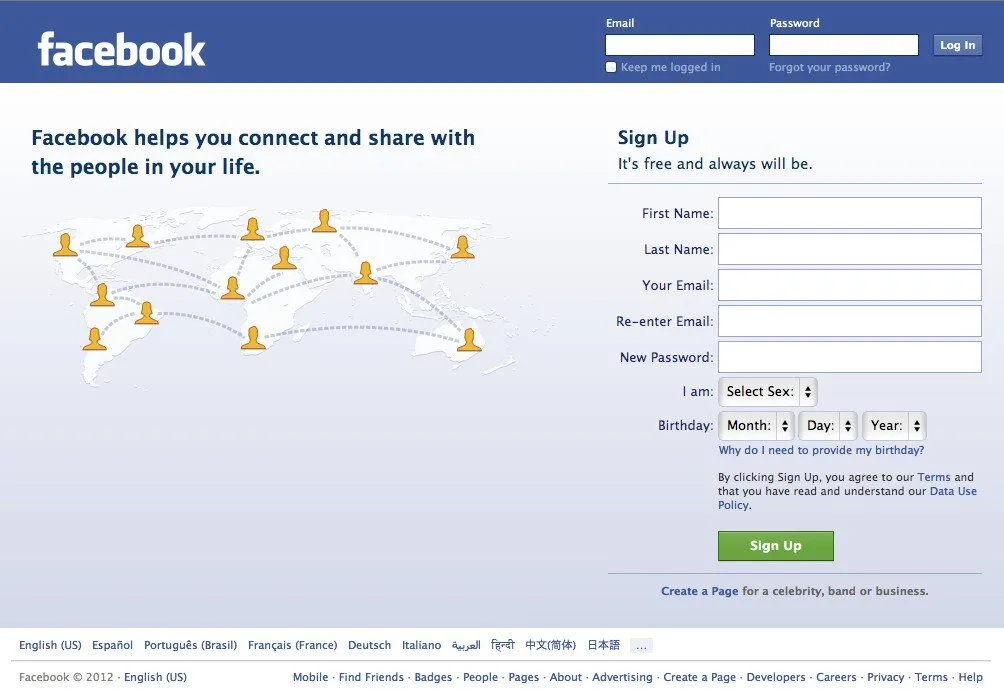
In these websites, as a user, you often voluntarily provide crucial data, such as age, interests, favorite movies and a plethora of other data that gives companies an accurate description of your tastes.
So How Does Facebook Connect Your Google Search To You?
Here is the part the cat food example skips over. Facebook can’t see the words you typed into Google. What it can see is where your interest shows up next. Say you search for cat food, click through to an online pet store, and browse a few bags. That store has almost certainly installed a small piece of tracking code called the Meta Pixel (Facebook’s own snippet of JavaScript). The moment the page loads, the pixel quietly logs that you viewed cat food and reports it back to Facebook.
How does Facebook know you are the visitor? Because you are almost always logged into Facebook in the same browser. The pixel reads a Facebook cookie, matches it to your account, and drops you into an advertiser’s retargeting audience (sometimes called remarketing). Next time you scroll your feed, that pet store’s ad is waiting for you. The same machinery runs across Instagram and the wider Audience Network of apps and sites, all of which Meta owns or partners with.
Three other channels fill in the gaps. The Conversions API lets a business send your activity straight from its own servers to Meta, which sidesteps ad blockers and browser limits entirely. Data brokers package and sell profiles built from your purchases and browsing, and advertisers feed those lists back into Facebook. And the profile data you handed over when you signed up, your age, location and stated interests, sharpens the match. None of this requires Facebook to read your Google searches. It only needs your interest to surface somewhere it can see.
IP Address
The IP part of an IP address stands for Internet Protocol. The address part of it refers to a unique number linked to all the online activity you do. This is more intuitively understood as the return address to the mail you’ve sent. The first thing you need to realize is that your computer is connected to the Internet in one way or another. Whether you go online to write an email, to shop, or to chat, your request must be sent out to the right destination, and the responses and information you want must come directly back to you.
An IP address plays a significant role in that. It helps you and your computer connect to the Internet in somewhat of an indirect fashion. The IP address first enables you to connect to the network, which gives you access to the Internet. The second thing it does is permit you to access the Internet. The network might be your Internet Service Provider at your house or a network in a shop or office.

IP Targeting
Now companies use a particular method known as IP targeting. IP targeting is a way to deliver an online display of advertisements to a specific consumer they choose without the use of cookies. Every Wi-Fi network you connect to has an “IP address” assigned to it, a numeric code that helps that network communicate with the Internet. With programmatic IP targeting, you can deliver your online display advertising to all devices connected to a given network, provided you have its IP address.
So no, Facebook is not secretly peering over your shoulder at the Google search bar. Companies like Meta curate data with a plethora of technological tactics, from the Meta Pixel and cookies to retargeting networks, data brokers and the odd bit of IP targeting, to serve you the ads they think you are most likely to act on. Customized advertising is a cross-platform endeavor that stitches together dozens of methods to tailor what you see towards ads you might actually engage with.
Are Google and Facebook the Same Company?
No. They are two separate, independent, publicly traded companies. Google sits inside a parent company called Alphabet, while Facebook, along with Instagram, WhatsApp, Messenger and Threads, sits inside Meta Platforms (renamed from Facebook, Inc. in October 2021). Facebook is not a Google product, and Google is not a Meta product.

If anything, the two are rivals. For most of the past 15 years they dominated online advertising so thoroughly that the industry nicknamed them the “digital duopoly,” together pulling in roughly half of all US digital ad spending. They chase the same advertiser budgets, so they have every reason to compete rather than cooperate.
So if they compete, why does your Google search still resurface as a Facebook ad? Because the two companies do not need to be connected for your data to move between them. Huge numbers of websites run Google’s and Meta’s tracking code side by side, and an advertiser hoping to reach you simply buys space on both platforms. The overlap lives in the shared plumbing of the ad industry, not in who owns whom.
That said, the relationship is not always at arm’s length. In 2018 the two signed an advertising agreement code-named “Jedi Blue,” covering Google’s Open Bidding auction system, a deal that later drew antitrust investigations in the European Union and the United Kingdom (announced in March 2022). A US judge dismissed the collusion claims tied to the deal in September 2022. Even so, cooperating on a single ad arrangement does not make them one company. Google and Meta remain separate corporate rivals that happen to profit from the same streams of personal data.
Can You Stop Facebook From Tracking Your Searches?
Not completely, but you can blunt it. The landscape also shifted in ways worth knowing. For years the industry braced for the death of the third-party cookie, the workhorse of cross-site tracking. Google ran its Privacy Sandbox project to replace it, then in 2025 reversed course and decided to keep third-party cookies in Chrome after all, leaving the choice in users’ hands. So cookies are not going anywhere soon.
On mobile, the bigger shake-up came from Apple. Its App Tracking Transparency framework, launched in 2021, forces apps like Facebook to ask permission before tracking you across other apps and sites. Most people tapped “Ask App Not to Track,” which measurably dented the precision of Facebook’s targeting and its ad revenue.
If you want to push back yourself, you can clear and block cookies, use a tracker-blocking browser or extension, decline tracking when an app asks, and dig into Facebook’s settings, where the Activity off Meta technologies tool lets you review and disconnect the off-site activity businesses have shared about you. You will still see ads, just fewer that seem to read your mind.
References (click to expand)
- What are cookies? - IU KB - Indiana University. Indiana University
- What Are Cookies?. The University of Montana
- S Young. Getting the Message: How the Internet is Changing Advertising. Harvard Business School
- How Websites and Apps Collect and Use Your Information. Federal Trade Commission
- Online Behavioral Tracking. Electronic Frontier Foundation
- B Adgate. Revenue Of Alphabet And Meta The 'Digital Duopoly' Have Been Slipping. Forbes
- N Lomas. Google, Meta 'Jedi Blue' ad deal faces new antitrust probes. TechCrunch