Table of Contents (click to expand)
Automotive paint is a multi-layer coating applied to a vehicle body to give it color and protect the metal from rust, UV light, and chemical fallout. A modern car paint job is made of four layers (electrocoat, primer, basecoat, clearcoat) built from a resin or binder, pigment, solvent (water or organic), and additives.
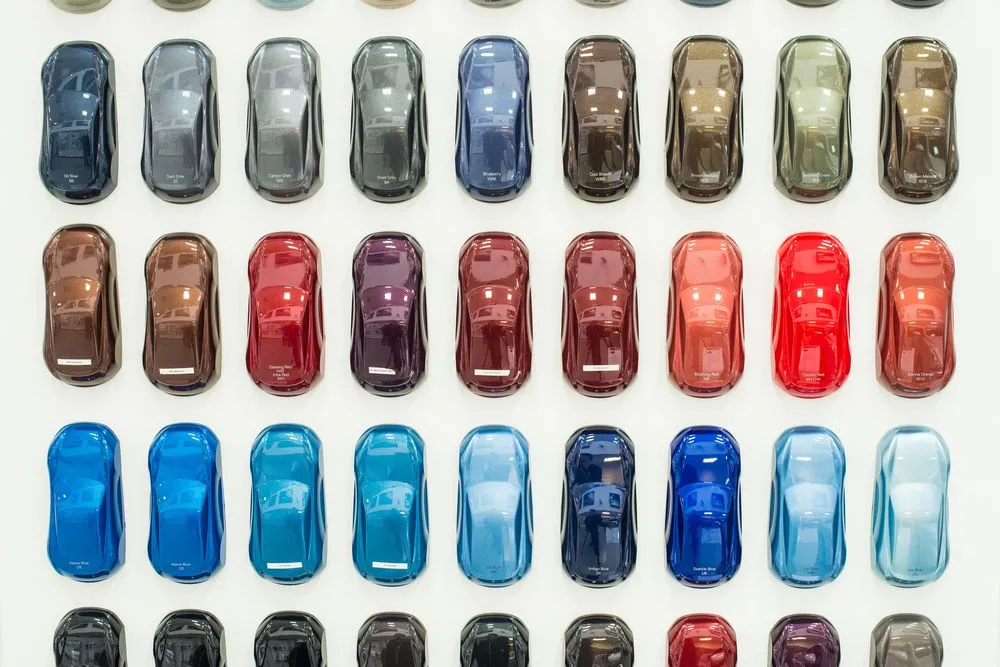
As a child who grew up around a sizable collection of colorful toy cars, it still delights me to look at brand new vehicles shimmering under a showroom light. The process of selecting the color of one’s new vehicle is perhaps the most exciting part of buying a new car.

While many automobile manufacturers have a limited palette of colors to choose from, luxury car manufacturers often claim to offer custom-made colors, even going to the extent of concocting them if they’re not available commercially. Even though paint does not directly affect the performance of a car, it plays an integral role from an aesthetic point of view.
What Is Automotive Paint?
Automotive paint is a specially formulated coating sprayed onto a vehicle body (the substrate) to give it color and shield the metal from corrosion, UV light, and road chemicals. Like any paint, it is built from four ingredients: a resin or binder (typically acrylic, polyurethane, or polyester), pigments, a solvent (water or an organic carrier), and additives that fine-tune how the paint flows, levels, and weathers. The process of painting cars has evolved enormously over the past century, as have the paints themselves. Modern OEM basecoats in the United States, EU, and California are largely waterborne to meet VOC limits, while many refinish (body-shop) paints still use solventborne chemistry. In short, today's car paint is mostly water-based rather than oil-based, though both types remain in use.
1K And 2K Paint
Based on chemistry, automotive paint is classified as 1K or 2K. 1K (one-component) paints dry on their own, without a catalyst or hardener. 2K (two-component) paints, by contrast, must be mixed with a hardener or activator before spraying, which triggers a chemical cure (typically via isocyanates) and produces a film that is far more resistant to chemicals, UV, and weather. Most modern OEM clearcoats and refinish clearcoats are 2K acrylic-polyurethanes for this reason.
Paint can be applied in a single stage or multiple stages, depending on the job. Single-stage paints contain pigment and resin in one coat and dry to a glossy finish on their own, so they do not need a separate clearcoat. Multi-stage paints split the work between a flat-drying basecoat that carries the color and a separate clearcoat that delivers the gloss and protection. Single-stage finishes are still used on commercial vehicles, fleet trucks, and some budget repairs, but virtually every modern factory paint job, and most quality refinish work, uses a multi-stage system because the clearcoat does a far better job of resisting UV, stone chips, and chemical fallout.
The Process Of Painting
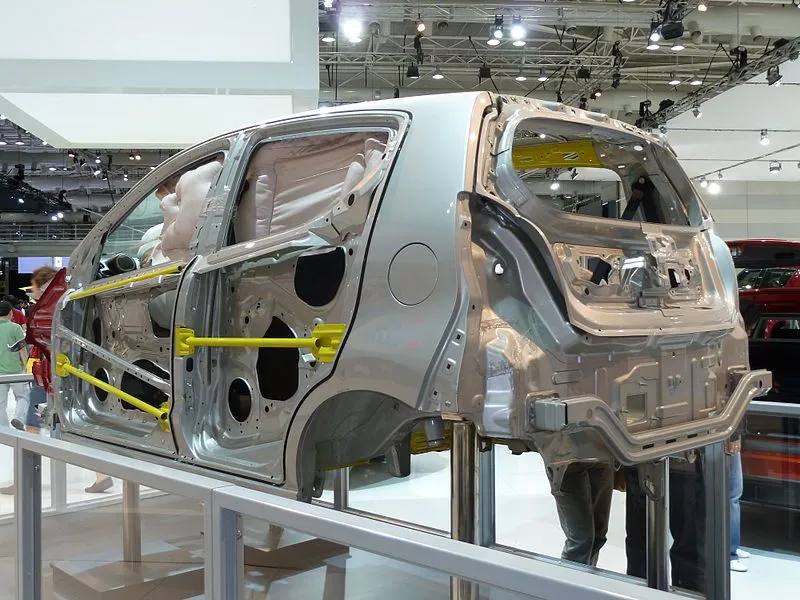
All body panels of a vehicle begin as sheets of metal (namely aluminum or steel) that are pressed and welded into shape. The body panels of the car are arranged together into a temporary assemblage called body-in-white (BIW).
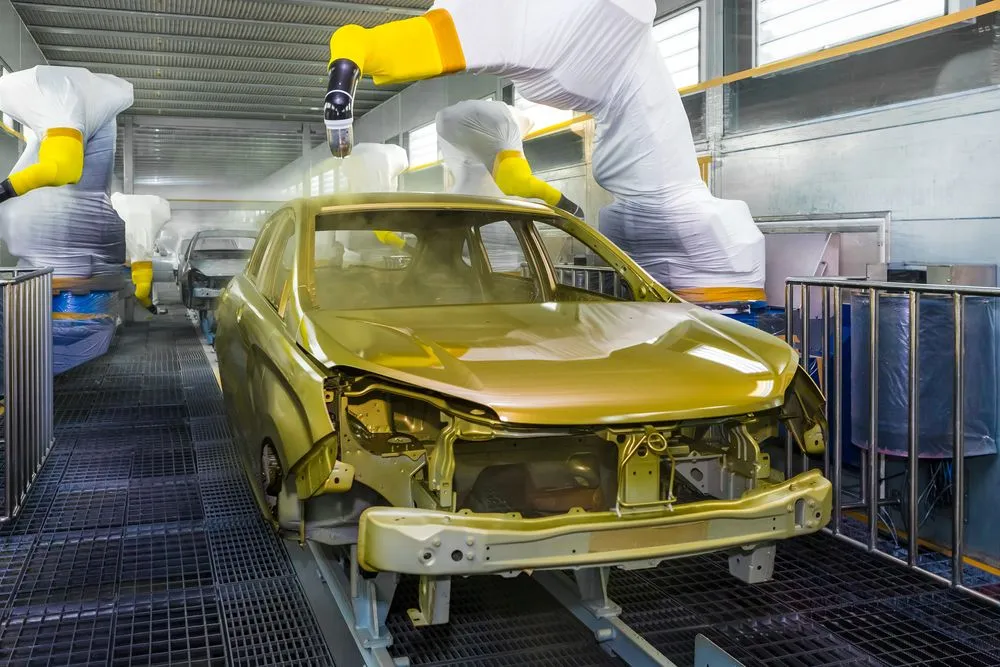
Automotive paint is then applied in a temperature-controlled facility and left to bake in an oven to accelerate the drying process. Multiple stages of application ensure the integrity of paintwork for extended periods.
The process of painting takes place over this body-in-white in the following order:
Preparation And Phosphate Wash
Cleanliness of the substrate is essential before it receives any paint. As the BIW moves down the line it picks up oils, grease, weld smut, and chalk or ink marks, so the body is first washed with hot alkaline detergent and high-pressure water jets to strip away contamination. It is then dipped in a zinc-phosphate (or, increasingly, zirconium) bath, which deposits a microscopically rough mineral layer that the paint can grip onto and that itself slows the spread of corrosion.
Electrocoat (E-coat)
The cleaned, phosphated body is then lowered into a giant tank of waterborne epoxy paint and given an electric charge opposite to that of the paint particles. The charged paint is drawn out of the bath and onto every surface it can reach, including the insides of door cavities, sills, and chassis rails. The body is rinsed and baked, leaving a uniform film roughly 17–25 µm thick. This electrocoat (or e-coat) is the single most important corrosion-protection layer in a modern car and is the reason new vehicles can carry 10–12 year anti-perforation warranties on the bodyshell.
Primer Surfacer
On top of the e-coat, a sprayed primer surfacer is applied. This coat fills in the microscopic roughness left by the e-coat and phosphate layer, evens out small imperfections in the steel, and gives the basecoat a uniform color to land on. It also adds chip resistance, which is why primer is often tinted to roughly match the final color (a stone chip on a white car looks far less obvious if the primer underneath is white rather than gray). The primed surface is dried in an oven before the basecoat goes on.
Base Coat Application
The basecoat carries the actual pigment that gives the car its color. It is usually applied in two or three thin passes, with brief flash-off time between coats so the solvent or water can evaporate. The basecoat is the penultimate stage of painting and dries to a flat, matte finish; on its own, it does not have the durability or gloss expected of a finished panel.
Clear Coat Application
A pigment coat on its own cannot withstand UV light, acid rain, bird droppings, or industrial fallout, and it dries to a flat finish that no buyer would mistake for a new car. To fix both problems, a transparent topcoat is sprayed over the basecoat. On modern vehicles this clearcoat is typically a two-component (2K) acrylic-polyurethane that crosslinks chemically as it cures, locking in the color, resisting chemical attack, and drying to the deep, wet gloss we associate with new paint. (The older nitrocellulose lacquers it replaced were softer, yellowed quickly, and could not meet today’s durability standards.)
Types Of Pigments
The base coat can be of various types, depending on the type of finish one wants to achieve.
Solid Color
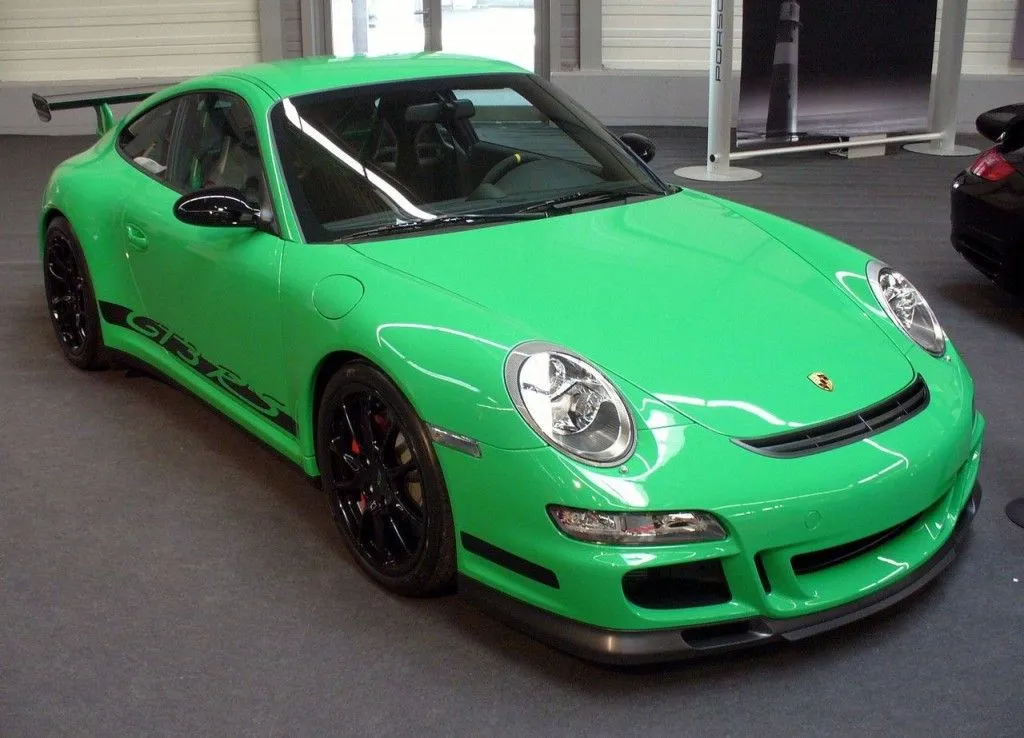
Solid colors consist only of pigments and don’t have any visual enhancers added to the paint. They are relatively inexpensive to apply and repaint in case of damage.
Metallic Color

Metallic colors disperse very fine aluminum flakes (typically a few microns thick and tens of microns across) inside the basecoat. The flakes act like tiny mirrors that reflect light back to the viewer, which is what produces the shimmer and the change in apparent color as you walk around the car. They are more expensive to apply and harder to color-match in a repair than a solid coat, because the orientation of the flakes during spraying directly affects the final appearance.
Pearlescent Color
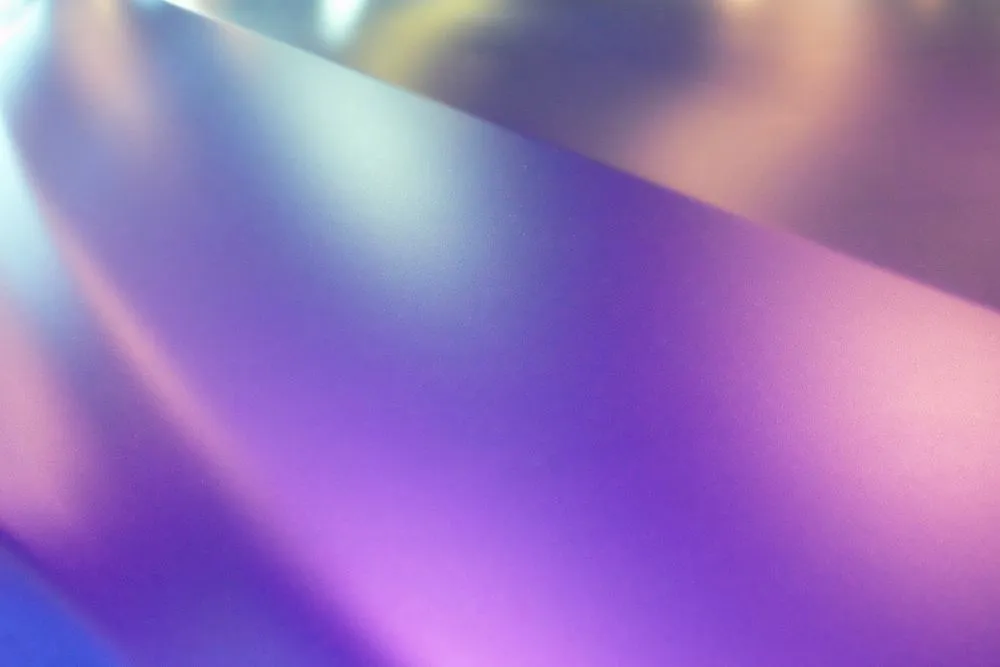
Pearlescent colors swap the aluminum flakes for mica flakes that have been coated with thin layers of titanium dioxide and iron oxide. Light bouncing off the top and bottom of the coating interferes with itself the same way it does on a soap bubble, producing the iridescent, color-shifting sheen pearl paints are known for. They are among the most expensive paints to apply (and repair) because the effect is sensitive to both flake orientation and the number of basecoat passes.
Matte Color
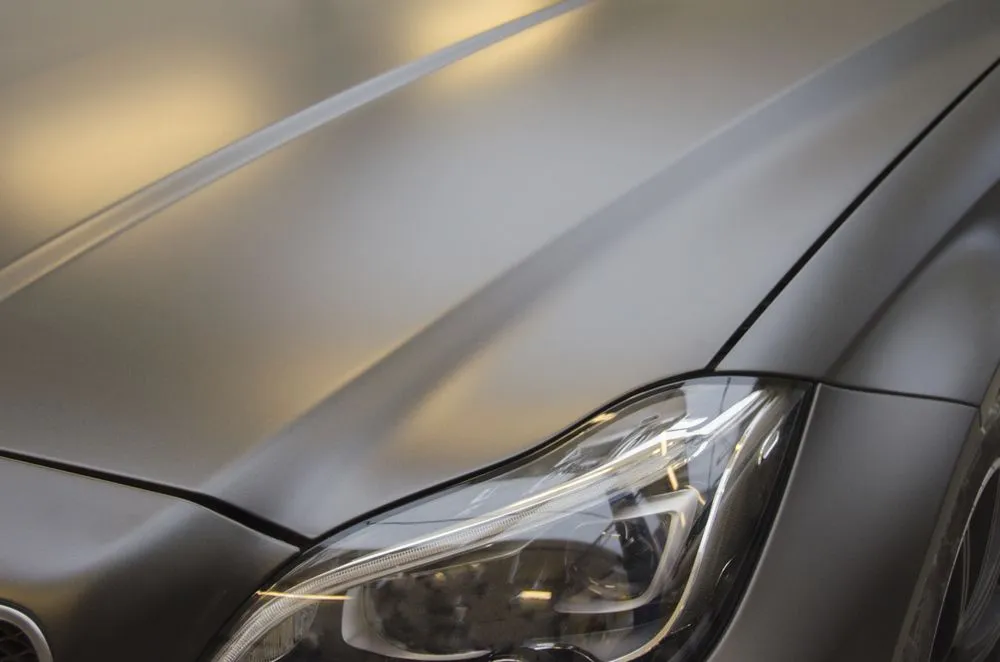
Matte paints are chosen when the desired final look is flat rather than glossy, a finish that is popular on performance and luxury cars. Because they cannot be polished out the way a normal clearcoat can (any rubbing creates glossy patches and ruins the matte effect), owners need a more careful wash-and-decontaminate routine. Many manufacturers now offer flat-drying matte clearcoats that sit over a normal basecoat, which gives the look of matte paint with most of the chemical protection of a conventional two-stage system.
How Does Paint Glow?
Clear coat paint, due to its viscosity, results in a textured surface that resembles the skin of an orange peel. This causes incident light to reflect in different directions, distorting the reflection in the process.
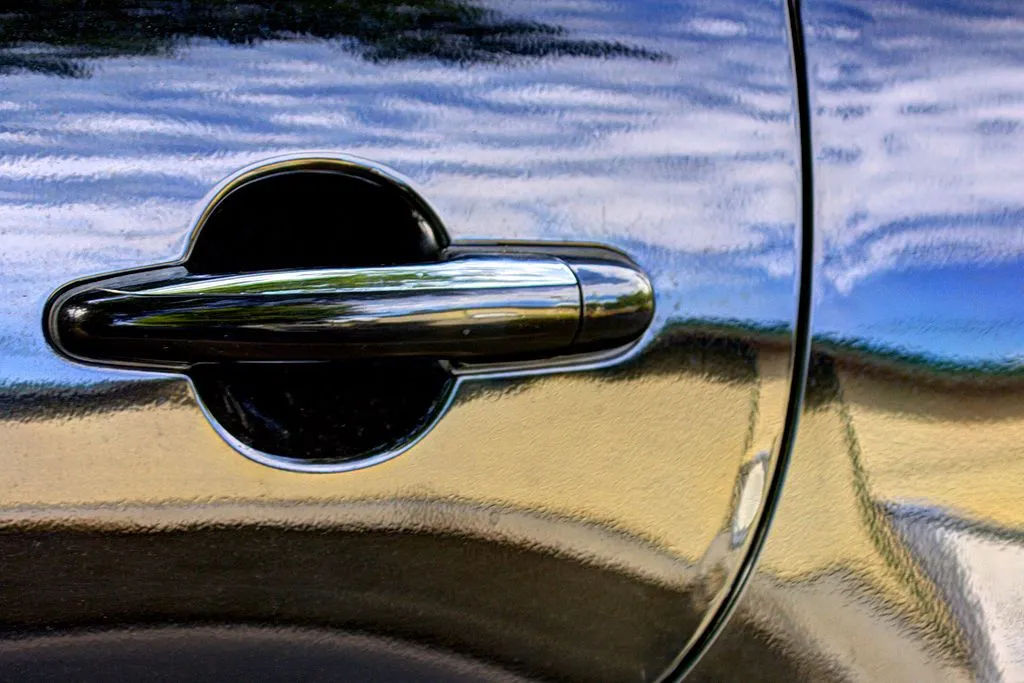
In order to enhance gloss, the final coat must be ‘corrected’ to eliminate imperfections resulting from spraying. Paint correction is carried out by machines that rub abrasive liquids onto the clear coat. The abrasive liquids, also known as correction compounds and polishes, cut through the textured surface of the clear coat, thereby leveling it out. A level surface reflects incident light uniformly, thereby making it appear glossy.
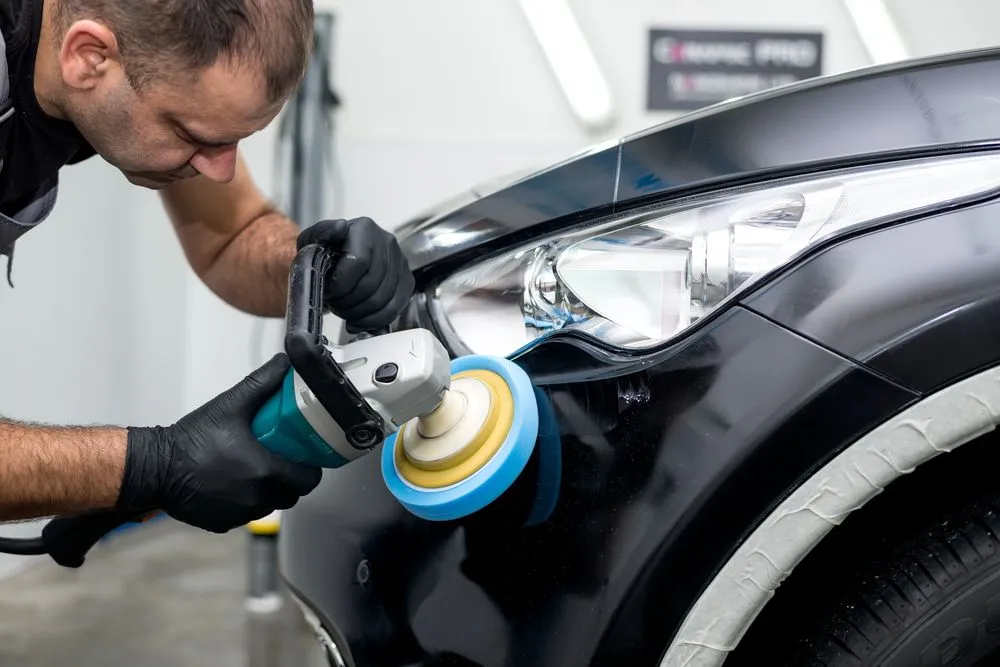
Matte paints cannot be polished like conventional paints, as this can result in glossy patches. Thus, they require more skill to apply and a rigorous maintenance regimen to keep up.
Why Do New Cars Shine More Than Old Cars?
Incorrect car care techniques, paint erosion due to excessive exposure to UV radiation, and contamination arising from the road; namely tar, dust, grime and iron fallout can cause the paint to become damaged and appear dull. Following proper car care regimens and periodic decontamination goes a long way towards ensuring paint preservation.
References (click to expand)
- Streitberger, H. and Dossel, K. (2008). Automotive Paints and Coatings (2nd ed.). Wiley-VCH.
- Automotive paint. Wikipedia.
- Diving Deeper into VOCs. CoatingsTech, American Coatings Association.
- Paint and Coating Manufacturing. US Environmental Protection Agency.
- Occupational Exposures in Paint Manufacture and Painting. IARC Monographs, NCBI Bookshelf.
- Paint. Encyclopaedia Britannica.