Table of Contents (click to expand)
Brazilian wandering spiders are large, ground-hunting spiders in the genus Phoneutria (family Ctenidae), native to South and Central America. They are among the most venomous spiders known to medicine. A bite causes severe pain, sweating, an irregular heartbeat, and (without antivenom) can be life-threatening, especially in children.
Brazilian wandering spiders are the most venomous spiders on the planet. They belong to the genus Phoneutria, which consists of a number of spider species. A couple of these species, including Phoneutria nigriventer, P. keyserlingi and P. fera are referred to as Brazilian wandering spiders.
Brazilian Wandering Spiders Facts
The term ‘Brazilian wandering spider’ actually refers to not just one spider, but a number of extremely venomous spider species found primarily in South (especially Brazil, Colombia, Ecuador, Suriname, Peru and Guyana) and Central America. They belong to the genus Phoneutria, which is a family of venomous spiders in the family Ctenidae.
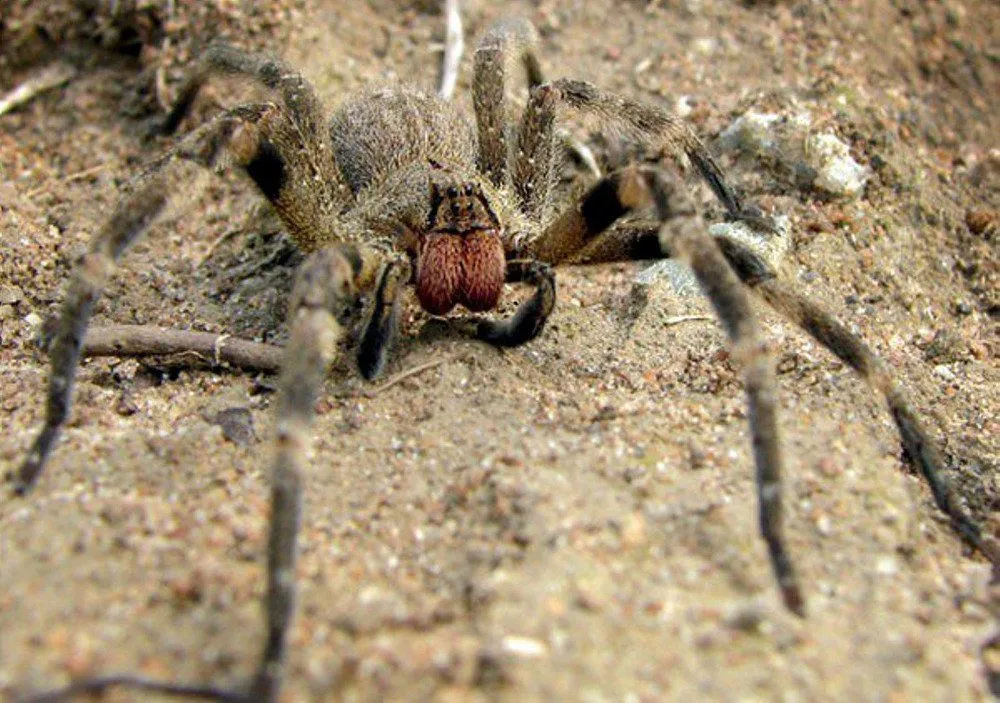
The Brazilian wandering spider is a highly venomous and aggressive spider. Also known as the ‘banana’ spider (because these spiders are frequently found in shipments of bananas), the Brazilian wandering spider ‘wanders’ the jungle floor as opposed to living in a lair or building a web.
Brazilian Wandering Spider Species
According to the Integrated Taxonomic Information System (ITIS), the different species of Brazilian wandering spiders include Phoneutria fera, Phoneutria nigriventer, Phoneutria bahiensis, Phoneutria boliviensis, Phoneutria eickstedtae, Phoneutria keyserlingi, Phoneutria pertyi and Phoneutria reidyi.
Brazilian Spider Anatomy
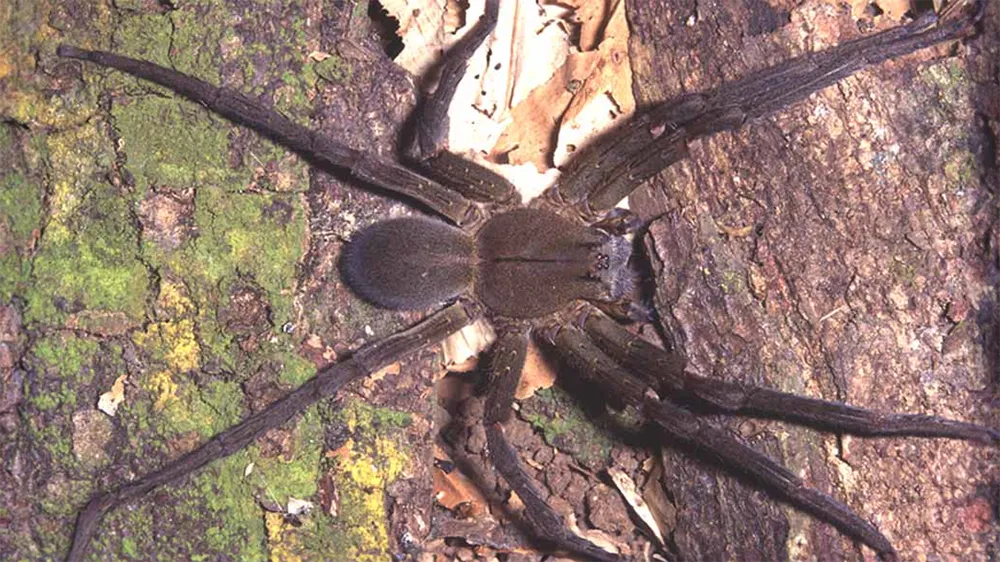
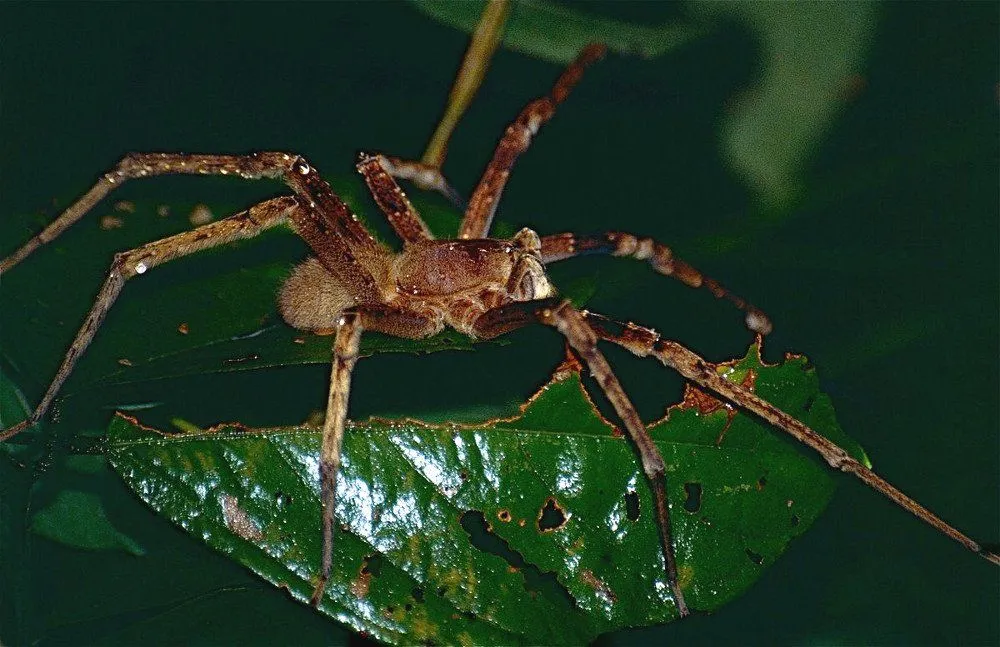
All species of Brazilian wandering spider are mostly brown, hairy and have a black spot on their bellies. These spiders are big too, with leg spans reaching around 15 cm (6 inches) and bodies reaching up to 5 cm (2 inches).
These spiders are nocturnal hunters, so they spend most of their day living and hiding in crevices or under logs, and venture out at night to hunt. They feed on certain insects, small reptiles, amphibians, mice and even other smaller spiders.
Brazilian Wandering Spider Bite And Venom
The bite of a Brazilian wandering spider may cause a few painful pinpricks to full-blown bite. The two most commonly known and feared species of the wandering spider are Phoneutria fera and Phoneutria nigriventer.
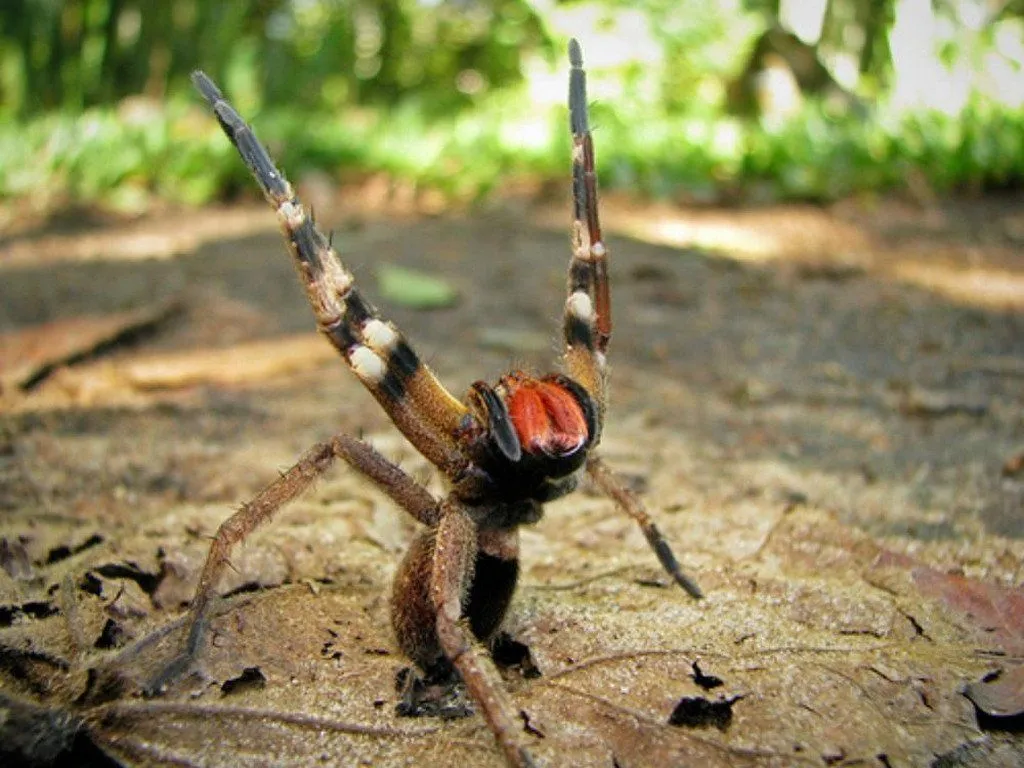
Brazilian wandering spiders are known for being aggressive, thanks to the alarming toxicity of their bite. However, interestingly, that behavior is actually a defense mechanism. When threatened or under attack, they raise their first two pairs of legs, indicating to their predators that the they are ready to attack. Their bites, therefore, are actually an act of self-defense and they do it only when they are provoked, either by accident or intentionally.
Brazilian Wandering Spider Bite On Humans
If you happen to be in a situation wherein you’re bitten by one of these spiders, you may experience several symptoms, such as sweating, goosebumps and severe burning pain at the site of the bite.
Within 30 minutes or so, these symptoms become systemic and include irregular heartbeat, high or low blood pressure, abdominal cramping, hypothermia, nausea, vertigo, blurred vision and convulsions.
If you are bitten by any species of the wandering spider, you should seek emergency treatment, regardless of how the bite appears to be initially. It’s very important, as the venom could be life-threatening.
The venom is a complex cocktail of toxins, peptides and proteins that affects ion channels and chemical receptors in victims’ neuromuscular systems. It so happens that the venom the Brazilian spider Phoneutria nigriventer injects in its victim has been found to contain a few toxic polypeptide fractions, some of which have been purified and proven to be neurotoxic (Source). One of the toxic fractions, designated PhTx-3, has six neurotoxic peptides (Tx3-1 to Tx3-6).
Experimentation has shown that PhTx3 and one of the peptides named Tx3-3 act as calcium channel blockers by decreasing the calcium entry that contributes to glutamate3 and acetylcholine2 release in rat brain cortical slices and synaptosomes. In simple words, the venom of Brazilian wandering spiders messes with the function of the brain and wreak havoc on the victim.
How Dangerous Is The Brazilian Wandering Spider, Really?
The reputation is genuinely earned: Guinness World Records lists wandering spiders of the genus Phoneutria as joint holders (alongside Australia's funnel-web spiders) of the title of most venomous spider, noting that they are responsible for more severe envenomations each year than any other type of spider. In standard mouse assays, their venom has been the most potent measured for any spider.

So can a Brazilian wandering spider actually kill you? In principle, yes, but in practice it almost never does. Around 4,600 Phoneutria bites are reported in Brazil each year, yet the venom is delivered in such small doses, and so often as a "dry" warning bite, that serious poisoning is rare. In the largest clinical study of these accidents, which followed 422 patients over 13 years, the bites were classed as mild in 89.8% of cases, moderate in 8.5%, and severe in only 0.5%. Both of the two severe cases were small children, and one of them, a three-year-old, died of acute pulmonary edema, the only death in the entire series.
That pattern holds across the literature: the people most at risk are young children and the elderly, whose smaller body mass and weaker hearts struggle with a full dose of venom. For a healthy adult, a bite usually means hours of excruciating pain rather than a trip to the morgue. An antivenom produced by the Butantan Institute in Brazil is available, but it is reserved for serious cases. In that 422-patient study, only 2.3% of those bitten ever needed it; most were treated with nothing more than painkillers.
Why Is The Brazilian Wandering Spider Linked To Erections?
Of all the strange effects of Phoneutria venom, the most notorious is priapism, a long, painful, unwanted erection that can outlast the bite by hours. It sounds like internet folklore, but it is a documented clinical sign, reported especially in boys and men envenomated by these spiders, and clinicians treating a wandering-spider bite are taught to watch for it.
Researchers have traced the effect to two specific peptides in the venom, PnTx2-5 and PnTx2-6 (the latter sometimes nicknamed "Tx2-6"). Rather than acting on the brain, these toxins work directly on the erectile tissue of the penis. They slow the inactivation of sodium ion channels in the nerves that supply that tissue, which boosts the release of nitric oxide. Nitric oxide is the body's own chemical signal for an erection: it relaxes the smooth muscle of the corpus cavernosum so that blood floods in. The venom simply hijacks that pathway and jams it open.
That mechanism is exactly why pharmacologists find the toxin so interesting. The blockbuster drug sildenafil (sold as Viagra) treats erectile dysfunction by acting on the same nitric oxide signaling system, just one step further along. In experiments on rats, PnTx2-6 restored erectile function in aged animals and worked even on tissue where standard drugs had little effect, leading scientists to study it as a possible lead for a new class of erectile-dysfunction medicine. So a venom that can be lethal in a child may, in a heavily purified and tamed form, one day end up in a pill.
References (click to expand)
- Deadly Banana Spider ... or not.
- Myth: Deadly Australian/Brazilian spiders.
- Miranda, D. M., Romano-Silva, M. A., Kalapothakis, E., Diniz, C. R., Cordeiro, M. N., Santos, T. M., … Gomez, M. V. (1998, May). Phoneutria nigriventer toxins block tityustoxin-induced calcium influx in synaptosomes. NeuroReport. Ovid Technologies (Wolters Kluwer Health).
- Integrated Taxonomic Information System - Report - www.itis.gov
- Most venomous spider. Guinness World Records.
- Bucaretchi, F., et al. A clinico-epidemiological study of bites by spiders of the genus Phoneutria. Revista do Instituto de Medicina Tropical de Sao Paulo.
- Nunes, K. P., et al. Nitric Oxide-Induced Vasorelaxation in Response to PnTx2-6 Toxin from Phoneutria nigriventer Spider in Rat Cavernosal Tissue. PMC, NIH.
- Erectile function is improved in aged rats by PnTx2-6, a toxin from Phoneutria nigriventer spider venom. PubMed, NIH.