Yes. Animals evolve differently tuned immune systems, so some are far hardier than others. There is no single "strongest," but standouts include American alligators (their serum kills a broader range of bacteria than human serum), bats (they carry deadly viruses without getting sick) and naked mole rats (rarely fall ill or get cancer). Each system is shaped by the species' own survival challenges.
With the COVID-19 pandemic sweeping the globe, pushing people to their physical and mental limits, one thing that’s becoming the center of attention is immunity. Everyone is interested in immunity boosters and people are trying to keep their immune systems as strong as they possibly can. Some of the questions that come up in this regard are: what is immunity and how does it differ from animal to animal?
What Is Immunity?
Immunity is the capacity of an animal to resist toxins and invasive microbes. This is accomplished by the immune systems of animals, which give them their capability to fight against disease-causing microorganisms.
The immune system is a complex network of cells and organs that work together to fight the never-ending battle against germs and toxins until the day the animal dies.
Simply put, the immune system is to an animal’s body what a defense force is to a nation.
Our immune system fights against millions of continuously evolving germs (Photo Credit : peterschreiber.media/Shutterstock)
How Does The Immune System Of Animals Work?
Animal immune systems offer two kinds of defenses: innate immunity and adaptive immunity. Both defensive systems operate simultaneously, but in somewhat different fashions, to provide an extensive cover from toxins and microbes.
The innate immune system is the body's first responder, and it works by spotting tell-tale chemical signatures shared by whole classes of microbes. Every microorganism carries a distinct PAMP (pathogen-associated molecular pattern), a chemical structure that can be made up of carbohydrates, lipids and proteins. This signature PAMP is specific to a particular group of organisms, just as a barcode is a unique pattern for a particular product.
Now, these PAMPs are read by Pattern Recognition Receptors (PRRs). These receptors are present in the bodies of all animals, with the sole purpose of scanning the PAMPs, recognizing the organism and raising the alarm.
The adaptive immune system is a more complex form of immunity, one that is very specific to the type of animal. This adaptive immune response is mediated by our good ol’ pals T and B lymphocytes.
T-cells are one type of immune cell that recognizes potential pathogens and either destroys them or signals another kind of immune cell (the B cells) to produce antibodies against them. These responses are then “remembered” by the immune system of the animal, offering immunity from that particular pathogen.
Why Does Immunity Differ Amongst Animals?
There are many factors that determine the immunity of a living thing: their genetic makeup; external environmental factors, such as their habitat, the food they eat, the water they consume; their internal physiological conditions, such as their natural body temperature and body pH, among others.
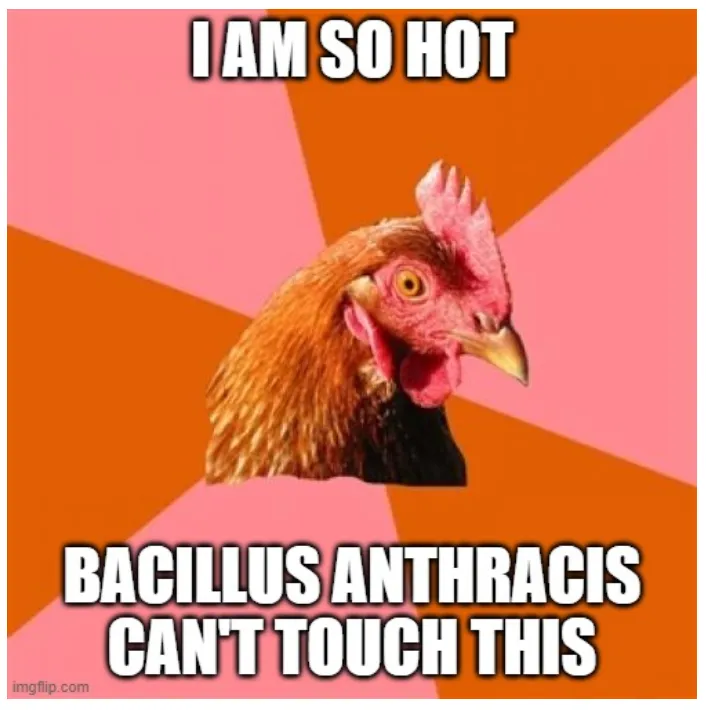
To illustrate with an example, humans, cattle and deer can all succumb to an illness called anthrax. Anthrax is caused by the bacterium Bacillus anthracis. This particular germ affects its host by producing poisonous toxins within all three species.
This disease can be fatal in humans and cattle, but interestingly enough, chickens are highly resistant to it. The naturally high body temperature of a chicken, around 41-42 °C (106-108 °F) versus roughly 37-38 °C (99-100 °F) in humans and cattle, makes it a hostile environment for the bacteria. Louis Pasteur demonstrated this back in 1878: when he chilled a chicken in cold water to lower its body temperature to mammalian levels, the bird suddenly became susceptible and died of anthrax.
A popular topic these days, research into bats shows that they harbor numerous viruses within their bodies without showing any symptoms or signs of disease. This is possible because bat cells have evolved highly effective antiviral immune responses to a multitude of viruses. A key difference is that bats constantly produce type I interferons (the antiviral alarm signals), keeping a low-level defense switched on at all times, whereas our cells only ramp up interferon after an infection takes hold. This lets bats keep viruses in check without the runaway inflammation that often does the real damage in humans.
Flight may help too. When bats fly, their body temperature climbs to around 40-41 °C (104-106 °F) as their metabolism ramps up for sustained activity, a daily "flight as fever" that researchers have proposed might further blunt viral replication. That idea remains unproven, and the constitutive interferon response appears to do most of the heavy lifting. Either way, the upshot is the same: if the same virus infects a bat and a human, the human is far more likely to fall ill, while the bat can carry it and stay perfectly healthy.
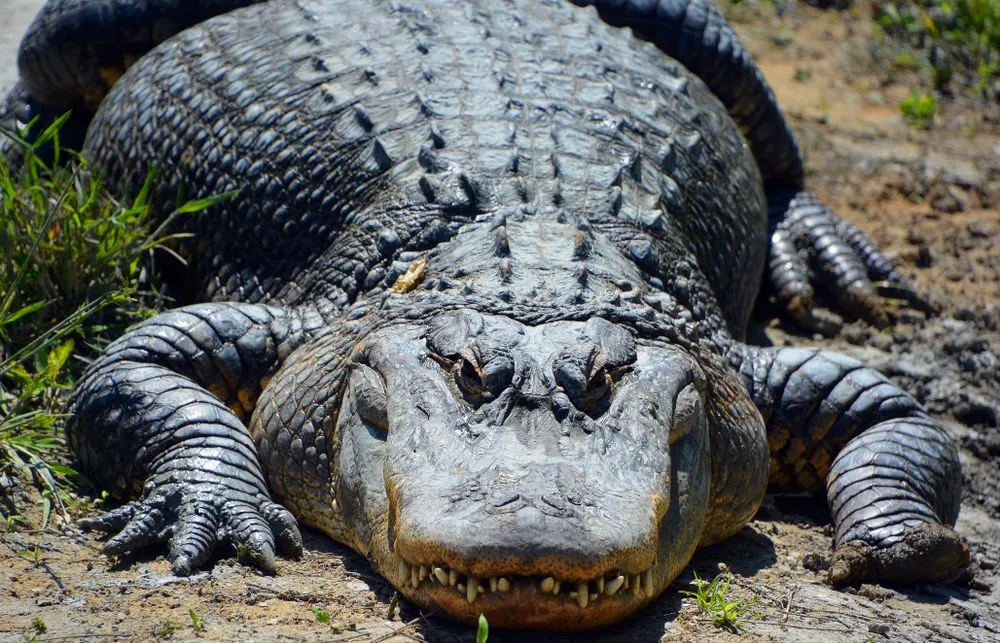
One fascinating study reported that the serum (serum is the liquid portion of blood left after a blood sample is left to clot) from an American alligator had far stronger antibacterial effects than human serum. In lab tests, alligator serum left about 10 times fewer surviving E. coli after one hour, and it stopped the growth of every bacterial strain tested (100%), compared to just 35% for human serum. In other words, an alligator's immunity guards against a much broader range of pathogens than ours does. This is exactly why alligator blood serum is now being studied in an effort to design new ways to fight against antibiotic-resistant bacteria.
Does Host Tropism Play A Role?
One important factor to consider in terms of why some animals are more prone to infections than others is host tropism. Host tropism is the ability of a microorganism to infect a particular tissue, organ or host, causing infections of varying degrees and lethality in different species.
For example, the Newcastle Disease Virus (NDV) is a virus that is deadly in birds, but only causes mild flu-like symptoms or conjunctivitis in humans. It can prove fatal to the former species, but is merely an annoyance to the latter. This is because NDV, being an avian virus, interacts very differently with bird cells than it does with the cells of other animals.
Conclusion
Yes, some animals do have a more evolved immune system than others. This is because each species of animal faces different challenges to their ongoing existence, which causes their immune systems to adapt in different and very specific ways that are most suited to their survival.
Further research is required to better understand the immune system of specific animals. This information can then be further used to design better strategies to fight off infections in humans!
References (click to expand)
- Yuan, S., Tao, X., Huang, S., Chen, S., & Xu, A. (2014, February 1). Comparative Immune Systems in Animals. Annual Review of Animal Biosciences. Annual Reviews.
- Chaplin, D. D. (2010, February). Overview of the immune response. Journal of Allergy and Clinical Immunology. Elsevier BV.
- Banerjee, A., Baker, M. L., Kulcsar, K., Misra, V., Plowright, R., & Mossman, K. (2020, January 24). Novel Insights Into Immune Systems of Bats. Frontiers in Immunology. Frontiers Media SA.
- Goel, A. K. (2015). Anthrax: A disease of biowarfare and public health importance. World Journal of Clinical Cases. Baishideng Publishing Group Inc.
- Amarante-Mendes, G. P., Adjemian, S., Branco, L. M., Zanetti, L. C., Weinlich, R., & Bortoluci, K. R. (2018, October 16). Pattern Recognition Receptors and the Host Cell Death Molecular Machinery. Frontiers in Immunology. Frontiers Media SA.
- (2017). Paramyxoviridae and Pneumoviridae. Fenner's Veterinary Virology. Elsevier.
- Merchant, M. E., Roche, C., Elsey, R. M., & Prudhomme, J. (2003, November). Antibacterial properties of serum from the American alligator (Alligator mississippiensis). Comparative Biochemistry and Physiology Part B: Biochemistry and Molecular Biology. Elsevier BV.
- Oka, K., et al. (2022). Resistance to chemical carcinogenesis induction via a dampened inflammatory response in naked mole-rats. Communications Biology.