Animals other than humans also have an appendix. In fact, research suggests that the appendix has evolved more than 30 different times, which hints at its evolutionary usefulness.
Any one of the 300,000 people that go to the hospital in pain every year because their appendix has gotten inflamed or burst could yell, “Why do we have this thing?”
It’s a good question.
In biology, the appendix is often called a vestigial organ. That label is a little misleading, though: vestigial doesn’t mean useless, only that a structure has lost most of the job it once did in our ancestors. As we’ll see, the appendix may still be earning its keep.
So, are we the only animals to have this little body part? And if not, is it a vestige in other animals too?
The Appendix Of Mammals
When evolution finds something useful, chances are good that it will give many different animals that thing. Our “useless” appendix has evolved 32 separate times in different mammals.
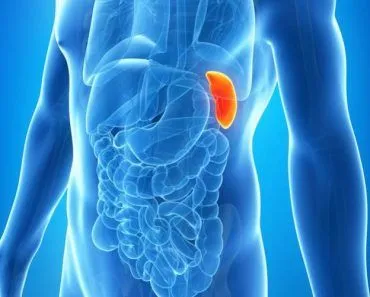
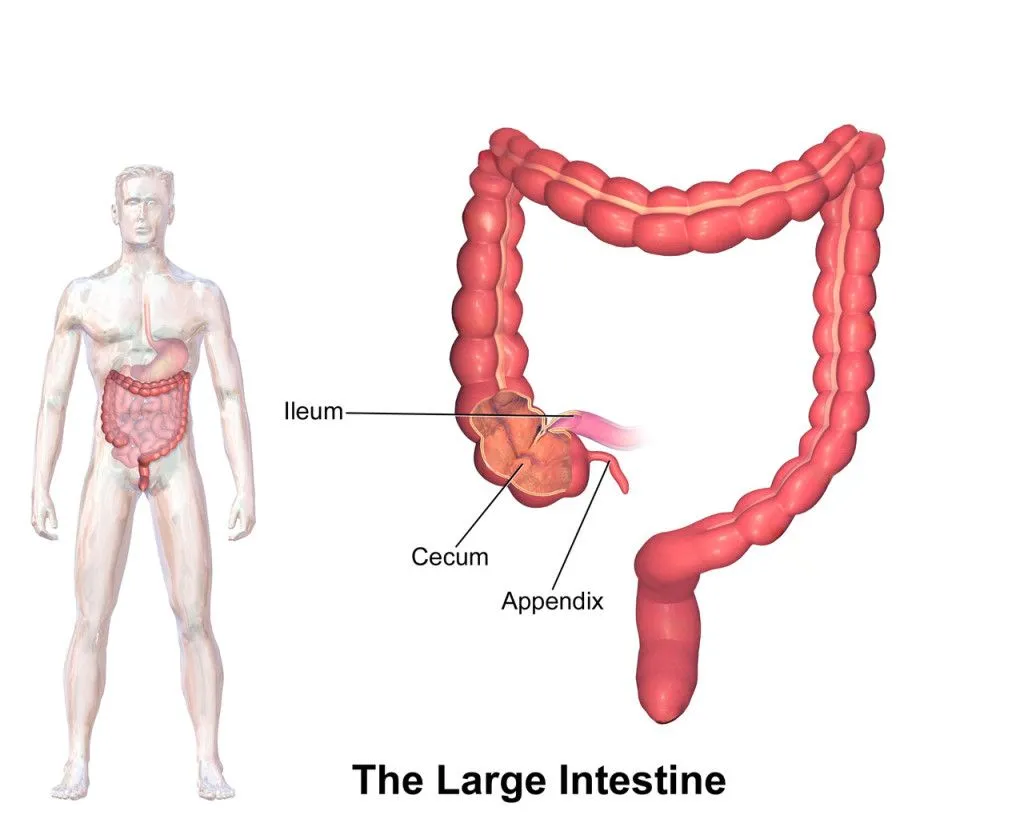
The appendix is a wormy, deflated balloon-looking tube at the junction of the small intestine and the large intestine.
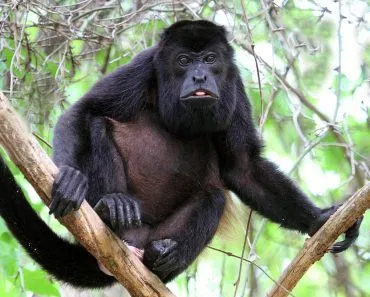
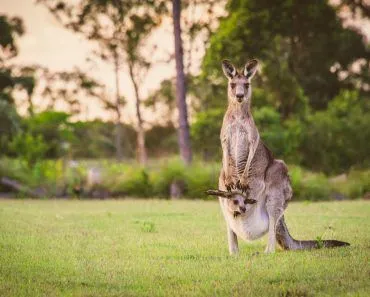
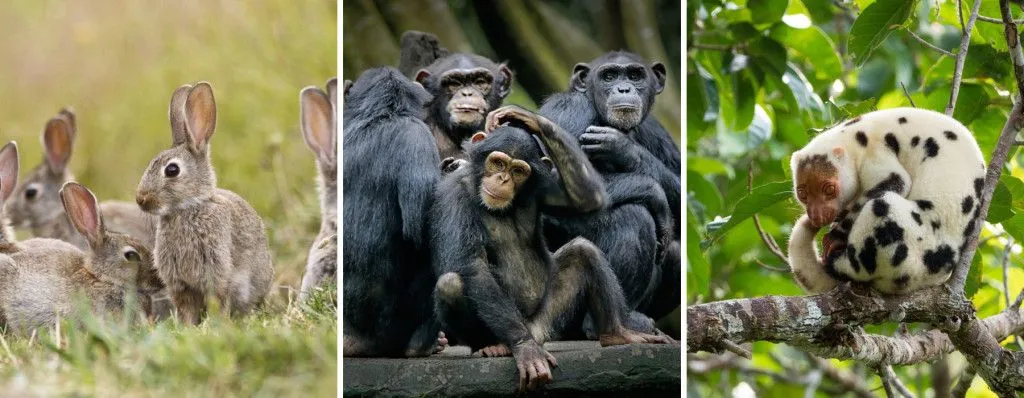
Our close cousins, the primates, have appendixes (not to be mistaken for appendices at the end of books), some rodents have appendixes, and so do rabbits, which are lagomorphs rather than rodents and have an especially active one. Even marsupials in faraway Australia, such as wombats and the cuscus (not to be mistaken for couscous) have appendixes.
There are also animals that have appendix-like structures. Such variations are present in animals that don’t have a cecum, the small pouch where the small intestine opens into the large intestine. This appendix-like structure is present in some monotremes (platypus), birds and ray-finned fish (who have a fun scientific name: Actinopterygians).
When The Appendix Helps
What does the appendix do in all these animals? Does it work? And if so, what is its function?
One of its proposed functions is that it harbors gut bacteria and plays a role in your immune system.
Sometimes, gut-related diseases can wreak havoc on the little gut microbe friends living in your intestines. Your gut microbes are crucial for your health. Scientists think the appendix is a reservoir for gut bacteria, and that it can help the gut repopulate with gut bacteria.
The researchers who studied the evolution of the appendix found that the appendix in most animals had lymphoid tissues. Lymphoid tissue is a place where a kind of immune cell called lymphocytes are active and mature. The researchers inferred that if the appendix has immune cells, then it must have a role in providing the animal with immunity.
In animals like rabbits and rodents, the appendix also aids in the digestion of tough plant materials by harboring bacteria that break down cellulose into digestible nutrients. In fact, among animals that eat a lot of hard-to-digest plants, the appendix seems to be larger and more useful.
Believe In Yourself. Believe In Your Appendix.
Let’s talk a bit more about the appendix helping rabbits digest cellulose, as it can reveal something about our own appendix.
Charles Darwin had a theory about the appendix and why it is, according to him, a vestigial organ. Ancestors of modern human might have been herbivores, eating almost exclusively plant matter. To help digest all that cellulose, just like the rabbit, we had a notably larger large intestine.
However, over time, humans shifted to a less plant-based and more fruit-based diet, which is easier in terms of digestion, and the extra bit of the large intestine shriveled up into what we today know as the appendix.
Despite that theory, new evidence acquired from better technology has shed new light on the appendix and what it does. We have evidence for its immune function and its gut microbe function. This evidence supports the hypothesis that the appendix still has a role in immune function.

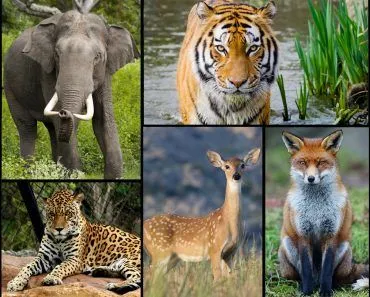
I say hypothesis because there are still questions left unanswered. Why do only some animals have an appendix and not others? If you look at the list of animals above, you’ll notice a few conspicuous omissions. No cats, no dogs, no bats, no cows, no horses… If the appendix is so great for an animal’s immunity, why has evolution not conferred an appendix upon these animals?
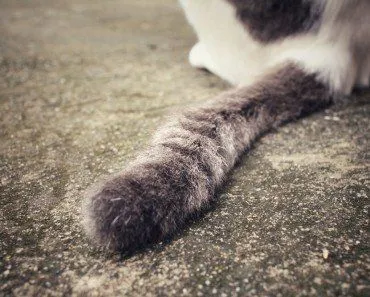
Do Dogs And Cats Have An Appendix?
This is the question most readers actually arrive with, usually right after a pet has had a sore stomach. The short answer is no. Dogs and cats do not have an appendix, which also means, reassuringly, that they cannot get appendicitis.

What they do have is a cecum, the little pouch sitting where the small intestine meets the large intestine. In us, the appendix hangs off the end of that pouch like a wormy afterthought. In dogs and cats, the pouch is there but the wormy tip never forms. Their cecum is fairly small too, which suits their history as meat-eaters: a cat or a dog has no need for a large fermentation chamber to break down grass and leaves the way a rabbit or a cow does.
Does that leave them missing out on the appendix’s supposed immune perks? Probably not. In animals that lack an appendix, the far end of the cecum is still rich in lymphoid tissue, the same immune-cell-packed material found in our appendix. Researchers think this tissue quietly does much of the same job, just without a dedicated pouch to show for it.
The same goes for plenty of other familiar animals. Cows, horses, pigs, and bats have no appendix either, even though some of them, like the horse, run enormous fermentation chambers elsewhere in the gut. A working appendix, it turns out, is not a requirement for a healthy gut.
Which Animals Have An Appendix, And Which Don’t?
Because the appendix has appeared and disappeared so many times across the mammal family tree, the guest list looks a little random. Here is the quick version.
Animals that have an appendix:
- Humans, along with our great-ape relatives such as chimpanzees and gorillas
- Rabbits, which run one of the most active appendixes of any animal
- Some rodents, including certain voles and porcupines
- A handful of marsupials, such as the wombat and the cuscus
Animals that don’t:
- Dogs and cats
- Cows, horses, and other hoofed grazers
- Pigs
- Bats

One animal is worth singling out: the koala. It doesn’t carry a tidy little appendix like ours. Instead it has a cecum so enormous, about 2 meters (roughly 7 feet) long, that the whole organ doubles as a fermentation tank for its tough, mildly toxic diet of eucalyptus leaves. It is the same corner of the gut as our appendix, simply scaled up to do a very particular job.
Wrapping Up The Appendix Saga
Studying the appendix and whether or not different animals have one opens a wider conversation within evolutionary biology. We don’t have answers to many of these questions, but researchers are more closely considering the appendix within us and other species.
It is common practice for surgeons to remove the appendix as a precaution when they perform any abdominal surgery. Unfortunately, new evidence is suggesting that removing the appendix as a blanket measure against infections might be a bad idea. Individuals who have had an appendectomy might have a harder time recovering from a gut infection from the overpopulation of the bacteria called C. difficile.
Unfortunately, if your appendix is near to bursting, you’ll still have to get it taken out!
References (click to expand)
- Smith, H. F., Parker, W., Kotzé, S. H., & Laurin, M. (2017, January). Morphological evolution of the mammalian cecum and cecal appendix. Comptes Rendus Palevol. Elsevier BV.
- Vitetta, L., Chen, J., & Clarke, S. (2019, January). The vermiform appendix: an immunological organ sustaining a microbiome inoculum. Clinical Science. Portland Press Ltd.
- Yong, F. A., Alvarado, A. M., Wang, H., Tsai, J., & Estes, N. C. (2015, March). Appendectomy: a risk factor for colectomy in patients with Clostridium difficile. The American Journal of Surgery. Elsevier BV.
- Darwin, C. (1888). The descent of man, and selection in relation to sex (Vol. 1). Murray.
- Smith, H. F., Fisher, R. E., Everett, M. L., Thomas, A. D., Bollinger, R. R., & Parker, W. (2009). Comparative anatomy and phylogenetic distribution of the mammalian cecal appendix. Journal of Evolutionary Biology.
- Koala. Encyclopaedia Britannica.