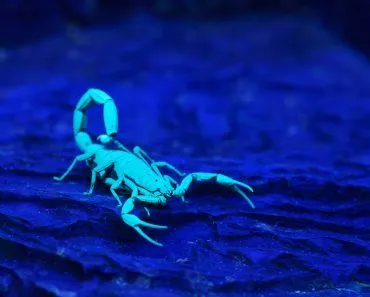
Certain animals’ eyes glow in the dark because of the tapetum lucidum, a reflective layer sitting behind the retina. It bounces light that the eye missed straight back through the photoreceptors, giving them a second chance to absorb it. That reflected glow is called eyeshine, and it sharpens night vision in cats, dogs, deer and many other animals.
Some animals’ eyes shine in the dark because there is a special reflective layer behind the retina (called the tapetum lucidum) that increases the amount of light absorbed by the photoreceptors in their eyes.
As a kid, I always believed that cats and dogs had some form of ‘organic’ radium in their eyes that made their eyes glow in the dark. I’m sure a lot of kids that age believe that too. However, as it turns out, there is no organic radium making the eyes of these animals shine.
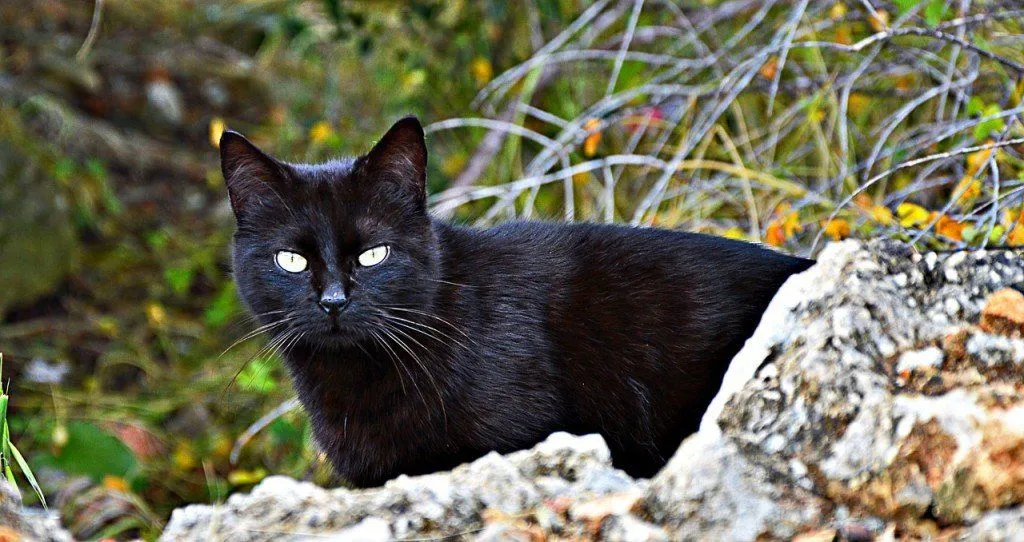
What Is Tapetum Lucidum?
The tapetum lucidum is the reflective layer of tissues that is found in the eyes of many vertebrates and invertebrates. In the case of vertebrates (e.g., cats, dogs etc.), this layer sits just behind the retina, within the choroid (the blood-vessel-rich layer between the retina and the white outer wall of the eye).
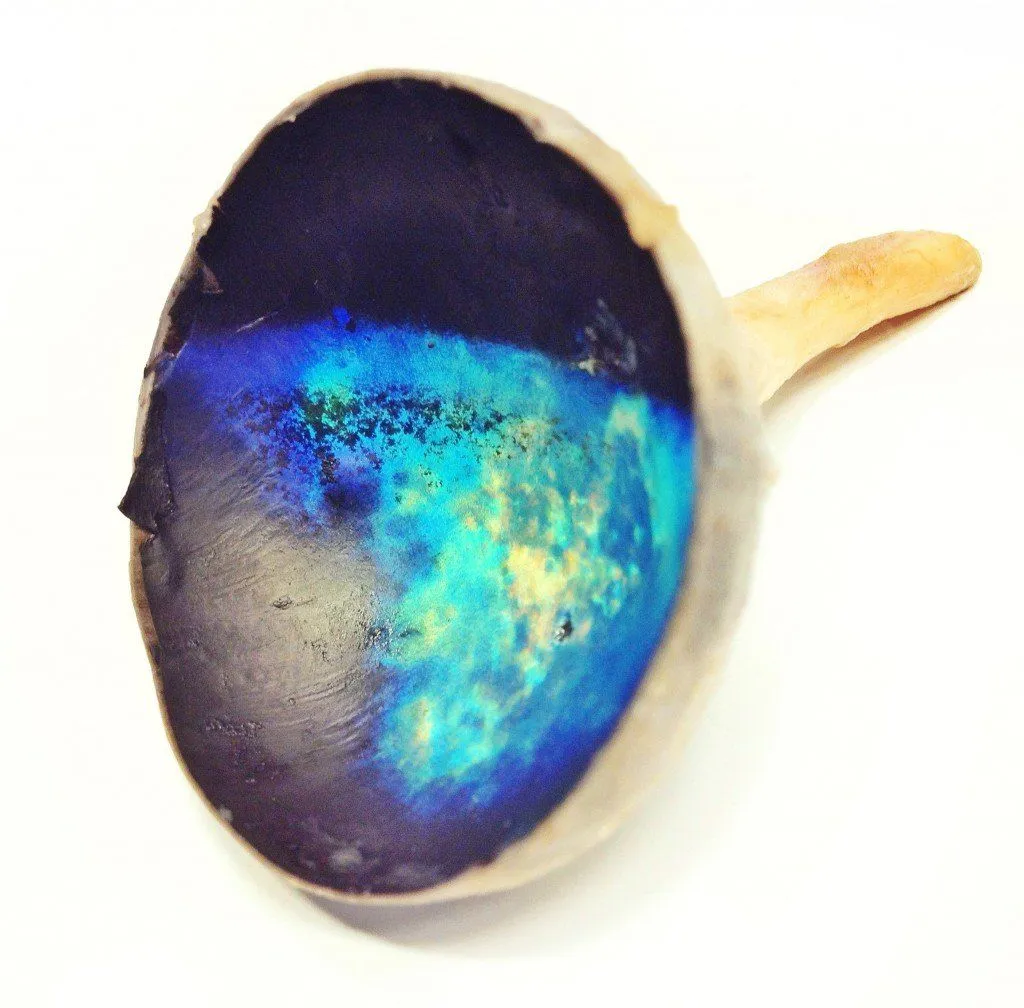
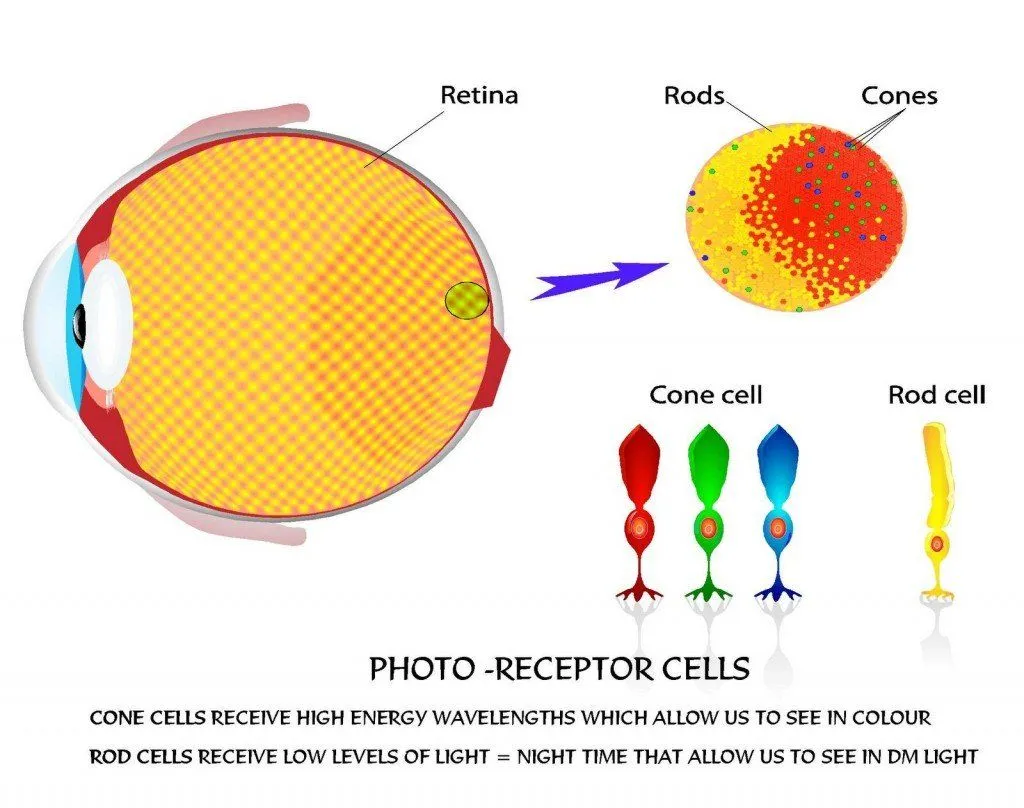
The main function of this reflective layer is to increase the light that is available to the photoreceptors in the eyes. Photoreceptors are special neurons in the retina that convert visible light (by absorbing photons of light) into signals that can subsequently trigger biological processes in the body.
You might have read about the cones and rods in our eyes that help us differentiate between colors and provide visibility at night, respectively. Cones and rods are actually two of the three types of photoreceptor cells found in the retina of mammals.
In simple words, you could say that the tapetum lucidum is a sort of mirror at the back of the eyes of certain mammals that makes their eyes shine (which is more apparent at night).
Why Does The Tapetum Lucidum Make Animals’ Eyes Shine/glow?
All vertebrates that have the tapetum lucidum layer in their eyes tend to have glowing pupils (this effect is known as eyeshine). But why is that? How does a layer of cells behind the retina make an animal’s eyes glow?
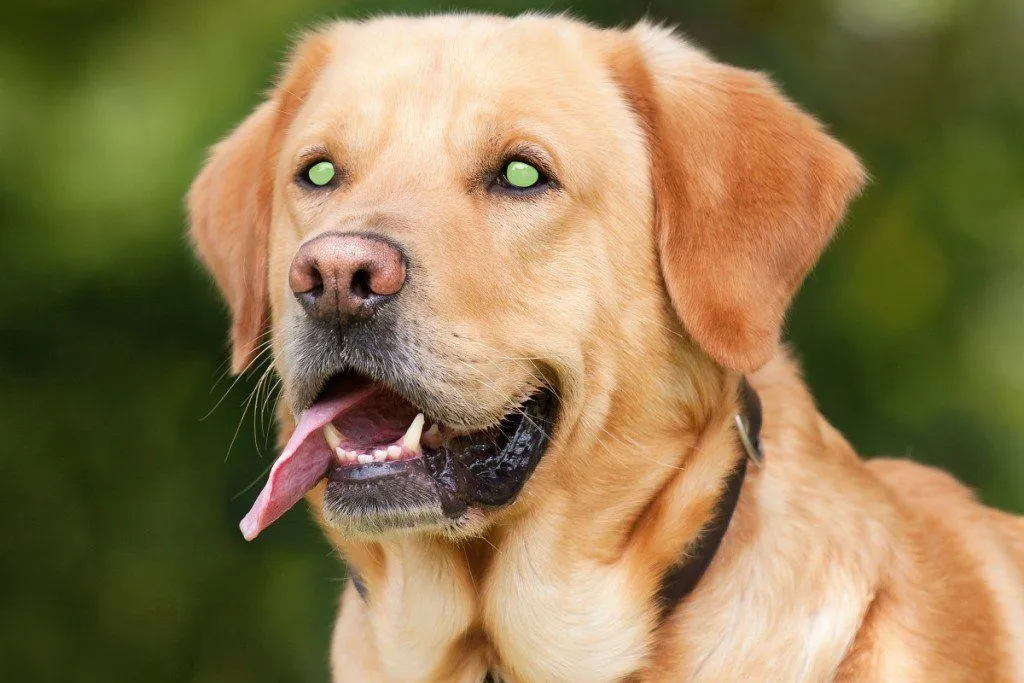
It’s basic optics, really. Since the tapetum lucidum layer is a retroreflector (something that reflects the incident light back to its source without much scattering) of the transparent shape type, it reflects the light that is incident on it back onto its original path. As a result, the original and the reflected light mix together, giving the photoreceptors in the eyes a second chance to absorb the light.
This helps the animal see more clearly (especially at night), as the photoreceptors get more light and thus produce a brighter image of the object. However, this sort of enhanced night vision in animals comes with a caveat; the images they see due to this reflection and absorption of light are a little blurry.

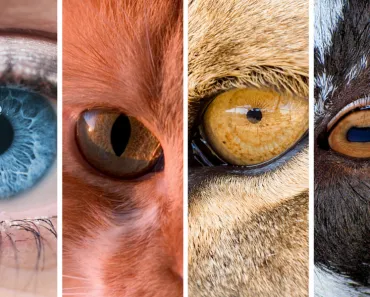
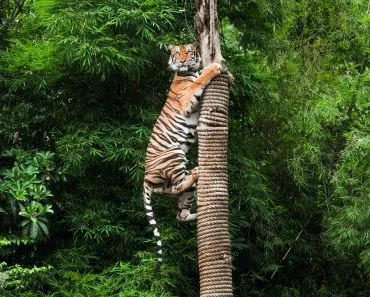
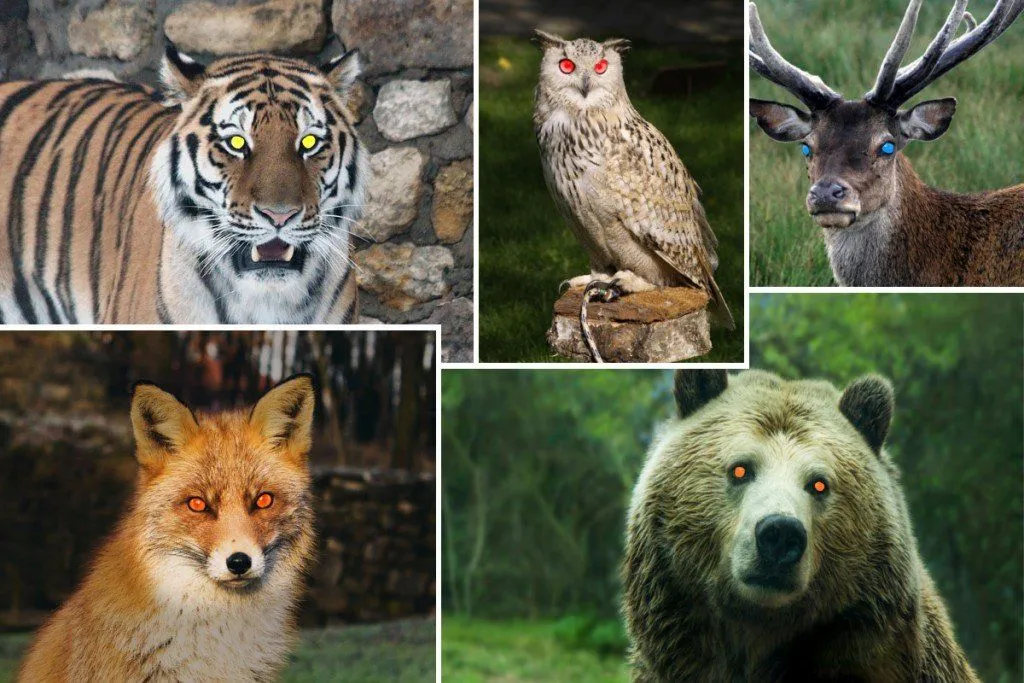
Although the tapetum lucidum itself has a color, the associated eyeshine is iridescent, so its color depends on the minerals that make up the reflective tapetum lucidum crystals and the angle at which the eyeshine is seen. The most common colors of eyeshine include whitish with a blue periphery (in dogs), greenish (in tigers), golden green with a blue edge or pale blue with a lavender edge (in gazelles).
So why don’t our eyes light up the same way? Humans (and most other primates) simply don’t have a tapetum lucidum, so there’s no mirror to throw the light back. You may have noticed that human eyes sometimes turn red in flash photos, but that ‘red-eye’ is something different: it’s light bouncing off the blood-rich choroid and retina at the back of the eye, not off a reflective tapetum. That’s also why a dog or cat in the same photo often flashes green or yellow eyeshine while the people beside them show red.
A lot of animals, especially nocturnal ones, have eyeshine, as it helps them to see better at night, gives them a natural edge while hunting for food, and helps them avoid predators.
Even aquatic animals like crocodiles, sharks, and teleosts have this reflective layer at the back of their eyes.
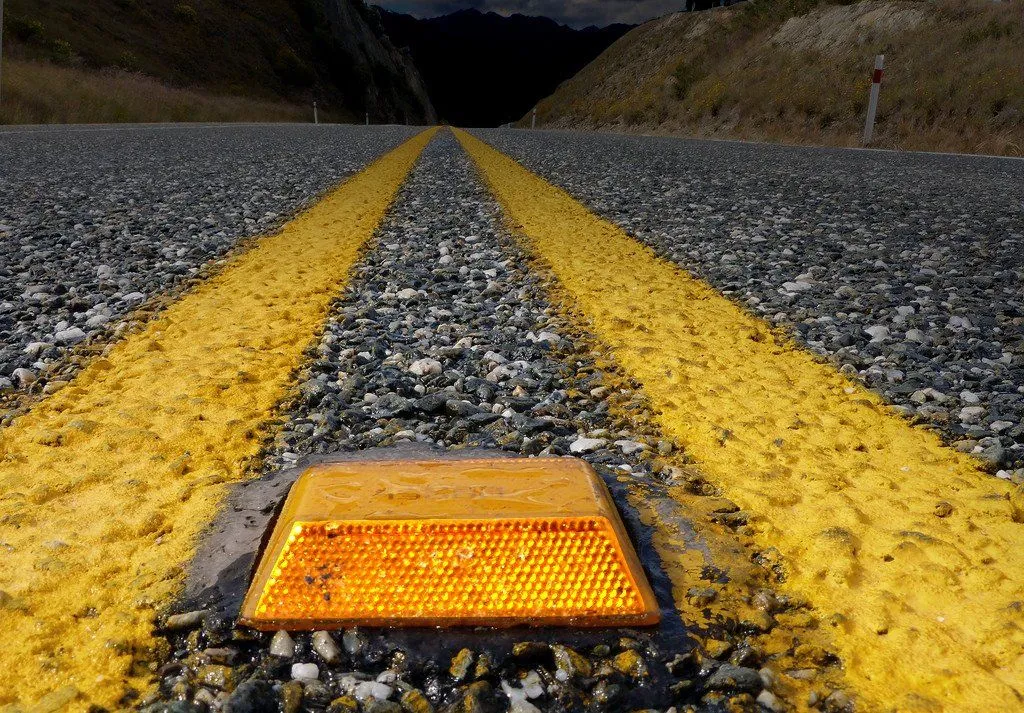
Humans often spot and locate certain species of animals in the dark by scanning for their reflected eyeshine. Also, trained horses and dogs help us in search-and-rescue operations conducted at night, so that’s another advantage that we derive from the eyeshine of other animals. We’ve even used the idea of tapetum lucidum to enhance safety on our roads by making ‘cat’s eyes’ – synthetic retroreflectors that are used in raised pavement markers.
What Color Eyeshine Do Different Animals Have?
Have you ever caught two glowing eyes in your headlights and wondered what was staring back at you? The color of that glow is one of the best clues. Eyeshine comes in a whole range of shades, including white, blue, green, yellow, orange, pink and red, and the exact hue depends on the animal looking back at you.

As a rough field guide, here is what different animals tend to show. Deer and elk usually shine a bright white, while a moose leans toward red. Mountain lions and bears fall in the yellow-to-red range, so a black bear can glow anything from yellow to orange to red depending on the angle. Foxes, coyotes, and domestic cats and dogs most often show green, though cat eyeshine can also slide toward orange or red. Rabbits tend to glow red, and an alligator gives off an unmistakable reddish orange. Horses can even show a blue glow.
So why all the different colors? Remember that eyeshine is a form of iridescence, the same shimmer you see on a soap bubble or a CD. That means the color you perceive shifts with the angle you are viewing from and the color of your light source, which is why the same animal can look slightly different from one glance to the next. On top of that, the reflective crystals in the tapetum lucidum aren’t made of the same stuff in every species. The difference in eyeshine color is largely down to the varying amounts of zinc and riboflavin (vitamin B2) packed into those crystals. Dogs and ferrets rely mainly on zinc, cats use both riboflavin and zinc, and lemurs use riboflavin alone, and each recipe bends the reflected light a slightly different way. Deer caught in headlights are simply the most familiar example of this whole effect in action.
Which Animals Have Eyeshine (And Which Don’t)?
Eyeshine isn’t some rare quirk; it’s widespread across the animal kingdom, and it shows up most strongly in animals that need to make the most of dim light. Cats and dogs are the obvious examples, but the list is long: deer, foxes, coyotes, raccoons, bears, mountain lions, cattle, horses and many other mammals all have a tapetum lucidum. So yes, bears do have eyeshine, and so do deer, foxes and coyotes. The feature isn’t limited to mammals either. Owls and other birds, crocodiles and alligators, sharks, frogs, and even spiders carry a reflective layer behind their light-sensing cells. Shine a flashlight across a lawn at night and the tiny scattered sparkles you sometimes catch are the eyes of wolf spiders glinting back at you.

So which animals don’t get the glow? Humans, for a start. Like other haplorhine primates (the group of monkeys and apes we belong to), we evolved as daytime creatures and never developed a tapetum lucidum, so there’s no built-in mirror to throw light back. Squirrels, pigs and red kangaroos go without one too. That’s also why human eyes don’t flash green or gold in a photograph the way a pet’s do; the “red-eye” you sometimes see in flash snaps is just light bouncing off the blood-rich tissue at the back of the eye, not off a reflective tapetum. As a general rule, the brighter and more obvious an animal’s eyeshine, the more its eyes are built for the night and the more nocturnal hunting it tends to do.
References (click to expand)
- Cow's Eye Dissection - step 13 - Exploratorium. The Exploratorium
- Nocturnal Mammals - Comparative Physiology of Vision. The Evergreen State College
- Ollivier, F. J., Samuelson, D. A., Brooks, D. E., Lewis, P. A., Kallberg, M. E., & Komaromy, A. M. (2004, January). Comparative morphology of the tapetum lucidum (among selected species). Veterinary Ophthalmology. Wiley.
- Eyeshine — Young Naturalist. Texas Parks and Wildlife Department.
- Eyeshine Color and Animals — Who is Looking at You? Walking Mountains Science Center.
- Tapetum lucidum. Wikipedia.