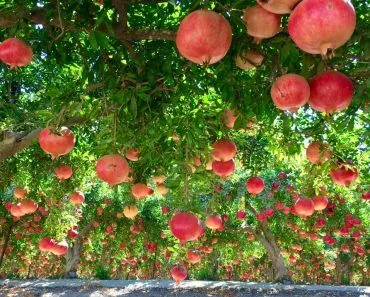
So, the answer to the question is – kind of. Plants next to roads can absorb pollution and become harmful, but it really depends on the type of pollution and how close the plant is to the road.
With increasing awareness about the environment and public health, the idea of growing one’s own vegetables and fruits has been gaining significant traction. More and more people are taking up gardening and planting their own food in their backyard. And this is a good thing, because it’s not just advantageous for one’s own health, but also beneficial for food security and the environment.
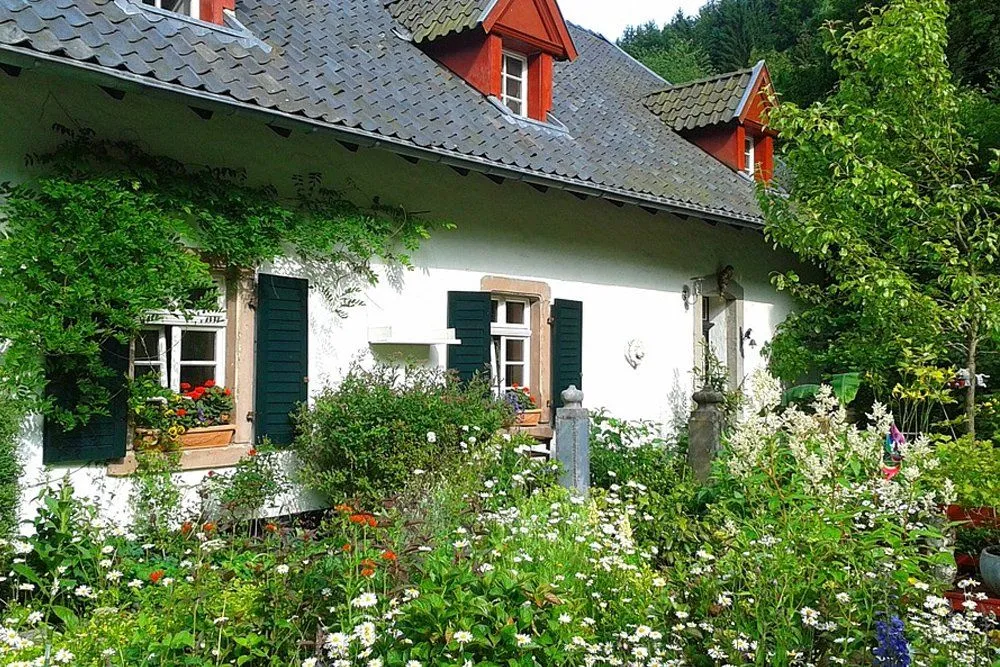
People have many different reasons behind ‘planting their own’. Some people do it to help the environment, some people think getting vegetables from the supermarket is far too expensive, and some just like gardening. There are also some people who think that the veggies they grow in their own house gardens are ‘safer’ than what they buy in grocery stores.
Now, the word ‘safe’ can have several interpretations. If you want to ensure that the veggies you are eating are not ‘externally tampered’ with in any way, then sure enough, planting your own garden is the best way to go.
However, you need to understand a thing or two about starting your own garden, as foods grown in urban areas are not necessarily as healthy as you might think.
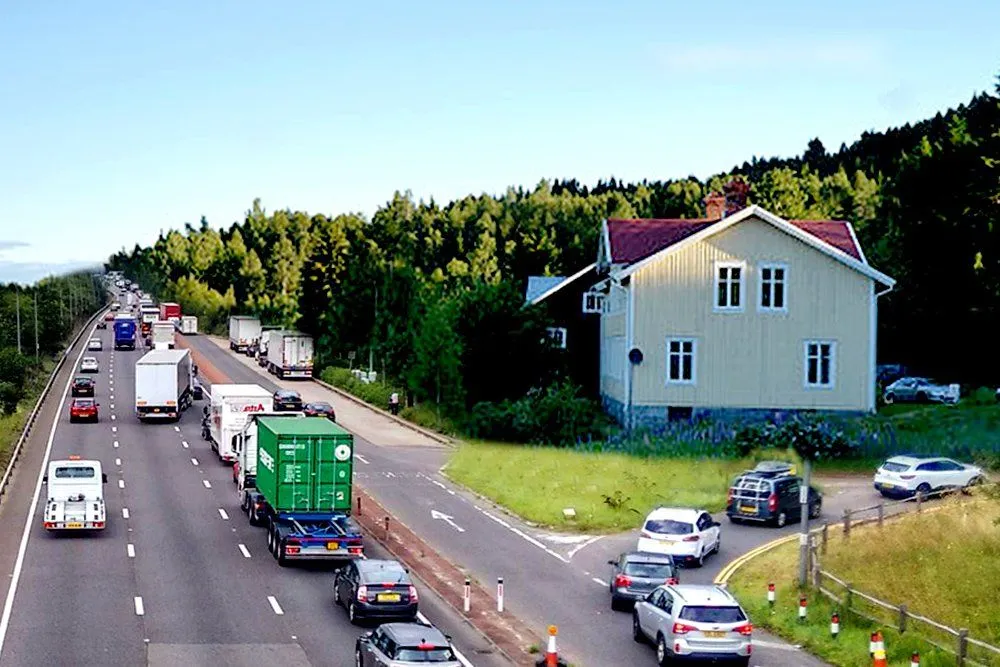
Do Plants Near Busy Streets Absorb Pollution?
In order to answer that question, we need to first identify the things that cause air pollution AND are relevant to this discussion.
Carbon Dioxide
Carbon dioxide produced by vehicles is the most common air pollutant near busy streets. Fortunately, plants actually need carbon dioxide to grow. This air pollutant is actually plant food, as plants need carbon dioxide for photosynthesis – the process by which they synthesize their food.
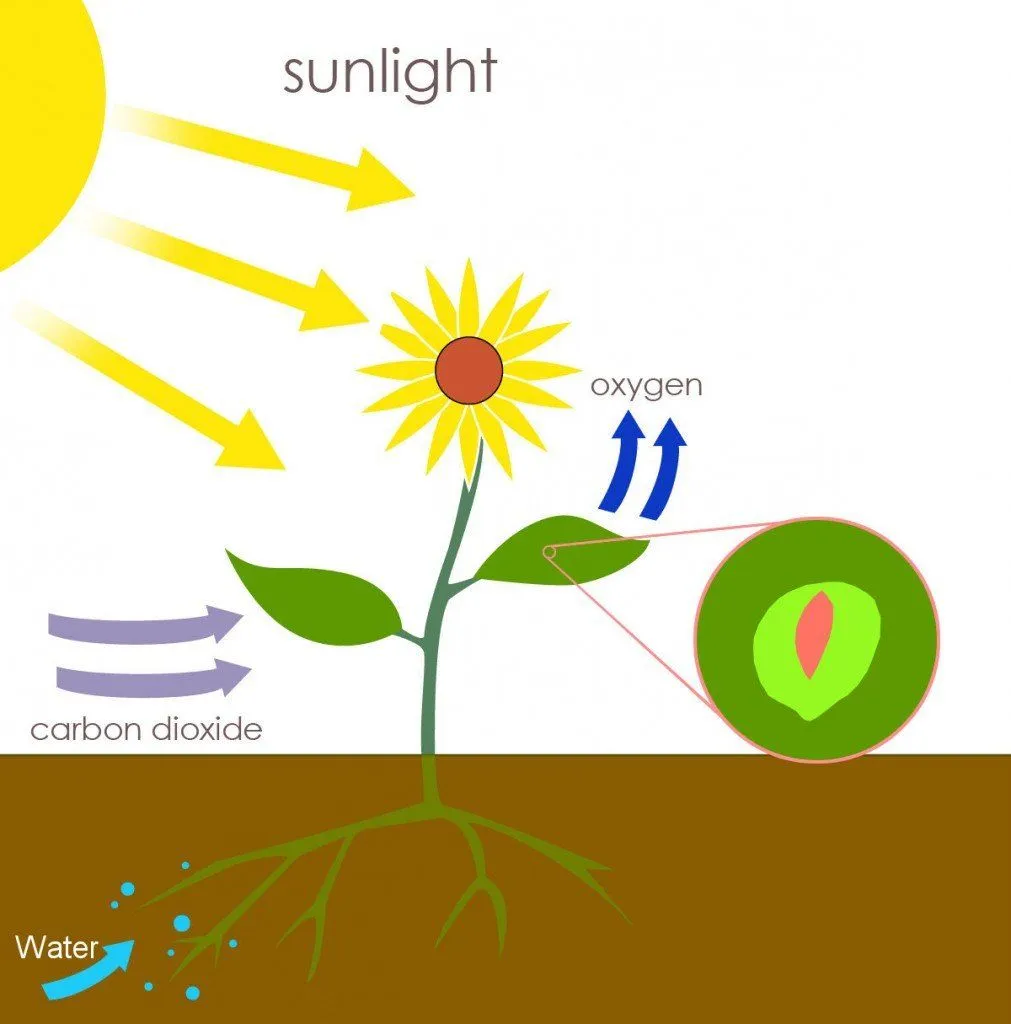
So, the carbon dioxide emitted by vehicles on the road does not threaten the plants in your garden, and as such, your veggies don’t face any danger of becoming contaminated or dying.
Nitrogen Oxides (NOx)
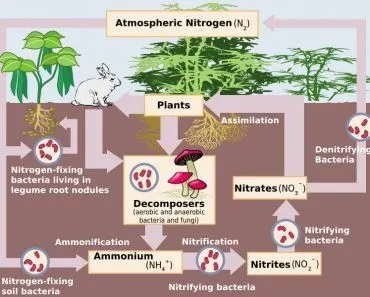
Motor vehicles also produce nitrogen oxides (NO and NO2, collectively called NOx), in addition to carbon dioxide. NOx reacts with sunlight and volatile organic compounds to form ground-level ozone and photochemical smog, and is bad for humans in large doses. The relationship with plants is mixed: at low levels, deposited nitrogen acts as a fertilizer (which is why nitrogen is a common ingredient in industrial fertilizers), but at high roadside concentrations NOx contributes to soil acidification and the ozone it produces is one of the leading air pollutants damaging crop yields worldwide. That makes sense, considering that nitrogen is a common ingredient in most industrial fertilizers.
Particulates
These are the bad guys of which you should be wary. Cars don’t just produce carbon dioxide and nitrous oxides, but also other types of particulate matter, including carbon that comes from fuel combustion of the engine.
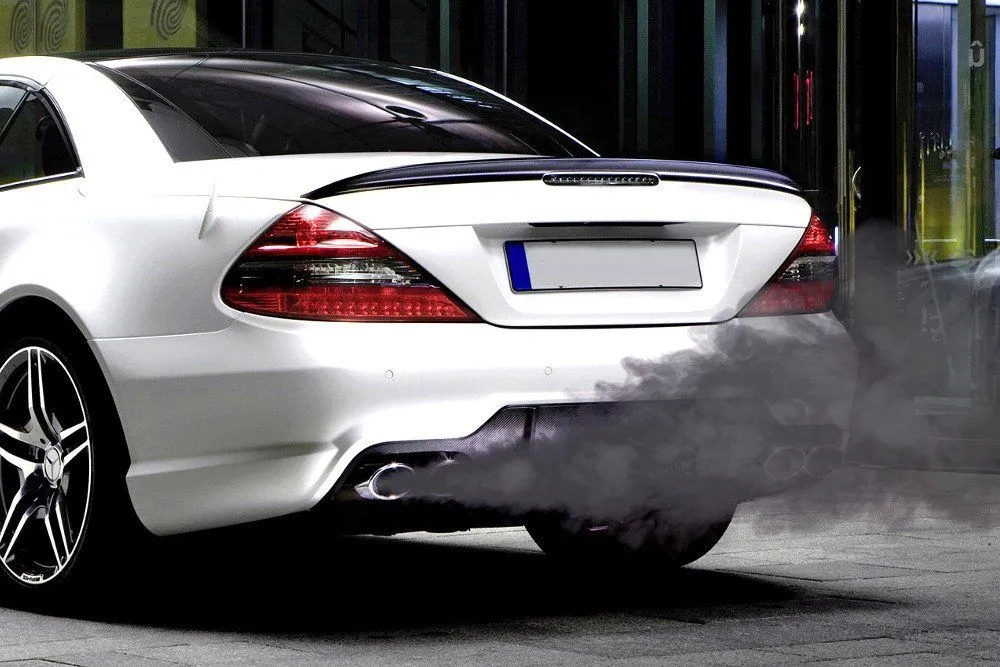
Polycyclic Aromatic Hydrocarbons (PAH) constitute a small proportion of this particulate matter. These chemicals are known to cause certain types of cancer. However, they don’t – directly – affect the plants. Instead, they mix up with dust and land on nearby vegetation, which means that plants and veggies get less sunlight than normal. This is certainly a bad thing.
Lead And Other Metals
This is the most dangerous aspect of growing vegetables close to roads. Leaded gasoline has been banned worldwide (in the US for on-road vehicles since 1996, and globally since 2021), but the lead that motor traffic deposited along busy roads over the previous century is still in the soil. Lead binds tightly to soil particles, and once it is there, plants cannot guard against absorbing it. There’s a real chance the lead will end up in the veggies that you grow in your ‘urban’ garden.
Lead poisoning can cause severe problems in the brain and affect one’s personality. In other words, there’s no telling how bad it is for anyone consuming lead-contaminated foods.
Copper and zinc are some of the other metals that get to plants, as car brakes and tires contribute to copper and zinc dust accumulating along roads. Needless to say, the consumption of high doses of these metals can be detrimental to the health of a plant, as well as a human!
You may be surprised to learn that vegetables are a major source of human exposure to heavy metals. This is why it’s not a good idea to grow your own veggies in contaminated soil.
As a general rule of thumb, the closer you are to busy roads and streets, the higher the risk is of your plants becoming contaminated. With that in mind, it’s best to do some intensive research of the soil and the surrounding area before starting an at-home vegetable garden and eating whatever it produces!
Can Carbon Monoxide Kill Plants?
A lot of people get carbon monoxide mixed up with carbon dioxide, so it’s worth clearing this up. Engines don’t only emit carbon dioxide; when fuel burns without enough oxygen, they also release carbon monoxide (CO), the same colorless, odorless gas that makes a faulty home furnace so dangerous. So does this stuff kill the plants growing beside the road?

The honest answer is that it depends entirely on the dose. At high concentrations, carbon monoxide really is toxic to plants. In a classic survey, 108 plant species exposed to an atmosphere of 1% carbon monoxide showed a long list of problems: 45 of them developed abnormal (epinastic) leaf growth, while others showed upward-curling leaves, stunted stem growth, abnormally small new leaves, and yellowing that started with the oldest leaves before they dropped off. The mechanism is much like the one in animals: CO binds to cytochrome c oxidase in the mitochondria and jams cellular respiration, the process plants rely on to release the energy stored by photosynthesis.
Here’s the twist, though. At very low levels, carbon monoxide isn’t a poison at all but a signaling molecule that plants actually make themselves, and small doses can encourage seed germination, root development, and tolerance to stresses such as salt and drought. The catch for a roadside garden is simply that the carbon monoxide drifting off passing traffic is far too dilute to reach the toxic 1% laboratory levels, and far too uncontrolled to act as a helpful signal. In practice, CO is not the pollutant that should worry the home gardener; the particulates and heavy metals covered above are.
Why Do Roadside Plants Struggle To Grow?
Step back from the dinner-plate question for a moment. Even when nobody is planning to eat them, the trees, shrubs, and weeds clinging to the edge of a busy road often look stunted, scorched, or half-dead. Pollution is only part of the story, and several of the real culprits have nothing to do with what gets absorbed into the leaves.

In colder climates, the single biggest offender is de-icing salt. Salty meltwater sprays off the pavement onto foliage and soaks into the soil along the verge. Plants within the spray zone of moving traffic (roughly the first 4.5 meters or 15 feet of the road, and further downwind) are the most likely to be injured. Once sodium and chloride build up in the soil, they hold water so tightly that roots struggle to drink even when the ground is damp, a kind of physiological drought. Sodium also displaces nutrients such as potassium and phosphorus and breaks down soil structure, which shows up as leaf scorch, twig die-back, and sometimes the death of whole branches.
Then there is the air itself. The nitrogen oxides from traffic react with sunlight to form ground-level ozone, and ozone is genuinely phytotoxic. It slips in through the leaf pores, reduces photosynthesis, slows growth, and leaves telltale stippling or bronzing on the upper leaf surfaces. Seasonal average ozone levels of just 40 to 60 parts per billion have been linked to a 5 to 15% drop in the yield of broadleaf crops, and ozone also makes plants more vulnerable to disease, insects, and bad weather.
Finally, the ground beside a road is a hard place to be a root. Soil next to pavement tends to be compacted, poorly drained, and starved of oxygen, with little room for roots to spread. Add the heat radiating off asphalt and the periodic drought that comes with it, and it’s no surprise that street trees consistently fare worse than the same species growing in a nearby park. Stack salt, ozone, compaction, and heat together and the wonder is that roadside plants grow at all. Vehicles contribute a great deal more than just the air pollution we usually blame them for.
References (click to expand)
- Khan, A., Khan, S., Khan, M. A., Qamar, Z., & Waqas, M. (2015, July 22). The uptake and bioaccumulation of heavy metals by food plants, their effects on plants nutrients, and associated health risk: a review. Environmental Science and Pollution Research. Springer Science and Business Media LLC.
- Contaminated vegetables from polluted gardens may pose health risk - ec.europa.eu
- How plants absorb pollutants - ScienceDaily. Science Daily
- Effect of carbon monoxide on plants. OSTI.GOV, U.S. Department of Energy.
- Carbon Monoxide as a Signaling Molecule in Plants. Frontiers in Plant Science. PMC, NCBI.
- Impact of Road Salt on Adjacent Vegetation. Rutgers Plant & Pest Advisory, Rutgers University.
- Ecosystem Effects of Ozone Pollution. United States Environmental Protection Agency (EPA).
- Ozone Injury on Vegetable Plants. Purdue University Vegetable Crops Hotline.